Understanding Artificial Marble and Its Composition
Artificial marble has emerged as a popular choice for countertops, tabletops, and other decorative surfaces in both residential and commercial spaces. This modern alternative to natural stone offers a range of benefits, including durability, versatility, and cost-effectiveness. However, one persistent concern that often arises is whether artificial marble is high in formaldehyde content. In this first part of our exploration, we will delve into the composition of artificial marble, the processes involved in its creation, and the factors that determine its formaldehyde levels.
What is Artificial Marble?
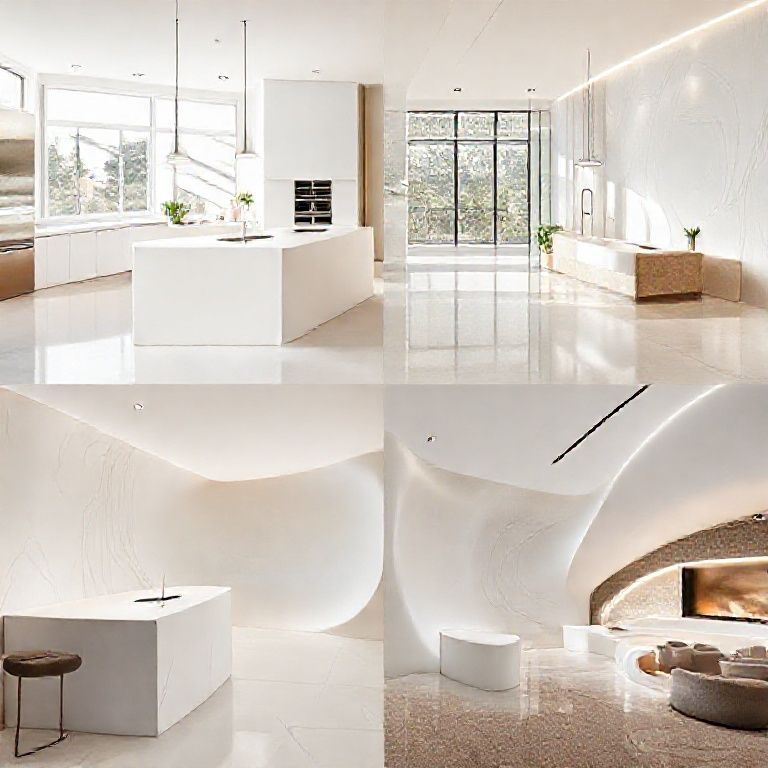
Artificial marble, also known as engineered stone, is a composite material made from a combination of minerals, resins, and pigments. It is produced by pressing and heating these components together under high pressure and temperature, resulting in a solid, durable surface that mimics the appearance of natural marble. Unlike natural stone, which consists of naturally occurring minerals, artificial marble is manufactured and thus offers a more uniform product with consistent properties.
The Composition of Artificial Marble
The primary ingredients in artificial marble include:
Quartz Powder: This is the main component, providing the material with its strength and durability. Quartz powder is a naturally occurring mineral that contributes to the stone’s hardness and resistance to scratches.
Resins: These synthetic polymers act as a binder, holding the quartz particles together. The type and amount of resin used can significantly affect the formaldehyde content in the finished product.
Pigments and Colorants: These are added to achieve the desired color and aesthetic appeal, mimicking the natural beauty of marble.
Other Additives: Various other substances may be included to enhance specific properties, such as water resistance and thermal stability.
Formaldehyde in Artificial Marble
Formaldehyde is a volatile organic compound (VOC) that is often used in the production of resins and other materials. In the context of artificial marble, formaldehyde can be present both as a component of the resin used to bind the quartz particles and as a byproduct of the manufacturing process. When considering the formaldehyde content, it is essential to understand the difference between the resin’s inherent formaldehyde and the formaldehyde released during production and over time.
Low-Formaldehyde Artificial Marble
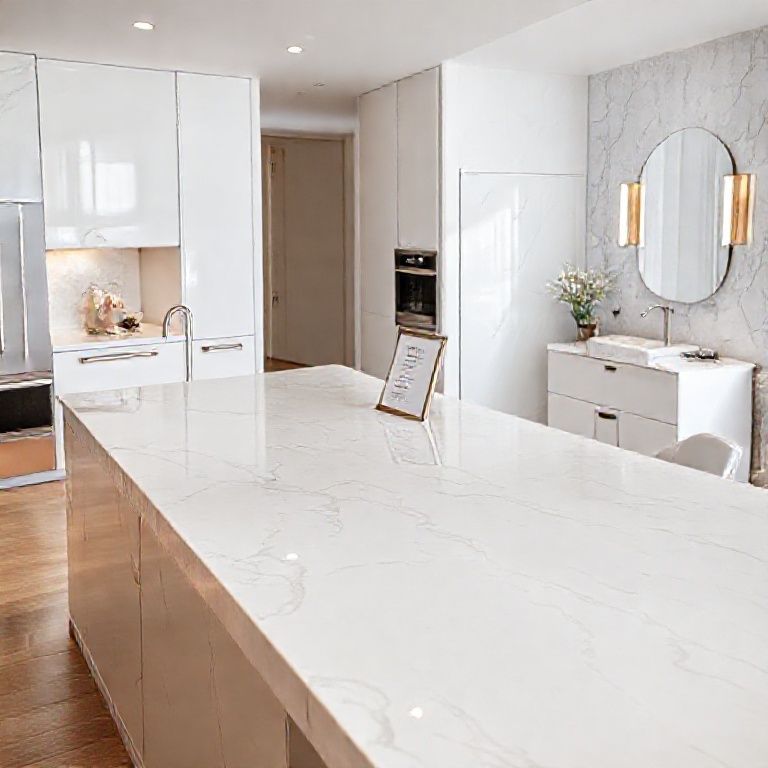
Manufacturers are increasingly producing artificial marble with low formaldehyde content to address health and environmental concerns. These products use resins with lower formaldehyde emissions and advanced manufacturing techniques to minimize the release of VOCs. The term “low-formaldehyde” refers to products that meet specific standards, such as the California Air Resources Board (CARB) guidelines for indoor air quality.
Safety Standards and Certifications
To ensure the safety of artificial marble, manufacturers often adhere to various international standards and certifications. These include:
CARB (California Air Resources Board): This standard sets limits on formaldehyde emissions for consumer products sold in California. ISO 16000-6: An international standard that addresses indoor air quality concerning formaldehyde and other VOCs. Blue Angel (Germany): A certification that guarantees low emissions of pollutants and adherence to environmental standards.
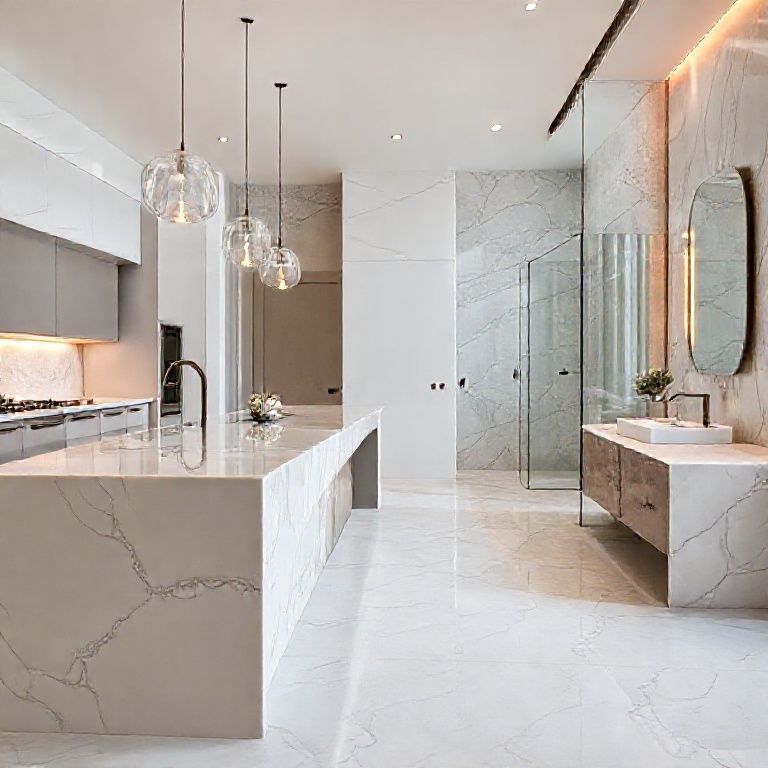
Assessing Formaldehyde Levels
To determine the formaldehyde content in artificial marble, it is essential to look for products that have undergone rigorous testing and certification. Third-party testing laboratories can measure formaldehyde levels and provide certification that the product meets safety standards. Consumers can also check for labels indicating compliance with low-formaldehyde guidelines.
Conclusion
Understanding the composition of artificial marble and the factors that influence its formaldehyde content is crucial for making an informed decision. While concerns about formaldehyde levels are valid, advancements in manufacturing processes and the availability of low-formaldehyde options make it possible to enjoy the benefits of artificial marble without compromising on safety.
In the next part of this article, we will explore the environmental impact of artificial marble, compare it with natural stone, and discuss sustainable practices in the production and use of this versatile material.
Environmental Impact and Sustainable Practices in Artificial Marble Production
Artificial marble has gained popularity due to its durability, aesthetic appeal, and cost-effectiveness. However, like any material used in construction and interior design, it is essential to consider its environmental impact and the sustainability of its production processes. In this second part, we will delve into the environmental footprint of artificial marble, compare it with natural stone, and explore sustainable practices that can be adopted in its production and use.
Environmental Impact of Artificial Marble
Manufacturing Process
The production of artificial marble involves several steps that can have environmental implications:
Resource Extraction: The raw materials, primarily quartz powder, are extracted from natural sources. While quartz is abundant, the extraction process can have localized environmental impacts, including habitat disruption and resource depletion.
Energy Consumption: The manufacturing process requires high pressure and temperature, which translates to significant energy consumption. This energy is typically sourced from fossil fuels, contributing to greenhouse gas emissions.
Chemical Usage: The use of resins and other chemicals in the production process can pose environmental risks if not managed properly. These chemicals can contribute to pollution if not handled, stored, and disposed of correctly.
Comparison with Natural Stone
When evaluating the environmental impact of artificial marble, it is useful to compare it with natural stone, such as marble, granite, and limestone.
Resource Extraction: Natural stone extraction can have a more significant environmental footprint due to the need for mining and quarrying, which can lead to habitat destruction, soil erosion, and water pollution.
Transportation: Natural stone often requires long-distance transportation, contributing to higher carbon emissions compared to locally produced artificial marble.
Durability: While natural stone is known for its durability, it is also subject to weathering, cracking, and other forms of degradation over time. Artificial marble, on the other hand, is engineered for enhanced durability, potentially reducing the need for frequent replacements and the associated environmental costs.
Sustainable Practices in Artificial Marble Production
To mitigate the environmental impact and promote sustainability, several practices can be adopted in the production and use of artificial marble:
Use of Recycled Materials
Manufacturers can incorporate recycled materials into the production process to reduce the demand for virgin resources. This approach not only conserves natural resources but also diverts waste from landfills.
Energy Efficiency
Adopting energy-efficient manufacturing processes can significantly reduce the carbon footprint of artificial marble production. This includes using renewable energy sources, optimizing production techniques, and implementing energy recovery systems.
Low-VOC Resins
Developing and using low-VOC (volatile organic compound) resins can minimize the release of harmful chemicals during production and over time. These resins contribute less to indoor air pollution and have a lower environmental impact.
Certification and Standards
Adhering to environmental standards and certifications can ensure that the production process aligns with sustainable practices. Certifications such as ISO 14001 (Environmental Management Systems) can guide manufacturers in implementing environmentally responsible processes.
End-of-Life Considerations
Considering the end-of-life of artificial marble products is crucial for sustainability. Manufacturers can design products that are easier to recycle or reuse, reducing waste and the environmental impact of disposal.
Comparison with Sustainable Practices in Natural Stone
While natural stone is often perceived as a more environmentally friendly option due to its natural origin, it is essential to consider the entire lifecycle of both materials:
Mining and Quarrying: Natural stone extraction involves significant environmental disruption, including habitat destruction and water pollution.
Transportation: The long-distance transportation of natural stone contributes to higher carbon emissions compared to locally produced artificial marble.
Durability and Maintenance: Natural stone requires regular maintenance to prevent weathering and degradation, which can lead to additional environmental impacts from the production of repair materials.
Sustainability Initiatives: Some natural stone producers are adopting sustainable practices, such as using reclaimed stone, reducing mining impacts, and minimizing transportation distances. However, these initiatives are not as widespread as in the artificial marble industry.
Conclusion
The environmental impact of artificial marble can be managed through sustainable practices in its production and use. By incorporating recycled materials, optimizing energy use, and adopting low-VOC resins, manufacturers can significantly reduce the ecological footprint of artificial marble. Moreover, the durability and longevity of artificial marble can contribute to a lower overall environmental impact compared to natural stone, when considering the entire lifecycle of the material.
In summary, artificial marble offers a range of benefits, including aesthetic appeal, durability, and cost-effectiveness. By choosing products that meet safety standards and support sustainable practices, consumers can enjoy the advantages of artificial marble while minimizing its environmental impact.
In the next part of this article, we will provide practical tips for selecting and maintaining artificial marble to ensure its longevity and optimal performance in your home or business. Stay tuned for more insights on making environmentally conscious choices in interior design and construction.