Dive into the world of artificial marble and uncover its safety concerns, benefits, and real-world applications. This article will explore whether artificial marble is toxic, its advantages over natural stone, and how it stands up to everyday wear and tear. We’ll break down the facts and provide you with all the information you need to make an informed decision about using this modern material in your home or business.
artificial marble, safety, synthetic stone, toxicity, benefits, durability, natural stone, countertop, installation, maintenance
The Safety of Artificial Marble
Introduction
In recent years, artificial marble has become a popular choice for countertops, flooring, and other interior design elements. Its appeal lies in its aesthetic similarity to natural marble, combined with the durability and cost-effectiveness of synthetic materials. However, a common concern arises: “Is artificial marble safe? Is it toxic?”
To address these questions, we need to delve into the composition and manufacturing process of artificial marble and understand how it compares to its natural counterpart.
Composition and Manufacturing Process
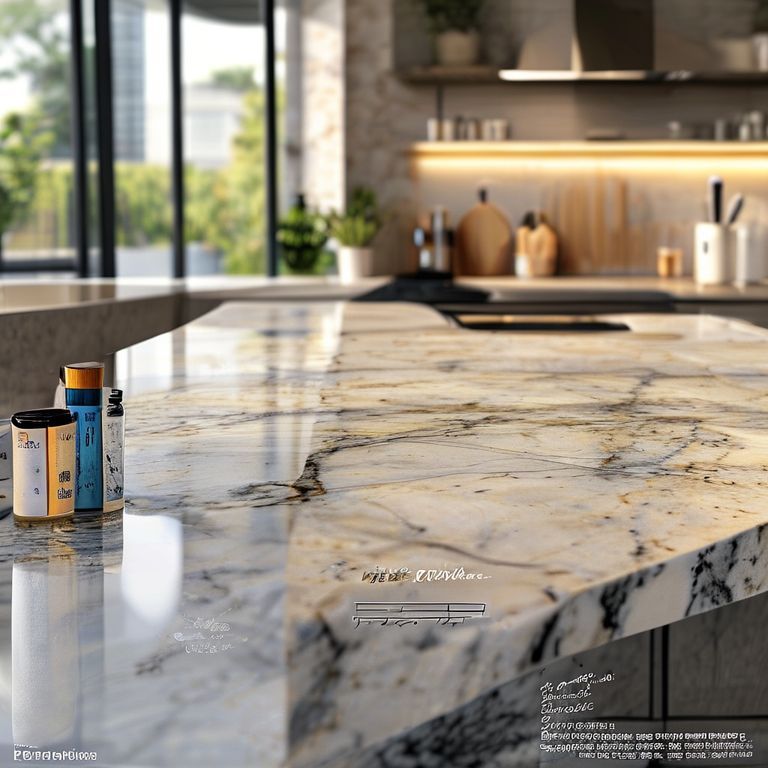
Artificial marble, often referred to as cultured stone, is a composite material made from a mixture of natural stone powder (typically calcite), bonding resin, and colorants. This mixture is compressed and cured under high pressure and temperature to form a solid, homogeneous product.
The manufacturing process involves several steps:
Mixing: Natural stone powder is blended with resin and pigments to achieve the desired color and consistency. Pressing: The mixture is placed in a mold and subjected to high pressure to remove air bubbles and ensure a tight bond. Curing: The pressed material is then heated to cure the resin, solidifying the stone and making it durable.
This process results in a material that closely mimics the appearance of natural marble while offering significant advantages in terms of durability and maintenance.
Safety Concerns
One of the primary concerns about artificial marble revolves around its potential toxicity. Unlike natural marble, which is a solid, continuous crystal structure, artificial marble is a composite material. This difference leads some people to question whether it could release harmful substances over time.
Potential Toxins:
Formaldehyde: Some synthetic materials use resins that might emit formaldehyde. However, reputable manufacturers use low-emission resins that comply with environmental safety standards. Heavy Metals: Although the stone powder itself is generally non-toxic, some fear contamination from heavy metals. Modern manufacturing processes ensure that the materials used are free from hazardous substances.
Testing and Certifications:
Many artificial marble products undergo rigorous testing to ensure they meet safety standards. These tests include:
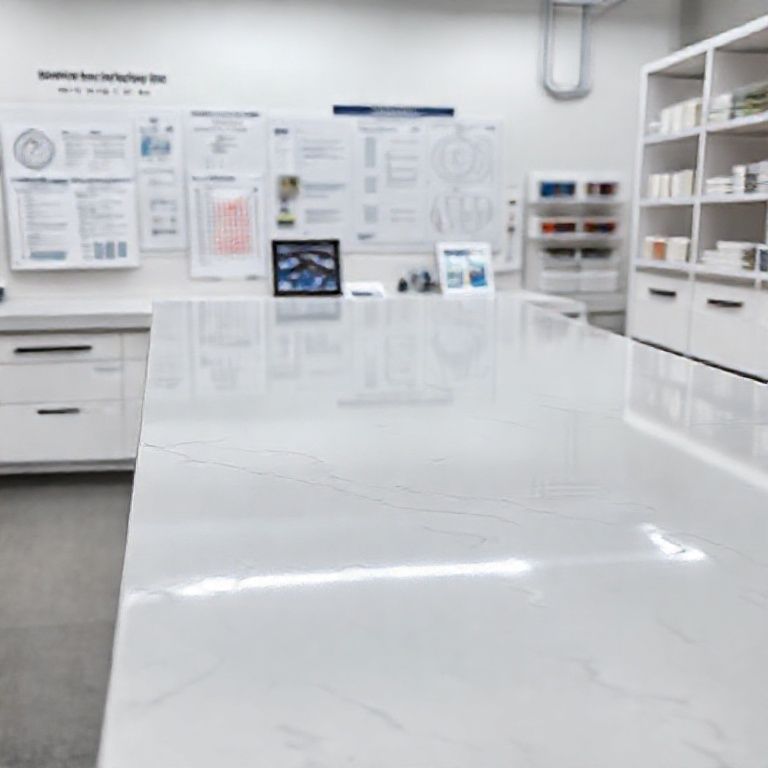
VOC (Volatile Organic Compounds): Measures the amount of harmful chemicals released into the air. Heavy Metal Analysis: Ensures that the materials do not contain unsafe levels of lead, arsenic, or other toxic metals. Aging and Weathering Tests: Verify the material’s long-term stability and resistance to environmental factors.
By adhering to these standards, manufacturers can assure consumers that their products are safe for indoor use.
Comparison with Natural Marble
Natural marble is prized for its beauty and elegance but comes with its own set of drawbacks:
Porosity: Natural marble is porous, making it susceptible to staining and etching from acidic substances like wine, juice, and vinegar. Maintenance: It requires regular sealing to prevent staining and often needs professional cleaning. Durability: Natural marble can be prone to chipping and scratching.
Artificial marble, on the other hand, offers a non-porous surface that is highly resistant to staining and etching. Its durability makes it less prone to damage, requiring minimal maintenance.
Real-World Applications
Artificial marble has found widespread use in various applications due to its safety, durability, and aesthetic appeal:
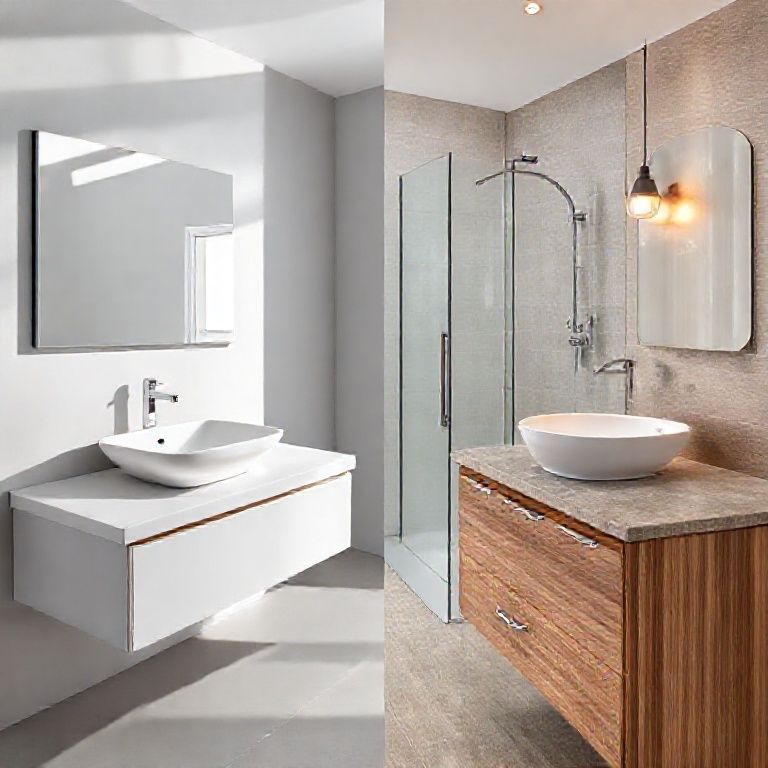
Countertops: It’s a popular choice for kitchen and bathroom countertops due to its non-porous surface and resistance to stains. Flooring: Some high-end flooring options are made from artificial marble, providing a luxurious look with low maintenance. Furniture: Used in the construction of tabletops, vanities, and other furniture elements.
Conclusion
In conclusion, artificial marble is generally safe and non-toxic when manufactured by reputable companies that adhere to environmental and safety standards. Its composite nature does not necessarily make it more dangerous than natural stone; in fact, it offers significant benefits in terms of durability and maintenance.
In the next part, we will explore the advantages of artificial marble in more detail, including its environmental impact, cost-effectiveness, and long-term benefits.
Advantages and Long-Term Benefits of Artificial Marble
Introduction
Having addressed the safety concerns, it’s time to delve deeper into the advantages of artificial marble. This material has been steadily gaining popularity not just for its aesthetic appeal but also for its practical benefits. From cost-effectiveness to ease of maintenance, artificial marble offers a compelling case for its use in modern interior design.
Durability and Strength
One of the most significant advantages of artificial marble is its durability. Unlike natural marble, which is prone to staining, etching, and chipping, artificial marble is non-porous and resistant to most household acids and stains. This makes it an ideal choice for high-traffic areas like kitchens and bathrooms where spills are common.
Key Benefits:
Stain Resistance: Artificial marble’s non-porous surface prevents stains from penetrating, making it easier to clean and maintain. Scratch Resistance: Its solid, homogeneous structure makes it highly resistant to scratches and chips, ensuring a longer lifespan. Impact Resistance: It can withstand significant impact without breaking, making it suitable for areas where heavy items are frequently placed.
Cost-Effectiveness
Another major benefit of artificial marble is its cost-effectiveness. While natural marble is often expensive due to its rarity and the costs associated with quarrying and transportation, artificial marble can be produced at a fraction of the cost.
Key Benefits:
Lower Initial Costs: The price of artificial marble is generally lower than that of natural marble, making it accessible to a broader range of consumers. Reduced Maintenance Costs: With minimal need for sealing, cleaning, or professional maintenance, artificial marble reduces long-term costs. Customization: It allows for greater design flexibility and customization, as the resin and pigments can be mixed to create a wide range of colors and patterns.
Environmental Impact
In today’s environmentally-conscious world, the environmental impact of materials is a crucial consideration. Artificial marble offers a more sustainable option compared to natural marble in several ways.
Key Benefits:
Resource Efficiency: The production of artificial marble does not require the extraction of natural stone, thus conserving natural resources. Lower Carbon Footprint: The manufacturing process for artificial marble typically generates less carbon dioxide compared to the quarrying and transportation processes for natural marble. Recyclability: Artificial marble can often be recycled, reducing waste and environmental impact.
Aesthetic Appeal
Artificial marble is designed to mimic the beauty of natural marble, offering a luxurious appearance at a fraction of the cost. Its versatility in color and pattern allows for endless design possibilities.
Key Benefits:
Lifelike Appearance: Advanced manufacturing techniques create a surface that closely resembles natural marble, providing a high-end look. Variety of Designs: Available in a wide range of colors and patterns, artificial marble can be tailored to fit any design scheme. Texture and Finish: It offers various finishes, from matte to high-gloss, allowing for a personalized aesthetic.
Installation and Maintenance
Artificial marble is not only aesthetically pleasing but also practical. Its installation process is straightforward, and it requires minimal maintenance.
Key Benefits:
Easy Installation: It can be cut, shaped, and installed with relative ease, often by DIY enthusiasts or with minimal professional help. Low Maintenance: Unlike natural marble, artificial marble does not need regular sealing or special cleaning products. A simple wipe with a damp cloth suffices for most cleaning needs. Repairability: Small chips or cracks can often be repaired with resin and pigments that match the existing material.
Long-Term Benefits
When considering the long-term benefits, artificial marble proves to be an excellent investment. Its durability, cost-effectiveness, and low maintenance make it a practical choice for both residential and commercial spaces.
Key Benefits:
Longevity: The resistance to stains, etching, and chipping ensures a longer lifespan, reducing the need for frequent replacements. Value Retention: Its durability and low maintenance translate to better value retention over time. Sustainable Choice: Contributing to environmental sustainability by reducing the demand for natural marble and its associated environmental impact.
Conclusion
In conclusion, artificial marble offers a compelling blend of safety, durability, cost-effectiveness, and aesthetic appeal. Its non-toxic nature, when manufactured by reputable companies, ensures it is safe for indoor use. Its numerous advantages, from stain and scratch resistance to lower maintenance and environmental benefits, make it a superior choice for modern interior design.
As we continue to seek sustainable and practical solutions in our homes and businesses, artificial marble stands out as a material that meets these needs while providing the luxury and beauty of natural marble.
By understanding the benefits and safety of artificial marble, you can make an informed decision that aligns with both your aesthetic desires and practical requirements. Whether you’re renovating a kitchen or designing a new commercial space, artificial marble is a material worth considering for its long-term benefits and sustainability.