Introduction to Artificial Marble
Artificial marble, also known as engineered stone, has become increasingly popular in recent years as a durable and stylish alternative to natural marble. This material is a composite of minerals and resins that are fused together under high pressure and temperature to create a stone-like surface. While it offers many benefits such as durability, easy maintenance, and a wide range of colors and patterns, questions have arisen regarding its safety and toxicity.
Composition and Manufacturing Process
Artificial marble is made by combining natural minerals such as quartz, calcite, and feldspar with synthetic resins. These materials are then mixed, poured into molds, and subjected to high pressure and temperature in a process similar to that used in making concrete. The result is a material that closely mimics the appearance and texture of natural marble but with enhanced properties like greater strength and resistance to scratches and stains.
Health Concerns and Toxicity
One of the primary concerns surrounding artificial marble is its potential toxicity. Critics argue that the resins and other chemicals used in its production may release harmful substances into the air and water over time. To address these concerns, let’s break down the components involved:
Resins and Binders: The synthetic resins used in artificial marble are typically made from formaldehyde, which has been linked to various health issues, including respiratory problems, skin irritation, and potential carcinogenic effects. However, manufacturers of artificial marble often use formaldehyde-free resins to mitigate these concerns.
Heavy Metals: Although the risk is low, there is a possibility that trace amounts of heavy metals such as lead, arsenic, and cadmium could be present in the minerals used. These metals can pose health risks if they leach into water supplies or if they are released into the air in fine particulate form.
Volatile Organic Compounds (VOCs): During the manufacturing process, VOCs can be released into the air. These compounds are associated with a variety of health issues, including headaches, dizziness, and respiratory problems. Modern manufacturing techniques aim to minimize VOC emissions, but it remains a concern for some.
Regulatory Standards and Certifications
Environmental Impact
The environmental impact of artificial marble production is another important aspect to consider. The process of creating artificial marble involves substantial energy consumption and the use of industrial chemicals. However, advancements in manufacturing technology are continually improving the efficiency and reducing the environmental footprint of this material. Additionally, the long lifespan and low maintenance requirements of artificial marble can lead to a reduced need for frequent replacements, which in turn lessens the environmental impact.
Comparing Artificial Marble to Natural Marble
When evaluating the safety and toxicity of artificial marble, it’s helpful to compare it to natural marble:
Durability: Natural marble is highly susceptible to stains, cuts, and water damage. Artificial marble, on the other hand, is designed to be more resistant to these issues, potentially reducing the need for frequent repairs and replacements.
Maintenance: Natural marble requires regular sealing to prevent staining and etching, which can release minute particles into the air. Artificial marble, being a solid surface, generally requires minimal maintenance, leading to cleaner indoor air.
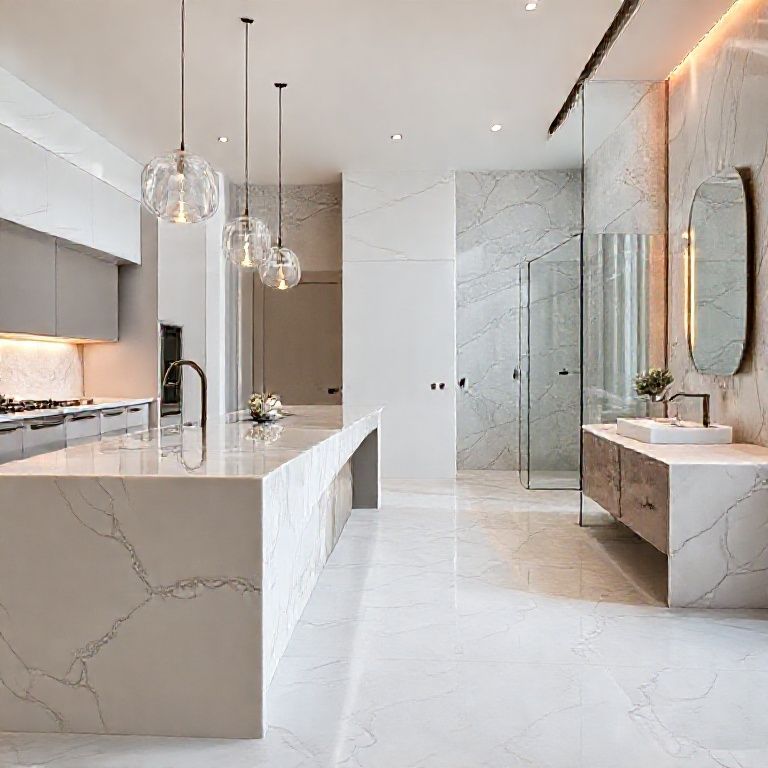
Toxicity: While natural marble is generally inert and non-toxic, there is a risk of surface contamination from spills and cleaning agents that can pose health hazards. The toxicity concerns with artificial marble largely revolve around the manufacturing process, which can be managed through proper quality control.
Conclusion
Artificial marble offers numerous benefits, including durability, aesthetic appeal, and low maintenance. While there are legitimate concerns regarding its production and potential toxicity, advancements in manufacturing and stringent regulatory standards help mitigate these risks. By understanding the composition, production process, and regulatory frameworks, consumers can make informed decisions about whether artificial marble is the right choice for their needs.
In the next part, we will delve deeper into the environmental and health implications of using artificial marble, explore innovative solutions to reduce its environmental footprint, and discuss how to choose the safest options available.
Environmental and Health Implications
Innovative Solutions to Reduce Environmental Footprint
While artificial marble offers many advantages, its production does involve significant environmental considerations. Fortunately, manufacturers are increasingly adopting innovative solutions to minimize the environmental impact of this material. Here are some key strategies being used:
Sustainable Sourcing of Materials: Many manufacturers are turning to sustainably sourced minerals and resins to reduce the ecological impact. This includes sourcing materials that are responsibly mined and produced to minimize habitat disruption and energy consumption.
Energy-Efficient Manufacturing: Advances in manufacturing technology have led to more energy-efficient processes. By optimizing the production techniques, manufacturers can reduce the amount of energy required to create artificial marble, thereby lowering greenhouse gas emissions.
Recycling and Waste Management: Effective recycling and waste management practices are crucial in minimizing the environmental footprint. Some manufacturers are implementing closed-loop systems where waste materials are collected and reused in the production process, thus reducing landfill contributions.
Low-VOC Resins: The use of low-VOC or formaldehyde-free resins has become more prevalent. These materials not only reduce harmful emissions but also improve indoor air quality, making artificial marble safer for both the environment and occupants.
Choosing the Safest Artificial Marble Options
When selecting artificial marble for your home or business, it’s essential to consider the following factors to ensure you are choosing the safest option available:
Certifications and Standards: Look for products that have been certified by reputable organizations such as ISO, REACH (Registration, Evaluation, Authorization, and Restriction of Chemicals), and other relevant safety standards. These certifications indicate that the product meets stringent safety and quality criteria.
Material Composition: Opt for artificial marble made with high-quality, non-toxic materials. Manufacturers that provide detailed information about their materials and production processes are generally more trustworthy.
Manufacturer Reputation: Choose products from reputable manufacturers with a track record of producing safe and high-quality artificial marble. Customer reviews and testimonials can provide valuable insights into the reliability and safety of a particular brand.
Indoor Air Quality Testing: Some manufacturers conduct independent indoor air quality testing to ensure that their products do not emit harmful levels of VOCs or other pollutants. This additional step can be a good indicator of a product’s safety.
Health Implications and Best Practices
To further ensure the health and safety of artificial marble, consider the following best practices:
Proper Installation: Ensure that artificial marble is installed by professionals who are trained and experienced in working with this material. Proper installation techniques can help prevent issues like cracking and ensure a longer lifespan for the product.
Cleaning and Maintenance: Follow the manufacturer’s guidelines for cleaning and maintaining artificial marble. Using non-abrasive cleaning agents and avoiding harsh chemicals will help preserve the integrity of the surface and reduce the risk of contamination.
Ventilation: Maintain proper ventilation in areas where artificial marble is used, especially if it covers a large surface area. Good airflow can help disperse any potential emissions and maintain healthier indoor air quality.
Monitoring Indoor Air Quality: Regularly monitor indoor air quality to detect any unusual levels of VOCs or other pollutants. This can help identify potential issues early and ensure that your environment remains safe.
Conclusion
In conclusion, artificial marble is a versatile and durable material that offers numerous benefits for both aesthetics and functionality. While there are concerns regarding its toxicity and environmental impact, advancements in manufacturing, stringent regulatory standards, and innovative solutions have significantly mitigated these risks. By choosing certified, high-quality products and following best practices for installation, cleaning, and maintenance, you can enjoy the advantages of artificial marble while ensuring a safe and healthy environment.
As we continue to explore sustainable alternatives and advancements in material science, the future of artificial marble looks promising. With continued focus on safety and environmental responsibility, artificial marble can play a vital role in modern construction and interior design, offering beauty and durability without compromising health and the planet.
By staying informed and making educated choices, you can confidently incorporate artificial marble into your space, knowing that you have considered all the necessary factors to ensure its safety and sustainability.