Introduction to Artificial Marble
Artificial marble, also known as cultured stone, is a popular choice in modern interior design and construction. It’s lauded for its durability, aesthetic appeal, and cost-effectiveness compared to natural marble. But amidst its many advantages, concerns have been raised about its potential toxicity and the presence of formaldehyde. Let’s embark on an in-depth investigation into these issues.
What is Artificial Marble?
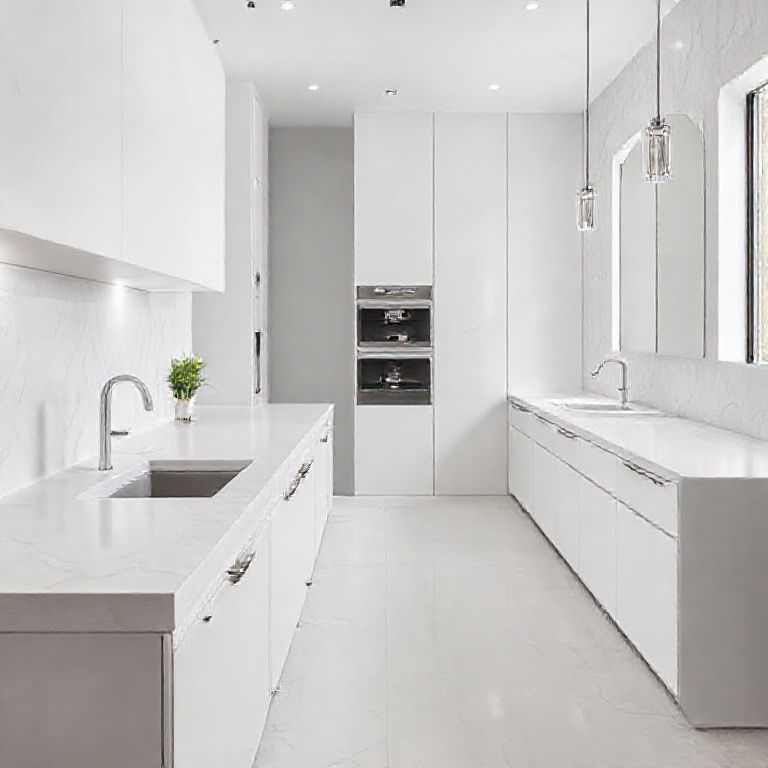
Artificial marble is a composite material primarily composed of resin, limestone powder, marble dust, and pigments. It’s manufactured through a meticulous process where a polymer resin is combined with these minerals and then cast into molds. The result is a stone-like surface that mimics natural marble but is more durable and easier to maintain.
The Composition and Potential Concerns
The primary components of artificial marble include:
Resin: Often made from acrylic or polyester, the resin binds the mineral particles together. Limestone and Marble Powder: These add strength and a realistic stone appearance. Pigments: Used to replicate the color and texture of natural marble.
Given these components, it’s essential to consider whether any of these materials might release harmful substances, particularly formaldehyde.
Formaldehyde: The Silent Pollutant
Formaldehyde is a colorless, flammable gas with a strong, pungent odor. It’s widely used in various industrial applications, including as a preservative in medical laboratories and as a building material component. When released into indoor environments, formaldehyde can pose several health risks:
Respiratory Issues: Prolonged exposure can lead to irritation of the eyes, nose, and throat, and may exacerbate conditions like asthma. Allergic Reactions: Some individuals may develop skin rashes or other allergic responses. Carcinogenic Risks: According to several studies, formaldehyde is classified as a known human carcinogen by the International Agency for Research on Cancer (IARC).
Does Artificial Marble Contain Formaldehyde?
Manufacturers of artificial marble often use formaldehyde-based resins in their products. However, the levels of formaldehyde released can vary significantly depending on the manufacturing process and the quality of the materials used. Here’s a closer look at how formaldehyde might be present and the steps taken to mitigate its release:
Manufacturing Process
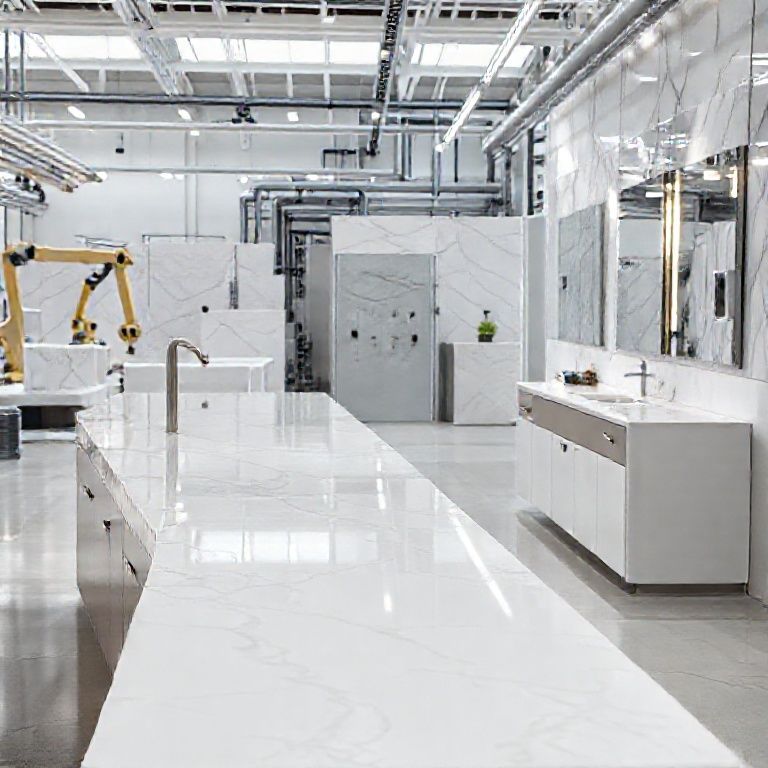
The manufacturing process of artificial marble involves heating and mixing the resin with limestone and marble powders. During this process, some formaldehyde may volatilize and be released into the air. However, modern production techniques aim to minimize this release.
Regulatory Standards and Testing
To address these concerns, various regulatory bodies have established standards for formaldehyde emissions in building materials. In the United States, the Environmental Protection Agency (EPA) and the Consumer Product Safety Commission (CPSC) have set limits on formaldehyde levels in consumer products. European standards, like those set by the European Union’s REACH regulation, also place strict controls on formaldehyde emissions from materials like artificial marble.
Testing for formaldehyde typically involves:
Gas Chromatography-Mass Spectrometry (GC-MS): A highly sensitive method used to detect and quantify formaldehyde levels. Gas Detection Devices: These are used to monitor formaldehyde levels in the air during and after installation.
Health Implications and Safety Measures
If formaldehyde is present in artificial marble, the health implications can be significant. However, several strategies can be employed to minimize exposure:
Ventilation: Proper ventilation during installation and after can significantly reduce formaldehyde levels in indoor air. Low-Emission Products: Opting for products labeled as low-emission or formaldehyde-free can help mitigate risks. Professional Installation: Ensuring that the installation is handled by professionals who follow best practices can also reduce potential risks.
Conclusion to Part 1
In conclusion, while artificial marble does have the potential to release formaldehyde depending on its composition and manufacturing process, the risk can be managed through regulatory standards, proper ventilation, and careful selection of low-emission products. Understanding these factors enables homeowners and designers to make informed decisions, balancing the benefits of this versatile material with health and safety considerations. In the next part, we will delve deeper into the environmental impact and sustainability of artificial marble, offering a comprehensive view of its role in modern construction.
Environmental Impact and Sustainability of Artificial Marble
Having explored the toxicity and formaldehyde concerns associated with artificial marble, we now turn our attention to its environmental impact and sustainability. This critical examination will help us understand the broader picture of this popular material in the context of modern ecological concerns.
Environmental Impact
Artificial marble, like many synthetic materials, raises questions about its environmental footprint. Let’s break down the key aspects:
Material Sourcing
Limestone and Marble Dust: While these materials are abundant, their extraction can lead to significant environmental disruption. Quarrying can cause habitat destruction, soil erosion, and water contamination. Resin Production: The manufacturing of resins often involves petrochemical processes, which can contribute to environmental pollution and greenhouse gas emissions.
Manufacturing Process
The production of artificial marble involves high temperatures and energy-intensive processes. This energy consumption contributes to the carbon footprint of the material. However, advancements in manufacturing technology are continually improving energy efficiency and reducing waste.
Waste and Recycling
The disposal of artificial marble poses a challenge due to its composite nature. Unlike natural stone, which can often be recycled, the composite materials in artificial marble do not lend themselves easily to recycling processes. Proper disposal methods are essential to minimize environmental harm.
Sustainability Efforts
Despite these challenges, several initiatives are underway to enhance the sustainability of artificial marble:
Eco-Friendly Resins: Researchers are developing resins with lower environmental impacts, aiming to reduce the carbon footprint and toxicity of the material. Recycled Materials: Some manufacturers are incorporating recycled materials into their production, such as reclaimed limestone and industrial by-products, to reduce reliance on new raw materials. Green Certifications: Certifications like LEED (Leadership in Energy and Environmental Design) encourage manufacturers to adopt sustainable practices, further promoting eco-friendly production methods.
Comparative Analysis: Artificial vs. Natural Marble
To fully appreciate the environmental impact of artificial marble, it’s useful to compare it with natural marble:
Natural Marble: While natural marble is aesthetically superior and infinitely recyclable, its extraction and processing can be environmentally destructive. Quarrying operations can lead to significant habitat disruption and water pollution. Artificial Marble: While it has a lower environmental footprint in terms of extraction, its synthetic nature and disposal challenges present different environmental concerns.
Indoor Air Quality and Long-Term Exposure
The health implications of artificial marble extend beyond formaldehyde concerns to include its overall impact on indoor air quality. Let’s explore this in more depth:
Volatile Organic Compounds (VOCs)
Besides formaldehyde, artificial marble may emit other VOCs during manufacturing and over time. These compounds can contribute to poor indoor air quality, leading to respiratory issues and other health problems. However, advances in manufacturing have led to the development of low-VOC formulations.
Monitoring and Mitigation Strategies
To ensure optimal indoor air quality, several strategies can be employed:
Ventilation: Ensuring adequate ventilation during and after installation can help disperse any released VOCs. Air Purifiers: Utilizing air purifiers equipped with HEPA filters can capture VOCs and other airborne pollutants. Monitoring Devices: Continuous monitoring of indoor air quality can help detect and manage any potential health risks.
Future Trends and Innovations
The future of artificial marble lies in continuous innovation aimed at enhancing its sustainability and safety:
Biodegradable Materials: Research into biodegradable resins and composite materials could revolutionize the industry, making artificial marble more environmentally friendly. Enhanced Manufacturing Techniques: Advances in manufacturing technology, such as 3D printing, could lead to more efficient and less wasteful production processes. Consumer Awareness: As awareness grows about the environmental impact of synthetic materials, there’s a rising demand for sustainable alternatives, driving manufacturers to innovate.
Conclusion to Part 2
In conclusion, while artificial marble presents certain environmental and health challenges, ongoing innovations and regulatory standards are addressing these issues. The future of this material lies in its potential for sustainable growth, driven by advancements in eco-friendly materials and manufacturing techniques. By understanding the full spectrum of its environmental impact and health implications, consumers and designers can make more informed choices that balance beauty, durability, and sustainability.
By exploring the complexities of artificial marble—from its composition and formaldehyde content to its environmental footprint—we gain a comprehensive understanding of this versatile material. This knowledge empowers us to make informed decisions that prioritize both aesthetic and ecological considerations in our modern world.