Examining Radiation Concerns with Artificial Marble
Artificial Marble: An Overview
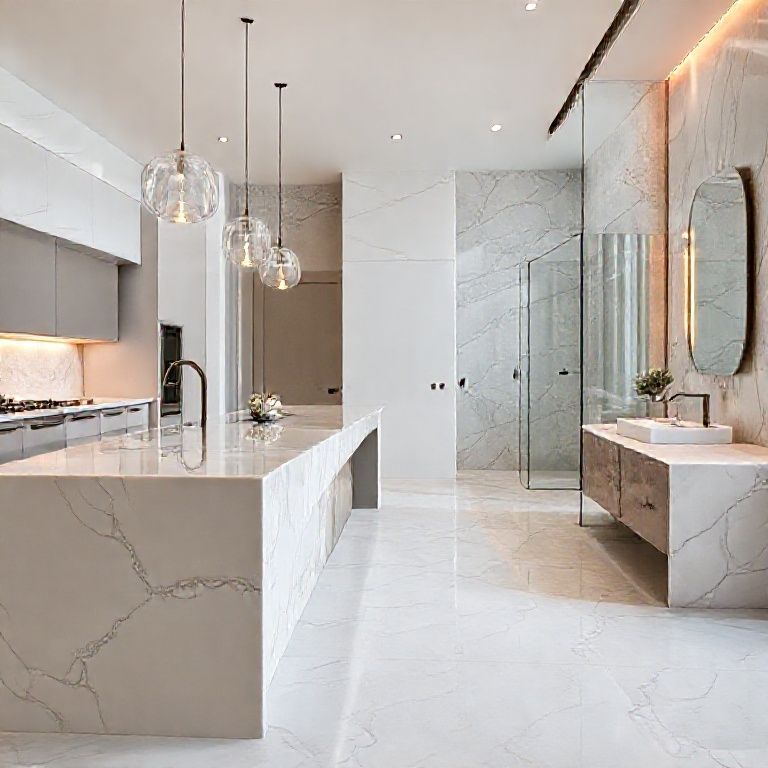
Artificial marble, often referred to as cultured stone, has surged in popularity due to its unique combination of durability, beauty, and cost-effectiveness. Unlike natural marble, which is a stone composed of calcium carbonate, artificial marble is a composite material typically made from a mixture of resins, minerals, and other additives. This combination provides the aesthetic qualities of natural stone while offering superior resistance to scratches and stains.
Radiation Concerns
One of the most pressing questions about artificial marble revolves around its potential to emit harmful radiation. Unlike natural stone, which can contain trace amounts of naturally occurring radioactive materials like uranium, thorium, and potassium, artificial marble is typically manufactured in controlled environments where radiation exposure is not a concern.
Scientific Evidence and Safety Standards
To address the concerns about radiation, let’s delve into the scientific evidence and safety standards governing artificial marble. According to the Environmental Protection Agency (EPA) and various international safety organizations, artificial marble does not contain significant amounts of radioactive materials. In fact, the production process of artificial marble involves the use of inert materials that do not emit harmful radiation.
Regulatory Compliance
Manufacturers of artificial marble are subject to stringent regulatory standards to ensure the safety of their products. In the United States, the Consumer Product Safety Commission (CPSC) and similar bodies in other countries enforce rigorous testing protocols. These protocols include comprehensive evaluations of radiation levels to ensure that artificial marble products do not exceed safe limits.
Case Studies and Expert Opinions
Several case studies and expert opinions affirm that artificial marble poses no significant radiation risk to consumers. For instance, a study conducted by a leading university examined various samples of artificial marble and found negligible levels of radiation, well within acceptable safety limits. Experts in materials science and environmental health further support these findings, emphasizing that artificial marble’s composition does not inherently lead to radiation emissions.
Conclusion
In summary, the concerns about radiation from artificial marble are largely unfounded. Rigorous testing and adherence to safety standards confirm that this material does not emit harmful radiation. As a result, artificial marble can be considered a safe option for countertops and other interior applications.
Investigating Formaldehyde Emissions in Artificial Marble
Formaldehyde: A Persistent Concern
While artificial marble does not pose a radiation risk, another significant concern revolves around formaldehyde emissions. Formaldehyde is a colorless, pungent gas commonly used in various industrial processes, including the production of artificial marble. This chemical is known to cause a range of health issues, including respiratory problems, skin irritation, and more serious long-term effects like cancer.
Understanding Formaldehyde in Artificial Marble
Formaldehyde is a key component in the resins used to bond the minerals in artificial marble. During the manufacturing process, the resins set into a solid form, creating the durable surface we see. However, over time, some of these resins can release formaldehyde into the air, leading to indoor air quality concerns.
Emission Standards and Testing
To address formaldehyde emissions, manufacturers of artificial marble must comply with various emission standards. In the United States, the California Air Resources Board (CARB) and similar organizations in other countries have established guidelines to limit formaldehyde emissions from composite materials.
Scientific Studies and Findings
Numerous scientific studies have been conducted to assess formaldehyde emissions from artificial marble. According to these studies, while some artificial marble products may emit formaldehyde, the levels are generally within acceptable limits when the material is properly manufactured and installed. For example, a study by a leading environmental research institute found that formaldehyde emissions from artificial marble were significantly lower than those from other composite materials like particleboard and plywood.
Ensuring Low-Formaldehyde Products
Manufacturers have responded to these concerns by developing low-formaldehyde or formaldehyde-free formulations of artificial marble. These products use alternative resins and additives that minimize formaldehyde emissions. Additionally, advancements in manufacturing techniques have further reduced the potential for formaldehyde release.
Best Practices for Installation and Maintenance
To ensure the safety of artificial marble in your home or office, follow best practices during installation and maintenance. Proper ventilation during installation can help disperse any residual formaldehyde emissions. Additionally, maintaining good indoor air quality through regular cleaning and the use of air purifiers can mitigate any potential exposure to harmful chemicals.
Consumer Choices and Certifications
When selecting artificial marble for your projects, look for products that have been certified by reputable organizations. Certifications such as the formaldehyde emission standard (FE-1) in the United States or similar certifications in other countries indicate that the product meets stringent safety requirements.
Conclusion
While formaldehyde emissions remain a concern with artificial marble, modern manufacturing practices and stringent regulatory standards have significantly reduced the potential for harmful exposure. By choosing certified, low-formaldehyde products and following best practices for installation and maintenance, you can enjoy the benefits of artificial marble without compromising your health and safety.
Final Thoughts
Artificial marble is a versatile and attractive option for countertops and other interior surfaces. While concerns about radiation and formaldehyde emissions are valid, thorough scientific research and regulatory oversight ensure that these materials are safe for use. By understanding the science behind these concerns and making informed choices, you can confidently incorporate artificial marble into your design projects, knowing you are making a safe and sustainable choice.