Is Artificial Marble Toxic? Unveiling the Mystery Behind Marble Countertops and Formaldehyde
Artificial marble, often celebrated for its stunning aesthetics and durability, has become a popular choice for countertops, sinks, and other surfaces in both residential and commercial settings. However, questions about its safety and potential toxicity have sparked considerable concern, particularly regarding the presence of formaldehyde. This soft article aims to provide a comprehensive overview of artificial marble, addressing the key questions: “Is artificial marble toxic?” and “Does it contain formaldehyde?”
Understanding Artificial Marble
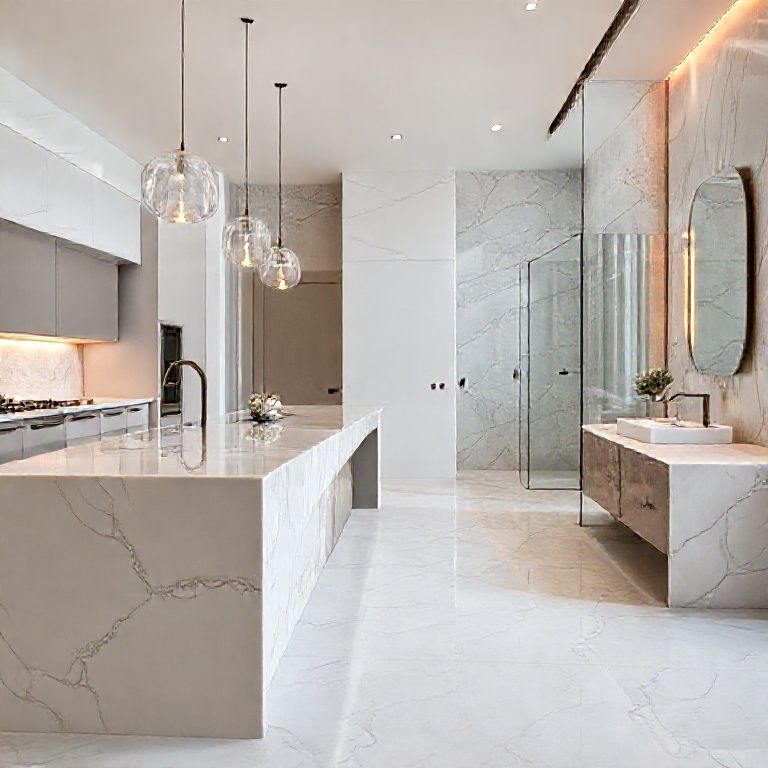
Artificial marble, also known as cultured stone, is a composite material primarily made from a mixture of acrylic resin, quartz, and pigments. This combination creates a stone-like appearance and texture, while providing a more affordable and durable alternative to natural marble. The manufacturing process involves combining these materials and curing them under heat and pressure to form a solid, monolithic surface.
The Composition of Artificial Marble
To determine whether artificial marble is toxic and if it contains formaldehyde, it’s essential to understand its composition. The primary components include:
Acrylic Resin: This synthetic polymer serves as the binding agent in artificial marble, providing strength and flexibility. Quartz: Finely ground quartz sand gives the material its realistic stone appearance. Pigments: These color the material to mimic the look of natural marble.
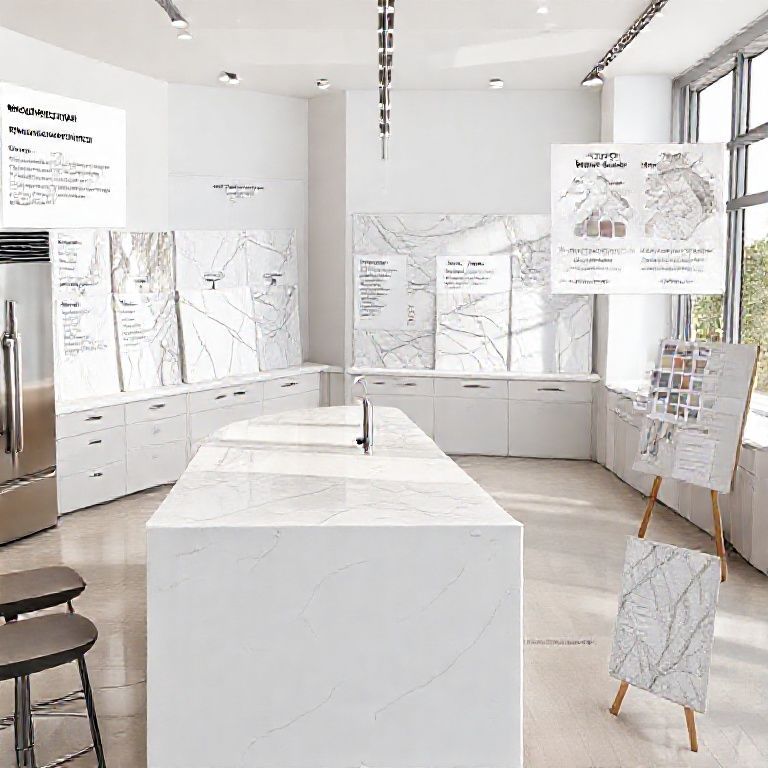
Formaldehyde, a colorless gas with a strong, pungent odor, is a key concern regarding the toxicity of artificial marble. It is used in the production process, primarily as a cross-linking agent in the acrylic resin. However, modern manufacturing techniques have significantly reduced the amount of formaldehyde released during production.
Safety Standards and Regulations
Artificial marble manufacturers adhere to strict safety standards and regulations to ensure that their products are safe for use. In the United States, the Consumer Product Safety Commission (CPSC) regulates the use of formaldehyde in consumer products. European Union regulations are similarly stringent, with the European Chemicals Agency (ECHA) overseeing the safety of chemicals used in manufactured goods.
Manufacturers of artificial marble are required to conduct extensive testing to ensure that their products meet these safety standards. This includes measuring formaldehyde emissions and ensuring that they are within acceptable limits. Additionally, many artificial marble products come with certifications from third-party testing organizations, providing further assurance of their safety.
Potential Health Concerns
While concerns about the toxicity of artificial marble and the presence of formaldehyde are valid, it’s important to differentiate between the formaldehyde used in production and the formaldehyde that may be emitted over time.
Formaldehyde Emissions
Formaldehyde emissions from artificial marble are generally low due to modern manufacturing techniques. According to the Marble Institute of America (MIA), the formaldehyde content in cultured stone is minimal, and any emissions that do occur are significantly lower than those found in natural stone.
Long-Term Exposure
Long-term exposure to formaldehyde, even at low levels, can pose health risks. Symptoms may include irritation of the eyes, nose, and throat, headaches, and allergic reactions. However, the formaldehyde emissions from artificial marble are typically within safe limits, as determined by regulatory bodies.
Mitigating Exposure Risks
To further minimize potential exposure to formaldehyde, several steps can be taken:
Proper Ventilation: Ensuring good ventilation in areas where artificial marble is used can help disperse any potential emissions. Quality Products: Choosing high-quality artificial marble products from reputable manufacturers can reduce the risk of excessive formaldehyde emissions. Regular Cleaning: Regular cleaning of artificial marble surfaces can help maintain a healthy environment by reducing dust and potential contaminants.
Benefits of Artificial Marble
Despite concerns about toxicity and formaldehyde, artificial marble offers several significant benefits:
Durability: Artificial marble is highly resistant to scratches, stains, and chips, making it an excellent choice for high-traffic areas. Affordability: Compared to natural marble, artificial marble is significantly more affordable, offering a luxurious appearance at a lower cost. Customization: The ability to create custom colors and designs makes artificial marble versatile and suitable for various aesthetic preferences. Low Maintenance: Unlike natural stone, artificial marble does not require sealing or regular maintenance, simplifying upkeep.
Conclusion
In conclusion, the question of whether artificial marble is toxic and contains formaldehyde can be addressed with a nuanced understanding of its composition, manufacturing processes, and safety regulations. While concerns are valid, modern techniques in the production of artificial marble have significantly reduced formaldehyde emissions, ensuring that the material is safe for use.
By choosing high-quality products and maintaining proper ventilation, the potential risks associated with artificial marble can be effectively managed. Ultimately, artificial marble offers a compelling combination of beauty, durability, and affordability, making it a popular choice for modern interiors.
Is Artificial Marble Toxic? Further Exploring the Safety and Benefits of Marble Countertops
Continuing our exploration into the safety and benefits of artificial marble, this second part delves deeper into the material’s composition, manufacturing processes, and the steps taken to ensure it is safe for use. We aim to provide a thorough understanding of artificial marble’s potential risks and advantages, addressing the concerns about its toxicity and formaldehyde content.
Modern Manufacturing Techniques
Advancements in Production
Modern advancements in manufacturing techniques have significantly enhanced the safety and quality of artificial marble. These innovations focus on reducing formaldehyde emissions and ensuring that the material is safe for both manufacturers and end-users.
Cross-Linking Agents: The use of modern cross-linking agents in the acrylic resin has minimized the amount of formaldehyde released during production. These agents improve the durability and longevity of the material without significantly increasing formaldehyde emissions. Curing Processes: Advanced curing processes, including vacuum curing and pressure curing, ensure that the material sets properly, reducing the need for formaldehyde as a cross-linking agent. Emission Testing: Rigorous testing protocols are in place to measure formaldehyde emissions from artificial marble products. These tests help manufacturers ensure that their products meet or exceed safety standards.
Comparative Safety with Natural Stone
Understanding Natural Stone
To provide a comprehensive comparison, it’s important to consider the safety of natural stone, which is often used as an alternative to artificial marble. Natural stone, including marble, granite, and quartzite, contains naturally occurring minerals and can release small amounts of formaldehyde and other volatile organic compounds (VOCs) over time.
Safety of Natural Stone
Natural stone is subject to similar safety regulations as artificial marble. The release of formaldehyde and other VOCs from natural stone is generally low, but it can vary depending on the type of stone and its age. For example:
Marble: While marble contains calcite, which does not release formaldehyde, it can absorb and release small amounts of VOCs over time. Granite: Granite is composed of minerals like quartz and feldspar, which do not release formaldehyde. However, certain manufacturing processes can introduce VOCs. Quartz Countertops: Quartz is a synthetic stone that does not contain formaldehyde. It is considered one of the safest options in terms of VOC emissions.
Environmental Impact
Sustainable Production
Artificial marble production is generally considered more sustainable compared to natural stone extraction. The manufacturing process for artificial marble typically requires fewer natural resources and produces less waste. Additionally, the durability of artificial marble means that it requires less frequent replacement, reducing the environmental impact associated with the continuous extraction and processing of natural stone.
Recycling and Reusing
The recycling of artificial marble is also more feasible compared to natural stone. Many manufacturers offer take-back programs for recycling artificial marble, which helps reduce waste and environmental impact. This aspect makes artificial marble a more environmentally friendly option in the long run.
Health Considerations
Long-Term Exposure
While short-term exposure to formaldehyde from artificial marble is generally minimal, it’s important to consider long-term exposure. Prolonged exposure to any VOCs, including formaldehyde, can pose health risks. However, the low emissions from modern artificial marble products mean that the risk is significantly reduced.
Allergies and Sensitivities
Some individuals may have allergies or sensitivities to certain chemicals, including formaldehyde. While artificial marble generally poses minimal risk, it’s essential for individuals with known sensitivities to ensure proper ventilation and choose high健康考虑
长期暴露
虽然来自人工大理石的甲醛短期暴露通常是最小的,但是需要考虑长期暴露。长期接触任何挥发性有机化合物,包括甲醛,可能会带来健康风险。现代人工大理石产品的低排放量意味着风险显著降低。
过敏和敏感性
有些人可能对某些化学物质,包括甲醛,过敏或敏感。虽然人工大理石通常风险很小,但对于已知有过敏或敏感性的人来说,确保良好的通风和选择高质量产品是非常重要的。这有助于在可能的情况下最大限度地降低潜在的健康风险。
实际应用中的建议
选择高质量产品
购买来自可靠供应商的高质量人工大理石产品,可以减少潜在的甲醛和其他有害物质的排放。许多制造商会提供第三方检测认证,这些认证可以作为产品安全性的保证。
确保良好通风
无论使用何种材料,确保安装后的区域有良好的通风是至关重要的。通风可以帮助分散任何可能的有害物质,减少室内挥发性有机化合物的浓度。
定期检查和维护
定期检查人工大理石表面,确保其保持清洁和无损坏。如果发现任何裂缝或损坏,应及时修复,以防止可能的污染物进入室内环境。
专业安装
由专业人员安装人工大理石产品,可以确保其正确处理和固定,从而减少潜在的污染物释放。专业安装还可以确保产品的长期耐用性和美观性。
结论
在考虑使用人工大理石作为家居或商业空间的装饰材料时,了解其成分、生产过程和潜在的健康风险是非常重要的。现代人工大理石的制造技术和严格的安全标准使其成为一种安全且耐用的选择。通过选择高质量产品、确保良好通风、定期维护,以及专业安装,可以最大限度地减少任何潜在的健康风险,从而为您的生活环境提供美观、持久且安全的选择。
无论是在家庭还是商业环境中,人工大理石都展示了其在美观性、耐用性和环保性方面的优势,使其成为许多人的首选。通过正确的选择和维护,您可以享受这种优质材料带来的所有好处,同时确保健康和安全。