Is Engineered Marble Affordable? Unveiling the True Cost
In the realm of luxury home upgrades and renovations, marble remains a perennial favorite. Known for its timeless elegance and durability, natural marble has always been a choice for those looking to elevate their spaces. However, the premium price tag associated with natural marble has led many to explore alternatives. Enter engineered marble—a material that offers a compelling combination of quality and affordability.
Understanding Engineered Marble
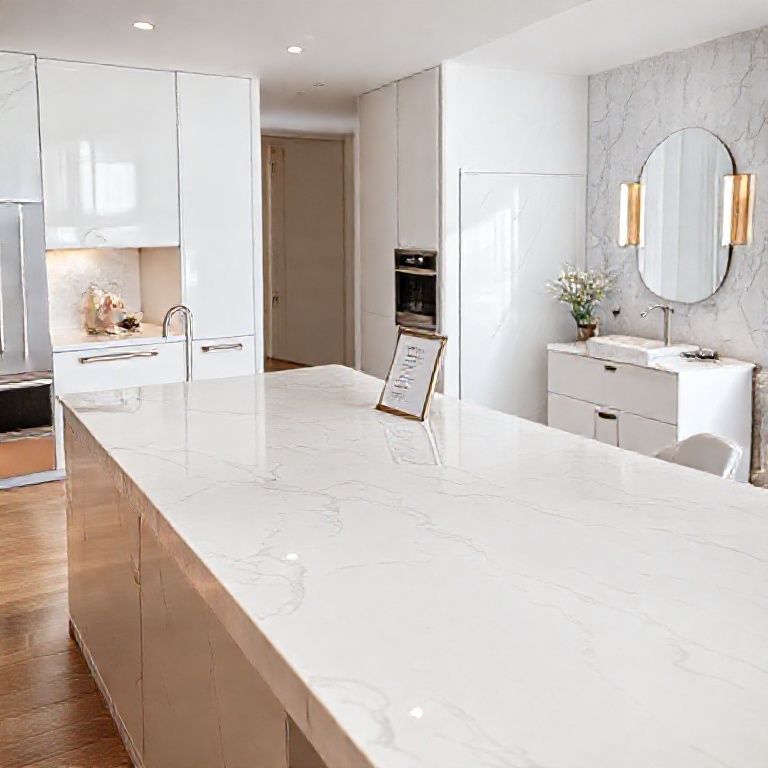
Engineered marble is a composite material that combines a layer of real marble with a core made of resin or other synthetic substances. This hybrid approach allows manufacturers to create marble slabs with consistent colors, patterns, and finishes, which are then bonded together to form a solid surface. Engineered marble is available in various forms, including countertops, tiles, and flooring, offering flexibility and versatility for numerous design applications.
The Cost Factor: Engineered vs. Natural Marble
One of the primary reasons people consider engineered marble is its affordability. On average, engineered marble is significantly cheaper than natural marble. The price difference can vary widely based on the specific type of marble, the quality of the materials used, and the desired aesthetic. Typically, engineered marble ranges from $15 to $30 per square foot, compared to natural marble, which can easily exceed $100 per square foot.
Key Cost Components
Materials: The primary cost difference stems from the materials used. Natural marble is a natural stone, which inherently comes with a higher cost due to its extraction and processing. Engineered marble, however, utilizes a combination of natural marble and synthetic resin, which reduces the overall cost.
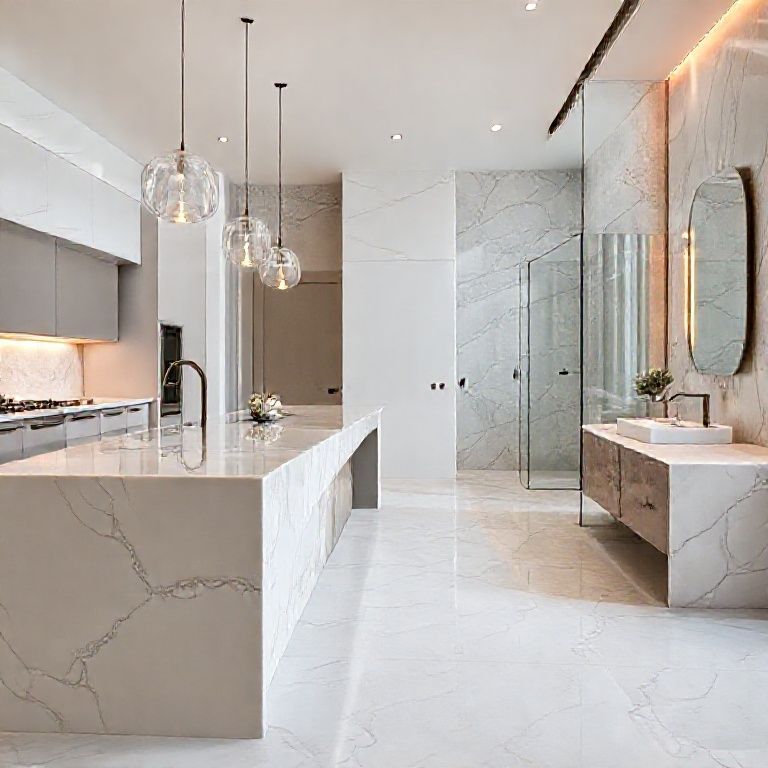
Manufacturing Process: The production process for engineered marble involves layering and bonding, which is less labor-intensive than the quarrying and polishing processes for natural marble. This streamlined manufacturing process contributes to the lower cost of engineered marble.
Design Flexibility: Engineered marble offers more design flexibility, allowing manufacturers to create a wide array of colors, patterns, and finishes. This flexibility can further reduce costs compared to custom-cut natural marble pieces.
Benefits of Engineered Marble
While the cost savings are a major attraction, engineered marble also offers several other benefits that make it an appealing choice for many homeowners and businesses.
Durability and Maintenance
Engineered marble is known for its durability. The resin core provides added strength, making it more resistant to scratches and chips compared to some natural marble types. While engineered marble is not indestructible, its composite nature makes it a more practical choice for high-traffic areas like kitchens and dining rooms.
Maintaining engineered marble is also relatively straightforward. It’s typically resistant to staining and can be cleaned with common household cleaners. While it’s important to avoid harsh chemicals that could damage the surface, regular cleaning with a soft cloth and mild soap usually suffices.
Aesthetic Appeal
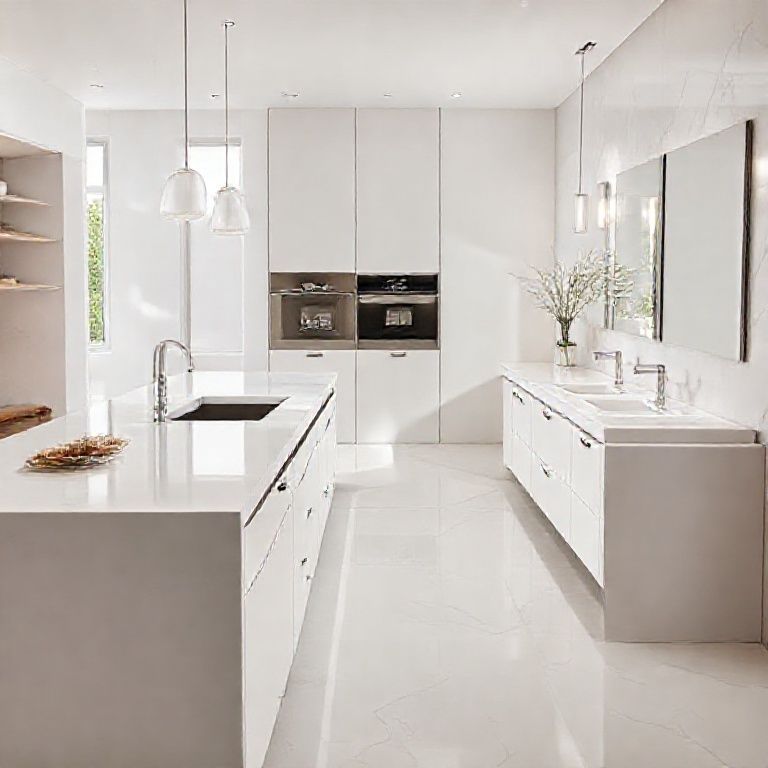
One of the most compelling reasons to choose engineered marble is its aesthetic appeal. High-quality engineered marble can mimic the look of natural marble to a remarkable degree. With advancements in technology, many engineered marble products offer intricate patterns and finishes that are nearly indistinguishable from their natural counterparts.
Versatility
Engineered marble’s versatility makes it suitable for various applications. Whether you’re looking to install marble countertops, backsplashes, or flooring, engineered marble provides a range of options to suit different styles and budgets. Additionally, its ability to be fabricated in custom shapes and sizes makes it an excellent choice for unique design requirements.
Considerations for Choosing Engineered Marble
While engineered marble offers many advantages, it’s essential to consider a few factors before making a decision.
Installation and Compatibility
One of the primary considerations is how engineered marble will be installed. While it’s relatively easy to install, it’s important to choose a reputable manufacturer and installer to ensure the best results. Engineered marble is not always compatible with all types of fixtures and cabinetry, so consulting with a professional can help avoid potential issues.
Long-Term Durability
Although engineered marble is durable, its long-term durability compared to natural marble can vary. The lifespan of engineered marble largely depends on the quality of the materials used and the installation process. High-quality engineered marble products can last many years with proper maintenance, but it’s essential to understand the product specifications and warranty offered by the manufacturer.
Environmental Impact
The environmental impact of engineered marble is another consideration. While it’s often perceived as a more sustainable alternative to natural marble, the production process still involves synthetic materials. Researching the specific manufacturing practices and sourcing of materials can provide more insight into the environmental footprint of engineered marble products.
Is Engineered Marble Affordable? Weighing the Pros and Cons
As we continue our exploration of engineered marble, it’s important to weigh its advantages and potential drawbacks to determine whether it’s truly an affordable and practical choice for your next renovation project.
The Aesthetic and Functional Versatility
Engineered marble’s versatility is one of its standout features. It can be customized to fit a wide range of design styles, from modern minimalist to traditional elegant. The ability to create unique patterns and colors means that engineered marble can mimic the look of high-end natural marble without the premium price tag. This versatility makes it an excellent choice for both residential and commercial spaces.
Customization and Design Freedom
One of the significant benefits of engineered marble is the level of customization available. Designers and homeowners can work with manufacturers to create bespoke designs that meet specific aesthetic and functional requirements. Whether you need a unique countertop shape, a custom backsplash, or a distinctive flooring pattern, engineered marble can often be tailored to fit your vision.
Installation and Maintenance
Installation of engineered marble is generally straightforward, making it a practical choice for DIY enthusiasts and professional contractors alike. The material’s relatively low weight and ease of handling simplify the installation process. Additionally, as mentioned earlier, engineered marble is relatively easy to maintain. Regular cleaning with mild soap and water can keep it looking pristine, and its resistance to staining makes it a practical choice for high-traffic areas.
Long-Term Value and Investment
While the initial cost of engineered marble may be lower than natural marble, it’s essential to consider its long-term value and potential return on investment.
Durability and Longevity
High-quality engineered marble products can last many years with proper care and maintenance. The durability of engineered marble can rival that of some natural marble varieties, especially when made with premium materials and installed correctly. This longevity can translate to long-term savings, as you may not need to replace or repair the surface as frequently as cheaper alternatives.
Aesthetic Longevity
The aesthetic appeal of engineered marble can also provide long-term value. While trends in design can shift, the timeless elegance of marble can remain relevant for many years. Investing in high-quality engineered marble with a durable finish ensures that your investment retains its beauty and value over time.
Potential Drawbacks
While engineered marble offers many advantages, it’s important to consider some potential drawbacks before making a decision.
Heat Resistance
One of the common concerns with engineered marble is its heat resistance. While engineered marble is generally more heat-resistant than some other materials, it’s still not as durable against extreme heat as natural marble. Hot pots and pans should be placed on trivets or hot pads to avoid damaging the surface.
Water and Chemical Resistance
Although engineered marble is resistant to staining and many household cleaners, it’s not impervious to all chemicals. Strong acids, bleaches, and other harsh chemicals should be avoided to prevent damage to the surface. Additionally, while engineered marble is resistant to water, excessive moisture can cause some types of resin to swell, leading to potential warping or damage.
Warranty and Guarantees
When considering engineered marble, it’s essential to review the warranty and guarantees offered by the manufacturer. High-quality products often come with warranties that cover manufacturing defects, performance issues, and aesthetic guarantees. Understanding these warranties can provide peace of mind and ensure that you’re protected against potential issues.
Making the Informed Decision
By weighing the pros and cons, understanding the installation and maintenance requirements, and considering long-term value, you can make an informed decision about whether engineered marble is the right choice for your renovation project.
Budget Considerations
When deciding on the budget for your project, consider both the upfront cost and the long-term benefits of engineered marble. While the initial investment may be lower than natural marble, the durability and aesthetic longevity can provide substantial savings over time.
Design Goals
Align your choice of engineered marble with your design goals and lifestyle needs. If you’re looking for a material that offers both beauty and practicality, engineered marble can often provide the perfect balance.
Professional Advice
Consulting with professionals who specialize in marble installation and design can provide valuable insights and help you make an informed decision. They can offer guidance on selecting the right product, installation techniques, and maintenance tips to ensure the best results.
Conclusion
Engineered marble offers a compelling combination of affordability, durability, and aesthetic appeal, making it a practical choice for many renovation projects. While there are some considerations to keep in mind, the总结和深化对比,最终做出选择。
总结与对比
自然大理石 vs. 人造大理石
成本 自然大理石:价格较高,价格差异因品种、纯度、开采地点等因素而异。 人造大理石:通常价格较低,适合预算有限的项目。 美观性 自然大理石:独特的天然纹理和色彩,具有无法复制的艺术价值。 人造大理石:可以模仿自然大理石的外观,但在细节上可能不如自然大理石那么真实。
耐用性 自然大理石:虽然美观,但相对较脆,容易受到划痕和压痕。 人造大理石:一般更耐用,尤其是那些高品质的工程大理石。 维护 自然大理石:需要定期保养,使用酸性清洁剂会损害其表面。 人造大理石:相对容易清洁和维护,耐污性强。
最终选择
在决定是否使用人造大理石时,需要综合考虑预算、设计需求、耐用性和维护要求等因素。
预算有限 如果预算有限,人造大理石无疑是一个更经济的选择。它提供了接近自然大理石的外观,同时更为实惠。
设计需求 如果项目设计需要独特的自然纹理和色彩,自然大理石可能是更好的选择。但如果设计上可以接受一些细微的差异,人造大理石也能提供极好的效果。
耐用性和维护 如果项目位于高人流量区域,或者你不想花费时间和精力在日常维护上,人造大理石的耐用性和易于维护的特点会使它成为更实用的选择。
实际应用案例
厨房台面 人造大理石因其耐污、易清洁的特点,在厨房台面中广泛使用。高品质的人造大理石可以模仿天然大理石的外观,同时具备更好的耐用性。
浴室装饰 由于人造大理石不易吸收水分,因此在浴室装饰中也非常受欢迎。它不仅美观,还不易发霉和变色。
商业空间 在酒店、餐厅和办公室等商业空间,人造大理石因其耐用性和多样化的设计选择,成为了主要材料之一。
结论
人造大理石在多个方面展示了其与自然大理石相媲美的优势,特别是在经济性、耐用性和维护便利性上有明显的优势。因此,对于大多数现代装修和建筑项目,人造大理石是一个极具吸引力的选择。但是,对于特别追求自然美感和高端质感的项目,自然大理石依然是首选。
希望这些信息能帮助你做出更明智的选择。如果有进一步的问题或需要更详细的建议,请随时告知。