Understanding Artificial Marble and Its Common Imperfections
Artificial marble, also known as engineered stone, has revolutionized the world of interior design and construction due to its durability, versatility, and relatively lower cost compared to natural stone. However, like any material, it is not immune to imperfections. One of the most frequently encountered issues is the presence of black spots. Let’s delve into what these spots are, why they appear, and whether they are an inherent part of the material.
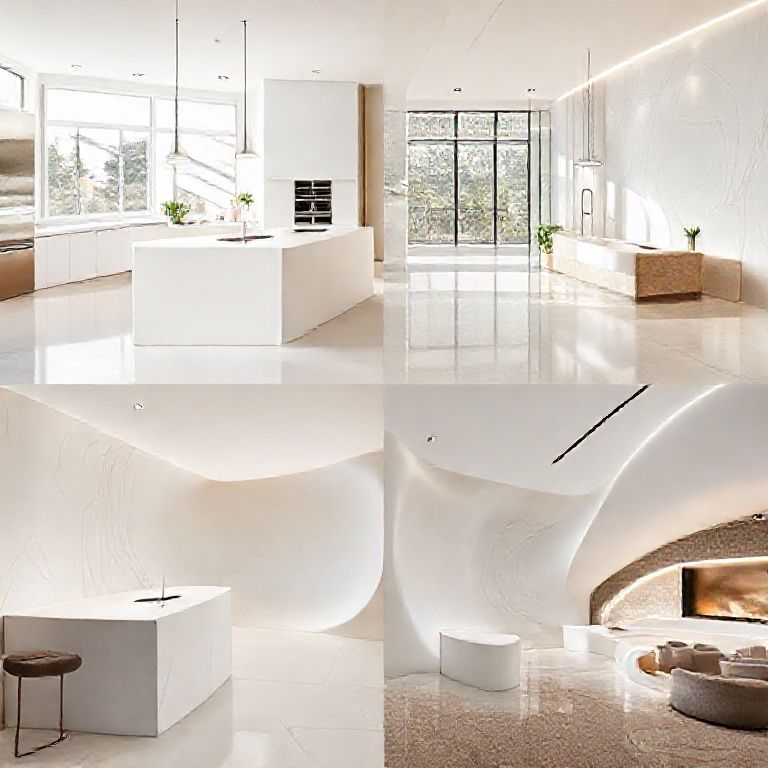
What is Artificial Marble?
Artificial marble, or engineered stone, is a composite material made from natural stone powder and resin. This combination produces a surface that closely mimics the appearance of traditional marble while offering superior resistance to scratches, stains, and thermal damage. Unlike natural marble, which is a sedimentary rock, artificial marble is crafted in a factory setting, allowing for more precise control over its composition and appearance.
The Science Behind Black Spots
Black spots in artificial marble can appear due to several factors:
1. Impurities in Raw Materials
One primary reason for black spots is the presence of impurities in the raw materials used to manufacture the stone. During the production process, small particles of minerals or impurities can become trapped within the resin matrix. These particles, when exposed to light, can appear as black spots.
2. Manufacturing Defects
Manufacturing processes are inherently complex and, despite rigorous quality control, minor defects can occur. These defects can manifest as black spots if the resin matrix is not perfectly uniform or if the mixing process does not fully integrate the stone powders and resin.

3. Additives and Pigments
Some formulations of artificial marble include additives and pigments to achieve specific colors and textures. If these additives are not evenly distributed or if there are inconsistencies in their application, black spots may result.
Is It Normal?
To determine whether black spots in artificial marble are normal, it’s crucial to understand the context of the material’s quality standards.
1. Quality Standards and Certifications
High-quality artificial marble is often certified by industry standards, which include rigorous testing for various parameters such as strength, durability, and appearance. Certified products typically have minimal imperfections, and any visible spots are usually within acceptable limits.

2. Manufacturer Specifications
Manufacturers provide detailed specifications for their products, which include information on the expected quality and any potential minor imperfections. Reputable manufacturers will clearly state the likelihood and nature of black spots, helping consumers make informed decisions.
3. Comparative Analysis with Natural Marble
While natural marble can also have imperfections such as veins and inclusions, artificial marble is designed to mimic these features while minimizing defects. The key difference lies in the control over production processes, which allows for a higher degree of consistency in artificial marble.
Common Misconceptions
There are several misconceptions regarding black spots in artificial marble:
1. Confusion with Stains
One common misconception is that black spots are the result of staining. However, unlike stains, which are surface-level discolorations caused by liquids or chemicals, black spots are inherent to the material’s composition and structure.

2. Indicators of Poor Quality
Some may believe that the presence of black spots indicates poor quality. However, in many cases, these spots are part of the material’s natural variability and do not necessarily reflect a defect in the product.
Best Practices for Consumers
When selecting artificial marble, consumers should consider the following best practices:
1. Evaluate Samples
Request samples from manufacturers to evaluate the quality and uniformity of the material. This allows for a firsthand assessment of the appearance and potential imperfections.
2. Review Manufacturer’s Warranty
Check the manufacturer’s warranty for information on acceptable imperfections and any guarantees regarding the product’s appearance.
3. Inspect Installation
During installation, closely inspect the artificial marble for any visible spots or imperfections. If significant imperfections are present, it may be worth seeking another supplier.
Distinguishing Between Normal Spots and Defective Material
Having established a foundational understanding of artificial marble and its potential imperfections, it is essential to distinguish between normal spots and defects that may indicate a problem with the material or its installation. This distinction is crucial for both consumers and professionals in the industry.
Identifying Normal Imperfections
When evaluating artificial marble, it is important to differentiate between normal imperfections and defects that may require attention or replacement. Here are some key points to consider:
1. Minor vs. Major Imperfections
Minor imperfections such as small black spots are often within the acceptable range for high-quality artificial marble. These spots are typically isolated and do not significantly impact the overall appearance or functionality of the material.
2. Uniformity and Distribution
Normal imperfections are usually evenly distributed and do not cluster in specific areas. If black spots are concentrated in one section of the stone, it may indicate a manufacturing defect rather than a normal variation.
3. Consistency Across Samples
Comparing multiple samples from the same batch can help determine whether the presence of black spots is consistent. If all samples exhibit similar imperfections, it is likely that these spots are a normal characteristic of the material.
Recognizing Defective Material
While minor imperfections are often normal, certain indicators may suggest that the material is defective. Here are some signs to look for:
1. Clustered Spots
If black spots are clustered in one area, it may indicate an issue with the manufacturing process or the quality of the raw materials used.
2. Large or Irregular Spots
Large or irregularly shaped black spots are more likely to be indicative of a defect. These spots may be caused by inconsistencies in the resin matrix or improper mixing of the stone powder and resin.
3. Surface Irregularities
Defective artificial marble may exhibit surface irregularities such as uneven textures or cracks. These defects can compromise the material’s durability and aesthetic appeal.
Expert Evaluation
For a definitive assessment, it is often beneficial to consult with experts in the field of stone materials. Professionals can provide a thorough evaluation of the material’s quality and identify any defects that may not be immediately apparent.
1. Professional Inspection
Hiring a qualified inspector can provide valuable insights into the condition of the artificial marble. Inspectors are trained to recognize subtle imperfections and can offer recommendations for addressing any issues.
2. Consulting with Manufacturers
Reaching out to the manufacturer for clarification on the nature of the black spots can be helpful. Manufacturers can provide detailed information on their production processes and quality control measures, helping to determine whether the spots are normal or indicative of a defect.
Maintenance and Care
Proper maintenance and care can help prolong the lifespan of artificial marble and minimize the appearance of imperfections over time.
1. Regular Cleaning
Maintaining a clean surface is essential for preserving the appearance of artificial marble. Use a soft cloth and mild cleaning solution to avoid scratching the surface and exacerbating any existing imperfections.
2. Avoiding Harsh Chemicals
Avoid using harsh chemicals or abrasive cleaners on artificial marble, as these can cause discoloration and damage the surface. Always follow the manufacturer’s cleaning recommendations.
3. Protective Measures
Implementing protective measures such as using coasters and placemats can help prevent staining and minor scratches, which can sometimes highlight imperfections in the material.
Conclusion
In conclusion, black spots in artificial marble can be a normal part of the material’s composition, especially in high-quality products. Understanding the science behind these spots and distinguishing between normal imperfections and defects is essential for making informed decisions about the material’s suitability for your needs. By evaluating samples, consulting with experts, and following proper maintenance practices, you can ensure that your artificial marble remains a durable and aesthetically pleasing choice for your interior design and construction projects.
This two-part article has provided an in-depth exploration of black spots in artificial marble, offering valuable insights for homeowners, professionals, and anyone interested in understanding this common material’s intricacies. Whether you are considering artificial marble for a new project or seeking to maintain an existing installation, this comprehensive guide aims to empower you with the knowledge needed to make informed choices.