The Composition and Myths Surrounding Natural Marble Radiation
Natural marble has long been admired for its stunning beauty and timeless elegance. Often used in high-end interiors and architectural designs, its allure is undeniable. However, amidst its beauty lies a question that has sparked curiosity and concern: Does natural marble have radiation, and if so, what are the potential health risks?
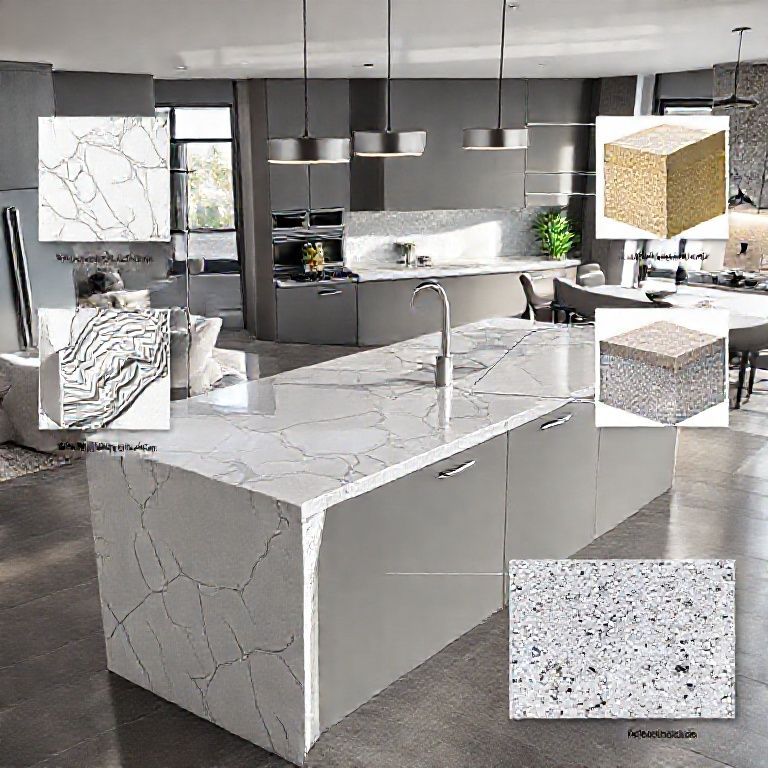
The Nature of Natural Marble
Natural marble is a metamorphic rock formed from limestone through the process of recrystallization due to the pressure and heat from tectonic movements. This process results in a stone with a unique, veined appearance that can range from pure white to deep, rich colors. Marble is composed mainly of calcium carbonate (CaCO3) and contains various minerals, including trace amounts of naturally occurring radioactive materials like uranium, thorium, and potassium.
Myth-Busting: Radiation in Marble
One of the biggest misconceptions surrounding natural marble is that it inherently emits dangerous levels of radiation. To address this, it’s important to understand the fundamental principles of radioactivity and how it relates to natural stone.
Natural Radioactivity: All forms of natural stone, including marble, granite, and slate, contain trace amounts of radioactive elements. These elements are part of the Earth’s natural geological processes. However, the concentrations in marble are typically very low and do not pose significant health risks.
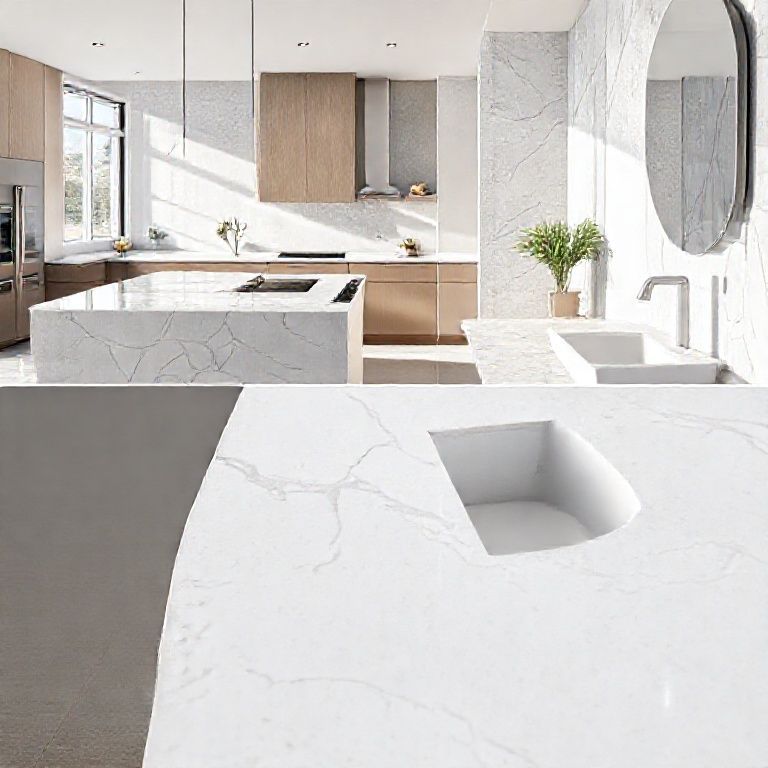
Radiation Levels: Studies have shown that the radiation emitted from marble is negligible when compared to natural background radiation that we are exposed to daily from the environment, such as cosmic rays, soil, and even building materials. The United States Geological Survey (USGS) and other scientific organizations have conducted extensive research on the radioactivity in building materials, confirming that natural marble’s radiation levels are within safe limits.
Comparative Safety: For context, granite, another popular natural stone, has higher concentrations of radioactive materials than marble. Yet, granite is still considered safe for use in residential and commercial spaces. This comparison highlights that while marble does contain trace elements of radiation, it is not more hazardous than other widely used natural materials.
Health Considerations
Understanding the potential health risks associated with natural marble involves delving into how radiation interacts with the human body.
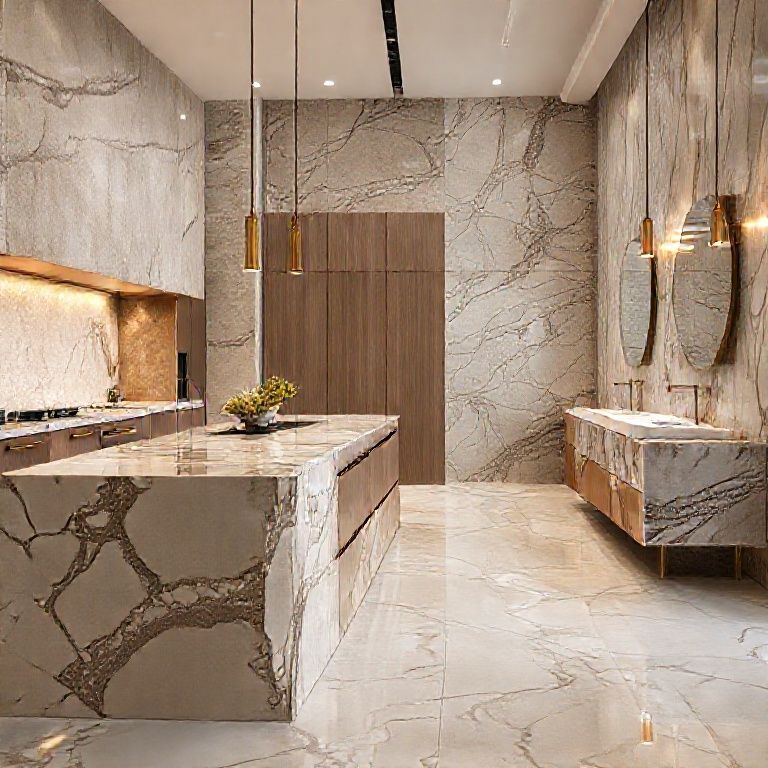
Internal vs. External Exposure: Radioactive materials in marble are bound within the stone’s structure. This means they are not easily released into the environment or absorbed by the human body through normal use. The primary concern with radioactive materials is internal exposure, which can occur through ingestion or inhalation of radioactive particles. Since marble is used in decorative and structural applications rather than consumable products, this risk is minimal.
Regulatory Standards: The production and use of natural stone, including marble, are regulated by various health and safety standards. Organizations like the Environmental Protection Agency (EPA) and the Occupational Safety and Health Administration (OSHA) set guidelines to ensure that materials used in construction and interior design do not pose undue health risks to workers and consumers.
Benefits of Natural Marble: Beyond its aesthetic appeal, natural marble offers several benefits. It is a durable, low-maintenance material that enhances the beauty and elegance of any space. When installed and maintained properly, it provides a luxurious touch without compromising safety.
Conclusion of Part 1
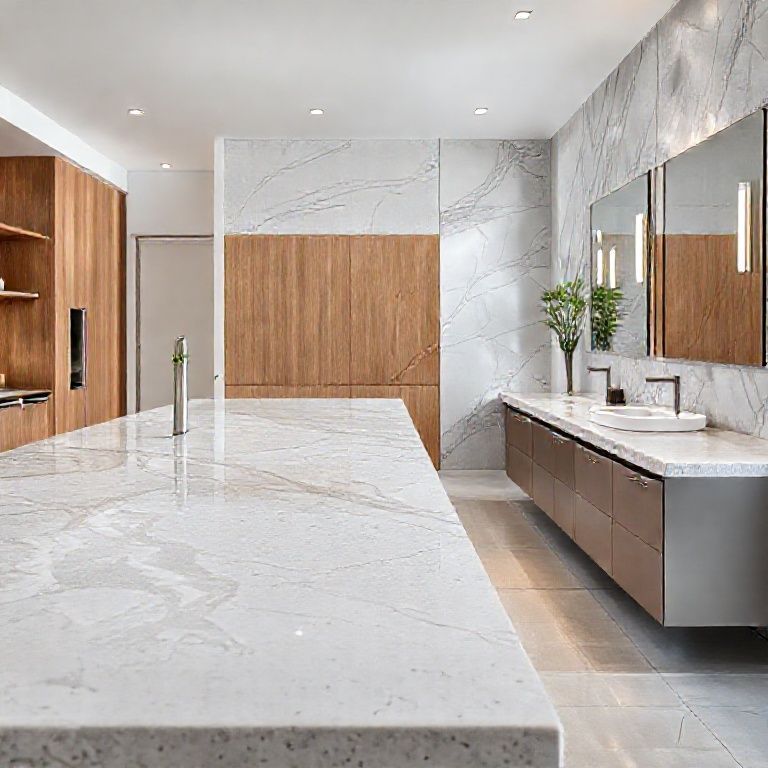
In summary, the notion that natural marble has dangerous radiation levels is largely a myth. Scientific research and regulatory standards confirm that the radiation emitted from natural marble is within safe limits and does not pose significant health risks. Understanding the composition and properties of marble helps dispel misconceptions and highlights its safe use in various applications.
Stay tuned for part 2, where we will explore further into the practical aspects of using natural marble, including maintenance tips and how to ensure its safe use in your home or business.
Practical Insights and Safe Use of Natural Marble
Having addressed the myths and scientific facts about natural marble’s radiation, let’s dive deeper into the practical aspects of using this exquisite natural material. Understanding how to properly maintain and utilize natural marble will ensure its longevity and safety in your home or business.
Maintenance Tips for Natural Marble
Avoid Abrasive Cleaners: Natural marble is a beautiful stone, but it is also relatively soft compared to other natural stones. Using abrasive cleaners or scrubbers can scratch the surface, diminishing its beauty and durability. Opt for gentle, non-abrasive cleaners specifically designed for marble.
Regular Cleaning: Regular cleaning is essential to keep marble surfaces looking their best. Use a soft cloth and a mild, pH-neutral cleaner to wipe down the surface daily. For tougher spots, a marble-safe cleaner with a soft brush can be effective.
Immediate Stain Treatment: Marble is susceptible to stains from spills and daily use. It is crucial to clean up spills immediately and treat any stains promptly. Use a specialized marble cleaner or a solution of vinegar and water to remove minor stains.
Sealing: Over time, marble can lose its natural shine and become dull. Sealing the surface with a high-quality marble sealant can protect it from stains and restore its shine. Follow the manufacturer’s instructions for application and reseal as recommended.
Avoid Extreme Heat: While marble is durable, it can be damaged by extreme heat. Avoid placing hot pots, pans, or other heated items directly on marble surfaces. Use trivets or heat-resistant pads to protect the stone.
Safety in Use
Installation by Professionals: For optimal safety and longevity, it is advisable to have natural marble installed by professionals. Experienced installers understand the nuances of working with marble and can ensure that it is laid correctly to avoid issues like uneven surfaces and potential tripping hazards.
Proper Ventilation: When working with marble, especially if it involves cutting or polishing, ensure proper ventilation to avoid inhaling any dust or particles. Use a dust mask and work in a well-ventilated area.
Protective Gear: For those involved in the cutting, shaping, or installation of marble, wearing protective gear such as gloves and safety glasses is recommended to prevent skin irritation and eye injuries.
Design and Aesthetic Appeal
Versatile Applications: Natural marble is incredibly versatile and can be used in various settings, from kitchens and bathrooms to offices and commercial spaces. Its timeless elegance enhances the beauty of any environment.
Customization: Marble can be customized in terms of size, shape, and color. This flexibility allows designers to create unique and personalized designs that fit the aesthetic of any space.
Combining with Other Materials: Marble can be combined with other materials like wood, metal, and glass to create stunning, multifaceted designs. This versatility allows for endless creative possibilities in interior and exterior design.
Conclusion of Part 2
In conclusion, natural marble is a beautiful, durable, and safe material when used and maintained correctly. By understanding its properties, following proper maintenance and safety protocols, and leveraging its versatility in design, you can enjoy the timeless elegance of natural marble without concerns about radiation or health risks.
Natural marble remains a popular choice for those seeking a luxurious and enduring material that enhances the beauty and value of any space. Whether for residential or commercial projects, the key is to approach its use with knowledge and care, ensuring both its aesthetic appeal and safety.
Thank you for joining us on this exploration of natural marble. If you have any questions or need further information, feel free to reach out. Stay safe and enjoy the beauty of natural marble in your space!