Introduction to Synthetic Marble
In the realm of interior design and home decor, marble has long been a symbol of luxury and elegance. Its timeless beauty and intricate patterns have made it a favorite for countertops, flooring, and various decorative elements. However, the natural variety of marble is often expensive and can be inconsistent in quality. Enter synthetic marble—a modern marvel that has revolutionized the way we perceive this traditional material.
What is Synthetic Marble?
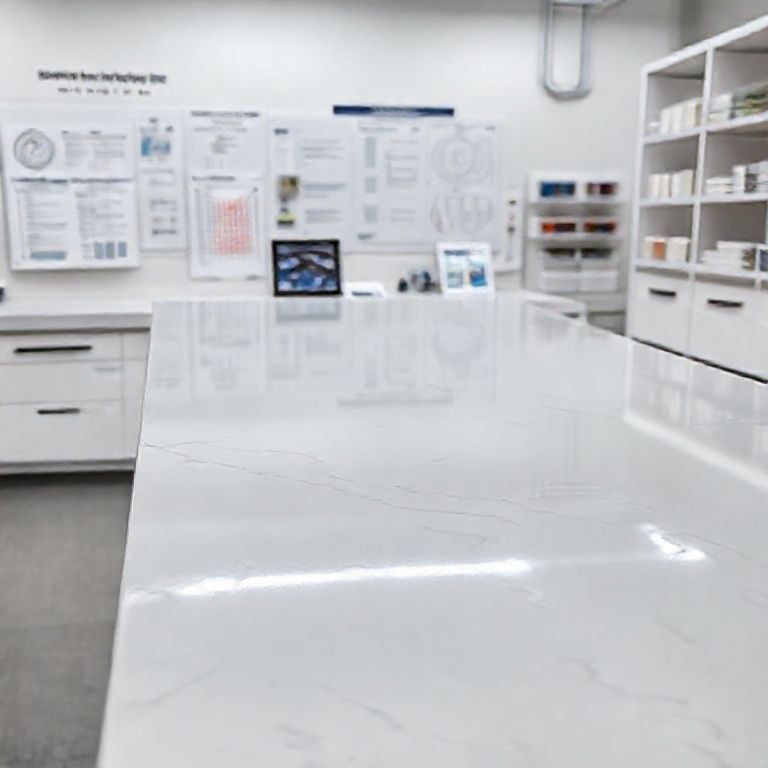
Synthetic marble, often referred to as artificial stone, is a composite material made from natural stone powders, bonding agents, and colorants. It is crafted in a lab environment where these components are fused together under high pressure and temperature to create a durable, homogeneous material. This process results in a product that closely mimics the appearance and texture of natural marble, while offering superior consistency and durability.
The Science Behind Synthetic Marble
The creation of synthetic marble is an art form grounded in science. Manufacturers start by selecting high-quality stone powders, typically composed of materials like quartz, calcite, and feldspar. These powders are mixed with a polymer resin or other binding agents to form a paste. This mixture is then placed in a mold and subjected to high pressure and temperature, a process that mimics the natural geological processes that form real marble over millions of years.
The result is a material that is not only visually stunning but also remarkably resistant to scratches, stains, and thermal shock—qualities that often make natural marble a less reliable choice for high-traffic areas.
Benefits of Synthetic Marble
Cost-Effective: One of the most significant advantages of synthetic marble is its cost-effectiveness. Since it doesn’t require the same mining and transportation expenses as natural marble, it offers a more affordable option without compromising on aesthetics.
Consistency and Quality: Unlike natural marble, which can vary significantly from one piece to another, synthetic marble offers uniform quality and appearance. Each piece is manufactured to exact specifications, ensuring that no two slabs are identical in the way natural marble can be.
Durability: Synthetic marble is highly resistant to scratches, stains, and thermal shock. This makes it an excellent choice for areas where durability is paramount, such as countertops and kitchen surfaces.
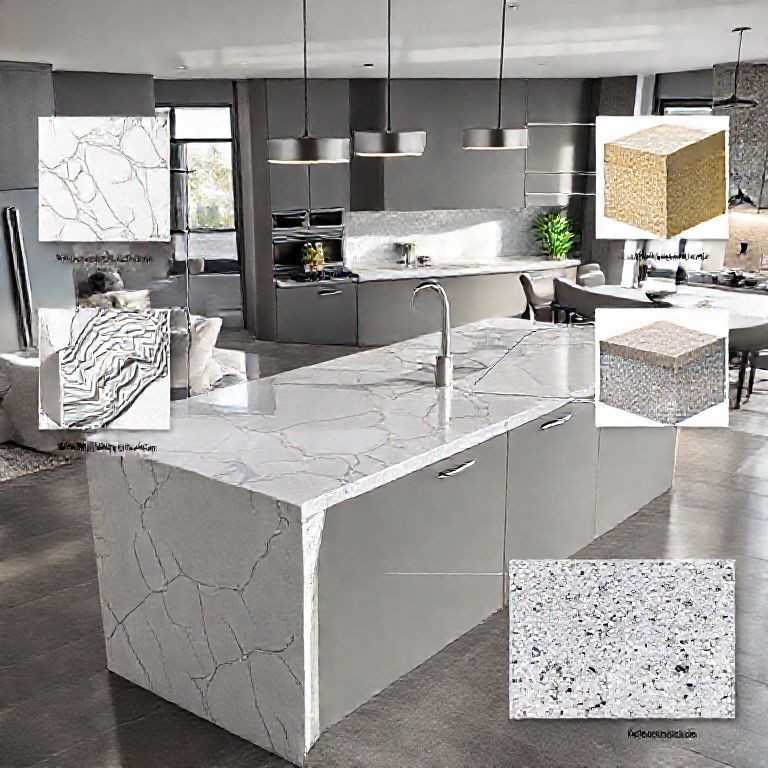
Customization: The ability to customize colors, patterns, and textures provides designers and homeowners with unparalleled flexibility. Whether you desire a deep, rich black or a vibrant, multi-colored design, synthetic marble can be tailored to fit your vision.
Sustainability: The production of synthetic marble often requires fewer natural resources compared to mining for natural marble. Additionally, it does not involve the environmental impact associated with quarrying and transporting natural stone.
Addressing Misconceptions
There is a common misconception that synthetic marble cannot replicate the true essence of natural marble. While it is true that natural marble possesses a unique character that comes from its natural formation process, synthetic marble has come a long way in closing this gap. High-quality synthetic marble can mimic the intricate patterns and subtle variations of natural marble to an impressive degree.
Is Synthetic Marble Worth It?
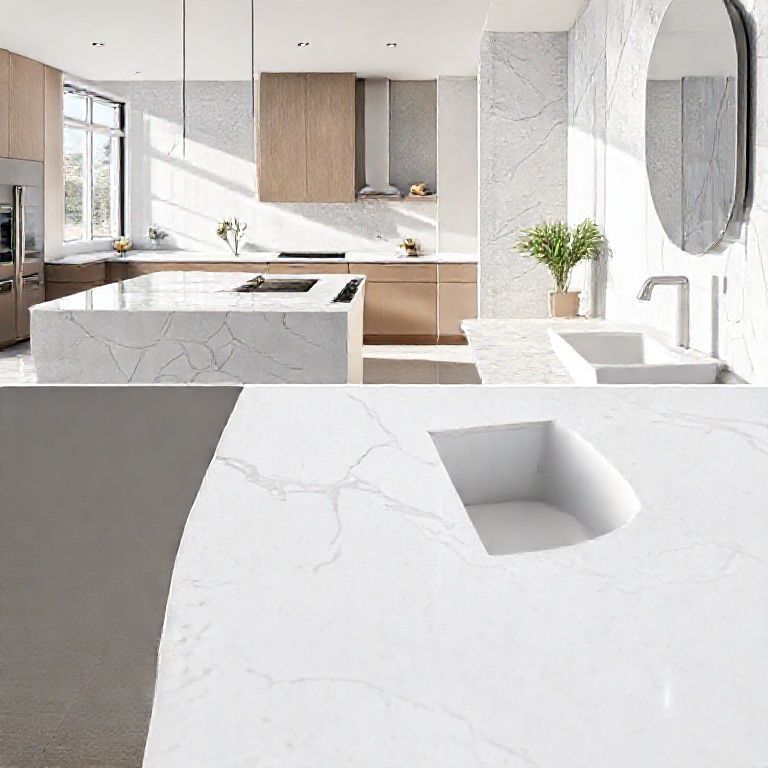
For many, the decision to choose synthetic marble over natural marble hinges on a balance between cost, durability, and aesthetics. While natural marble undoubtedly has an irreplaceable charm, synthetic marble offers a compelling alternative that meets the needs of modern living.
Conclusion to Part 1
In summary, synthetic marble represents a significant advancement in the world of materials for interior design. Its combination of cost-effectiveness, durability, and aesthetic versatility makes it a compelling choice for those looking to enhance their home decor without breaking the bank. As we delve deeper into the topic in the next part, we will explore more about the practical applications and the future of synthetic marble in greater detail.
Practical Applications and Future Trends
Exploring Practical Applications
Countertops and Kitchens
One of the most popular uses for synthetic marble is in countertops and kitchen surfaces. Unlike natural marble, which can be prone to staining and damage, synthetic marble offers a durable and low-maintenance alternative. Its resistance to scratches, stains, and thermal shock makes it an ideal choice for high-traffic areas where durability is essential. Additionally, its customizable nature allows for unique designs that can complement any kitchen style, from rustic to modern.
Bathrooms
Synthetic marble is also increasingly being used in bathrooms. It provides a luxurious look without the maintenance issues often associated with natural stone. The material’s resistance to moisture and chemicals makes it perfect for sinks, vanities, and shower surrounds. Its ability to mimic the natural beauty of marble while offering superior water resistance means that bathrooms can achieve a high-end look with minimal upkeep.
Flooring
While natural stone is traditionally used for flooring, synthetic marble offers a practical alternative. Its durability and resistance to impact make it suitable for high-traffic areas. Furthermore, its aesthetic versatility allows for designs that can mimic traditional stone flooring, providing a stylish and low-maintenance flooring option.
Walls and Architectural Features
Beyond countertops and flooring, synthetic marble is increasingly being used in wall cladding and architectural features. Its ability to be molded into various shapes and forms makes it an excellent choice for unique interior design elements, such as custom columns, arches, and decorative panels. This flexibility allows architects and designers to push the boundaries of traditional design.
The Role of Technology in Synthetic Marble
Advancements in technology have played a crucial role in the development of synthetic marble. Innovations in manufacturing processes have allowed for greater control over the material’s properties, resulting in products that closely mimic natural marble. Techniques such as digital printing and advanced bonding agents have further enhanced the visual and functional qualities of synthetic marble.
Future Trends
Sustainability
As environmental concerns continue to grow, the future of synthetic marble looks promising in terms of sustainability. The material’s production typically requires fewer natural resources and generates less waste compared to traditional stone quarrying. Additionally, advancements in recycling and sustainable manufacturing processes are likely to further reduce its environmental impact.
Customization
The future of synthetic marble is likely to see even greater levels of customization. With the integration of advanced materials science and digital design tools, manufacturers will be able to offer an even wider range of colors, patterns, and textures. This will provide designers and homeowners with even more options to create unique and personalized designs.
Performance Enhancements
Ongoing research and development in synthetic marble technology are focused on enhancing its performance characteristics. This includes improving scratch resistance, thermal shock resistance, and overall durability. As these enhancements become more prevalent, synthetic marble will continue to offer even greater value to consumers.
Competitive Pricing
The competitive pricing of synthetic marble is likely to remain a significant advantage. As production techniques continue to improve and scale up, the cost of synthetic marble is expected to decrease further. This will make it an even more attractive option for a broader range of applications.
Conclusion to Part 2
In conclusion, synthetic marble is not just a substitute for natural marble but a material that has evolved to meet the demands of modern living with style and sustainability in mind. Its practical applications in countertops, kitchens, bathrooms, flooring, and architectural features showcase its versatility and enduring appeal. As technology continues to advance, the future of synthetic marble looks bright, promising even greater customization, performance, and environmental benefits. Whether you’re a designer, a homeowner, or simply an admirer of fine materials, synthetic marble offers a compelling alternative that can transform your space with elegance and ease.