Is There Radiation in Artificial Marble? Unveiling the Facts
Artificial marble, often lauded for its elegance and durability, has become a popular choice for those seeking a luxurious yet cost-effective alternative to traditional stone. This modern material is crafted from a combination of resins, pigments, and minerals, making it an appealing option for countertops, tabletops, and various decorative elements. However, one question that often arises is: “Is there radiation in artificial marble?” This article aims to provide clarity and address any concerns related to radiation and the safety of using artificial marble.
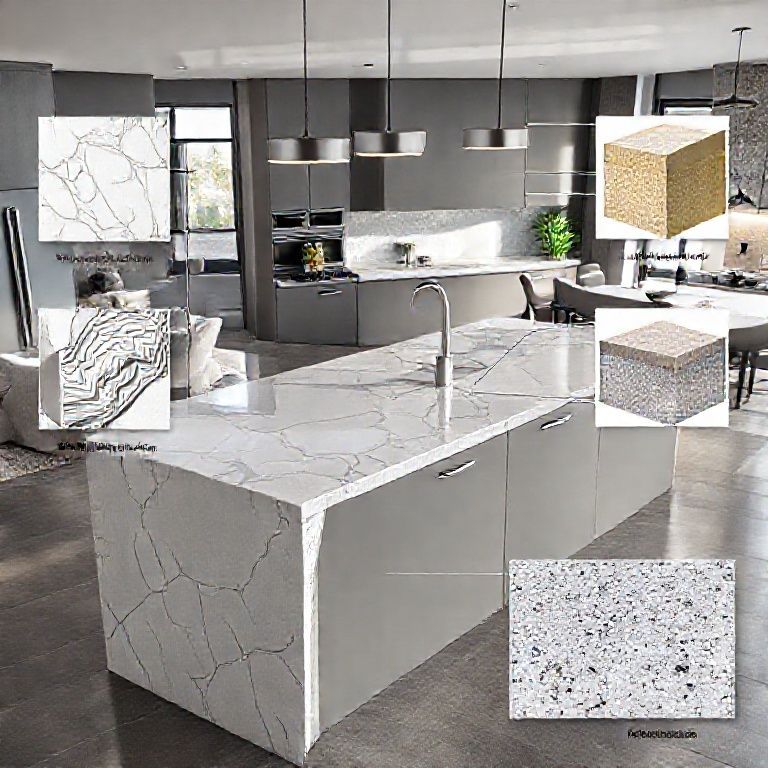
Understanding Artificial Marble
Artificial marble, also known as quartz composite, is a synthetic stone created by combining quartz particles with a resin binder. The result is a material that closely mimics the appearance and texture of natural marble while offering superior durability and resistance to stains and scratches. Unlike natural stone, which is a finite resource, artificial marble is sustainable and can be produced in virtually any color or design.
Radiation: A Misunderstood Concern
To understand whether there is radiation in artificial marble, it is essential to differentiate between natural and artificial materials. Natural stone, such as granite and marble, can sometimes contain small amounts of naturally occurring radioactive materials (NORM). However, the levels of radiation emitted from these stones are typically minimal and pose no significant health risk when used in building and construction.
On the other hand, artificial marble is a manufactured product, and its production process does not involve the same natural elements that can contribute to NORM. The primary components of artificial marble—quartz, resins, and pigments—are carefully selected and processed to ensure safety. Importantly, the manufacturing process does not introduce additional radioactive materials that could lead to radiation concerns.
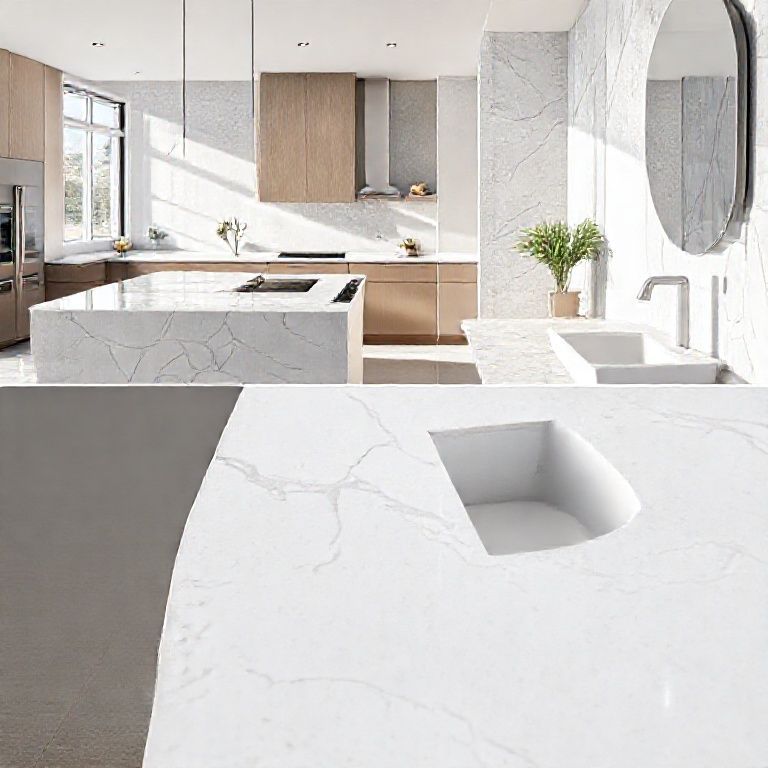
Safety and Certification
The safety of artificial marble is further supported by various certifications and standards that govern its production. Manufacturers often adhere to stringent guidelines to ensure that their products meet safety requirements for indoor air quality and emissions. Independent testing and certification from reputable organizations can provide additional assurance regarding the safety and environmental impact of artificial marble.
For instance, the American National Standards Institute (ANSI) and the American Society for Testing and Materials (ASTM) have established standards for the production of composite materials, including artificial marble. Compliance with these standards helps ensure that the materials used are safe for indoor environments.
Comparing Artificial Marble to Natural Stone
When comparing artificial marble to natural stone, it is important to consider the potential risks associated with both. While natural stone can contain trace amounts of radioactive materials, the levels are generally low and not a significant health concern for most applications. However, natural stone is subject to weathering and degradation over time, making it less durable than artificial marble.
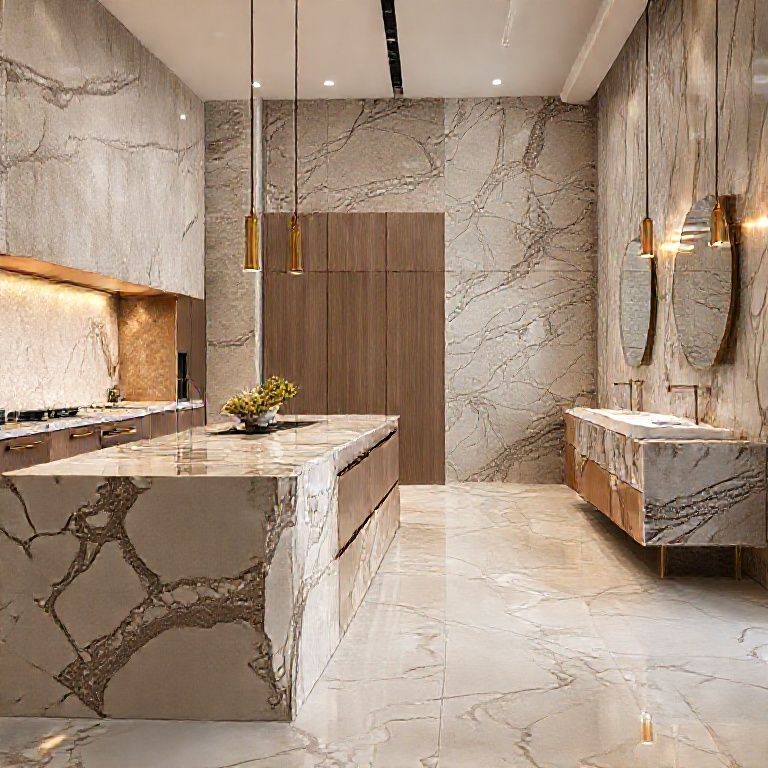
In contrast, artificial marble offers a consistent, long-lasting alternative that does not degrade or weather. Its resistance to stains, scratches, and high temperatures makes it an excellent choice for high-traffic areas and kitchens where durability is paramount.
Environmental Impact and Sustainability
Another key aspect to consider is the environmental impact of both natural and artificial materials. Natural stone mining and quarrying can have significant ecological consequences, including habitat destruction and water usage. In contrast, the production of artificial marble, while still an industrial process, can be more sustainable when managed responsibly.
Many manufacturers of artificial marble are focusing on reducing the environmental footprint of their products by using recycled materials and minimizing waste. Additionally, the longevity of artificial marble means that fewer replacements are needed over time, further reducing its environmental impact.
Conclusion
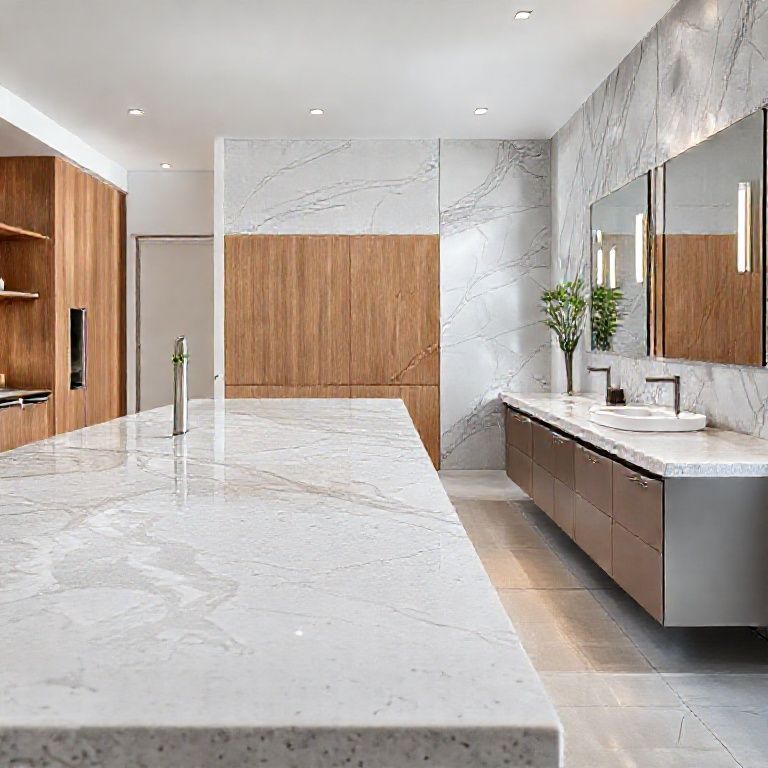
In conclusion, the question of whether there is radiation in artificial marble can be confidently answered by examining the materials and processes involved in its production. Artificial marble is a carefully crafted composite material that does not introduce additional radioactive elements, ensuring that it is a safe option for indoor use.
By understanding the differences between artificial marble and natural stone, and considering the safety certifications and sustainability practices of manufacturers, consumers can make informed decisions about the best materials for their home decor and architectural projects. Artificial marble stands out as a durable, beautiful, and environmentally responsible choice that continues to gain popularity in modern design.
Exploring the Safety and Benefits of Artificial Marble
Continuing the Discussion: Is There Radiation in Artificial Marble?
Having established that artificial marble does not introduce radiation into indoor environments, it is time to delve deeper into the myriad benefits and safety aspects of this versatile material. This second part of the article will explore the environmental advantages, maintenance ease, and overall safety of using artificial marble in various applications.
Environmental Advantages
One of the significant advantages of artificial marble is its sustainability. Unlike natural stone, which requires extensive mining and quarrying, artificial marble can be produced using recycled materials. This practice not only reduces the environmental footprint but also supports the circular economy by reusing waste materials.
Moreover, the production of artificial marble typically involves less water and energy compared to the extraction and processing of natural stone. By choosing artificial marble, consumers can contribute to reducing the ecological impact associated with traditional stone mining.
Durability and Longevity
Artificial marble is renowned for its exceptional durability. The combination of quartz particles and resin binder creates a material that is highly resistant to scratches, stains, and chips. This durability ensures that artificial marble maintains its appearance and functionality for many years, reducing the need for frequent replacements.
In contrast, natural stone can be more susceptible to damage from everyday use and environmental factors. For instance, granite and marble can develop scratches and stains over time, requiring costly repairs or replacement.
Ease of Maintenance
Another significant benefit of artificial marble is its ease of maintenance. Unlike natural stone, which can be prone to water spots, etching, and bacterial growth, artificial marble does not absorb liquids and is easy to clean. A simple wipe-down with a mild cleaner is usually sufficient to keep artificial marble surfaces looking pristine.
This ease of maintenance makes artificial marble an ideal choice for high-traffic areas such as kitchens and bathrooms, where cleanliness and hygiene are paramount. The reduced maintenance requirements also translate to lower long-term costs, as there is less need for professional cleaning and repairs.
Customization and Design Flexibility
Artificial marble offers unparalleled customization and design flexibility. Manufacturers can create a wide range of colors, patterns, and textures, allowing for virtually limitless design possibilities. This flexibility enables architects and designers to bring their most creative visions to life without the limitations imposed by natural stone.
From sleek, modern countertops to intricate mosaic designs, artificial marble can be tailored to meet specific aesthetic and functional requirements. This versatility makes it an attractive option for both residential and commercial projects.
Health and Safety Considerations
The health and safety of users are paramount when selecting building materials. Artificial marble has been rigorously tested and certified to ensure it meets stringent safety standards. The materials used in its production are carefully selected to minimize any potential health risks.
For instance, the resins and pigments used in artificial marble are typically free from harmful chemicals and volatile organic compounds (VOCs). This ensures that indoor air quality remains high, providing a healthier environment for occupants.
Comparative Safety of Natural Stone
While artificial marble is a safe and durable material, it is also important to consider the safety of natural stone. As previously mentioned, natural stone can contain trace amounts of naturally occurring radioactive materials (NORM). However, the levels of radiation emitted from natural stone are generally low and do not pose a significant health risk for most applications.
It is worth noting that the safety of natural stone can depend on factors such as the specific type of stone, its origin, and the level of processing. For instance, certain types of granite may contain higher levels of NORM compared to others.
Ensuring Safety in Construction
To ensure the safety of both artificial marble and natural stone in construction, it is crucial to follow best practices and guidelines. This includes selecting high-quality materials from reputable suppliers, adhering to proper installation techniques, and conducting regular inspections to identify and address any potential issues.
Additionally, manufacturers of artificial marble often provide detailed information about the safety and certification of their products, which can help consumers make informed decisions.
Conclusion
In conclusion, artificial marble is a safe, durable, and sustainable alternative to natural stone that offers numerous benefits for modern construction and home decor. By understanding the materials and processes involved in its production, consumers can confidently choose artificial marble for their projects without concerns about radiation or other health risks.
The environmental advantages, ease of maintenance, and design flexibility of artificial marble make it a compelling choice for those looking to create beautiful, long-lasting spaces. Whether for kitchen countertops, bathroom vanities, or decorative elements, artificial marble stands out as a versatile and responsible option that continues to gain popularity in the world of interior design.
By considering both the environmental impact and the practical benefits of artificial marble, consumers can make informed decisions that support both their aesthetic goals and their commitment to sustainability.