Marble Renovation and Restoration: A Comprehensive Guide to the Process and Key Considerations
In the realm of luxury flooring and interior design, marble stands out as one of the most prestigious materials. Its timeless elegance and natural beauty make it a favored choice for high-end properties. However, marble’s natural beauty also requires meticulous care and regular maintenance to maintain its pristine condition. When marble begins to show signs of wear and tear, such as scratches, stains, or discoloration, marble renovation and restoration become essential. This comprehensive guide will walk you through the entire process of marble renovation and restoration, highlighting the steps involved and the key considerations to ensure a flawless finish.

Understanding Marble Renovation and Restoration
Marble Renovation involves the process of cleaning, repairing, and restoring marble surfaces to their original beauty. This can include addressing minor scratches, stains, and even surface wear. Renovation aims to revitalize the marble without altering its original characteristics.
Marble Restoration, on the other hand, is a more intensive process that may involve extensive repairs, resurfacing, and sometimes even the replacement of damaged sections. Restoration seeks to bring marble back to its former glory, often involving more significant interventions.
The Marble Renovation Process
1. Assessment and Planning
The first step in any marble renovation or restoration project is a thorough assessment. This involves:

Inspection: Carefully inspect the marble surface to identify the extent of damage, stains, and wear. Document the condition with photographs. Analysis: Determine the type of marble and its current condition. This helps in choosing the appropriate cleaning and restoration techniques. Planning: Develop a detailed renovation plan that outlines the steps, materials needed, and expected outcomes. Consult with professionals if necessary.
2. Cleaning
Cleaning is crucial to remove dirt, grime, and surface stains before any renovation process begins.
Pre-cleaning: Use a soft cloth to remove loose dirt and debris. Surface Cleaning: Employ a pH-neutral cleaner suitable for marble. Test on a small, inconspicuous area first to ensure it doesn’t damage the surface. Deep Cleaning: For heavy stains, consider using a marble cleaner that penetrates deeper to break down the stains without harming the marble.
3. Repair
Depending on the extent of damage, repairs may be required.
Minor Repairs: Small scratches or minor chips can often be polished out using specialized marble polishes. Major Repairs: For significant damage, professional restoration techniques such as epoxy filling or stone grafting might be necessary. These methods involve filling in damaged areas with a substance that matches the marble’s natural color and texture.
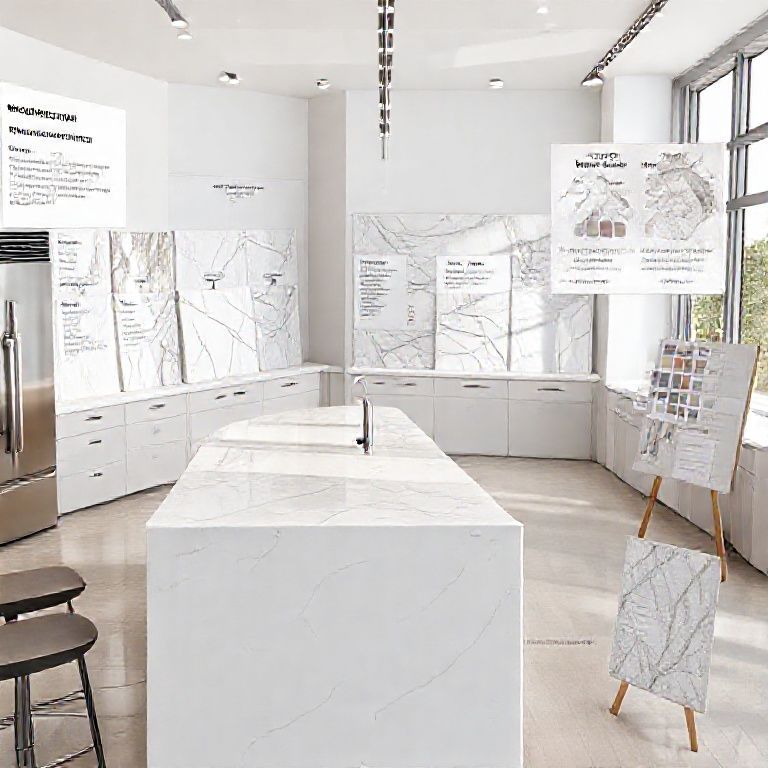
4. Polishing and Resurfacing
Polishing and resurfacing are essential to restore the marble’s shine and texture.
Polishing: Use a marble polish that suits the type of marble and the extent of wear. Polishing should be done in the direction of the grain to avoid streaks. Resurfacing: For heavily worn surfaces, resurfacing might be required. This involves removing a thin layer of the marble and replacing it with a new layer to restore the original texture and appearance.
5. Sealing
Sealing is the final step to protect the marble from future damage.
Sealants: Choose a high-quality marble sealant that provides a protective barrier against stains, spills, and scratches. Application: Apply the sealant evenly using a clean cloth, following the manufacturer’s instructions. Allow it to cure as directed.
Key Considerations in Marble Renovation
When undertaking a marble renovation project, several key considerations can help ensure the best possible outcome.

1. Choosing the Right Professionals
The expertise of professionals can make a significant difference in the quality of the restoration. Look for:
Experience: Choose professionals with extensive experience in marble renovation and restoration. References: Check references and previous work to gauge the quality of their services. Certifications: Ensure that the professionals are certified by recognized organizations in the field.
2. Quality of Materials
Using high-quality materials is crucial for the success of the renovation.
Cleaners and Polishes: Select pH-neutral, marble-specific cleaning products. Repair Materials: Use high-quality epoxy and matching stone for repairs. Sealants: Opt for reputable sealants that offer long-lasting protection.
3. Proper Techniques
The right techniques are essential to avoid further damage.
Polishing Techniques: Follow the direction of the marble grain to avoid streaks. Repair Techniques: Ensure that repairs blend seamlessly with the surrounding marble.
4. Maintenance
Proper maintenance after renovation is key to prolonging the results.
Regular Cleaning: Use pH-neutral cleaners to maintain the marble’s cleanliness. Immediate Stain Treatment: Act quickly to treat stains and spills to prevent them from setting in. Periodic Sealing: Reapply sealants as recommended to maintain protection.
Marble Renovation and Restoration: A Comprehensive Guide to the Process and Key Considerations
Continuing our detailed exploration of marble renovation and restoration, this second part delves deeper into advanced techniques, additional considerations, and the importance of proper maintenance to ensure the longevity and beauty of your marble surfaces.
Advanced Techniques in Marble Restoration
1. Laser Cleaning
Laser cleaning is an advanced method used to remove stains and discolorations from marble surfaces.
Precision: Lasers can target specific areas without affecting the surrounding marble, ensuring precise cleaning. Efficiency: This method is highly efficient, especially for intricate designs and detailed patterns. Safety: It minimizes the risk of mechanical damage compared to traditional cleaning methods.
2. Chemical Etching
Chemical etching is used to restore the original texture and shine of marble.
Process: A chemical solution is applied to the marble, etching away a thin layer to reveal the natural texture beneath. Results: This process brings out the marble’s natural beauty and enhances its shine. Caution: It requires careful application to avoid over-etching, which can damage the marble.
3. Stone Grafting
Stone grafting is a sophisticated technique used for repairing large cracks or damaged areas.
Materials: The damaged section is replaced with a matching piece of marble. Procedure: The graft is precisely cut and fitted into the damaged area, then bonded using a high-quality epoxy. Finish: The graft is polished to blend seamlessly with the surrounding marble.
Additional Considerations in Marble Renovation
1. Environmental Factors
Environmental factors can significantly impact the condition of marble.
Humidity: High humidity can cause marble to absorb moisture, leading to stains and discoloration. Temperature: Extreme temperatures can cause thermal shock, leading to cracks and damage. Pollution: Air pollution can leave residues on marble surfaces, requiring regular cleaning.
2. Usage Patterns
The way marble is used can influence its longevity and require specific maintenance.
High-Traffic Areas: Areas with high foot traffic may require more frequent cleaning and sealing. Kitchens and Bathrooms: These areas are prone to moisture and spills, necessitating special care. Dining Areas: Regular cleaning and maintenance are essential to keep marble dining tables looking pristine.
3. Preventive Measures
Implementing preventive measures can help avoid the need for extensive restoration work.
Protective Coatings: Apply protective coatings to prevent scratches and stains. Furniture Pads: Use furniture pads to protect marble surfaces from scratches. Spill Management: Act quickly to clean up spills and stains to prevent them from setting in.
Importance of Proper Maintenance
Proper maintenance is crucial to ensure the longevity and beauty of marble surfaces.
1. Regular Cleaning
Regular cleaning helps maintain the marble’s appearance and prevents buildup of dirt and grime.
Frequency: Clean marble surfaces at least once a month to keep them in top condition. Products: Use pH-neutral, marble-specific cleaning products to avoid damage.
2. Immediate Stain Treatment
Acting quickly to treat stains and spills can prevent them from setting in and causing long-term damage.
Immediate Action: Clean spills immediately with a damp cloth and a pH-neutral cleaner. Stain Removal: Use specialized marble stain removers for persistent stains.
3. Periodic Sealing
Reapplying sealants periodically helps maintain the protective barrier on marble surfaces.
Frequency: Reapply sealants every 6 to 12 months, depending on the level of usage and exposure. Application: Follow the manufacturer’s instructions for application and curing.
Conclusion
Marble renovation and restoration are essential processes to maintain the beauty and longevity of this elegant material. By understanding the intricacies of the renovation process, choosing the right professionals and materials, employing advanced techniques when necessary, and implementing proper maintenance practices, you can ensure that your marble surfaces remain pristine and stunning for years to come. Whether you are restoring an old marble surface or rejuvenating a new one, these guidelines provide a comprehensive roadmap to achieving flawless results.