Is Meliboard Truly a Form of Particle Board?
In the modern construction and interior design industries, the choice of materials plays a pivotal role in determining the durability, sustainability, and aesthetic appeal of a project. Among the myriad of options available, composite boards have garnered significant attention. One such product that has piqued the interest of many is Meliboard. But is Meliboard truly a form of particle board? To unravel this question, we must first delve into the origins and composition of Meliboard and compare it with the traditional particle board.
The Origins and Evolution of Meliboard
Meliboard is a product that emerged from a blend of innovation and necessity in the wood-based panel market. The concept of composite boards was born out of the need to create a material that not only mimics the strength and aesthetic qualities of natural wood but also surpasses it in various aspects. Meliboard, manufactured by the company of the same name, is a high-density fiberboard (HDF) that combines natural wood fibers with synthetic materials to achieve superior performance.
Material Composition and Technological Advancements
The core of Meliboard lies in its sophisticated manufacturing process. It starts with the collection of wood fibers, which are then mixed with a synthetic resin. This mixture undergoes a series of compression and heating processes to form a dense, homogenous board. The synthetic resin used in Meliboard’s production is a critical component that distinguishes it from conventional particle boards. While particle boards typically use urea-formaldehyde resins, Meliboard utilizes advanced polymers that offer better durability and resistance to environmental factors.
Distinct Features of Meliboard
Meliboard’s distinguishing feature is its high-density structure, which is achieved through meticulous control of the fiber-to-resin ratio and precise application of heat and pressure during production. This results in a product that is not only stronger and more dimensionally stable than traditional particle boards but also remarkably resistant to moisture and warping.
Moreover, Meliboard’s surface is often finished with a veneer or a laminate that provides an array of textures and colors, mimicking natural wood finishes. This versatility makes Meliboard a popular choice in both commercial and residential construction, offering both aesthetic appeal and practical benefits.
Applications and Advantages
Meliboard’s applications are vast and varied. In construction, it is used in the fabrication of furniture, cabinetry, and interior wall panels. Its high density and resistance to moisture make it ideal for environments where conventional particle boards might fail. Furthermore, Meliboard’s eco-friendly profile is a significant advantage. The use of synthetic resins in Meliboard, while different from those used in traditional particle boards, is carefully chosen to minimize environmental impact, ensuring that the material is both sustainable and safe for indoor environments.
Meliboard vs. Conventional Particle Boards
To determine whether Meliboard fits within the category of particle boards, we must compare its characteristics with those of conventional particle boards. Particle boards, also known as chipboards, are made from small wood particles that are glued together under heat and pressure. They are widely used due to their cost-effectiveness and availability. However, their performance is often limited by their susceptibility to moisture and their dimensional stability.
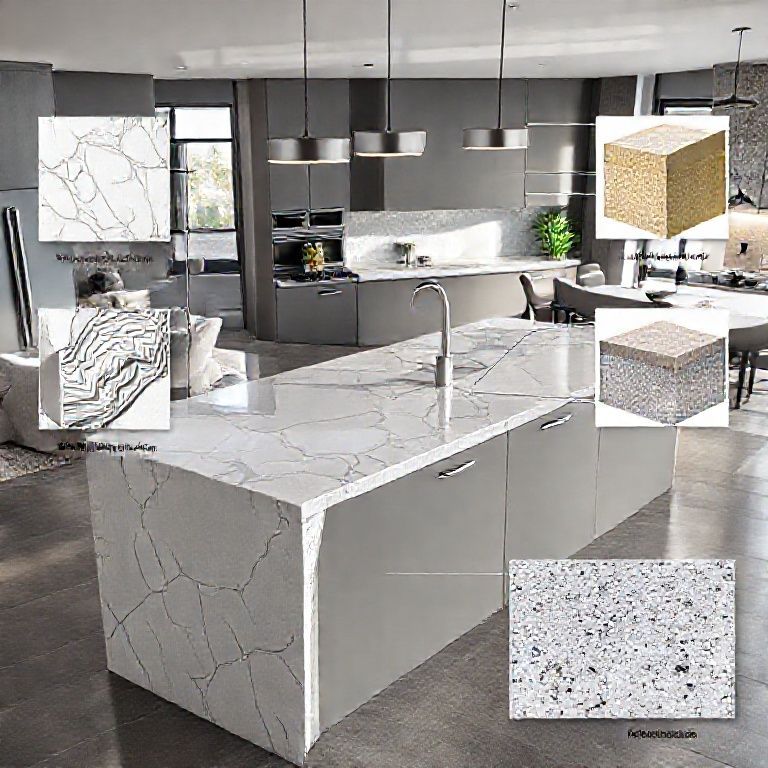
Meliboard, on the other hand, transcends these limitations through its advanced manufacturing process and the use of high-quality resins. While it shares the basic concept of assembling wood fibers into a composite board, Meliboard’s superior density and resistance make it a step above conventional particle boards. It is this distinction that raises the question: Is Meliboard truly a particle board?
Conclusion of Part 1
In conclusion, Meliboard’s sophisticated production process and advanced material composition set it apart from traditional particle boards. While it shares the fundamental concept of combining wood fibers into a composite material, its unique characteristics and superior performance suggest that it is more than just another particle board. In the next part, we will delve deeper into the environmental and sustainability aspects of Meliboard, further exploring why it is considered an innovative material in the world of composite boards.
Is Meliboard Truly a Form of Particle Board?
In the previous segment, we explored the origins, material composition, and technological advancements that define Meliboard. We established that while Meliboard shares the core concept of composite wood panels, its unique characteristics set it apart from conventional particle boards. In this part, we will delve into the environmental impact, sustainability, and broader applications of Meliboard to further clarify its classification.
Environmental Impact and Sustainability
When considering whether Meliboard is a true particle board, it’s essential to examine its environmental footprint and sustainability. Traditional particle boards are often scrutinized for their environmental impact, primarily due to the resins used in their production. Urea-formaldehyde resins, while effective, have been linked to environmental concerns such as the release of volatile organic compounds (VOCs) which can contribute to indoor air pollution.
Meliboard, however, stands out in this regard due to its use of advanced resins. The synthetic resins used in Meliboard’s manufacturing process are chosen for their lower environmental impact. They are formulated to minimize the release of harmful VOCs and are designed to provide superior bonding strength without compromising on ecological safety. This focus on eco-friendly materials ensures that Meliboard not only meets but often exceeds the environmental standards expected of modern construction materials.
Sustainability Practices in Production
The sustainability of Meliboard extends beyond its material composition to its entire production process. Meliboard’s manufacturing facilities are equipped with advanced technologies that optimize energy use and reduce waste. For instance, the recycling of water and materials within the production cycle is a standard practice, ensuring minimal environmental disruption.
Additionally, the raw materials used in Meliboard production are often sourced from sustainably managed forests. This ensures that the material is not only renewable but also supports the health of forest ecosystems. By adhering to strict sustainability protocols, Meliboard demonstrates a commitment to responsible production that benefits both the environment and the industry.
Broader Applications and Future Trends
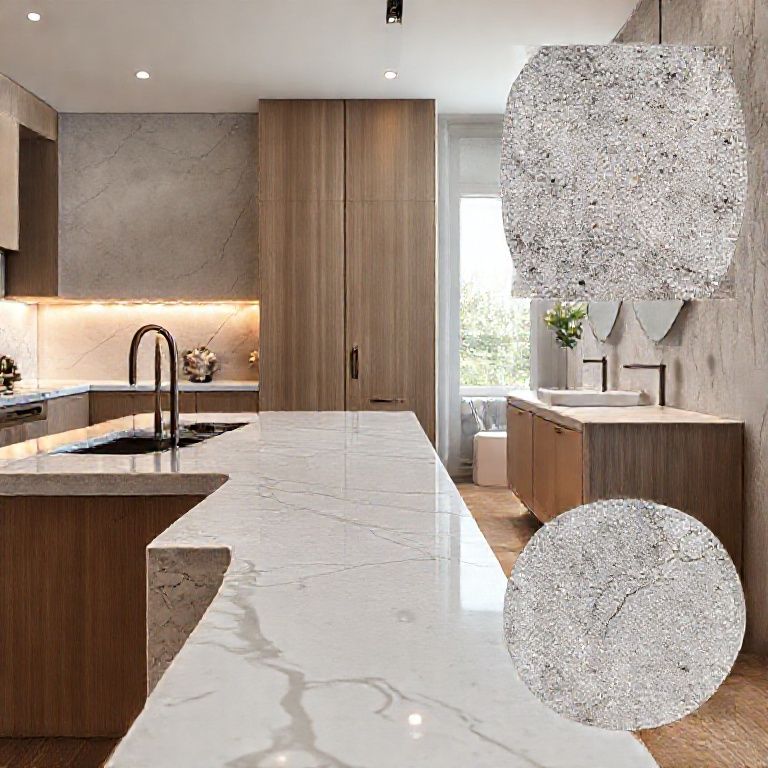
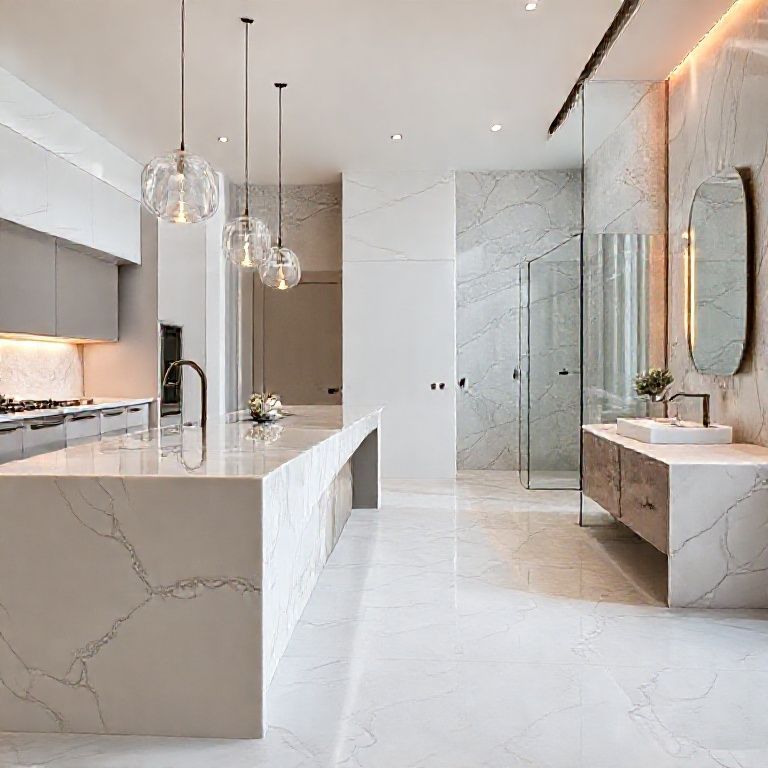
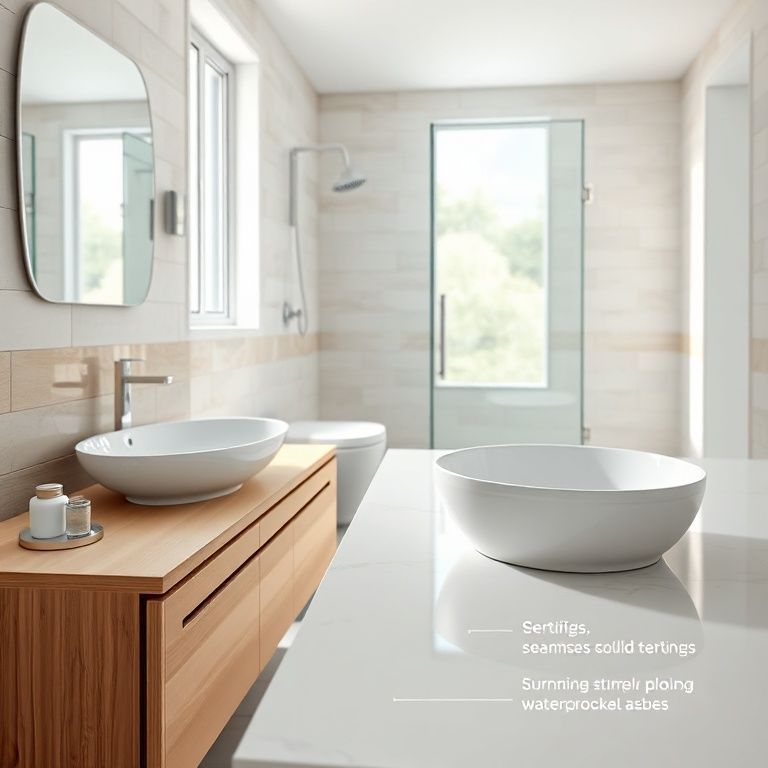
The versatility of Meliboard extends to a wide range of applications beyond traditional particle board uses. In the construction industry, Meliboard is used in the creation of high-end furniture, cabinetry, and interior wall panels. Its resistance to moisture and warping makes it an excellent choice for areas prone to humidity, such as kitchens and bathrooms.
In the realm of interior design, Meliboard’s ability to mimic natural wood finishes while offering superior durability makes it a favorite among designers and architects. The material’s aesthetic versatility allows for the creation of intricate designs and high-quality finishes, pushing the boundaries of what composite boards can achieve.
Innovative Trends in Composite Boards
The future of composite boards like Meliboard is poised for even greater innovation. As the demand for sustainable building materials continues to rise, manufacturers are exploring new ways to enhance the properties of composite boards without sacrificing environmental standards. Innovations such as bio-based resins and advanced fiber treatments are on the horizon, promising even more eco-friendly and high-performance options.
Furthermore, the integration of smart technologies into composite materials is an emerging trend. These advancements could lead to boards that not only offer superior structural and aesthetic qualities but also incorporate features such as built-in sensors and connectivity options for smart home systems.
Meliboard’s Place in the Composite Board Market
Given its advanced composition, superior performance, and sustainability, Meliboard is undoubtedly carving out a unique niche in the composite board market. While it shares the fundamental concept of particle boards, its advanced manufacturing process and material choices position it as a leader in the evolution of composite materials.
Conclusion of Part 2
To conclude, Meliboard’s advanced production techniques, eco-friendly materials, and superior performance characteristics firmly establish it as a material that goes beyond the conventional particle board. While it is rooted in the same idea of creating wood-based composite panels, Meliboard’s unique features, sustainability focus, and broad applications mark it as a pioneering product in the realm of modern construction and interior design materials. As the industry continues to evolve towards more sustainable and advanced solutions, Meliboard stands as a testament to the future of composite boards.
In summary, Meliboard’s sophisticated manufacturing process, advanced material composition, and commitment to sustainability set it apart from traditional particle boards. Whether you’re an industry professional, an architect, or a consumer, understanding Meliboard’s unique qualities can help make more informed decisions about the materials you choose for your projects.