Composition and Initial Concerns
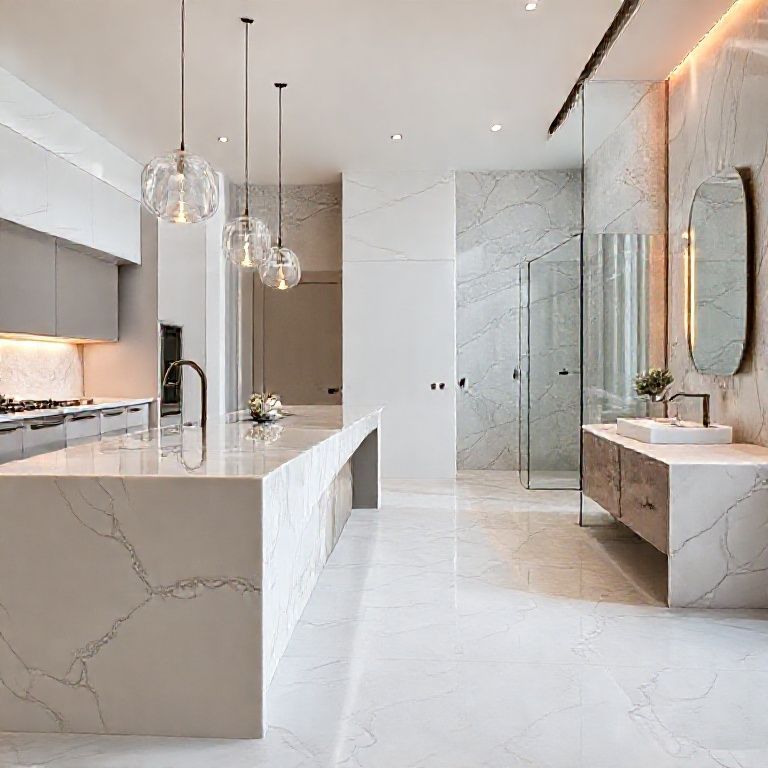
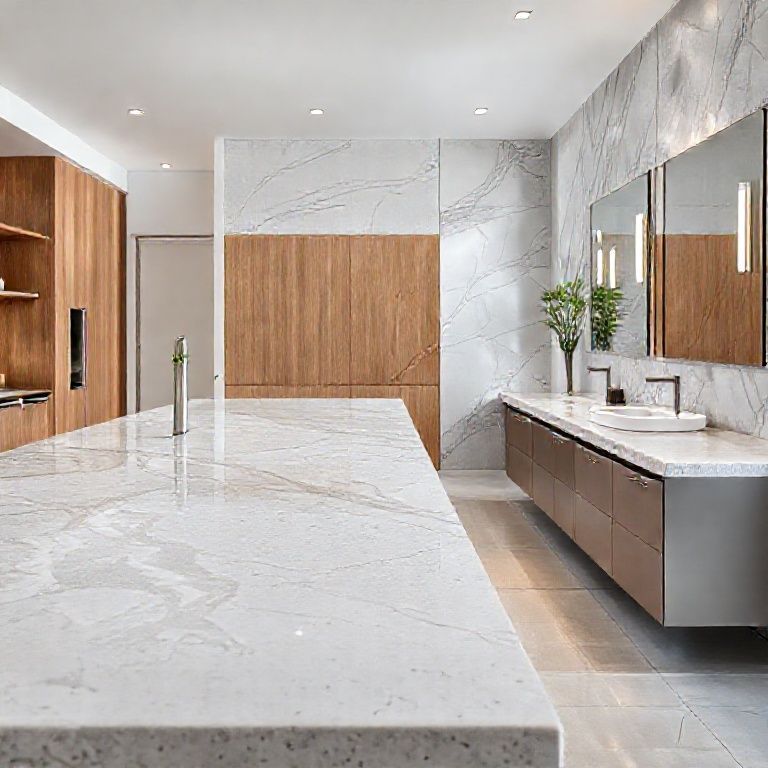
When it comes to synthetic marble, also known as artificial stone, it’s essential to start with its composition. This material is primarily made from a combination of quartz, resin, and pigments. Manufacturers blend these components together under high pressure and temperature to create a stone that closely mimics the appearance and texture of natural marble. While the end product may look and feel like the real thing, it raises several initial concerns regarding its impact on human health.

The Ingredients Behind Synthetic Marble
Quartz: This is the most significant component, comprising up to 95% of synthetic marble. Quartz is a naturally occurring mineral known for its durability and resistance to chemicals, making it an excellent base for artificial stone.
Resin: Epoxy or polyester resins bind the quartz particles together. These resins are synthetic compounds that provide the stone with its structural integrity and flexibility.
Pigments: To replicate the natural hues and patterns of marble, manufacturers add various pigments. These are primarily inorganic colorants that contribute to the visual appeal of the stone.

Potential Health Risks
Volatile Organic Compounds (VOCs): During the manufacturing process, resins and other synthetic materials release volatile organic compounds. VOCs are a group of chemicals that can evaporate at room temperature, and they include substances like formaldehyde, phenols, and ketones. Prolonged exposure to high levels of VOCs can cause various health issues, such as respiratory problems, headaches, and irritation of the eyes, nose, and throat.
Dust and Particles: When cutting, drilling, or sanding synthetic marble, fine dust and particles are released into the air. These particles can be inhaled, posing a risk of respiratory problems, particularly for individuals with pre-existing lung conditions like asthma or chronic obstructive pulmonary disease (COPD).
Allergic Reactions: Although less common, some individuals may experience allergic reactions to the chemicals or pigments used in synthetic marble. Symptoms can range from mild skin irritation to more severe respiratory issues.
Safety Measures and Best Practices
Ventilation: Proper ventilation is crucial when working with synthetic marble. Ensure that the area is well-ventilated to disperse VOCs and reduce the concentration of airborne particles. Use exhaust fans or open windows to maintain air quality.
Personal Protective Equipment (PPE): When cutting, drilling, or sanding synthetic marble, wear appropriate PPE, including masks with HEPA filters, safety glasses, and gloves. This will help protect your respiratory system and skin from harmful particles and chemicals.
Manufacturer Guidelines: Follow the manufacturer’s guidelines for the safe handling and installation of synthetic marble. These guidelines often include specific recommendations for minimizing exposure to VOCs and other potential hazards.

Professional Installation: Whenever possible, hire a professional to install synthetic marble. Professionals are trained in handling and installing this material safely, reducing the risk of exposure to harmful substances.
Comparing Synthetic Marble to Natural Stone
Durability: Synthetic marble is known for its durability and resistance to scratches, stains, and chips. This makes it an excellent choice for high-traffic areas where natural stone might wear out more quickly.
Cost-Effectiveness: In many cases, synthetic marble is more affordable than natural stone. It offers a wide range of colors and patterns at a fraction of the cost of high-end natural marble or granite.
Sustainability: While natural stone is a renewable resource, the extraction process can have significant environmental impacts. Synthetic marble, on the other hand, is produced in a controlled environment, reducing the ecological footprint associated with mining.
Conclusion
Understanding the composition and potential health risks of synthetic marble is crucial for making informed decisions about its use in your home. While synthetic marble offers numerous benefits in terms of durability and cost-effectiveness, it’s essential to take appropriate safety measures to minimize exposure to harmful substances. By following best practices and guidelines, you can enjoy the aesthetic appeal of synthetic marble while safeguarding your health and well-being.
Environmental Impact, Long-Term Effects, and Alternatives
In the previous part, we discussed the composition of synthetic marble, the potential health risks associated with it, and safety measures to mitigate these risks. Now, let’s delve deeper into the environmental impact, long-term effects, and alternatives to synthetic marble to provide a more holistic view.
Environmental Impact
Resource Consumption: The production of synthetic marble involves the use of various raw materials, including quartz, resins, and pigments. While these materials are generally available, the manufacturing process can be resource-intensive. In contrast, natural stone mining often leads to significant environmental degradation, including habitat destruction and increased carbon emissions.
Chemical Usage: The use of resins and other synthetic chemicals in the production of synthetic marble raises concerns about environmental contamination. Proper disposal and recycling of these materials are essential to minimize their impact on ecosystems.
Waste Management: Both synthetic and natural stone production generate waste materials. However, the controlled environment of synthetic marble manufacturing allows for better waste management practices. Recycling and reusing materials can further reduce the environmental footprint.
Long-Term Health Effects
Chronic Exposure: While the immediate risks of synthetic marble are well-documented, chronic exposure to low levels of VOCs and dust particles can lead to long-term health issues. Prolonged exposure to these substances can exacerbate respiratory conditions and potentially lead to chronic illnesses such as asthma, COPD, and other respiratory disorders.
Carcinogenicity: Some studies have suggested that prolonged exposure to certain VOCs, including formaldehyde, may have carcinogenic effects. However, the risk is generally considered low when proper safety measures are in place.
Neurological Effects: Emerging research indicates that long-term exposure to low levels of VOCs may have neurological effects, including cognitive impairment and mood disorders. These effects are still under investigation, but they highlight the importance of minimizing exposure to these chemicals.
Alternatives to Synthetic Marble
Natural Stone: Natural stone, including marble, granite, and quartzite, remains a popular alternative to synthetic marble. While it offers unmatched beauty and durability, natural stone can be expensive and may require more maintenance. Additionally, the environmental impact of mining natural stone can be significant.
Stone Veneer: Stone veneer is a thin layer of natural stone applied to a substrate, such as wood or synthetic material. It offers the aesthetic benefits of natural stone without the high cost and maintenance requirements. However, the quality and longevity of stone veneer can vary depending on the thickness and adhesive used.
Wood and Engineered Stone: Wood and engineered stone, such as Corian or Onduline, are other alternatives to synthetic marble. These materials offer unique aesthetics and durability. However, they may not match the timeless elegance of natural or synthetic marble and can require specific maintenance.
Making an Informed Decision
Health Considerations: When evaluating the health risks associated with synthetic marble, consider the potential for chronic exposure to VOCs and dust particles. Assess the safety measures in place to mitigate these risks and weigh them against the benefits of the material.
Environmental Impact: Evaluate the environmental footprint of synthetic marble versus natural stone. While synthetic marble may have a lower direct environmental impact during production, consider the overall lifecycle of the material, including disposal and recycling.
Aesthetic Preferences: Assess your aesthetic preferences and the specific needs of the space where the material will be used. Synthetic marble offers a wide range of colors and patterns that can closely mimic natural stone, providing flexibility in design.
Budget and Maintenance: Consider the cost and maintenance requirements of synthetic marble versus other alternatives. Synthetic marble is generally more affordable and requires less maintenance than natural stone, making it an attractive option for many homeowners.
Conclusion
In conclusion, synthetic marble offers several advantages in terms of durability, cost-effectiveness, and aesthetic appeal. However, it’s essential to consider the potential health risks, environmental impact, and long-term effects associated with its use. By understanding these factors and implementing appropriate safety measures, you can make an informed decision about whether synthetic marble is the right choice for your home. Whether you opt for synthetic marble or another material, prioritizing health and sustainability will ensure a safe and beautiful living environment.
This comprehensive exploration provides a detailed look at synthetic marble, addressing both its benefits and potential concerns. By breaking down the information into two parts, we aim to offer a thorough and engaging understanding of this popular material.