Is Artificial Marble Radioactive? Understanding Its Composition and Safety Standards
Artificial marble, often known as engineered stone, has become a popular choice for countertops, tabletops, and other decorative surfaces in both residential and commercial spaces. Its appeal lies in its durability, aesthetic versatility, and cost-effectiveness. However, questions about its safety, particularly concerning radioactivity, have sparked considerable interest and concern among consumers and health professionals alike.
What Is Artificial Marble?
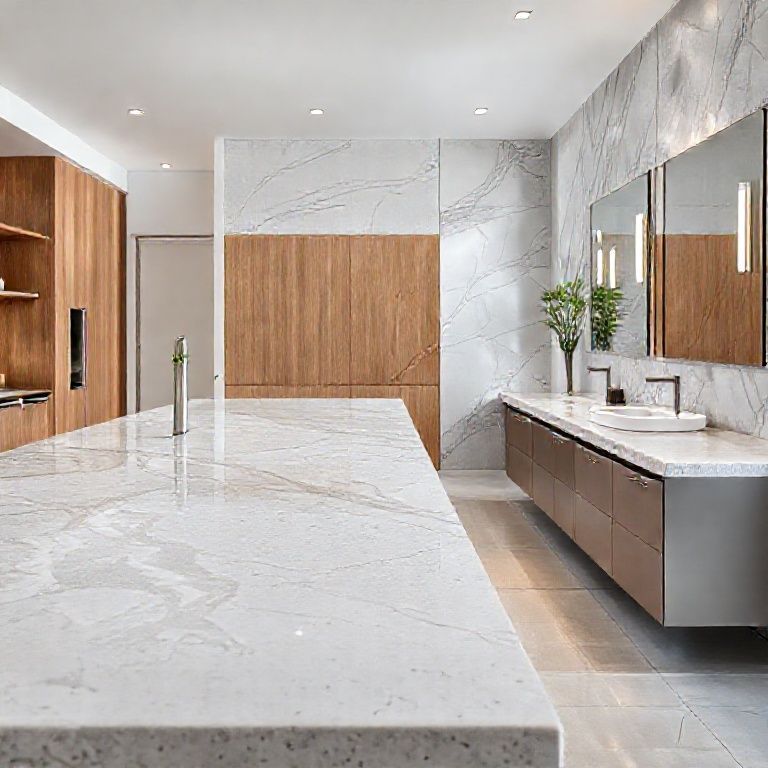
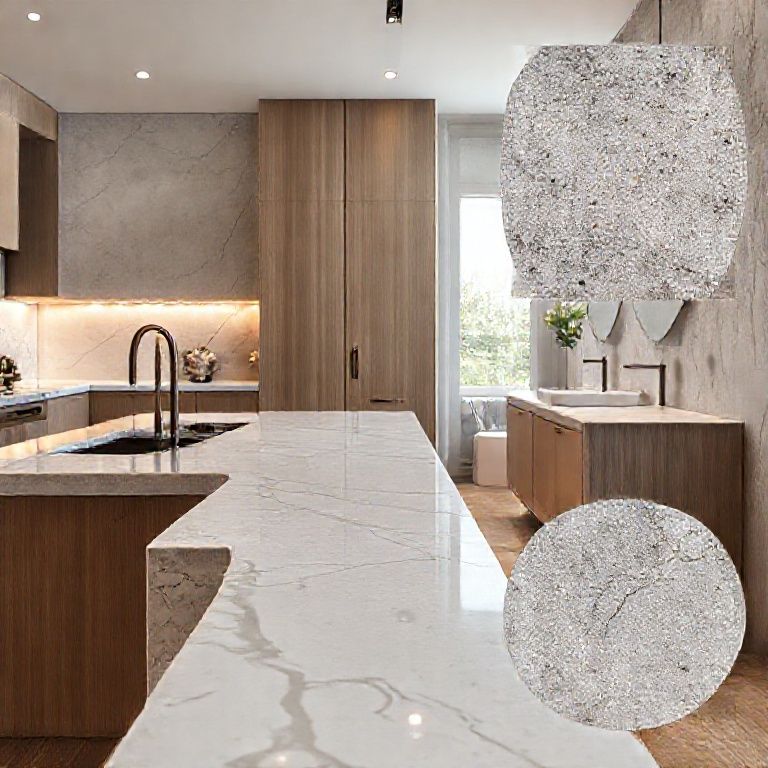
Artificial marble is a composite material made primarily from natural quartz sand, combined with other minerals and polymers. The manufacturing process involves mixing these materials at high temperatures, resulting in a solid, stone-like material that mimics the appearance and feel of traditional marble. This material is not just a visual imitation; it offers the durability and low maintenance of natural stone while being free from the imperfections often found in natural marble.
The Myth of Radioactivity
One of the most prevalent concerns regarding artificial marble is whether it is radioactive. To address this, it’s essential to understand the material’s composition. Artificial marble is primarily made from quartz sand, a naturally occurring mineral composed of silicon dioxide (SiO₂). Quartz is abundant and widely used in various industries, from electronics to construction.
However, the presence of quartz alone does not equate to radioactivity. Naturally occurring quartz is generally not radioactive because it does not contain significant amounts of radioactive elements such as uranium, thorium, or potassium-40, which are responsible for natural radioactivity in minerals. Therefore, the quartz used in artificial marble is not inherently radioactive.
Safety Standards and Certifications
Manufacturers of artificial marble adhere to stringent safety standards to ensure that their products are safe for use. These standards are enforced by various international and national regulatory bodies. For example, the European Union has strict guidelines for the manufacturing of artificial stone products, ensuring that they do not emit harmful levels of radiation.
Expert Opinions and Studies
Several studies and expert opinions support the conclusion that artificial marble is not radioactive. For instance, a comprehensive study by the American Institute of Chemists (AIChE) concluded that engineered stone products, including artificial marble, do not pose a significant health risk in terms of radioactivity. The study highlighted that the levels of naturally occurring radioactive materials in these products are well below those that could cause any adverse health effects.
Addressing Health Concerns
While artificial marble is not radioactive, it’s important to consider other health aspects related to its use. For instance, like any composite material, it can release fine particles during cutting, grinding, or other processes that involve its surface. These particles can be inhaled, raising concerns about respiratory health.
To mitigate this, it’s crucial to follow proper safety protocols when working with artificial marble. This includes using appropriate personal protective equipment (PPE) such as masks, goggles, and gloves, as well as ensuring adequate ventilation in the workspace to minimize the inhalation of any dust particles.
Conclusion
In conclusion, artificial marble is not radioactive. The material is composed mainly of quartz sand and other non-toxic substances, and it is produced under strict safety standards that ensure it does not emit harmful levels of radiation. The prevailing concerns about radioactivity are unfounded, as the quartz used in artificial marble does not contain significant amounts of radioactive elements. When used and maintained correctly, artificial marble is a safe and durable option for a wide range of applications.
The Health Impact of Artificial Marble: Myths vs. Reality
Having established that artificial marble is not radioactive, it’s important to delve deeper into its overall health impact, addressing common myths and providing a clear, evidence-based understanding of its safety.
Assessing Potential Health Risks
While artificial marble is generally safe, it’s crucial to consider other potential health risks associated with its use. These concerns often revolve around the dust generated during cutting, sanding, or other processes that involve the material. Here, we explore the potential health risks and how they can be managed effectively.
Dust and Respiratory Health
One of the primary concerns when working with artificial marble is the dust it generates. When cutting, grinding, or drilling, fine particles can become airborne and may be inhaled. Prolonged exposure to dust particles can lead to respiratory issues such as silicosis, a chronic lung disease caused by inhaling silica dust over long periods.
However, it’s important to note that the dust generated from artificial marble is primarily composed of silica, which is the same component found in natural marble. While silica dust can be harmful, the risk is significantly lower when compared to natural stone due to the controlled manufacturing process of artificial marble.
Safety Measures and Best Practices
To mitigate the risk of dust inhalation, several safety measures should be observed:
Personal Protective Equipment (PPE): Always wear appropriate PPE, including dust masks, respirators, and gloves. N95 respirators are particularly effective in filtering out fine particles.
Ventilation: Ensure that the workspace is well-ventilated. Use exhaust fans or other ventilation systems to remove dust particles from the air.
Dust Collection Systems: Utilize dust collection systems such as vacuums with HEPA filters to capture fine particles and prevent them from becoming airborne.
Proper Tools: Use tools designed to minimize dust generation, such as diamond-tipped blades for cutting and grinding.
Chemical Composition and Toxicity
Another aspect to consider is the chemical composition of artificial marble. While the primary ingredients are non-toxic, such as quartz sand and polymers, some additives may be used in the manufacturing process. These additives are typically chosen for their durability and aesthetic properties, and they undergo rigorous testing to ensure they do not pose health risks.
Manufacturers are required to provide safety data sheets (SDS) that detail the components of the material and any potential hazards. It’s essential to review these documents to understand the specific chemicals used and their potential effects.
Long-term Health Effects
To date, there is no substantial evidence to suggest that long-term exposure to artificial marble poses significant health risks. Studies focusing on the health effects of working with engineered stone have generally found no significant adverse health outcomes beyond what might be expected from exposure to common construction materials.
Addressing Misconceptions
Several misconceptions contribute to the ongoing concern about artificial marble. One common myth is that any synthetic material is inherently harmful. However, many synthetic materials are safe and widely used in everyday products due to their beneficial properties.
Another misconception is that all stone materials are equally hazardous. While natural stone can also pose health risks, particularly in terms of dust exposure, artificial marble is produced under controlled conditions that minimize these risks.
Expert Consensus
The consensus among health and safety experts is that when used and maintained correctly, artificial marble does not pose a significant health risk. The American Institute of Chemical Engineers (AIChE) and similar professional bodies emphasize the importance of proper handling and safety measures to mitigate any potential risks associated with dust exposure.
Conclusion
In summary, artificial marble is not radioactive, and while it can generate dust particles during use, these risks are manageable with proper safety measures. The material is composed of non-toxic substances and is produced under stringent safety standards. By following recommended safety protocols and using appropriate PPE, the health risks associated with artificial marble can be effectively minimized.
Artificial marble remains a durable, versatile, and safe choice for a wide range of applications. When handled correctly, it offers numerous benefits without compromising on safety or health.