Curious about whether artificial marble emits radiation and its effects on health? Dive deep into the fascinating world of artificial marble with our comprehensive exploration. This article aims to dispel any myths surrounding its potential radiation and impact on your well-being. Discover the facts and make informed choices with confidence.
artificial marble, radiation-free, health impact, safety, artificial stone, non-toxic, synthetic stone, countertop material, safety concerns
Part 1
Is Artificial Marble Radiation-Free? Exploring Its Safety and Health Impact
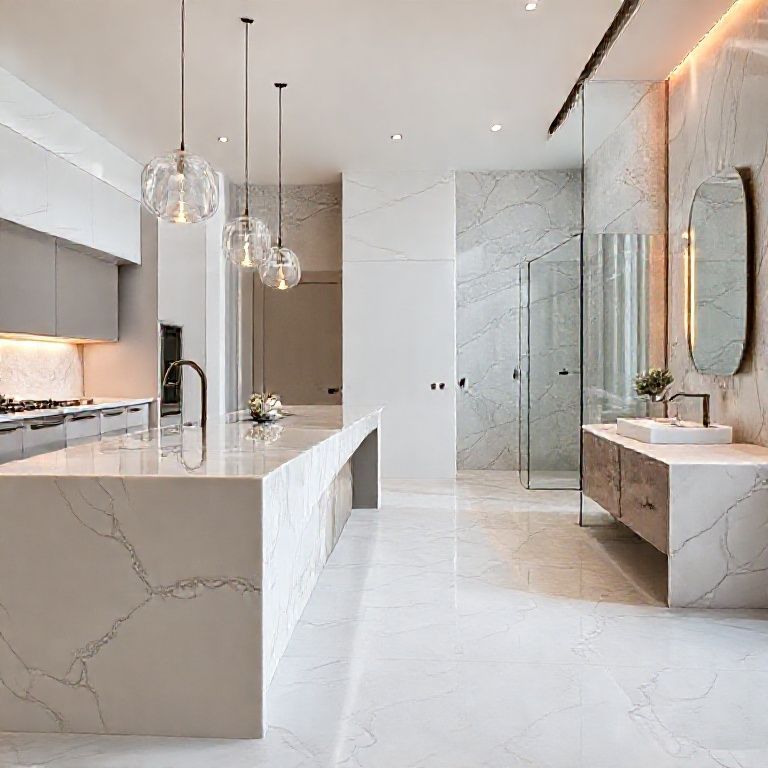
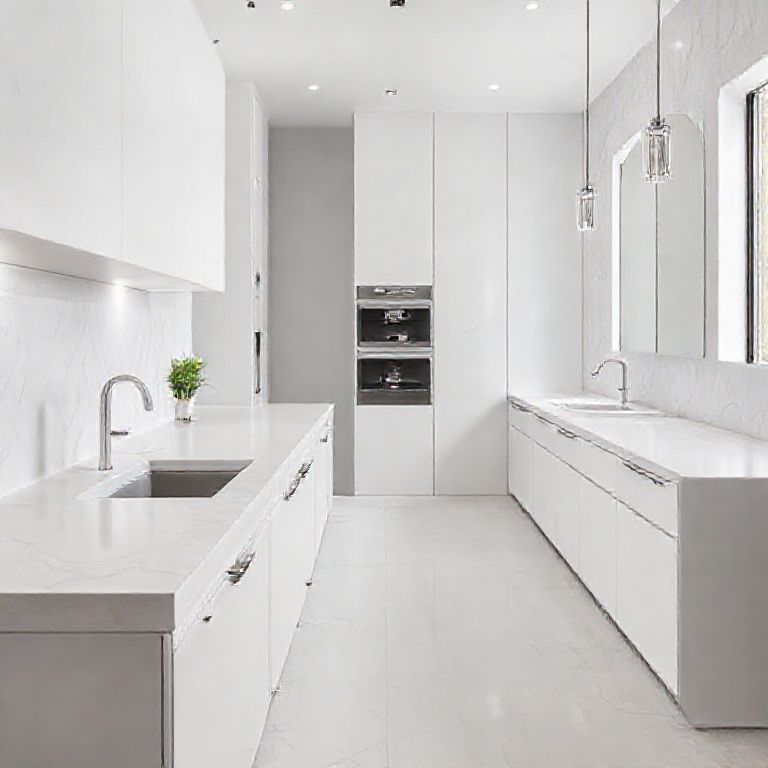
When it comes to home improvement and interior design, artificial marble has become a popular choice for many homeowners and designers alike. Known for its durability, aesthetic appeal, and relatively lower cost compared to natural marble, it’s no wonder why this material has gained so much traction. However, questions about its safety, particularly concerning radiation and health impacts, often arise. Let’s dive into the details to uncover the truth behind these concerns.
Understanding Artificial Marble
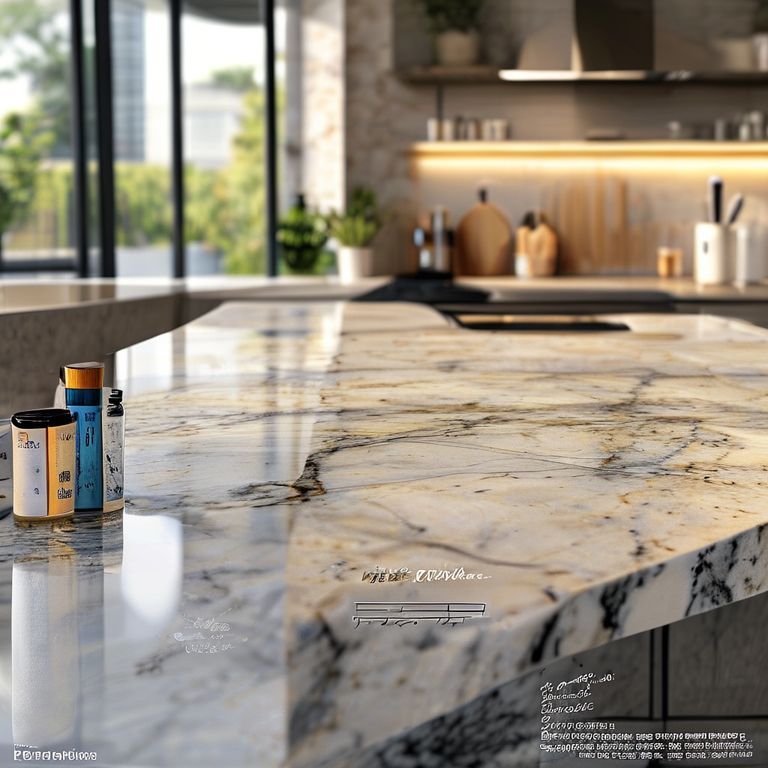
Artificial marble, also known as engineered stone or synthetic marble, is a composite material created from a mixture of quartz, resins, and pigments. This combination produces a product that closely resembles natural marble but with added benefits like increased strength, resistance to stains, and a wider range of colors and patterns.
The Myth of Radiation
One of the most common misconceptions surrounding artificial marble is that it emits radiation. This myth likely stems from a misunderstanding of the material’s composition and the processes involved in its creation.
Radiation Explained
To understand whether artificial marble emits radiation, it’s essential to understand what radiation means in a scientific context. Radiation generally refers to energy that travels and spreads out as it moves through space or a medium. It’s categorized into ionizing radiation, which has enough energy to remove tightly bound electrons from atoms (thus ionizing them), and non-ionizing radiation, which does not have this effect.
Artificial Marble and Ionizing Radiation
Artificial marble, made primarily from quartz and resin, does not contain any elements that naturally emit ionizing radiation. Quartz, a major component of artificial marble, is a mineral composed of silicon dioxide (SiO₂), which is chemically inert and non-radioactive. Resins used in artificial marble are synthetic compounds that also do not emit radiation. Therefore, the materials used in artificial marble production do not pose a risk of emitting ionizing radiation.
Safety Standards and Certifications
The production of artificial marble is subject to rigorous safety standards to ensure that the final product is safe for use. Many manufacturers follow industry standards and obtain certifications to guarantee the quality and safety of their products. For instance, the European Norm (EN) 14411 standard for artificial stone tiles specifically addresses the safety of materials used in construction and interior design, including artificial marble. Compliance with such standards indicates that the material has undergone thorough testing for radiation, among other safety parameters.
Health Impact of Artificial Marble
Beyond the issue of radiation, let’s explore the broader health impact of using artificial marble in your home.
Non-Toxic Nature
One of the significant advantages of artificial marble is its non-toxic nature. Unlike some natural stones that might contain trace amounts of heavy metals or other harmful substances, artificial marble is free from these contaminants. The resin and pigment mixtures used in its creation are also designed to be non-toxic, ensuring that it doesn’t pose a health risk when installed and used properly.
Durability and Maintenance
Artificial marble is renowned for its durability and resistance to stains, scratches, and heat. These qualities contribute to its longevity and ease of maintenance, reducing the need for frequent replacements and repairs. This durability translates to a safer environment, as it minimizes the risk of accidents and the need for hazardous cleaning chemicals.
Environmental Impact
From an environmental perspective, artificial marble is also a more sustainable choice compared to natural marble. The extraction and processing of natural marble have significant ecological footprints, including habitat disruption and carbon emissions. In contrast, artificial marble production is more controlled and can be designed to minimize environmental impact.
Conclusion
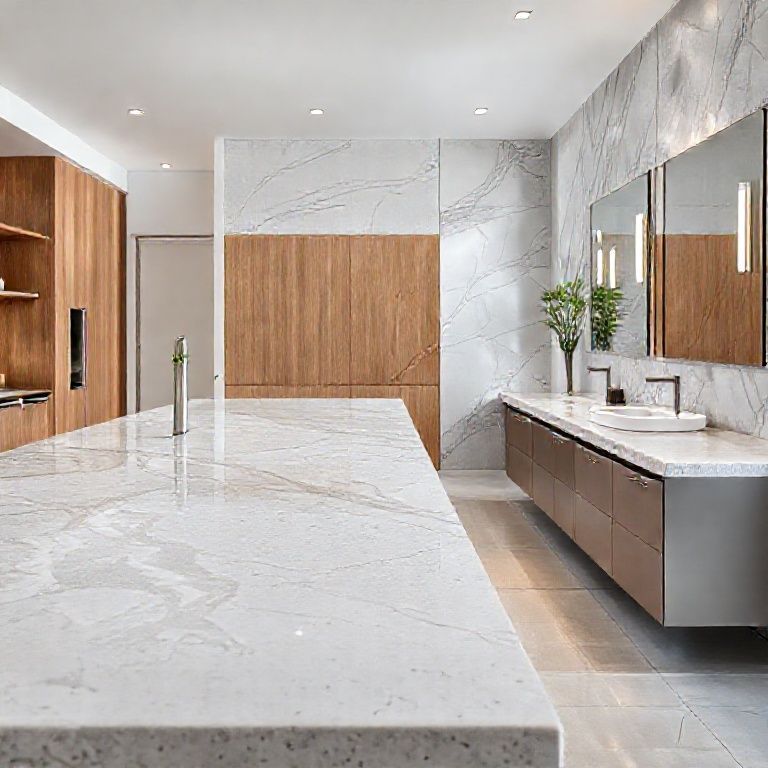
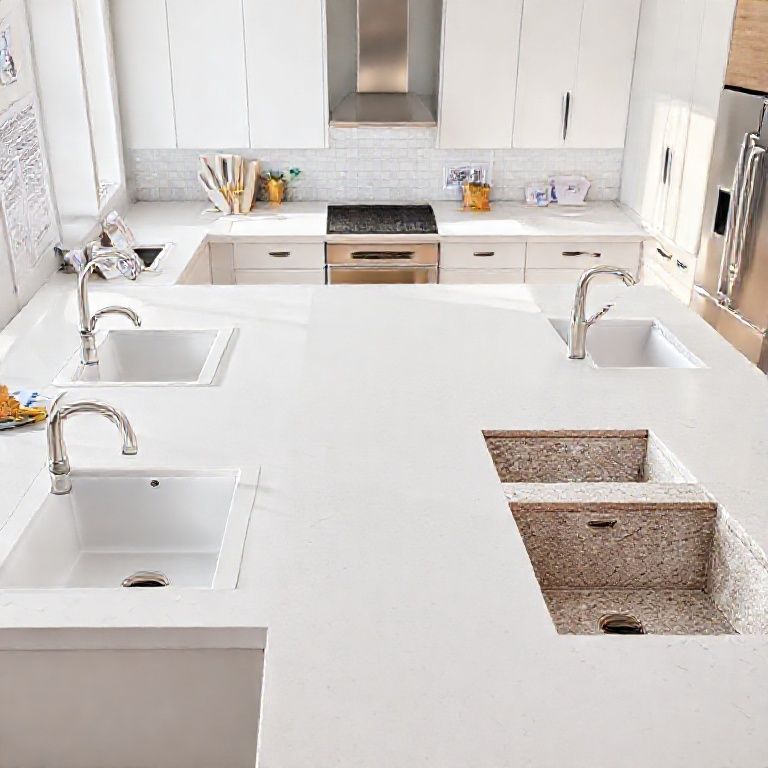
The question of whether artificial marble emits radiation is easily dispelled by understanding the material’s composition and the rigorous safety standards it adheres to. Artificial marble is not a source of ionizing radiation due to its non-radioactive components. Moreover, its non-toxic nature and durable properties make it a safe and sustainable choice for your home. With these facts in mind, you can confidently choose artificial marble for your kitchen countertops, bathroom vanities, and other interior design needs without concerns about radiation or health impacts.
Part 2
Debunking Myths: Artificial Marble’s Health Impact and Safety Assurance
When considering materials for your home, safety and health impact are paramount concerns. Artificial marble, often misunderstood due to myths and misconceptions, offers a blend of aesthetic beauty and safety. Let’s delve deeper into the health impact and safety assurances of artificial marble to provide a comprehensive understanding.
Addressing Safety Concerns
Safety is a primary consideration for any material used in home construction and interior design. Artificial marble is designed to meet stringent safety standards, ensuring it poses minimal health risks.
Material Composition and Safety
The primary components of artificial marble are quartz, resin, and pigments. Quartz, a naturally occurring mineral, is a non-toxic and non-radioactive substance. Resins, which are synthetic polymers, are formulated to be safe and non-toxic. Pigments used to achieve various colors and patterns in artificial marble are also carefully selected to ensure they do not release harmful chemicals.
Manufacturing Processes
The manufacturing processes for artificial marble involve high-pressure and temperature conditions to meld the quartz and resin components. This process ensures the material’s integrity and durability. Throughout this process, rigorous quality control measures are implemented to ensure that the final product is free from contaminants and adheres to safety standards.
Compliance with Safety Standards
Artificial marble manufacturers often comply with international safety standards to guarantee the quality and safety of their products. For instance, the European Norm (EN) 14411 standard for artificial stone tiles addresses various aspects of material safety, including radiation, toxicity, and durability. Compliance with such standards indicates that the material has undergone extensive testing to ensure it is safe for use in residential and commercial settings.
Health Impact: Long-Term Safety
Long-term exposure to materials used in home interiors can raise concerns about potential health impacts. Artificial marble addresses these concerns through its design and production processes.
Non-Toxic and Non-Irritant
One of the significant advantages of artificial marble is its non-toxic and non-irritant nature. Unlike some natural stones that may contain trace amounts of heavy metals or other harmful substances, artificial marble does not pose such risks. The resin and pigment mixtures used are formulated to be safe for prolonged contact, making it suitable for high-traffic areas like kitchens and bathrooms.
Low Maintenance and Safe Cleaning
Artificial marble is known for its low maintenance requirements. Its resistance to stains, scratches, and heat means it doesn’t need harsh cleaning chemicals that could pose health risks. Instead, it can be cleaned with mild detergents and water, further reducing potential exposure to harmful substances.
Benefits Beyond Safety
Beyond safety and health, artificial marble offers several other benefits that enhance its appeal as a material of choice.
Aesthetic Versatility
Artificial marble provides a wide range of colors, patterns, and designs, allowing for limitless creative possibilities in interior design. From classic marble looks to contemporary designs, it can match or even exceed the aesthetic appeal of natural marble.
Durability and Longevity
One of the standout features of artificial marble is its durability. It is highly resistant to scratches, stains, and heat, making it ideal for high-traffic areas like countertops and kitchen worktops. This durability extends the lifespan of the material, reducing the need for frequent replacements and associated health risks from old, deteriorating materials.
Cost-Effectiveness
While artificial marble may have a higher upfront cost compared to some alternatives, its durability and low maintenance requirements make it a cost-effective choice in the long run. This cost-effectiveness is further enhanced by the material’s ability to avoid the need for frequent repairs and replacements.
Environmental Considerations
From an environmental perspective, artificial marble is a more sustainable choice compared to natural marble. The extraction and processing of natural marble have significant ecological footprints, including habitat disruption and carbon emissions. In contrast, the production of artificial marble can be designed to minimize environmental impact, making it a more eco-friendly option.
Conclusion
The safety and health impact of artificial marble are well within acceptable limits, thanks to its non-toxic composition, rigorous manufacturing processes, and compliance with international safety standards. Artificial marble offers a safe, durable, and aesthetically versatile material for your home. By debunking myths and understanding the true nature of artificial marble, you can confidently choose this material for your kitchen countertops, bathroom vanities, and other interior design needs, ensuring both beauty and safety in your living spaces.
By breaking down the concerns around artificial marble’s radiation and health impact, this comprehensive exploration aims to provide clarity and confidence for those considering this popular material for their home improvements.