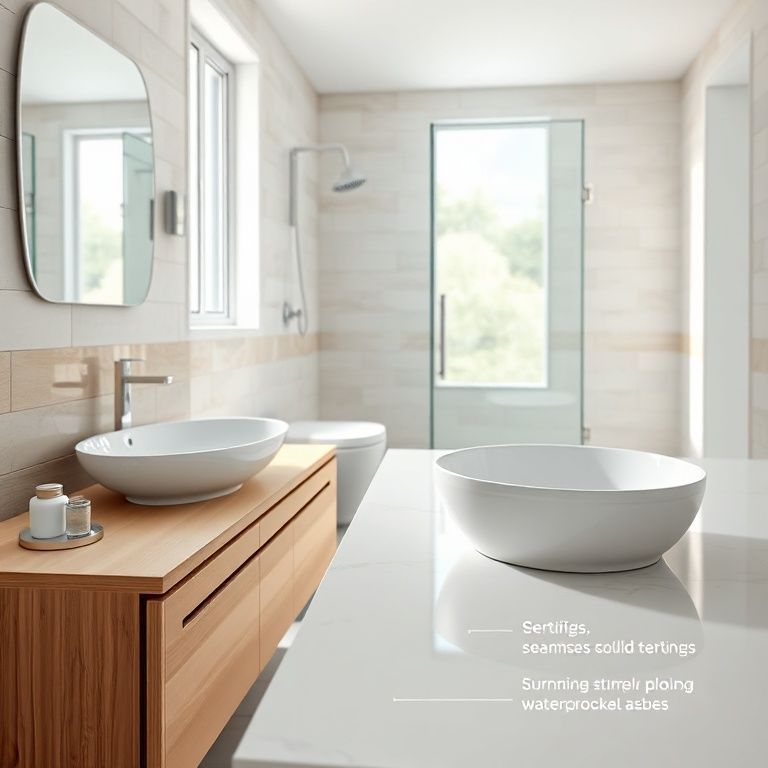
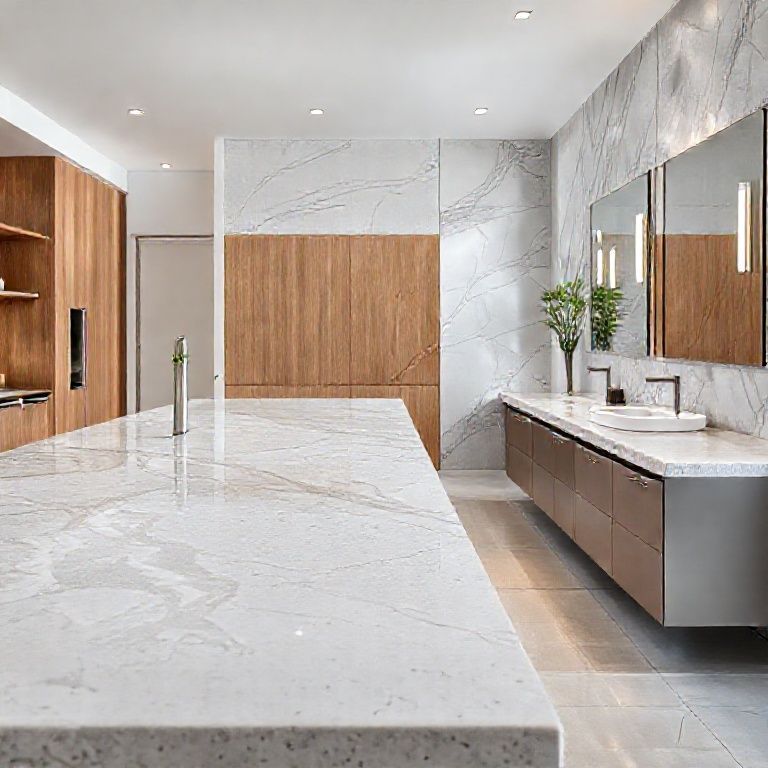
The Composition and Production of Artificial Marble
Introduction: Artificial marble, also known as engineered stone, has emerged as a popular material for countertops, sinks, and other decorative surfaces in both residential and commercial settings. But is artificial marble harmful to humans? To fully understand this, we must first examine its composition and production process.

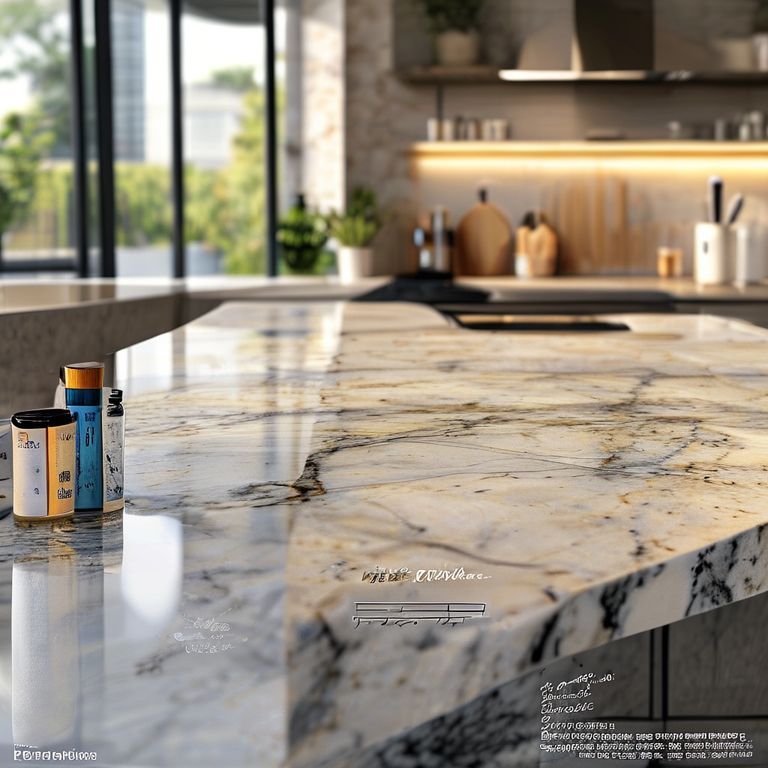
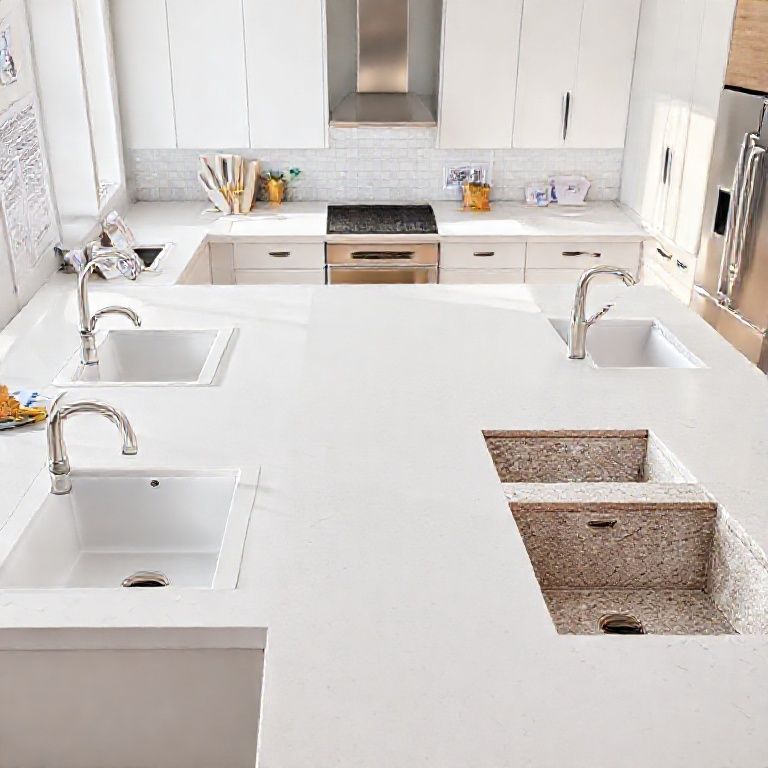
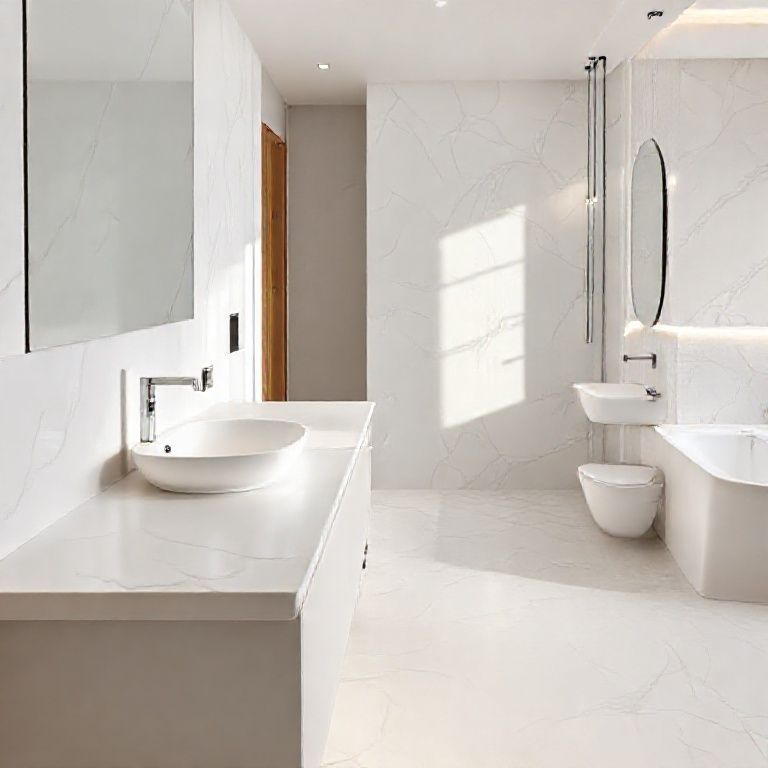
What is Artificial Marble? Artificial marble is a composite material made from a combination of quartz or other minerals and resins. This material is designed to mimic the appearance of natural marble but with the added benefits of durability, scratch resistance, and lower cost. The primary ingredients include:
Quartz or Other Minerals: These provide the stone’s characteristic look and strength. Resins: Typically, a polymer resin binds the minerals together, creating a solid and cohesive material.
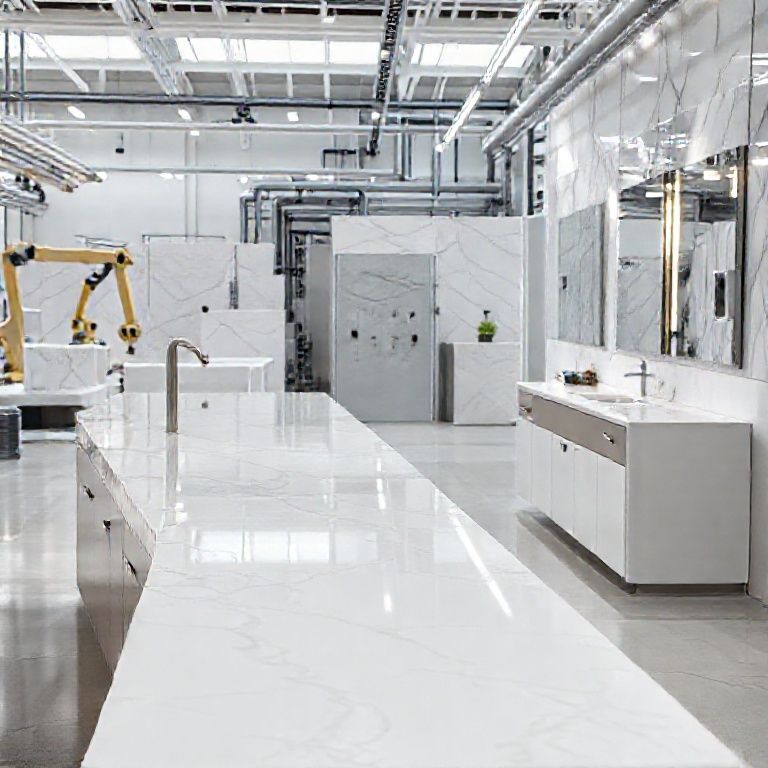
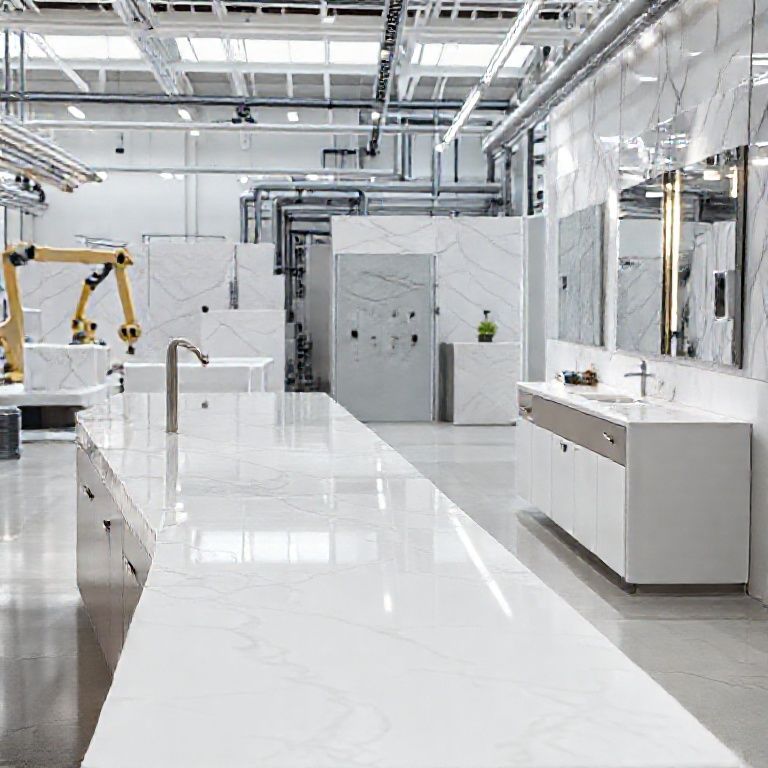
Manufacturing Process: The creation of artificial marble involves several key steps:
Crushing and Mixing: High-quality quartz or other minerals are crushed and mixed with resins. Molding: The mixture is poured into molds and subjected to high pressure and temperature. Curing: The material is left to cure under controlled conditions, which helps to ensure that the resin bonds with the minerals properly.
Health Benefits and Safety Concerns: One of the most common concerns with artificial marble is whether it poses any health risks. Here’s what you need to know:
Non-Toxic Ingredients: Unlike some other composite materials, artificial marble is typically made using non-toxic resins. Manufacturers often use acrylic or polyurethane resins, which are generally considered safe for human contact. These resins undergo rigorous testing to ensure they do not emit harmful volatile organic compounds (VOCs) during production and curing.
Low Chemical Emission: Because of the high-pressure and temperature processes involved in its manufacturing, the resins in artificial marble fully cure and harden. This curing process typically results in minimal or no chemical emissions once the product is installed.
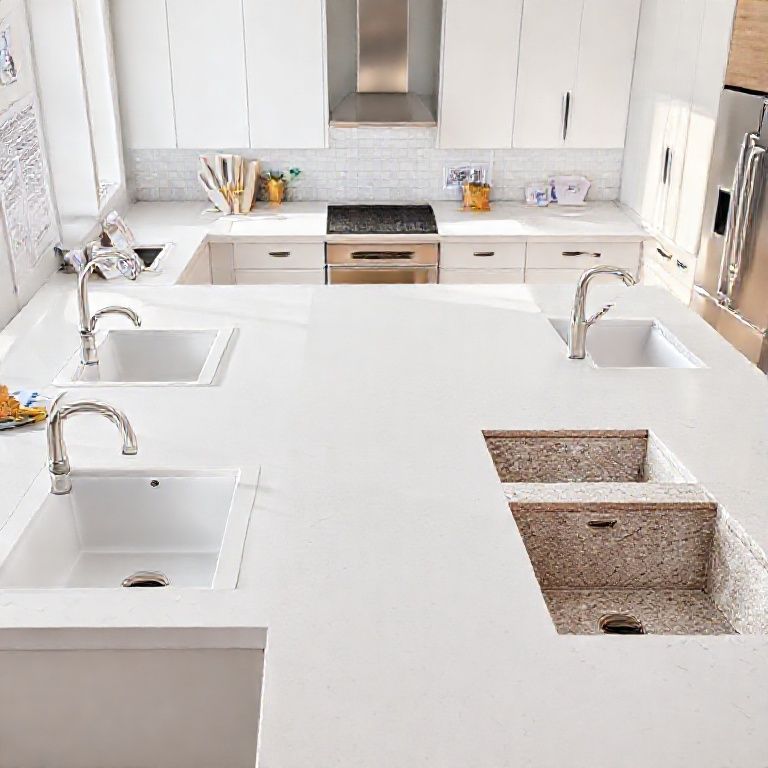
Durability and Maintenance: Artificial marble is renowned for its durability. Unlike natural stone, it doesn’t require sealing or regular maintenance to prevent staining or bacteria growth. This adds to its safety and health benefits since it’s less likely to harbor harmful microorganisms.
Potential Concerns: Despite its many benefits, there are some potential concerns worth noting:
Microbial Growth: While artificial marble is generally resistant to microbial growth, improper cleaning or sealing can still lead to the accumulation of bacteria or mold in certain conditions. Cut and Handle Safety: Like natural marble, artificial marble can be sharp when cut. It’s essential to use proper safety equipment when handling and cutting the material to avoid injuries.
Conclusion: In summary, the production of artificial marble involves a combination of high-quality minerals and non-toxic resins that undergo rigorous curing processes. The result is a durable, low-maintenance material that is generally safe for human contact. While there are some minor concerns, these are easily mitigated with proper handling and maintenance.
In the next part, we will delve deeper into the specific health risks associated with artificial marble, if any, and compare it with natural marble and other materials.
Comparing Artificial Marble to Natural Marble and Other Materials
Introduction: Having covered the composition and production of artificial marble, it’s time to dive deeper into the question of whether artificial marble is harmful to humans. In this section, we’ll compare artificial marble to natural marble and other materials, focusing on specific health risks and overall safety.
Health Risks of Natural Marble: Natural marble, a popular choice for countertops and decorative surfaces, comes with its own set of health risks:
Radon Gas: Natural marble can contain trace amounts of radon gas, a naturally occurring radioactive gas that can pose health risks, including lung cancer. Heavy Metals: Some natural marbles contain heavy metals like lead and arsenic, which can leach into water and surfaces, posing health hazards. Microbial Contamination: Natural stone surfaces can harbor bacteria and mold, especially if not properly cleaned and maintained.
Health Risks of Artificial Marble: Artificial marble is often lauded for its safety, but let’s explore any potential health risks more closely:
VOC Emissions: Although modern manufacturing processes greatly reduce VOC emissions, older installations or poorly made artificial marble products might still release some VOCs. These compounds can cause short-term health issues like headaches, dizziness, and irritation of the eyes, nose, and throat.
Dust and Particles: During the cutting, polishing, or sanding of artificial marble, dust and fine particles can be generated. These particles can cause respiratory issues, especially in individuals with pre-existing conditions like asthma or chronic obstructive pulmonary disease (COPD).
Chemical Exposure: If artificial marble surfaces are treated with certain chemicals for cleaning or sealing, there might be a risk of exposure to these chemicals. It’s important to use products that are labeled as safe for artificial marble to avoid any potential health risks.
Comparison with Other Materials: To understand the safety profile of artificial marble better, let’s compare it with other popular materials:
Granite: Similar to natural marble, granite can also contain radon gas and heavy metals. Unlike artificial marble, granite requires sealing to prevent staining, which adds to maintenance and potential chemical exposure.
Quartz: Quartz countertops are made from a mixture of quartz sand and resins, similar to artificial marble. However, they are not as durable and require regular maintenance to maintain their appearance. The manufacturing process can still emit some VOCs, but newer products have significantly reduced this issue.
Stainless Steel: Stainless steel is a highly durable and low-maintenance material. However, it doesn’t offer the aesthetic appeal of stone materials. The primary health risk associated with stainless steel is exposure to cleaning chemicals used to maintain its surface.
Benefits of Artificial Marble: Despite potential concerns, artificial marble offers several significant benefits:
Durability: Artificial marble is incredibly resistant to scratches, stains, and chips, making it a low-maintenance option. Aesthetic Versatility: It can be engineered to mimic various natural stone looks, including marble, granite, and quartz, providing flexibility in design. Cost-Effective: Generally, artificial marble is more affordable than natural stone, making it an attractive option for budget-conscious homeowners and businesses.
Conclusion: In conclusion, while artificial marble does have some potential health risks, these are generally minimal and easily managed with proper handling and maintenance. When compared to natural marble and other materials, artificial marble stands out for its durability, low maintenance, and aesthetic versatility. It’s essential to consider the specific manufacturing processes and product quality when assessing the safety of any material.
By understanding the composition, production, and potential risks associated with artificial marble, you can make an informed decision about its use in your home or business. Whether you’re choosing artificial marble or another material, prioritizing safety and proper maintenance will help ensure a healthy environment.