Is Artificial Marble Harmful to Human Health?
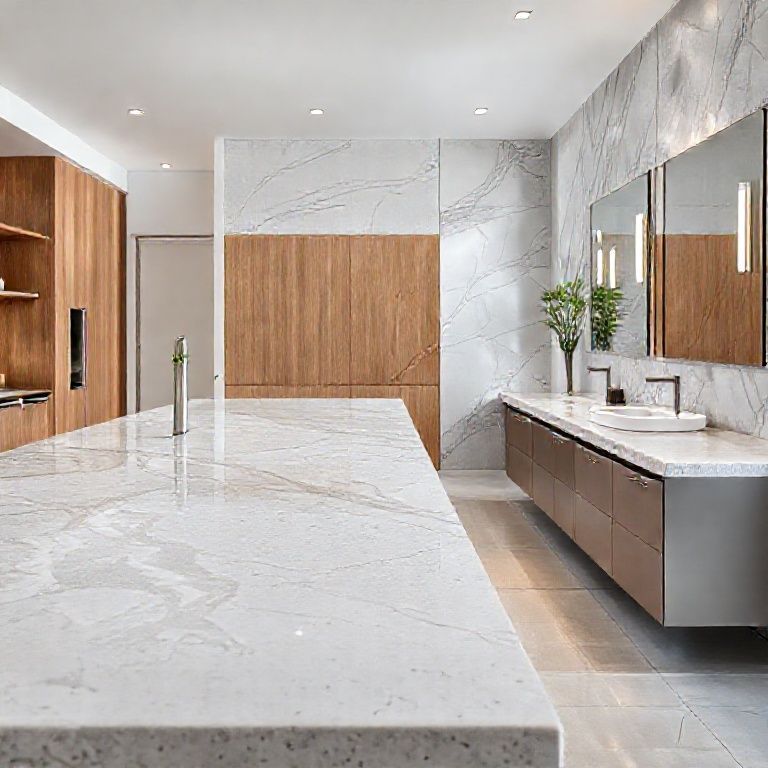
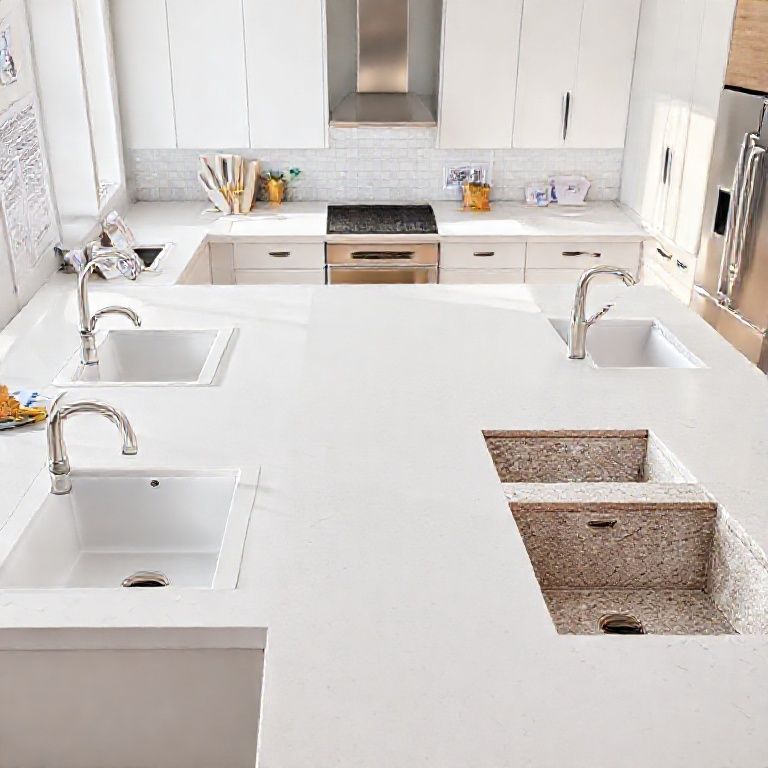
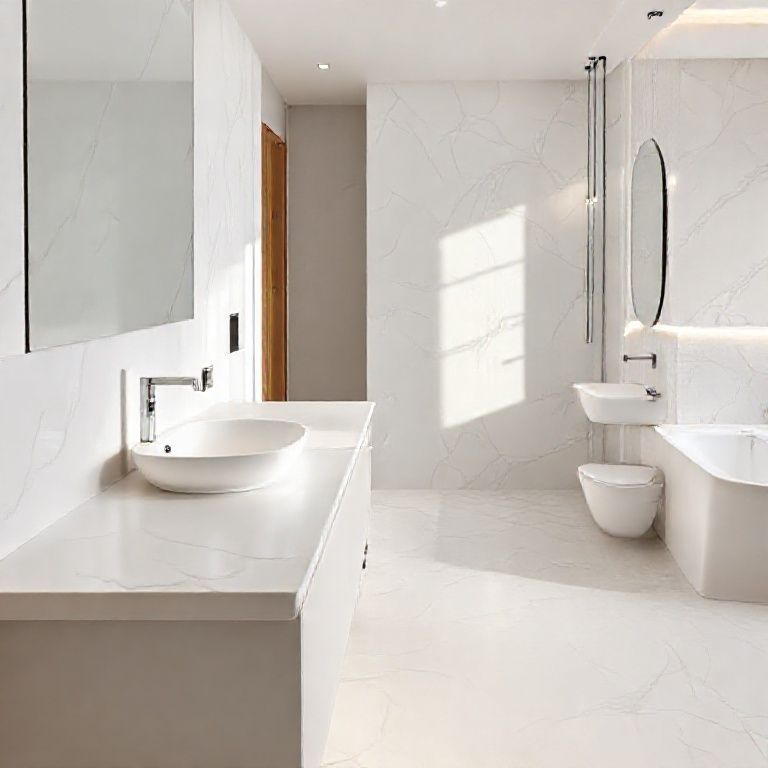
In recent years, artificial marble has surged in popularity as a versatile and aesthetically pleasing alternative to natural stone in various interior design applications. From countertops to bathroom sinks, this synthetic material has been praised for its durability, affordability, and ease of maintenance. However, as with any new material introduced into our living and working spaces, concerns about its safety for human health inevitably arise. This first part of our article will explore the composition of artificial marble, its benefits, and the potential risks associated with its use.
Composition and Benefits of Artificial Marble
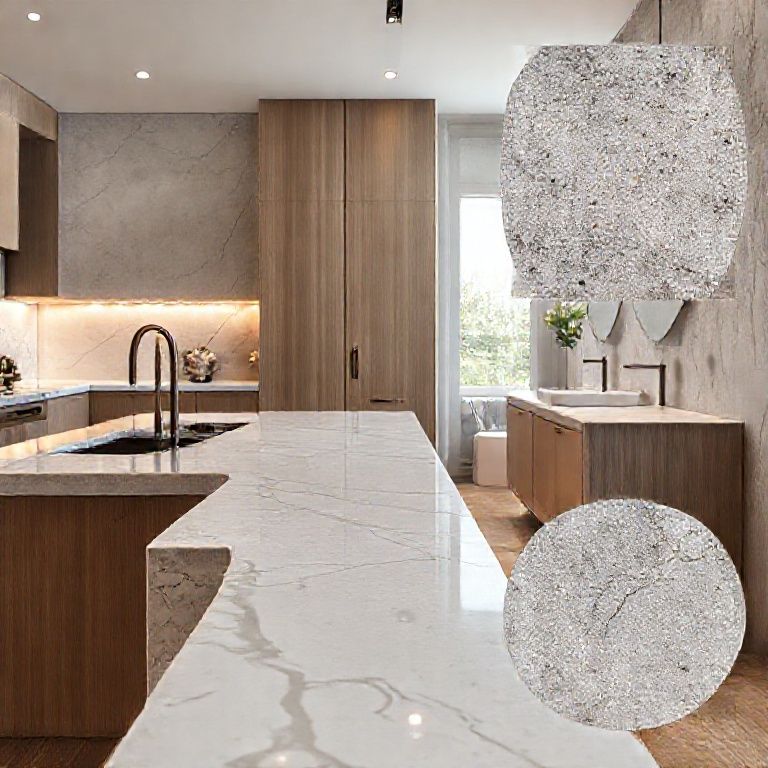
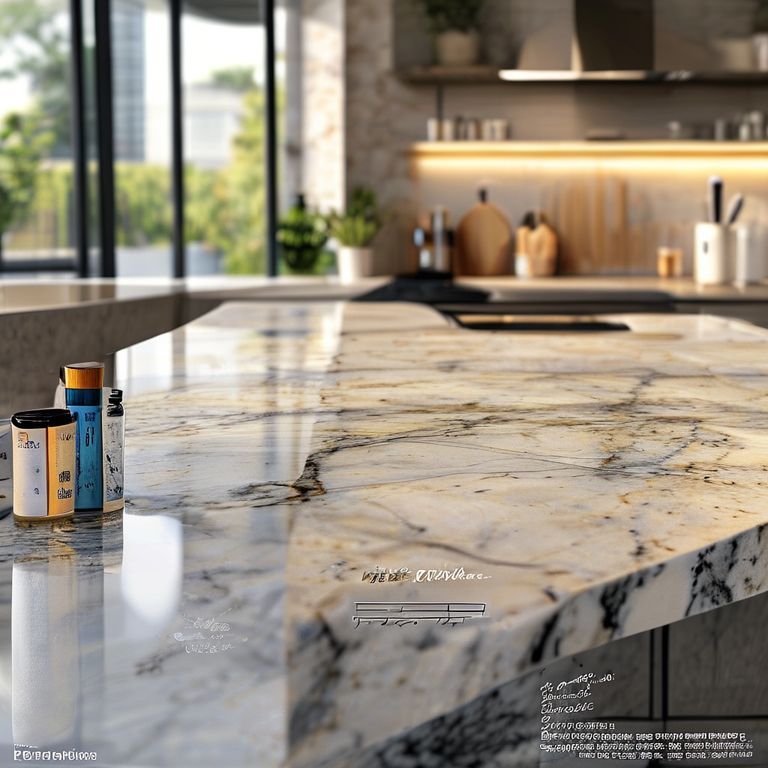
Artificial marble, also known as synthetic stone or cultured stone, is a composite material composed of a mixture of minerals, resins, and pigments. The production process involves combining these components at high temperatures and pressures to form a solid, monolithic material that closely resembles natural marble. The primary ingredients include calcium carbonate (marble dust), acrylic resin, and pigments that give the material its characteristic color and texture.
Benefits
Durability and Strength: One of the primary advantages of artificial marble is its superior strength and durability. Unlike natural stone, which can be prone to scratching and cracking, artificial marble is designed to withstand everyday wear and tear with minimal maintenance.
Aesthetic Appeal: Artificial marble offers a wide range of colors and finishes, allowing designers and homeowners to achieve a variety of looks that can closely mimic natural stone while providing more flexibility in design options.
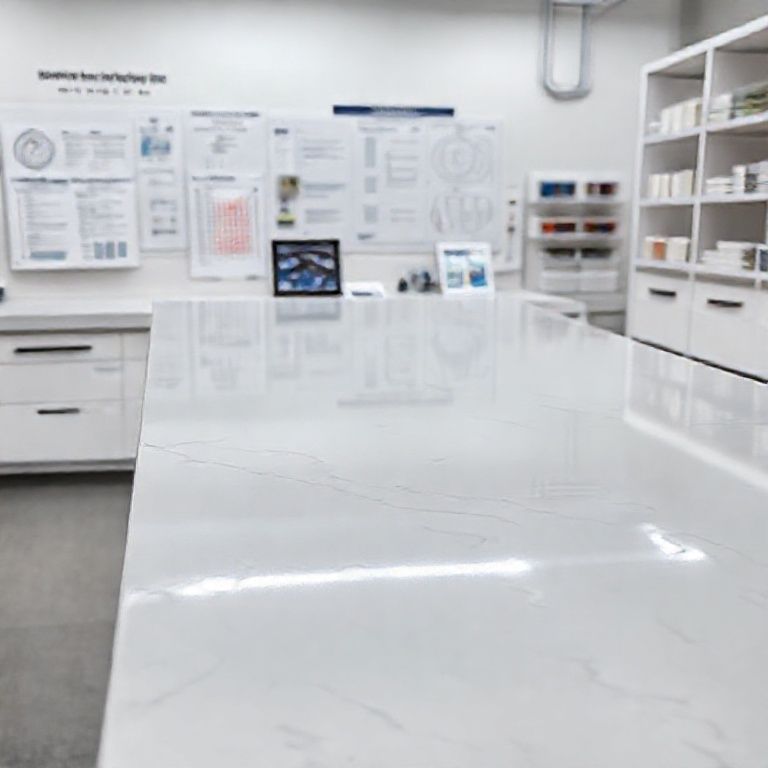
Cost-Effectiveness: Synthetic stone is generally more affordable than natural marble and other luxury materials like granite and quartz. This makes it an attractive option for those looking to enhance their space without breaking the bank.
Easy Maintenance: Cleaning artificial marble is straightforward. It requires only a damp cloth and mild soap, making it ideal for busy households and commercial spaces where cleanliness is paramount.
Potential Risks and Concerns
Despite its many benefits, artificial marble is not without its critics, particularly regarding its potential health risks. The primary concern revolves around the chemicals used in its production, specifically the resins and other binding agents that may emit volatile organic compounds (VOCs).
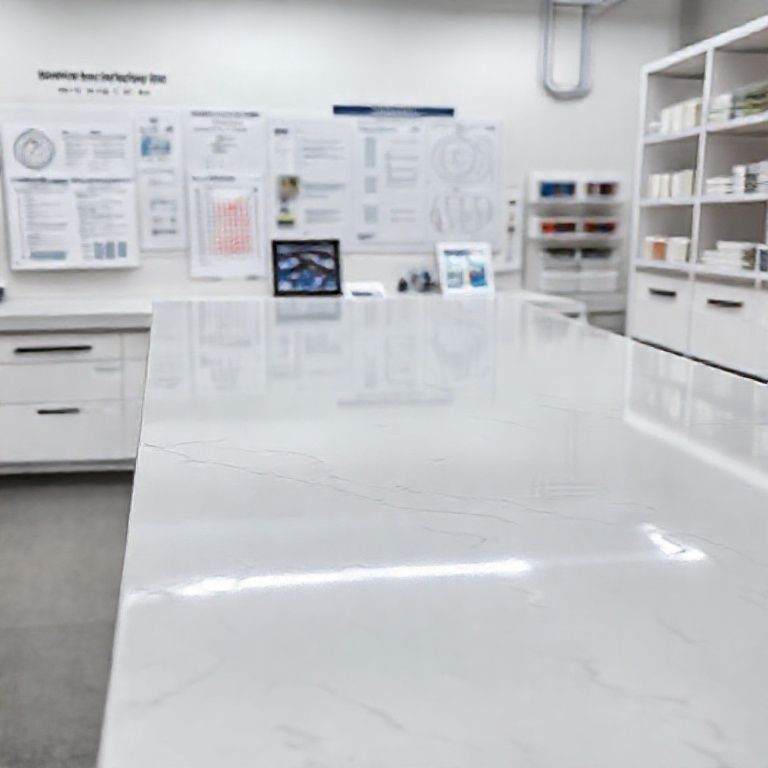
Chemical Exposure
The manufacturing process of artificial marble involves the use of various chemicals that can potentially release harmful substances into the air. These include:
Formaldehyde: Often used as a resin in the production of synthetic stone, formaldehyde is a known carcinogen and can cause respiratory issues, skin irritation, and other health problems. Although formaldehyde is typically trapped within the material during production, concerns remain about its long-term effects and the possibility of leaching out over time.
Volatile Organic Compounds (VOCs): VOCs are chemicals that easily vaporize at room temperature and can contribute to indoor air pollution. They are linked to a range of health issues, including headaches, dizziness, and respiratory problems. While manufacturers claim to use low-VOC resins, the potential for some level of emissions remains.
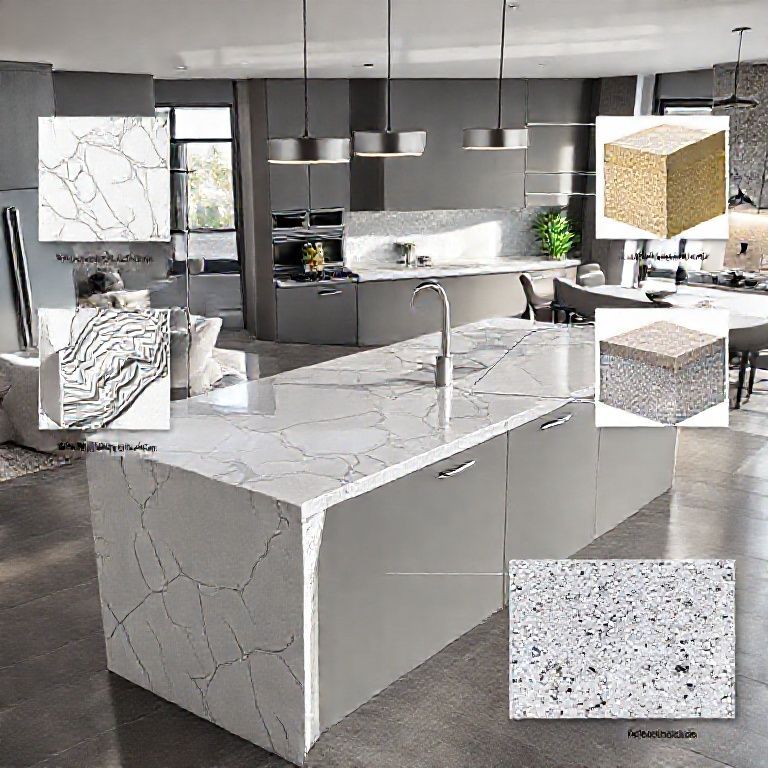
Indoor Air Quality
The concern about indoor air quality (IAQ) is particularly relevant in environments where artificial marble is heavily used, such as commercial kitchens, schools, and healthcare facilities. Prolonged exposure to VOCs and other chemicals can lead to long-term health effects, especially in sensitive populations like children, the elderly, and those with pre-existing health conditions.
Regulatory Standards and Safety Measures
To address these concerns, various regulatory bodies have established standards and guidelines for the production and use of artificial marble. Manufacturers are required to adhere to these regulations to ensure the material meets safety criteria. Additionally, advancements in technology have led to the development of low-VOC and formaldehyde-free alternatives, providing safer options for consumers.
Conclusion
While artificial marble offers numerous benefits in terms of durability, aesthetic appeal, and cost-effectiveness, it is essential to consider the potential health risks associated with its chemical composition. By understanding these factors and taking appropriate safety measures, you can make informed decisions about its use in your environment.
In the next part of this article, we will delve deeper into specific health concerns, provide tips on how to mitigate potential risks, and discuss alternative materials that may offer a safer option for those concerned about the health implications of artificial marble.
Is Artificial Marble Harmful to Human Health?
Continuing our exploration into the safety of artificial marble, this second part will provide a deeper look into specific health concerns, offer practical tips for mitigating potential risks, and explore alternative materials that might be a safer choice for those wary of the material’s health implications.
Specific Health Concerns
While artificial marble is generally considered safe when used as intended, there are specific health concerns that warrant careful attention:
Respiratory Issues
Exposure to VOCs and other chemicals used in the production of artificial marble can lead to respiratory problems. Symptoms may include:
Headaches and Dizziness: Short-term exposure to VOCs can cause headaches, dizziness, and fatigue. Prolonged exposure may exacerbate these symptoms.
Respiratory Problems: Inhalation of these chemicals can lead to coughing, throat irritation, and difficulty breathing, particularly in individuals with asthma or other respiratory conditions.
Skin Irritation
Chemicals in artificial marble can cause skin irritation, especially in sensitive individuals. Symptoms may include:
Allergic Reactions: Prolonged skin contact with artificial marble can result in allergic reactions, including redness, itching, and rashes.
Contact Dermatitis: In some cases, individuals may develop contact dermatitis, a condition characterized by inflamed skin that can be painful and uncomfortable.
Long-Term Health Effects
Long-term exposure to certain chemicals used in the production of artificial marble, such as formaldehyde, has been linked to more severe health effects:
Cancer: Formaldehyde is a known carcinogen, and long-term exposure can increase the risk of certain cancers, including nasopharyngeal cancer and leukemia.
Chronic Health Conditions: Prolonged exposure to VOCs and other harmful chemicals may contribute to chronic health conditions such as chronic fatigue syndrome, neurological disorders, and immune system dysfunction.
Tips for Mitigating Potential Risks
To minimize the potential health risks associated with artificial marble, several practical steps can be taken:
Proper Ventilation
Ensuring good ventilation in areas where artificial marble is installed can help reduce the concentration of VOCs and other harmful chemicals in the air. This can be achieved by:
Opening Windows: Opening windows to allow fresh air to circulate can help dilute indoor air pollutants.
Using Exhaust Fans: Installing exhaust fans in kitchens and bathrooms can help remove airborne chemicals from the space.
Choosing Low-VOC Products
Selecting artificial marble products with low or no VOC content can significantly reduce the risk of exposure to harmful chemicals. When shopping for synthetic stone, look for products labeled as “low-VOC” or “formaldehyde-free.”
Regular Cleaning and Maintenance
Maintaining artificial marble surfaces through regular cleaning can help prevent the build-up of dust and other contaminants that may harbor harmful chemicals. Use mild soap and water for cleaning, and avoid harsh chemicals that can damage the material.
Monitoring Indoor Air Quality
Investing in indoor air quality monitors can help track the levels of VOCs and other pollutants in your environment. This can provide valuable information to help you take appropriate actions to improve air quality.
Exploring Safer Alternatives
For those concerned about the potential health risks associated with artificial marble, several alternative materials offer safer options:
Natural Stone
Natural stone, such as granite, quartz, and limestone, provides a durable and aesthetically pleasing surface that is free from synthetic chemicals. While more expensive than artificial marble, natural stone is a long-lasting option that does not emit harmful chemicals.
Stainless Steel
Stainless steel countertops are another popular alternative to artificial marble. Known for their durability and easy maintenance, stainless steel surfaces are free from synthetic chemicals and provide a sleek, modern look.
Recycled Materials
Using recycled materials for countertops and other surfaces is an environmentally friendly option that also offers a safer alternative to synthetic stone. Materials such as recycled glass, bamboo, and reclaimed wood are not only sustainable but also free from the chemicals associated with artificial marble production.
Conclusion
While artificial marble offers many advantages in terms of durability, aesthetic appeal, and cost-effectiveness, it is crucial to consider the potential health risks associated with its chemical composition. By taking steps to mitigate these risks, such as proper ventilation, choosing low-VOC products, and maintaining the surface regularly, you can enjoy the benefits of this material while minimizing potential health concerns.
For those who are particularly concerned about health implications, exploring alternatives such as natural stone, stainless steel, and recycled materials may provide a safer and more sustainable option. Ultimately, making informed decisions about the materials you use in your home and workplace is essential for protecting your health and well-being.
In summary, while artificial marble is generally safe when used as intended, being aware of its potential risks and taking appropriate precautions can help you make informed choices that prioritize both aesthetics and health.