Understanding Artificial Marble and Its Safety
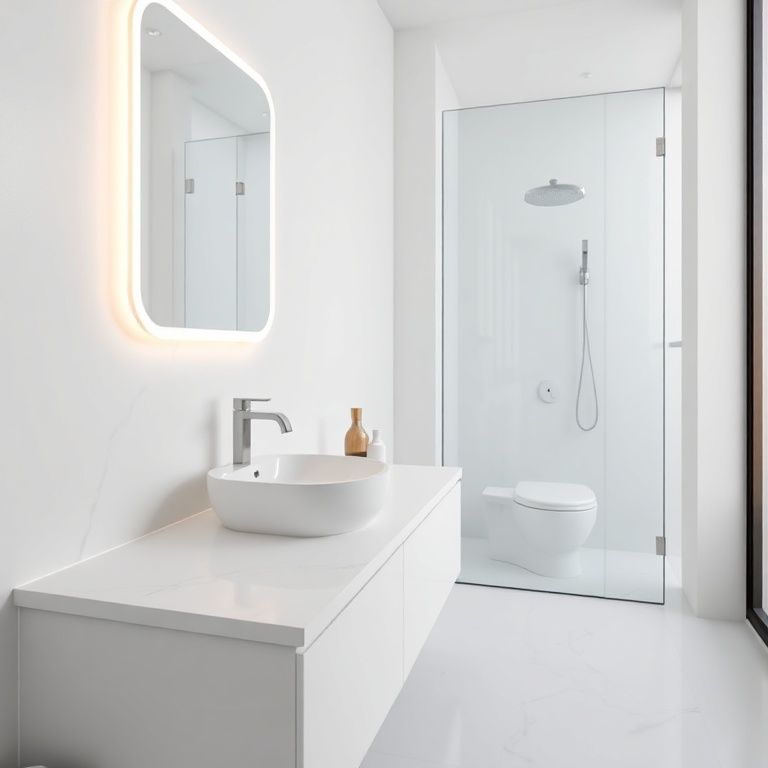
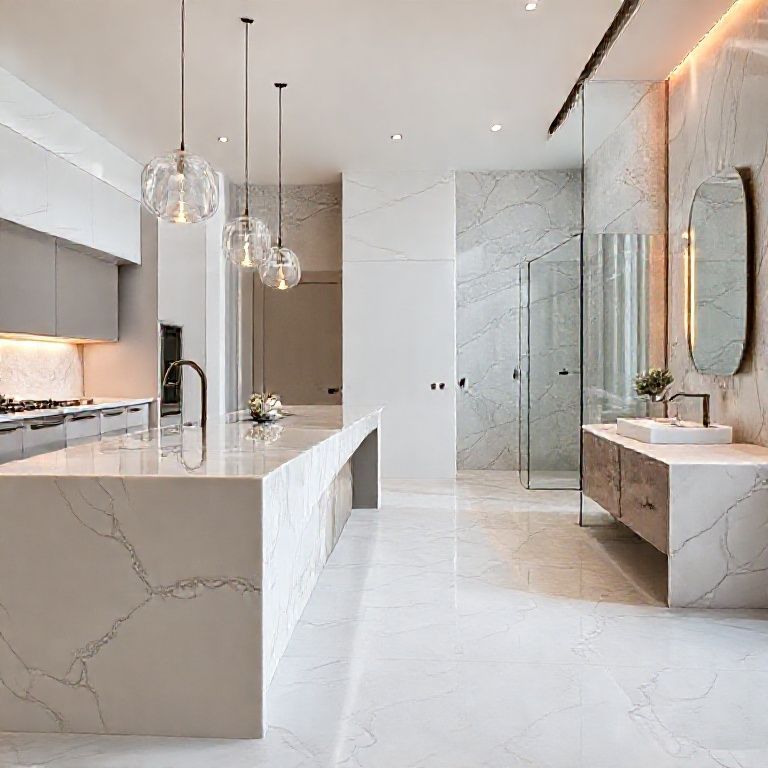
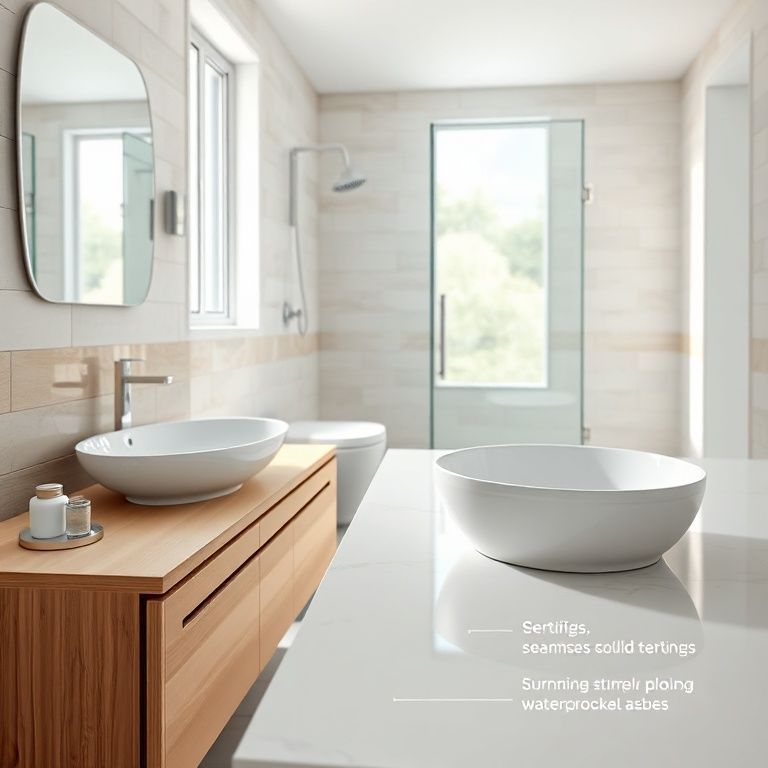
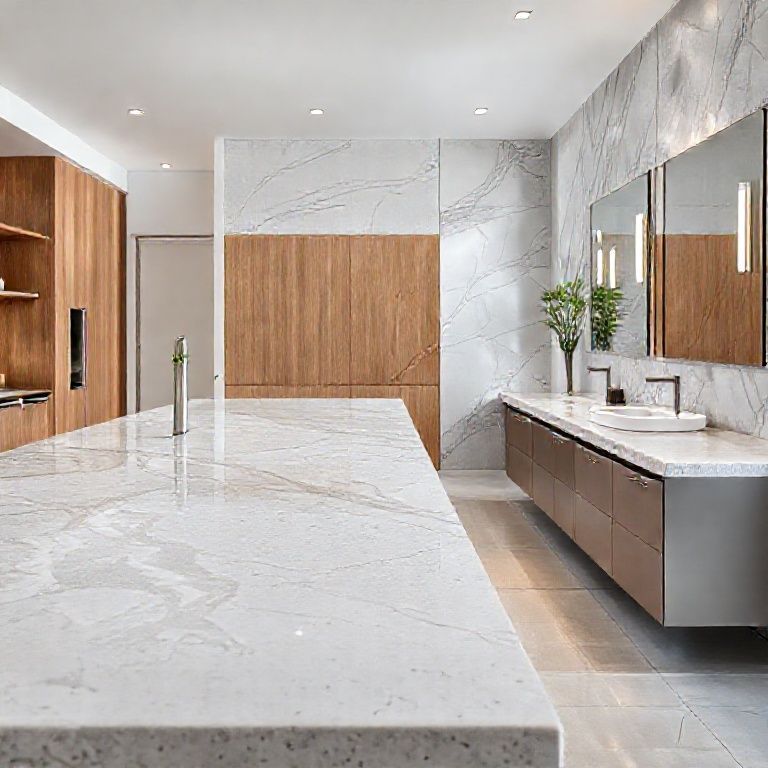
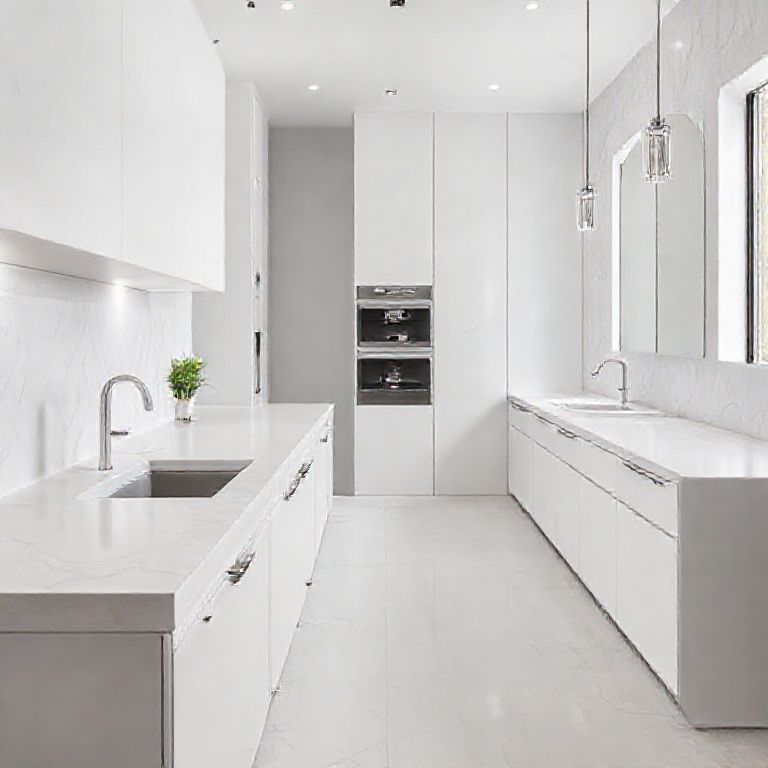
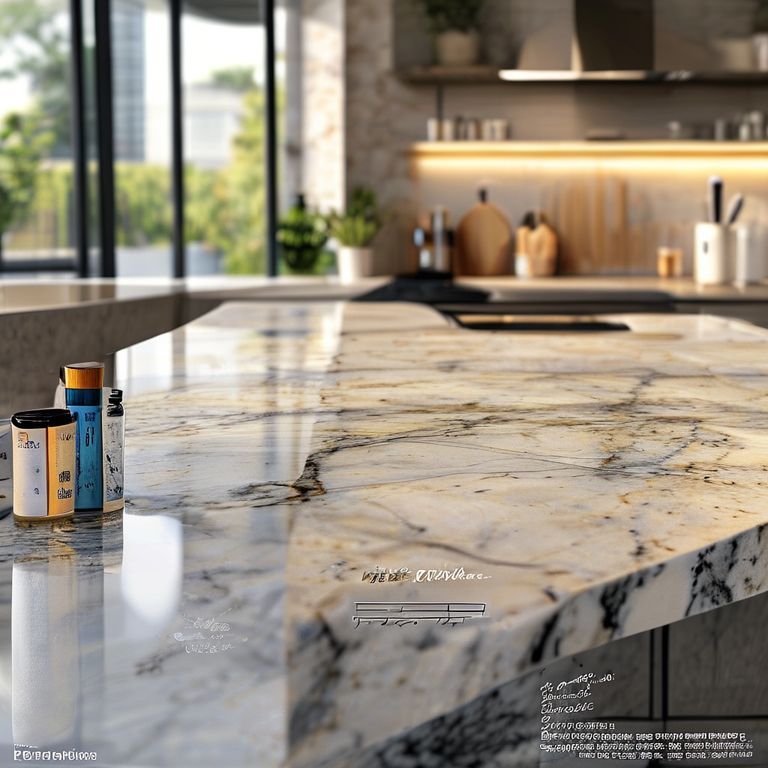
In the realm of modern home design, artificial marble has emerged as a highly favored material for countertops, sinks, and other decorative surfaces. This material has captured the imagination of homeowners and designers alike due to its stunning aesthetic, durability, and relatively low cost. But with its popularity comes a series of questions about its safety, particularly concerning radiation.
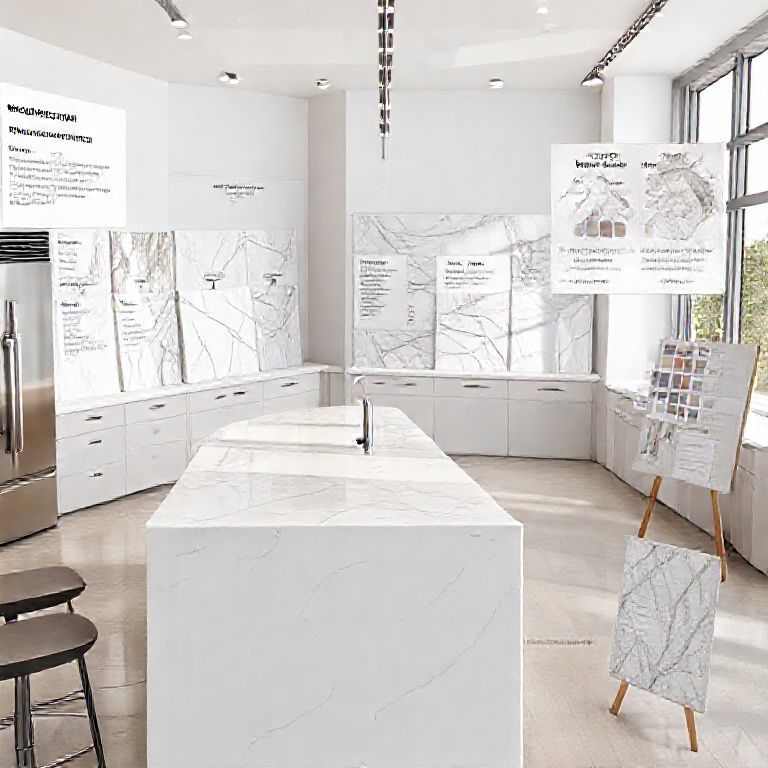
What is Artificial Marble?
Artificial marble, often referred to as engineered stone or synthetic stone, is a composite material made from a combination of natural stones like calcite, quartz, and silica, along with other binding agents. The primary ingredient in artificial marble is usually a mixture of marble dust, which is finely ground to create a powder, and a resin binder. This blend is compressed and cured under high pressure and temperature, resulting in a solid, homogeneous material that mimics the appearance of natural marble.
The Myth of Radiation
One of the most persistent myths surrounding artificial marble is whether it emits radiation. To address this concern, it is essential to understand the nature of radiation and how it relates to materials like artificial marble.
Radiation typically refers to energy that travels through space in the form of waves or particles. There are two main types of radiation: ionizing and non-ionizing. Ionizing radiation, such as that from X-rays or radioactive materials, has enough energy to remove electrons from atoms and can cause damage to living tissues. Non-ionizing radiation, such as visible light or microwaves, does not have enough energy to ionize atoms and is generally considered less harmful.
Materials Used in Artificial Marble
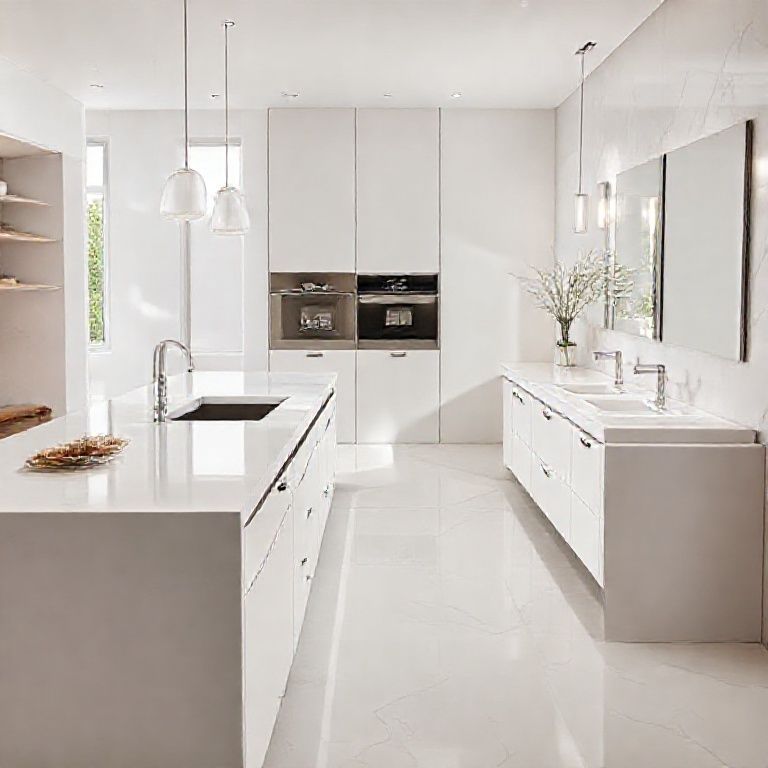
The materials used to create artificial marble are predominantly natural minerals like calcite, silica, and resins. Calcite and silica are common minerals found in the Earth’s crust, and resins are synthetic polymers used as binders. None of these components inherently emit radiation in any form. When these materials are processed to create artificial marble, the manufacturing process does not introduce any radioactive elements.
Manufacturing Process
The process of creating artificial marble involves several steps that do not involve exposure to ionizing radiation. Here’s a brief overview:
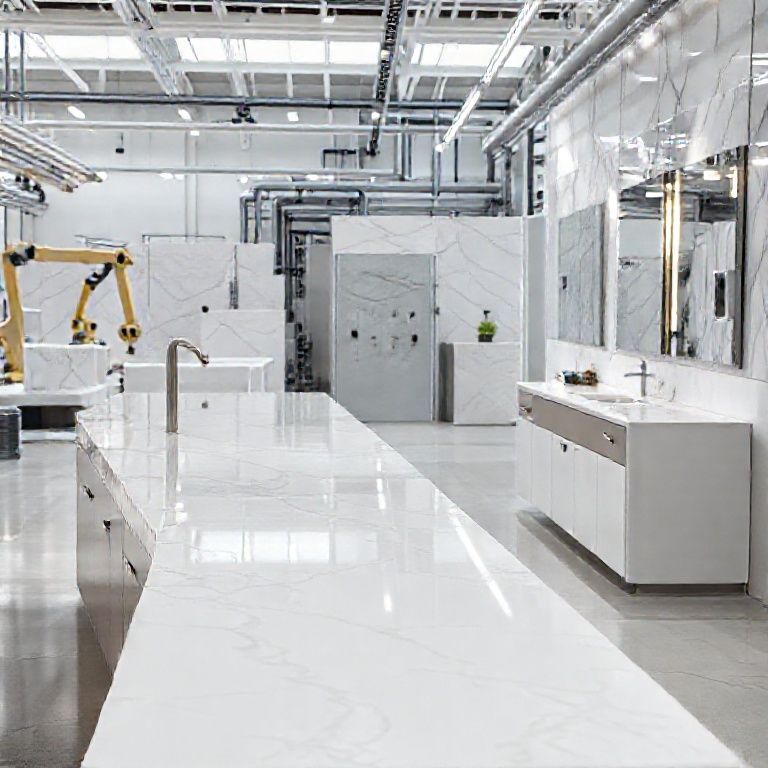
Material Preparation: Natural stone powders and resins are mixed in controlled environments. Compression: The mixture is compressed under high pressure. Curing: The compressed material is cured at high temperatures to ensure it hardens and bonds properly.
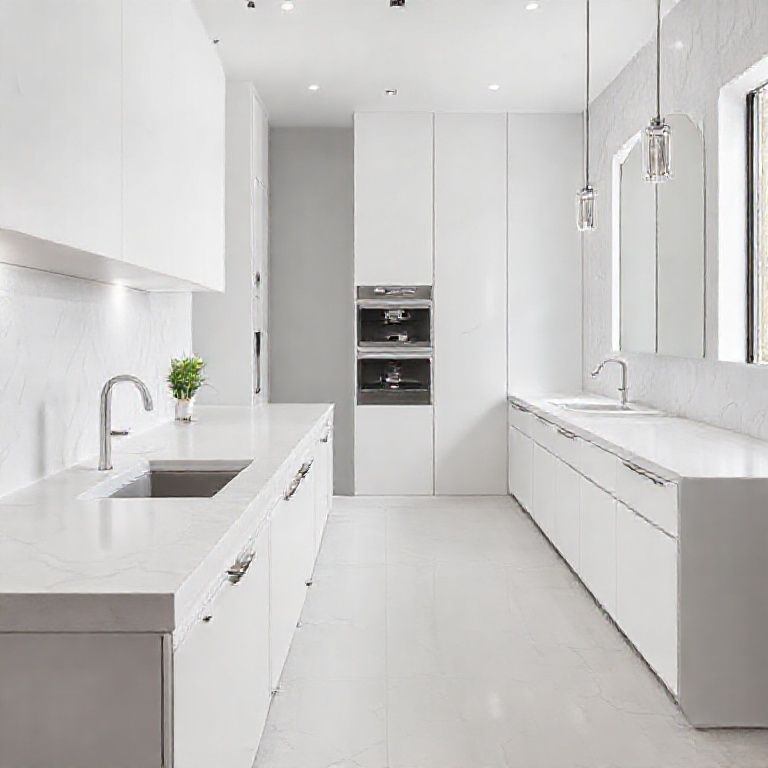
These processes do not involve radioactive substances or exposure to radiation. Instead, they rely on mechanical pressure and heat to bind the materials together.
Health and Safety Standards
To further address concerns about radiation, it is important to note that artificial marble production adheres to stringent health and safety standards. Regulatory bodies in various countries have established guidelines to ensure that materials used in consumer products are safe for indoor environments. Artificial marble manufacturers are subject to these regulations, which include testing for harmful substances, including radiation.
Scientific Studies
Several scientific studies have examined the safety of artificial marble. These studies focus on the chemical composition and physical properties of the material to determine if it poses any health risks. To date, no credible study has found evidence of radiation emission from artificial marble. The material is extensively tested for various properties, including chemical stability, toxicity, and radiation levels, before it reaches consumers.
Conclusion: Is Artificial Marble Safe?
Based on the available scientific evidence and industry standards, artificial marble does not emit radiation. The materials used in its production are natural minerals and synthetic resins, which do not inherently or through processing emit ionizing radiation. The manufacturing process does not introduce radioactive elements into the material.
When used in typical household environments, artificial marble poses no greater radiation risk than any other non-radioactive material. It is safe to use in kitchens, bathrooms, and other areas of your home. However, like any material, it is essential to maintain it properly to ensure its longevity and aesthetic appeal.
In the next part, we will delve deeper into the environmental and health aspects of artificial marble, comparing it to other countertop materials and exploring its overall impact on indoor air quality and sustainability.
Environmental Impact and Health Benefits of Artificial Marble
In the previous section, we addressed the primary concern about radiation and the safety of artificial marble. Now, let’s explore its environmental impact, health benefits, and how it compares to other popular countertop materials. This comprehensive look will provide a holistic understanding of why artificial marble is not just a trendy choice but a responsible one as well.
Environmental Impact
Artificial marble is often praised for its sustainability compared to natural stone alternatives. Here’s a closer look at its environmental footprint:
Resource Efficiency: Natural marble mining involves significant environmental disruption. The extraction process can lead to habitat destruction, soil erosion, and water pollution. In contrast, artificial marble is made from recycled materials. The use of marble dust and other natural minerals reduces the need for new mining, thereby minimizing environmental degradation.
Reduced Waste: The manufacturing process of artificial marble can recycle waste materials from other industries. For instance, marble dust, which is a by-product of the natural stone industry, can be repurposed into artificial marble. This not only reduces waste but also promotes a circular economy.
Lower Carbon Footprint: Producing artificial marble typically requires less energy compared to mining and processing natural stone. The lower energy consumption translates to a reduced carbon footprint, making it a more environmentally friendly option.
Health Benefits
Artificial marble is designed with health and safety in mind. Here’s how it compares to other materials in terms of health benefits:
Non-Toxic: Unlike some natural stones that may contain harmful minerals, artificial marble is crafted from non-toxic materials. The resins used are also generally recognized as safe by health authorities. This makes it an excellent choice for families with young children and pets.
Antibacterial Properties: Some types of artificial marble are engineered with antibacterial additives. This feature helps reduce the growth of bacteria and mold, providing a cleaner and healthier surface in kitchens and bathrooms.
Durability: Artificial marble is incredibly durable. It resists scratches, stains, and bacteria better than many other countertop materials. This longevity means fewer replacements and less waste over time.
Comparison to Other Countertop Materials
When comparing artificial marble to other popular countertop materials, several factors come into play:
Quartz: Quartz countertops are highly popular for their durability and low maintenance. However, they are made from natural stone and involve mining processes that can be environmentally harmful. Artificial marble, on the other hand, uses recycled materials and has a lower carbon footprint.
Granite: Granite is another natural stone that is known for its strength and aesthetic appeal. However, its production can lead to significant environmental damage. Artificial marble, by contrast, minimizes environmental disruption and offers similar aesthetic qualities without the ecological cost.
Wood: Wooden countertops offer a unique look and can be aesthetically pleasing. However, they are prone to scratches, warping, and insect damage. Artificial marble is more durable and requires less maintenance.
Indoor Air Quality
The indoor air quality in homes is a significant concern, and the materials used in construction and decoration play a crucial role in it. Artificial marble stands out in this regard:
Low VOC Emission: Artificial marble typically has low volatile organic compound (VOC) emissions. VOCs are chemicals that can evaporate at room temperature and are often found in paints, adhesives, and other building materials. High VOC levels can lead to poor indoor air quality and health issues. Artificial marble’s low VOC emissions make it a healthier choice for indoor environments.
Stability and Safety: Once cured, artificial marble becomes a stable, non-porous material that does not off-gas harmful substances over time. This stability ensures that the air quality remains high, even as the material ages.
Conclusion: The Future of Safe and Sustainable Countertops
In conclusion, artificial marble offers a compelling blend of aesthetics, durability, and safety. It is not only free from radiation concerns but also environmentally friendly and beneficial for indoor air quality. By choosing artificial marble, consumers can make a conscientious choice that supports both their health and the planet.
As we move forward, the demand for sustainable and safe materials will only grow. Artificial marble stands as a testament to how innovation can meet these needs without compromising on quality or beauty. Whether you’re renovating your kitchen or bathroom, artificial marble provides a practical and responsible option that aligns with modern values of sustainability and health.
By understanding the science behind artificial marble and its benefits, you can make an informed decision that enhances your living space while contributing to a healthier environment.