The Composition and Production of Artificial Marble
In today’s world, where design and functionality often intersect, artificial marble has emerged as a popular choice for countertops, sinks, and other surfaces in homes and commercial spaces. But is artificial marble safe? This question, particularly regarding its potential toxicity, is a common concern among consumers and professionals alike.
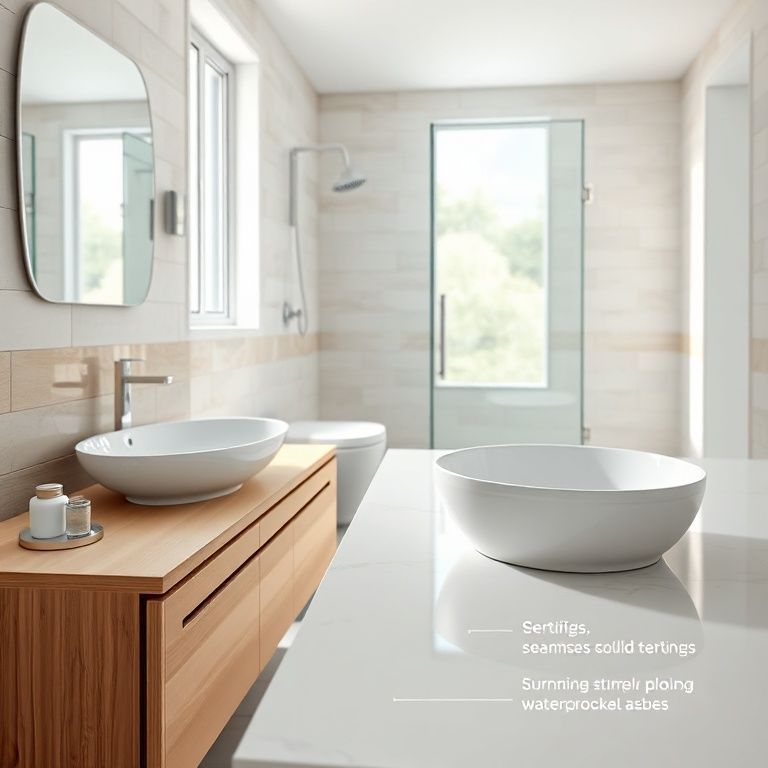
Understanding Artificial Marble
Artificial marble, also known as cultured marble or quartz, is a composite material created by mixing natural minerals such as calcite, aragonite, and dolomite with resin binders. This mixture is then poured into molds, where it hardens into a stone-like material. The process often involves high temperatures and pressures, which bond the minerals together to create a solid, durable surface.
The Composition Breakdown
Natural Minerals: The primary components of artificial marble are natural minerals like calcite, aragonite, and dolomite. These materials are sourced from limestone and other sedimentary rocks. While these minerals are abundant and relatively non-toxic, their combination with resins and other additives raises questions about the overall safety of the material.
Resin Binders: To achieve the desired strength and durability, resin binders are used. These are typically synthetic polymers that act as a glue to hold the minerals together. The most common resin used is polyester or epoxy resin, both of which are engineered to withstand high stress and temperatures.
Colorants and Pigments: Artificial marble can be colored using various pigments. These colors can range from natural hues to vibrant, synthetic shades. While most pigments used are considered safe, some may contain additives or chemicals that could raise concerns about toxicity.
Manufacturing Process
The production of artificial marble involves several critical steps:
Crushing and Mixing: Natural minerals are crushed and mixed with resin binders and colorants.
Pouring and Molding: The mixture is poured into molds and subjected to high pressure and temperature to cure and harden.
Finishing: Once cured, the material is trimmed, polished, and sometimes coated with additional layers to enhance its appearance and durability.
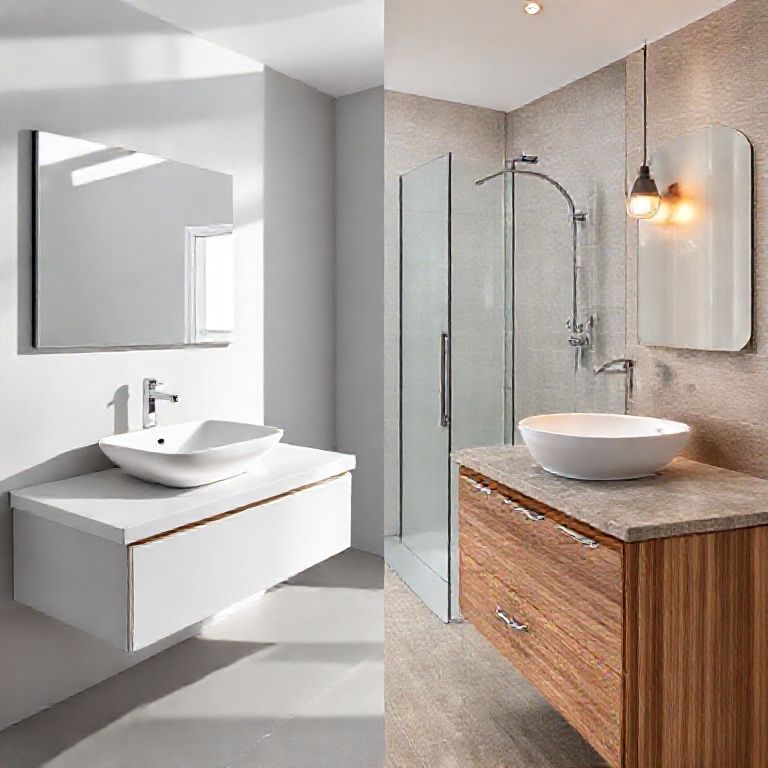
Potential Health Concerns
While the materials used in artificial marble are generally considered safe, there are some potential health concerns that warrant careful consideration:
Resin Fumes: During the manufacturing and installation process, fumes from the resin binders can be released. These fumes may contain volatile organic compounds (VOCs) that could cause respiratory irritation or other health issues. To mitigate this, it’s essential to ensure proper ventilation during installation and to allow ample time for the material to cure before use.
Colorants and Additives: Some colorants and additives used in artificial marble might include chemicals that could pose health risks if not properly regulated. It’s crucial to choose products from reputable manufacturers who adhere to safety standards and provide detailed information about their materials.
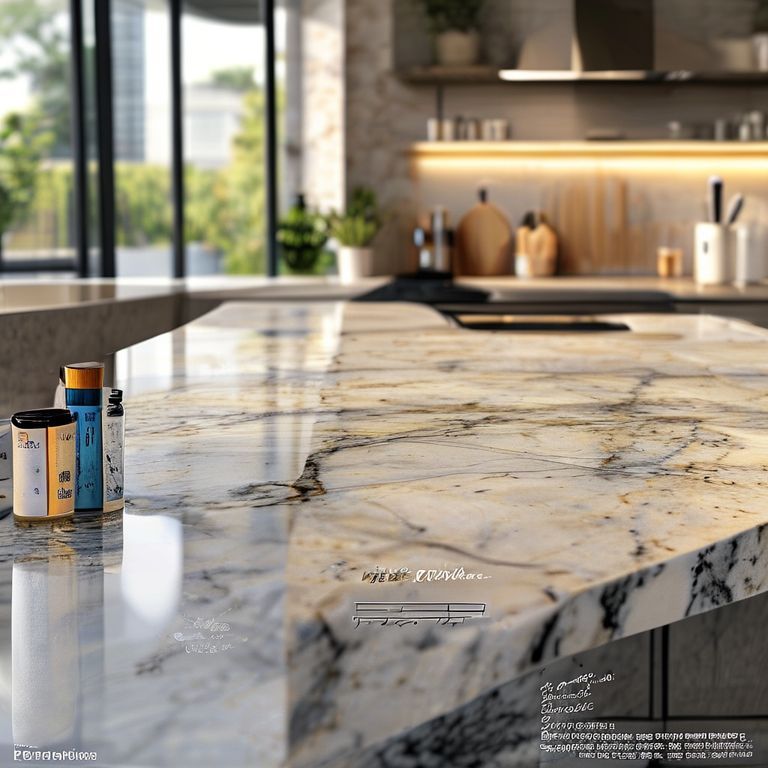
Surface Wear and Chips: Over time, artificial marble surfaces can wear or chip, potentially exposing the underlying materials. While the core material is generally non-toxic, any exposed resin or colorants might raise concerns about toxicity.
Environmental Impact
The production and disposal of artificial marble also have environmental implications:
Resource Use: The extraction of natural minerals contributes to environmental degradation and resource depletion. Sustainable sourcing practices are essential to minimize these impacts.
Waste Management: Improper disposal of artificial marble can contribute to landfill waste. Recycling or responsible disposal methods should be considered to mitigate environmental harm.
Conclusion
In summary, artificial marble is primarily composed of natural minerals bonded with resins and pigments. While the core materials are generally non-toxic, the resins and additives used in the manufacturing process can pose potential health risks, particularly during installation and in cases of surface wear. Proper ventilation, responsible sourcing, and adherence to safety standards are crucial in ensuring the safety and sustainability of artificial marble.
Stay tuned for the second part of our article, where we will further explore the health implications, safety certifications, and alternatives to artificial marble.
Safety Certifications, Health Implications, and Alternatives
In the previous part, we explored the composition and production process of artificial marble, addressing the question, “Is artificial marble toxic?” Now, let’s delve deeper into the health implications, safety certifications, and alternatives to help you make an informed decision.
Safety Certifications
To ensure that artificial marble is safe for use, manufacturers often obtain various certifications that attest to the material’s quality and safety. Here are some key certifications to look for:
ISO Certification: The International Organization for Standardization (ISO) provides certifications that ensure products meet international quality and safety standards. Artificial marble with ISO certification has undergone rigorous testing to ensure it meets specific safety and performance criteria.
UL Recognition: Underwriters Laboratories (UL) is a global safety science company that provides certification for a wide range of products. UL recognition indicates that the artificial marble has been tested for safety and durability.
RoHS Compliance: The Restriction of Hazardous Substances (RoHS) directive ensures that products do not contain harmful levels of certain substances like lead, mercury, cadmium, and phthalates. Artificial marble that meets RoHS standards is considered safer for use.
Health Implications
Understanding the health implications of artificial marble involves considering several factors:
VOC Emissions: As mentioned earlier, the resin binders used in artificial marble can release VOCs during manufacturing and curing. Prolonged exposure to high levels of VOCs can cause respiratory irritation, headaches, and other health issues. To minimize these risks, it’s important to: Ensure proper ventilation during installation. Allow adequate curing time before using the surface. Use air purifiers or dehumidifiers to reduce indoor air pollution. Chemical Leaching: While artificial marble is generally stable, there is a potential for chemical leaching, particularly if the surface is damaged. This can expose users to chemicals from the resins and pigments. To mitigate this risk: Regularly clean and maintain the surface to prevent damage. Use non-abrasive cleaning products to avoid scratching the surface. Avoid prolonged exposure to acidic or caustic substances. Allergies and Sensitivities: Some individuals may be allergic or sensitive to specific chemicals used in artificial marble. Symptoms can include skin irritation, respiratory issues, or other allergic reactions. To address this: Choose products from reputable manufacturers with clear information on their materials. Test a small area before full installation to check for adverse reactions. Consult with healthcare professionals if you have known allergies or sensitivities.
Comparative Safety of Alternatives
Given the potential concerns with artificial marble, it’s useful to compare its safety with other alternatives like natural stone, granite, and quartz.
Natural Stone: Natural stone, such as granite, marble, and quartz, is composed entirely of natural minerals. While it offers durability and aesthetic appeal, natural stone can pose its own set of challenges: Cost: Natural stone is generally more expensive than artificial marble. Weight: It is heavier and requires more robust installation methods. Maintenance: Natural stone can be prone to staining and requires regular sealing to maintain its appearance.
Granite: Granite is a popular choice for countertops due to its durability and resistance to scratches and stains. However, it is susceptible to acid staining and requires sealing. Additionally, some granite may contain trace amounts of radioactive materials, which can pose radiation exposure risks.
Quartz: Quartz is another composite material, similar to artificial marble, but made from 93% natural quartz particles bonded with resin. Quartz is known for its durability, resistance to stains, and low maintenance. However, like artificial marble, it can release VOCs during installation.
Making Informed Choices
When deciding whether artificial marble is safe for your home or business, consider the following steps:
Research Manufacturers: Choose products from reputable manufacturers who provide detailed information about their materials and certifications.
Read Reviews: Look for customer reviews and testimonials to gauge the experiences of other users regarding the safety and performance of the product.
Consult Professionals: If you have specific health concerns or require a material for sensitive environments, consult with professionals who can provide expert advice.
Evaluate Alternatives: Consider the pros and cons of alternative materials like natural stone, granite, and quartz to determine the best option for your needs.
Conclusion
In conclusion, artificial marble offers a durable and aesthetically pleasing alternative to natural stone, but its safety depends on several factors, including its composition, manufacturing process, and proper installation practices. By understanding the potential health implications and considering safety certifications, you can make an informed decision about whether artificial marble is right for your space. Always prioritize proper ventilation, regular maintenance, and adherence to safety standards to ensure a healthy and safe environment.
Stay informed and make the best choice for your home or business. If you have further questions or need personalized advice, don’t hesitate to reach out to professionals in the field.
This two-part soft article aims to provide a comprehensive understanding of artificial marble, addressing its composition, safety certifications, health implications, and alternatives,当然,继续我们的探讨,让我们更深入地了解人造大理石的安全性以及如何在选择和使用它时更好地保护自己和家人的健康。
选择高质量的人造大理石
查看成分和证书:选择人造大理石时,了解其成分和制造工艺非常重要。优质的人造大理石应该透明其成分,并提供有关其材料的详细信息。检查是否有相关的安全认证,例如ISO认证、RoHS认证等,以确保材料符合国际安全标准。
了解制造商的背景:选择有声誉和经验丰富的制造商。这些公司通常会更严格地控制材料的质量和环保标准,提供更安全的产品。
安装和维护
专业安装:确保人造大理石由专业人员安装。专业的安装能够确保材料在使用过程中不会受到损坏,减少潜在的化学物质泄漏风险。
适当的清洁:使用温和、非酸性的清洁剂来清洁人造大理石表面。避免使用含有氨或强酸的清洁剂,这些化学物质可能会与人造大理石材料发生反应,释放有害物质。
避免长期接触有害物质:尽量避免在人造大理石表面长时间存放含有腐蚀性的物质,例如酚、醇、酮等化学物质,这些物质可能会损害材料并释放有害化学物质。
环境影响与可持续性
可持续性:虽然人造大理石在材料成分上可以更好地控制,但其制造过程可能涉及大量的能源消耗和化学物质的使用。选择那些在制造过程中采用可再生能源和环保材料的制造商,有助于减少环境影响。
回收和再利用:一些高端的人造大理石制造商提供产品的回收和再利用服务,这不仅对环境有益,还能减少新材料的开采和制造过程中的污染。
其他替代材料的比较
天然石材:天然石材如花岗岩、大理石和石英等,虽然具有天然的美观和耐用性,但其成分和制造过程中的环境影响可能较大。天然石材中可能含有微量的放射性物质,需要特别注意其安全性。
石英石:石英石是一种纯碳化硅材料,具有极高的耐用性和抗污性,但其制造过程中使用的能源和化学物质也需要关注。
结论
人造大理石在适当的选择、安装和维护下,是一种相对安全的材料。通过选择高质量的产品、专业的安装和适当的维护,可以有效降低其潜在的健康风险。关注材料的环境影响,选择那些在生产过程中更加环保的产品,也是我们应当做出的考量。
希望这些信息能帮助你更好地理解和使用人造大理石,确保在家庭或工作环境中的安全。如果你有更多具体的问题或需要进一步的建议,随时欢迎提问。