Kitchen Countertop Replacement Pitfalls to Avoid: Part 1
When it comes to home renovations, kitchen countertops are one of the most significant investments you’ll make in your home. The countertop is the heart of your kitchen, where you prepare meals, entertain guests, and spend countless hours with family and friends. That’s why choosing the right material, design, and installation method is crucial. However, many homeowners encounter unexpected challenges during the countertop replacement process. To help you avoid these pitfalls, let’s delve into the essential considerations for a successful kitchen countertop replacement.

1. Understanding Your Budget:
One of the foremost pitfalls in kitchen countertop replacement is underestimating the budget. While it’s tempting to choose a high-end material like granite or marble for its durability and aesthetic appeal, it’s important to factor in not just the material cost but also the installation fees, which can significantly add to the total cost.
Tip: Start by setting a clear budget that includes both material and labor costs. Research different materials and their price ranges to ensure you’re getting the best value for your money without stretching your budget thin. Remember, a well-planned budget can save you from unexpected financial strain later on.
2. Selecting the Right Material:
Choosing the right countertop material is a critical decision that affects both the aesthetics and functionality of your kitchen. Each material has its unique advantages and drawbacks.
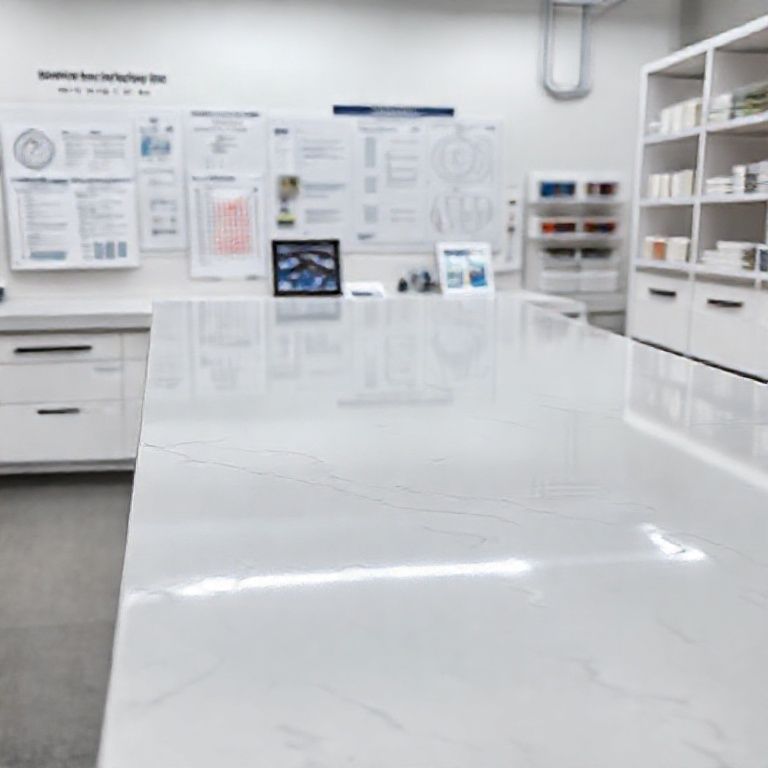
Tip: Consider your lifestyle and kitchen usage when selecting a material. For example, if you frequently entertain and need a durable surface, quartz or granite might be ideal. On the other hand, if you’re looking for something more affordable and easier to maintain, laminate or composite could be a better option. Research thoroughly and perhaps even consult with a professional to make an informed decision.
3. Matching Your Existing Cabinetry:
One common mistake is not considering the compatibility of your new countertop with existing cabinetry. This can lead to issues such as uneven edges, gaps, or mismatched finishes.
Tip: Always measure your cabinets and countertops accurately before making a purchase. If you’re planning to replace just the countertop, ensure the new material complements the existing cabinets. Consider the color, texture, and style to maintain a cohesive look. In some cases, a custom cut or edge may be necessary to achieve a seamless fit.
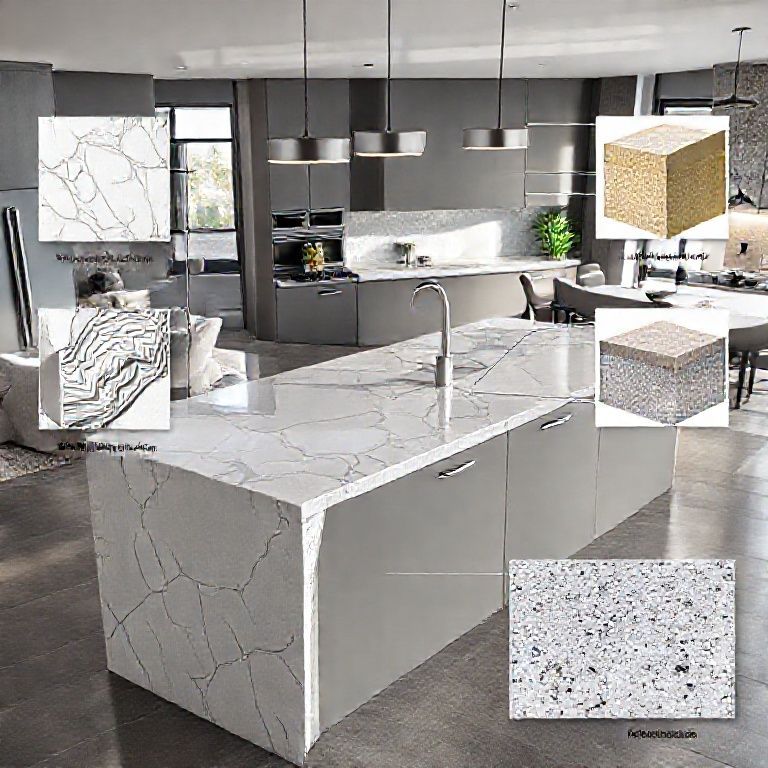
4. Ignoring Installation:
Installation is an often overlooked but crucial aspect of kitchen countertop replacement. Poor installation can lead to issues like gaps, uneven surfaces, and even structural damage.
Tip: Hire a professional installation service if possible. Even if you plan to do the installation yourself, ensure you follow all manufacturer guidelines meticulously. A well-executed installation will not only enhance the aesthetics but also extend the lifespan of your new countertop.
5. Overlooking Undermount Options:
While butcher block and solid stone countertops are popular choices, undermount countertops offer unique benefits that are often overlooked.
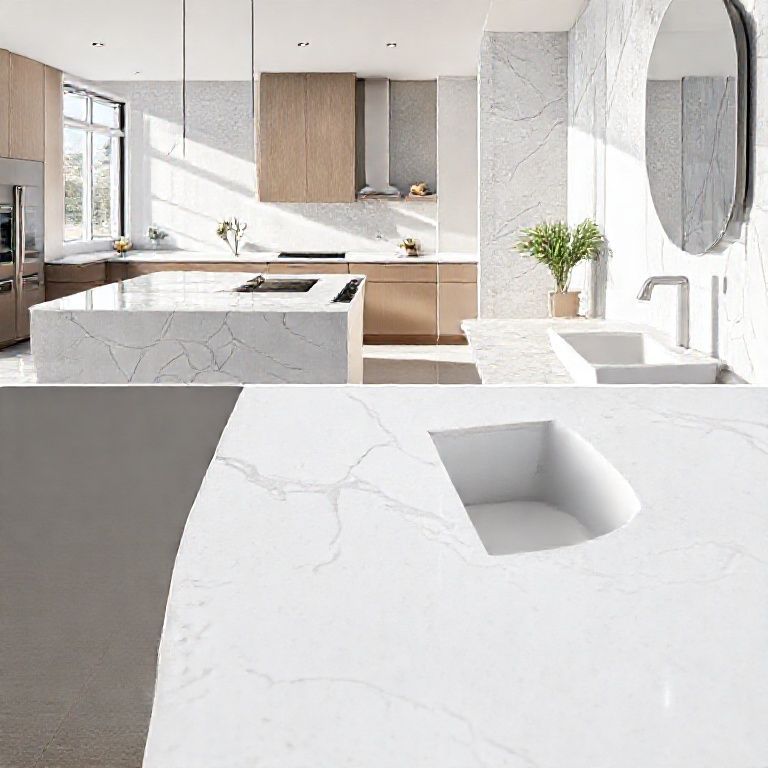
Tip: Undermount countertops can provide a sleek and modern look, especially if you choose materials like quartz or granite. They also offer better resistance to scratches and stains compared to traditional countertops. Consider an undermount if you’re looking for a contemporary design that’s easy to clean and maintain.
6. Neglecting the Sink Area:
The sink area can be a weak point in countertop replacement if not planned carefully. Cracks and gaps around the sink can lead to water damage and a less appealing look.
Tip: Invest in a custom cut and seal around the sink area. Many countertop materials offer kits specifically designed for sink installation, which ensure a tight and water-resistant fit. Regular maintenance of the sink area will help prolong the life of your countertop.
7. Failing to Plan for Waste:
When cutting countertops, waste is inevitable. Failing to plan for this waste can lead to unnecessary expenses and frustration.
Tip: Always cut extra material when ordering your countertop. This extra material can be used for repairs or future projects. It’s better to have a little extra than to be short when you need it.
8. Overcomplicating the Design:
While it’s tempting to go for a complex design, overly intricate designs can be difficult to install and maintain.
Tip: Keep your design simple and functional. Complex designs not only increase the risk of errors during installation but also make cleaning and maintenance more challenging. A simple, elegant design will always be more practical and easier to care for.
Conclusion:
Kitchen countertop replacement is a significant home improvement project that requires careful planning and consideration. By understanding your budget, selecting the right material, ensuring compatibility with existing cabinetry, and prioritizing professional installation, you can avoid common pitfalls and enjoy a beautiful, functional kitchen space. In the next part of our series, we will explore additional tips and considerations to ensure your kitchen countertop replacement project is a resounding success.
Kitchen Countertop Replacement Pitfalls to Avoid: Part 2
Building on the foundational tips from Part 1, we now delve deeper into advanced considerations for a successful kitchen countertop replacement. This second part of our series will cover critical aspects like water resistance, waste management, design considerations, and maintenance to help you avoid common pitfalls and achieve a flawless kitchen makeover.
1. Ensuring Water Resistance:
Water resistance is a crucial factor, especially for countertops that are frequently exposed to spills, splashes, and cooking activities. Neglecting water resistance can lead to stains, warping, and even structural damage over time.
Tip: Choose a material that is naturally water-resistant or offers a suitable sealant. For instance, quartz and granite are highly resistant to water and stains, making them excellent choices for busy kitchens. Always follow the manufacturer’s instructions for sealing and maintaining water resistance.
2. Managing Waste Effectively:
While it’s inevitable to have some waste when cutting countertops, poor waste management can lead to additional costs and clutter.
Tip: Plan your cuts carefully to minimize waste. Use leftover material for small projects or repairs. If you’re particularly skilled, consider creating custom pieces like cutting boards or small serving trays from the leftover material. Proper waste management not only saves money but also contributes to a more organized workspace.
3. Addressing Design Complexity:
Design complexity can often lead to installation challenges and maintenance issues. While intricate designs can be visually stunning, they require more precision and can be more difficult to clean.
Tip: Opt for a design that balances aesthetics and functionality. Simple, clean lines and straightforward patterns are easier to install and maintain. If you do choose a more intricate design, ensure it’s feasible for your skill level or hire a professional to execute it correctly.
4. Considering Backsplash Integration:
The backsplash is often an overlooked element in kitchen design, but it plays a significant role in the overall aesthetic and functionality of your kitchen.
Tip: Coordinate your backsplash with your countertop material to create a seamless look. Choose a cohesive color scheme and style to maintain harmony throughout the kitchen. If you’re unsure, consult with a designer for professional advice on how to integrate your backsplash with your new countertop.
5. Addressing Safety Concerns:
Safety is paramount in any kitchen renovation, especially when dealing with cutting, sawing, and installation processes.
Tip: Always follow safety guidelines and use appropriate protective equipment. Wear safety glasses, gloves, and masks when cutting and installing countertops. Ensure your workspace is well-ventilated and free of obstacles to prevent accidents. Hiring a professional with proper safety training can also mitigate risks.
6. Planning for Future Maintenance:
Proper maintenance is essential to prolong the life and beauty of your new countertop. Neglecting maintenance can lead to issues like staining, scratching, and dullness.
Tip: Follow the manufacturer’s maintenance instructions meticulously. Regular cleaning with suitable products will keep your countertop looking pristine. Avoid using abrasive cleaners or sponges that can scratch the surface. For high-end materials like granite, consider using sealing products to maintain water resistance and shine.
7. Managing Environmental Impact:
Environmental sustainability is an increasingly important consideration in home renovation projects. Choosing eco-friendly materials and practices can reduce your environmental footprint.
Tip: Look for countertops made from sustainable materials, such as recycled or low-VOC (volatile organic compounds) products. Consider sourcing materials locally to reduce transportation emissions. Additionally, practicing responsible waste management and recycling when possible can contribute to a greener renovation process.
8. Leveraging Technology and Innovation:
Modern technology offers innovative solutions that can enhance your kitchen countertop replacement project. From digital design tools to advanced installation techniques, leveraging technology can streamline the process and improve outcomes.
Tip: Utilize digital design tools to visualize your countertop design before installation. This can help you make informed decisions and avoid costly修改后,现在我们将继续探讨更多的技巧和方法,以确保你在进行厨房台面更换时能够避免常见的陷阱,并成功完成项目。
9. 预算管理和成本控制:
预算管理在整个项目中起着至关重要的作用。为了确保在整个过程中不会超出预算,需要制定详细的预算计划,并严格控制开支。
Tip: 在每个步骤中记录开销,并定期审查以确保在预算范围内。如果预算有任何超支,尝试在其他方面进行调整。例如,可以考虑选择相对便宜的材料,或者延迟一些次要装饰工作。
10. 咨询专业人士:
在整个过程中,咨询专业人士可以提供宝贵的建议和指导,确保项目按计划进行。
Tip: 不要犹豫寻求专业人士的帮助,特别是在材料选择、设计方案和复杂安装步骤中。专业人士的经验和知识可以帮助你做出最佳决策,并避免可能的错误。
11. 时间管理:
有效的时间管理可以确保项目按时完成,并减少不必要的延误和成本增加。
Tip: 制定详细的时间表,包括每个步骤所需的时间。确保每个阶段都有明确的截止日期,并在必要时调整计划以应对任何意外情况。
12. 提前准备:
提前准备工作可以大大简化安装过程,并减少现场的混乱。
Tip: 在开始安装之前,确保所有材料和工具都已到位。提前测量和裁剪任何需要的材料,并确保所有工具处于良好的工作状态。这样可以避免因材料不足或工具问题导致的延误。
13. 了解法规和许可:
在某些地区,厨房改造可能涉及到建筑法规和许可。了解并遵守这些法规可以避免法律问题。
Tip: 在开始项目之前,查询你所在地区的建筑法规和可能需要的许可。如果有必要,确保获取相应的许可,并在整个过程中遵循这些规定。
14. 确保卫生安全:
厨房是家庭中的重要区域,确保卫生安全尤为重要。选择和安装适当的材料和设备可以提高卫生标准。
Tip: 选择抗菌、易清洁的材料,并确保所有工作区域在安装后保持清洁。定期进行维护和清洁,以保持卫生和安全。
15. 最后检查和验收:
在项目完成后,进行详细的最后检查和验收,确保所有工作都符合预期。
Tip: 仔细检查所有安装细节,包括接缝、边缘和表面光滑度。如果发现任何问题,立即与专业人员沟通并进行修复。确保所有工具和材料被清理干净,工作区域恢复整洁。
结论:
通过以上详细的建议和技巧,你现在应该有了更全面的视角来规划和执行厨房台面更换项目。从预算管理到材料选择,再到安装和维护,每一个步骤都需要细致的计划和执行。希望这些指导能帮助你成功避免常见的陷阱,实现一个美观、实用且耐用的厨房台面。如果你有任何疑问或需要进一步的帮助,不要犹豫咨询专业人士。