Kitchen Countertop Dilemma: Choosing Between Quartz Stone and Stainless Steel
When it comes to choosing the perfect kitchen countertop, the decision between quartz stone and stainless steel often presents itself as a tough dilemma. Both materials have unique characteristics that appeal to different design preferences and practical needs. Let’s delve into the world of these two popular choices to help you determine which one aligns best with your vision and lifestyle.

Quartz Stone Countertops: The Modern Marvel
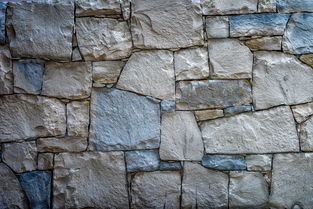
Quartz stone countertops have surged in popularity over the last decade due to their impressive combination of durability, design flexibility, and low maintenance. Manufactured by combining 94% natural stone with resins and other minerals, quartz offers an unparalleled strength and resistance to heat, stains, and scratches.
Pros of Quartz Stone:
Durability and Strength: Quartz is incredibly durable. It’s ten times harder than granite and offers superior resistance to scratches, making it a perfect choice for high-traffic areas like kitchens.
Design Versatility: With a wide range of colors and patterns available, quartz can mimic almost any natural stone, giving you a limitless scope for design creativity. Whether you prefer a sleek, monochromatic look or a rich, textured appearance, quartz can be customized to fit your aesthetic vision.
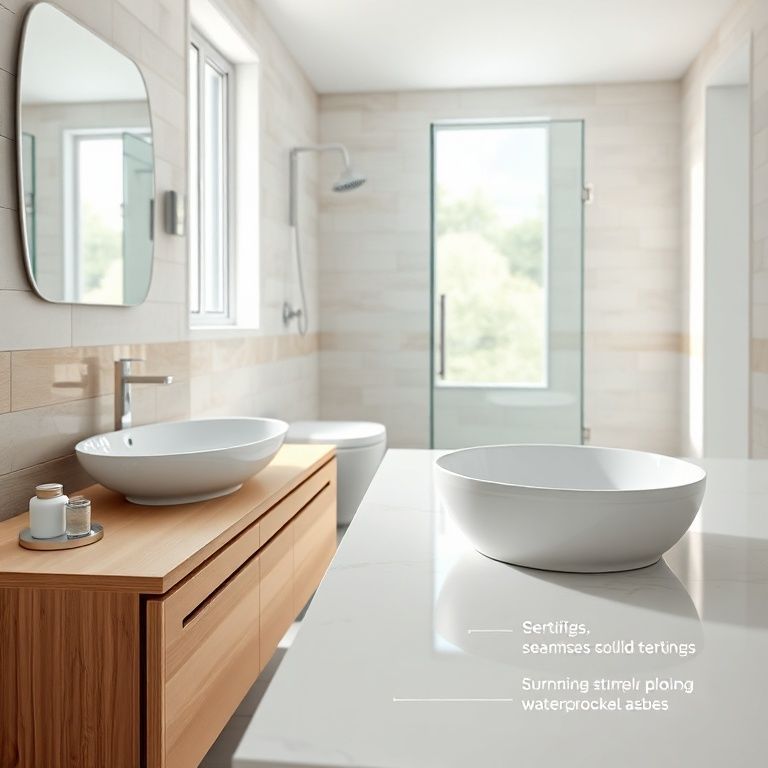
Low Maintenance: One of the most significant advantages of quartz is its low maintenance. Unlike natural stone, quartz does not require sealing, thus eliminating the risk of staining and the need for regular upkeep.
Water Resistance: Quartz is water-resistant and does not absorb water, which means it’s easy to clean and maintain. A simple wipe with a damp cloth suffices for everyday cleaning, and for tougher spots, a mild cleaner works just fine.
Affordability: Compared to some other natural stone options, quartz is relatively affordable. This makes it a popular choice for those who want high-quality countertops without breaking the bank.
Cons of Quartz Stone:
Heat Resistance: While quartz is heat-resistant, it’s not as good as granite in terms of withstanding extremely high temperatures. It’s still advisable to avoid placing hot pots or pans directly on the surface to prevent potential warping.
Installation Complexity: Quartz countertops can be more challenging to install than other types, requiring professional expertise to ensure a flawless finish.
Stainless Steel Countertops: The Sleek and Functional Choice
Stainless steel countertops are celebrated for their sleek, modern appearance and practicality. Made from a combination of stainless steel and other materials, these countertops offer an industrial yet stylish look that’s perfect for contemporary kitchens.
Pros of Stainless Steel:
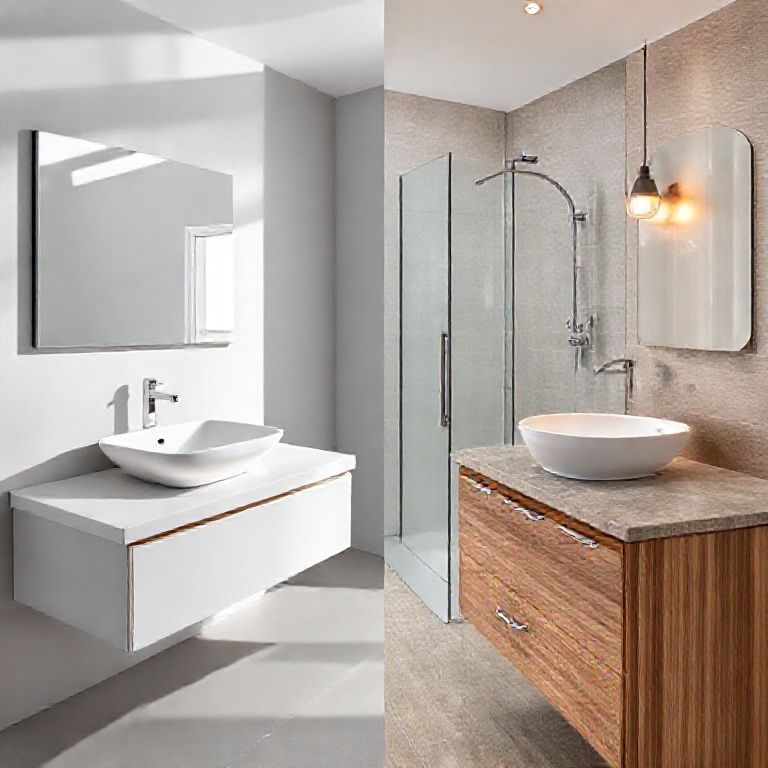
Aesthetic Appeal: Stainless steel countertops have a timeless, modern look that complements a variety of kitchen styles, from industrial to contemporary. They provide a clean, minimalist aesthetic that can enhance the overall design of your kitchen.
Durability: Stainless steel is highly durable and resistant to scratches, dents, and impact. This makes it an excellent choice for kitchens where durability is a top priority.
Easy Maintenance: Cleaning stainless steel is straightforward. A simple wipe with soap and water, followed by a drying to prevent water spots, is usually all that’s needed to keep it looking pristine.
Heat Resistance: Stainless steel is excellent at handling high temperatures. It’s suitable for placing hot pots, pans, and oven trays directly on the surface without any risk of damage.
Affordability: Depending on the quality and brand, stainless steel countertops can be relatively affordable, offering a cost-effective solution for those seeking a high-performance surface.
Cons of Stainless Steel:
Staining and Scratches: While stainless steel is resistant to many types of stains, it can still show some marks and fingerprints over time. Regular cleaning is necessary to maintain its pristine look.
Wear and Tear: Over time, the glossy finish can wear down due to continuous use and exposure to harsh chemicals, leading to a dull appearance.
Cold to Touch: Stainless steel can feel cold to the touch, which might not be the most comfortable option for those who prefer a warmer kitchen surface.
Conclusion
Both quartz stone and stainless steel offer distinct advantages and come with their own set of challenges. Quartz stone excels in durability, design flexibility, and low maintenance, making it a top choice for those who want a natural stone look with minimal upkeep. On the other hand, stainless steel provides a sleek, modern aesthetic with excellent durability and ease of cleaning, albeit with a higher maintenance requirement.
Ultimately, your decision should hinge on your specific needs, lifestyle, and aesthetic preferences. Whether you opt for the timeless elegance of quartz stone or the contemporary allure of stainless steel, both materials promise to enhance the functionality and beauty of your kitchen space.
Kitchen Countertop Dilemma: Choosing Between Quartz Stone and Stainless Steel
In the previous section, we explored the various facets of quartz stone and stainless steel countertops. To help you make a well-informed decision, we’ll continue our deep dive into the advantages and drawbacks of these two materials, focusing more on their practical aspects and long-term considerations.
Deep Dive into Quartz Stone:
1. Design and Customization:
Quartz stone’s standout feature is its design versatility. It can mimic the look of various natural stones like granite, marble, and even wood. This allows for extensive customization to match any kitchen style, from rustic to ultra-modern. The ability to create unique patterns and colors means you can design a countertop that’s not just functional but also a work of art.
2. Maintenance:
While quartz is incredibly low-maintenance, it’s important to note that it’s still made from natural stone elements. This means it’s not impervious to all types of stains. To maintain its pristine appearance, it’s advisable to clean up spills immediately and avoid using abrasive cleaners or sharp objects on the surface. However, with proper care, quartz countertops can last for decades without significant upkeep.
3. Installation:
The installation of quartz countertops can be complex and typically requires professional expertise. The process involves precise cutting and fitting to ensure a seamless and flawless finish. While this might add to the initial cost, the professional installation ensures longevity and a beautiful appearance.
4. Cost:
Quartz stone countertops are generally more affordable than some other natural stone options, but they can still be on the higher end of the price spectrum. However, considering their durability and low maintenance, they offer good value for money in the long run.
Exploring Stainless Steel:
1. Aesthetic Appeal:
Stainless steel countertops offer a sleek, contemporary look that’s highly appealing in modern kitchens. They provide a clean, minimalist aesthetic that can enhance the overall design of your kitchen. The metallic sheen of stainless steel gives a modern and sophisticated touch that can elevate the entire kitchen space.
2. Practicality:
One of the key benefits of stainless steel is its practicality. It’s highly durable and resistant to scratches, dents, and impact. This makes it an excellent choice for kitchens where the countertop is frequently used for cooking and other activities. The high-temperature resistance of stainless steel also means you can place hot pots and pans directly on the surface without any risk of damage.
3. Maintenance:
While stainless steel is easy to clean, it does require regular maintenance to keep its pristine look. Over time, fingerprints and minor scratches can accumulate, leading to a less polished appearance. To maintain the shine, it’s advisable to clean it regularly with a mild soap solution and dry it thoroughly to prevent water spots. Some high-end stainless steel countertops come with a protective coating that can reduce the need for frequent cleaning.
4. Cost:
Stainless steel countertops are generally more affordable than quartz stone, but prices can vary depending on the quality and brand. While they offer a cost-effective solution for high-performance countertops, the initial cost can be a consideration for some.
Long-term Considerations:
Durability and LongevityLong-term Considerations:
When making a decision between quartz stone and stainless steel countertops, it’s crucial to consider their long-term durability, maintenance requirements, and overall cost-effectiveness.
Quartz Stone:
Durability: Quartz stone is known for its exceptional durability. It’s ten times harder than granite and offers superior resistance to scratches, dents, and impact. This makes it a long-lasting option that can withstand the wear and tear of everyday kitchen use. Over time, with proper care, quartz countertops can maintain their appearance and functionality.
Maintenance: One of the most significant advantages of quartz is its low maintenance. Unlike natural stone, quartz does not require sealing, thus eliminating the risk of staining and the need for regular upkeep. A simple wipe with a damp cloth suffices for everyday cleaning, and for tougher spots, a mild cleaner can be used. This low-maintenance feature makes quartz an attractive option for busy households.
Cost-Effectiveness: While quartz countertops may have a higher upfront cost compared to some other materials, their durability and low maintenance make them a cost-effective choice in the long run. The need for less frequent repairs and the elimination of sealing costs contribute to their value over time.
Stainless Steel:
Durability: Stainless steel is highly durable and resistant to scratches, dents, and impact. Its strength makes it suitable for high-traffic kitchen areas where it will be subjected to frequent use. However, over time, the glossy finish can wear down due to continuous use and exposure to harsh chemicals, leading to a dull appearance.
Maintenance: Stainless steel countertops require regular maintenance to keep their pristine look. Fingerprints, minor scratches, and water spots can accumulate over time. Regular cleaning with a mild soap solution and thorough drying helps prevent water spots and maintain the shine. Some high-end stainless steel countertops come with a protective coating that can reduce the need for frequent cleaning, but regular upkeep is still necessary to keep the surface looking new.
Cost-Effectiveness: Stainless steel countertops are generally more affordable than quartz stone, but the initial cost can be a consideration for some. While they offer a cost-effective solution for high-performance countertops, the need for regular maintenance can add to the overall cost over time.
Environmental Considerations:
Quartz Stone:
Sustainability: Quartz stone is a man-made product that is created through a process that combines natural stone with resins and other materials. While it offers a sustainable alternative to natural stone, it’s important to consider the environmental impact of the manufacturing process.
Stainless Steel:
Recyclability: Stainless steel is highly recyclable, making it an environmentally friendly option. At the end of its life, stainless steel can be melted down and reused, reducing the need for new raw materials and minimizing waste.
Final Decision:
When deciding between quartz stone and stainless steel countertops, consider the following factors:
Aesthetic Preferences: If you prefer a natural stone look with design versatility, quartz stone is an excellent choice. For a sleek, modern appearance, stainless steel is the way to go.
Maintenance: If low maintenance is a priority, quartz stone is the better option. Stainless steel requires more regular upkeep to maintain its appearance.
Durability: Both materials offer exceptional durability, but quartz stone has an edge in scratch and impact resistance.
Cost: Stainless steel is generally more affordable upfront, but quartz stone’s low maintenance can make it cost-effective in the long run.
Ultimately, the best choice depends on your specific needs, lifestyle, and design preferences. Both quartz stone and stainless steel can provide a beautiful and functional kitchen countertop that enhances the overall aesthetic and functionality of your kitchen space.