Durability and Safety of Quartz Kitchen Countertops
In the ever-evolving world of kitchen design, one material has risen to the top as a preferred choice for countertops: quartz. Known for its sleek, modern appearance and durability, quartz has become a popular choice for homeowners and designers alike. But what about its safety? Let’s explore the safety and durability aspects of quartz kitchen countertops in detail.

What is Quartz?
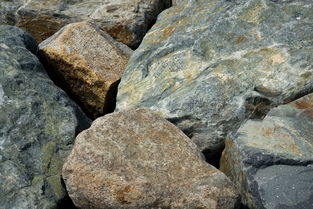
Quartz is a naturally occurring mineral composed primarily of silicon dioxide (SiO2). However, the quartz countertops used in kitchens are not made directly from natural quartz. Instead, they are created using a proprietary process by manufacturers like Stoneware and Cosentino. This process involves combining crushed quartz with a polymer resin to form a solid surface material.
Durability of Quartz Countertops
One of the primary reasons quartz has gained popularity is its exceptional durability. Here’s a detailed look at why quartz is considered a durable material for kitchen countertops:
Heat Resistance: Quartz countertops can withstand high temperatures without warping or cracking. This makes them ideal for areas near stovetops and ovens, where other materials might fail.
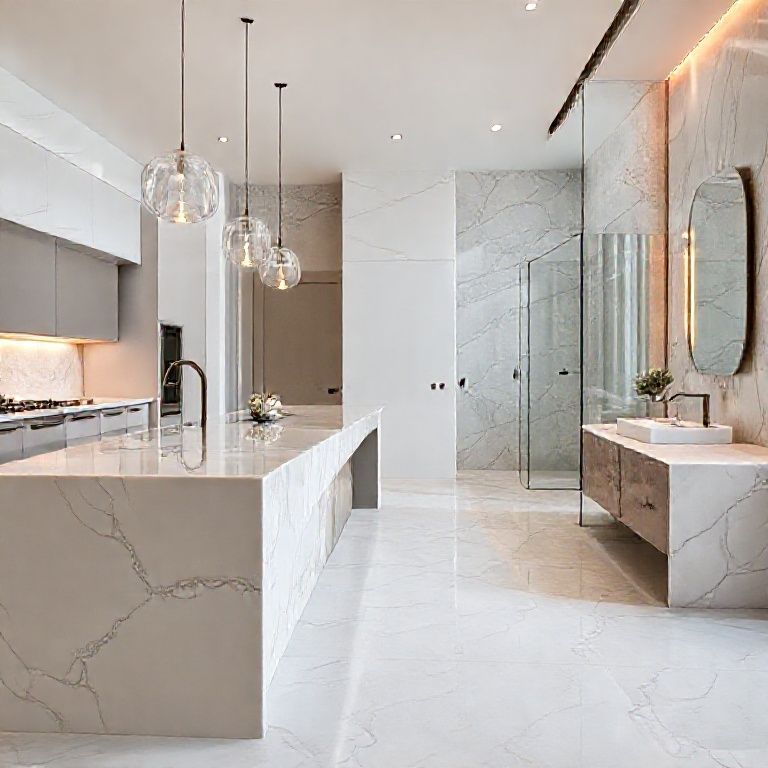
Scratch and Stain Resistance: Quartz is incredibly resistant to scratches and stains, making it easier to maintain. Unlike granite or marble, quartz does not absorb liquids, which means spills won’t leave permanent marks.
Chopstick-Hard Surface: The hardness of quartz makes it resistant to nicks and cuts, even from sharp knives. This durability extends the lifespan of the countertop and reduces the need for frequent replacements.
Waterproof and Non-Porous: Unlike natural stone, quartz is waterproof and non-porous. This characteristic ensures that bacteria and mold do not thrive on the surface, maintaining a clean and hygienic kitchen environment.
Safety Considerations
When it comes to the safety of quartz countertops, there are several aspects to consider:
Chemical Resistance: Quartz is highly resistant to a wide range of chemicals, including acids and bases. This makes it a safe choice for kitchens where cleaning products and food preparation chemicals are frequently used.
Non-Toxic: Unlike some other countertop materials, quartz is non-toxic. The process of creating quartz countertops does not involve harmful chemicals that could leach into food or air.
Installation Safety: The installation of quartz countertops is generally straightforward. However, it’s essential to use appropriate cutting tools and safety gear to avoid injuries. Most quartz slabs can be cut with a tile cutter, and installation can typically be done with standard adhesives and screws.
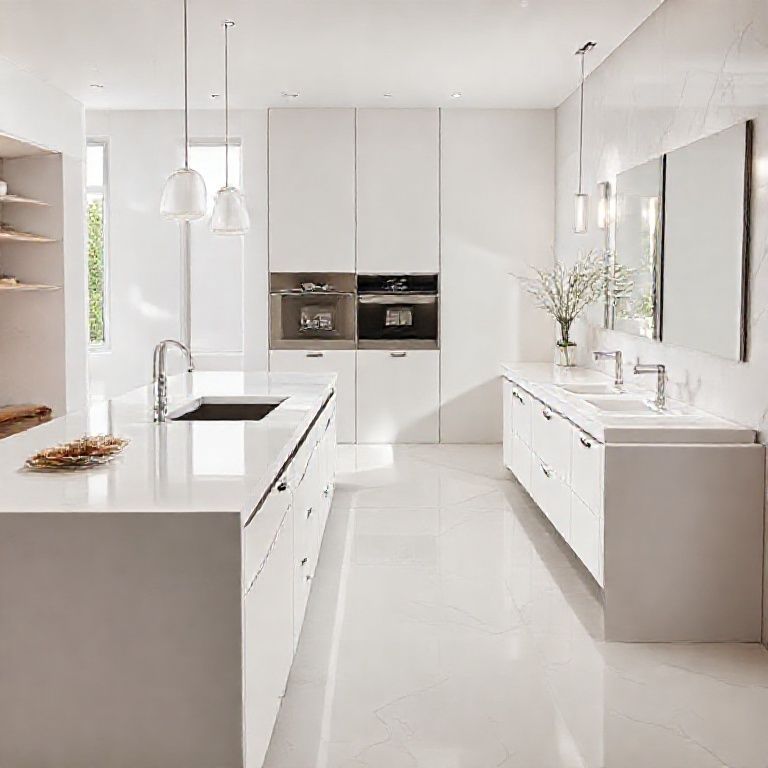
Fire Safety: Quartz is a stable material that does not burn. This makes it a safe choice in the event of a kitchen fire, as it won’t contribute to the spread of flames.
Health Concerns
While quartz countertops are generally safe, it’s worth discussing some potential concerns:
Dust During Installation: During the installation process, dust can be generated from cutting and sawing quartz slabs. It’s important to wear appropriate masks and safety glasses to protect against inhaling this dust.
Manufacturing By-products: Some concerns have been raised about the manufacturing by-products of synthetic quartz. However, reputable manufacturers follow strict safety protocols to minimize these by-products. Additionally, the materials used in manufacturing are generally non-toxic and do not pose significant health risks.
Allergic Reactions: Although rare, some individuals might experience allergic reactions to the adhesives or sealants used in conjunction with quartz countertops. It’s important to choose high-quality products from reputable manufacturers to reduce the risk of such reactions.
Conclusion
The durability and safety of quartz kitchen countertops make them a compelling choice for modern kitchens. Their resistance to heat, scratches, stains, and chemicals, combined with their non-toxic nature, make them an excellent option for those looking for a long-lasting, easy-to-maintain countertop.
In the next part of this article, we will delve deeper into the maintenance, environmental impact, and overall cost-effectiveness of quartz countertops. Stay tuned for more insights to help you make an informed decision for your kitchen renovation.
Maintenance, Environmental Impact, and Cost-Effectiveness of Quartz Kitchen Countertops
Having covered the durability and safety aspects of quartz kitchen countertops, let’s delve deeper into their maintenance, environmental impact, and overall cost-effectiveness. Understanding these factors will help you make an informed decision about whether quartz is the right choice for your kitchen.
Maintenance of Quartz Countertops
Proper maintenance is key to ensuring that your quartz countertop remains beautiful and functional for years to come. Here’s a look at the maintenance requirements for quartz:
Cleaning: Quartz countertops are relatively easy to clean. Here are some simple steps to maintain their pristine appearance: Daily Cleaning: Wipe the surface with a soft, damp cloth and mild dish soap. Avoid using abrasive cleaners or sponges that could scratch the surface. Deep Cleaning: For tougher stains, use a specialized quartz cleaner or a mixture of water and vinegar. Apply the cleaner to a soft cloth and gently wipe the surface. Avoiding Harsh Chemicals: Refrain from using bleach or ammonia-based cleaners, as these can damage the surface.
Repairing Chips and Cracks: Unlike natural stone, quartz does not chip easily. However, if a chip or crack does occur, it can usually be repaired with a quartz countertop repair kit available at most hardware stores.
Sealing: While quartz does not require sealing like granite or marble, it’s a good idea to apply a clear topcoat every few years to enhance its appearance and provide an additional layer of protection against stains.
Environmental Impact
The environmental impact of quartz countertops is another important consideration. Here’s what you need to know:
Manufacturing Process: The manufacturing process of quartz countertops involves the use of natural quartz and polymer resins. While the process does have some environmental impact, it is generally considered more sustainable than producing traditional stone countertops.
Energy Consumption: Quartz countertops require less energy to produce compared to natural stone. This reduction in energy consumption translates to lower greenhouse gas emissions.
Waste Reduction: The manufacturing process for quartz countertops generates less waste compared to cutting natural stone. This waste reduction helps in minimizing the environmental footprint.
Recyclability: Unlike natural stone, quartz countertops can be recycled at the end of their lifespan. This recycling process helps in reducing landfill waste and conserving natural resources.
Cost-Effectiveness
When considering the cost-effectiveness of quartz countertops, several factors come into play:
Initial Cost: Quartz countertops are generally more affordable than natural stone countertops. The cost varies depending on the design, color, and manufacturer. However, the initial investment is often lower compared to other high-end materials.
Longevity: The durability of quartz means that you won’t need to replace your countertops as frequently as with less durable materials. This longevity translates to long-term savings.
Maintenance Costs: The low maintenance requirements of quartz countertops mean that you’ll spend less on cleaning products and professional maintenance services over time.
Value Retention: Quartz countertops have a high value retention rate. They hold their value well, making them a smart investment for your home.
Conclusion
Quartz kitchen countertops offer a compelling combination of durability, safety, ease of maintenance, environmental sustainability, and cost-effectiveness. Whether you’re renovating an existing kitchen or designing a new one, quartz provides a modern, reliable, and long-lasting option.
In summary, the safety and benefits of quartz countertops make them an excellent choice for most kitchens. However, it’s essential to consider the installation process carefully and choose high-quality products from reputable manufacturers. With proper maintenance and care, a quartz countertop can enhance the beauty and functionality of your kitchen for years to come.
If you’re still on the fence about choosing quartz for your kitchen, weigh the pros and cons, and consider your specific needs and preferences. For many homeowners, the decision to go with quartz is a clear choice that offers unparalleled value and beauty.
By understanding all the aspects of quartz kitchen countertops, you’ll be well-equipped to make an informed decision that enhances both the aesthetics and functionality of your home.