Understanding Artificial Stone Countertops and Oil Penetration
Artificial stone countertops have become a popular choice for both commercial and residential spaces due to their durability, aesthetic appeal, and cost-effectiveness. These countertops are crafted from a mixture of minerals, binders, and pigments that mimic the look of natural stone, yet they offer a range of benefits that traditional stone does not.

What Are Artificial Stone Countertops?
Artificial stone, also known as synthetic stone or engineered stone, is a composite material that combines various natural minerals with synthetic polymers. This combination results in a surface that not only looks like marble, granite, or quartz but also exhibits superior hardness, scratch resistance, and low maintenance.
The Issue of Oil Penetration
One of the most common concerns regarding artificial stone countertops is oil penetration. This issue arises when oils from food, cooking, and cleaning products seep into the material and potentially affect its integrity and safety.
How Oil Penetration Occurs
Oil penetration in artificial stone countertops can occur due to several factors:
Cooking Activities: The frequent use of oils and fats in cooking can cause these substances to penetrate the surface. Daily Maintenance: Oils from cleaning products, especially those containing high levels of fat or oil, can also infiltrate the material. Material Composition: The specific formulation of the artificial stone can influence how well it resists oil penetration.
Myth vs. Reality
A prevalent myth is that oil penetration in artificial stone countertops is inherently harmful and toxic. However, this is not always the case. To understand the safety aspects, it’s crucial to delve deeper into the materials used and the nature of the oils involved.
Composition of Artificial Stone
Artificial stone is composed of:
Mineral Aggregates: These are finely ground minerals that provide the stone its strength and durability. Resin Binders: Polymers that bind the mineral aggregates together, giving the stone its cohesive structure. Pigments: These are used to color the stone to resemble natural stone varieties.
Safety of Oil Penetration
Non-Toxic Materials
Most artificial stone countertops are made from non-toxic materials. The binders and pigments used in their manufacture are typically approved for kitchen and bathroom use. However, it’s important to check the manufacturer’s specifications to ensure that no hazardous substances are present.

Absorption Rates
The absorption rate of oils in artificial stone varies depending on the specific formulation. High-quality artificial stones are designed to have low absorption rates, meaning they are less likely to penetrate deeply into the material.
Potential Health Implications
While the materials used in artificial stone countertops are generally non-toxic, it’s still important to consider:
Residual Oils: In some cases, residual oils might remain on the surface, potentially leading to a buildup that could be harmful if ingested. Chemical Interactions: Some oils and cleaning products might interact with the stone, leading to surface damage or discoloration.

Practical Implications
Kitchen Use
In a kitchen setting, where frequent oil exposure is common, it’s essential to:
Use appropriate cleaning agents that are safe for artificial stone. Regularly clean the surface to prevent oil buildup.
Bathroom Use
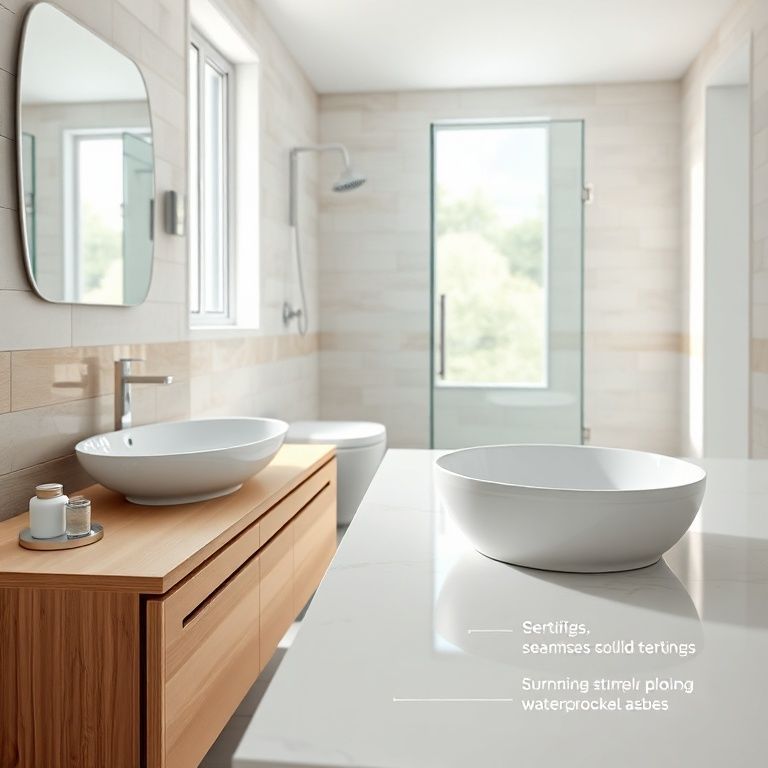
While bathrooms typically experience less oil exposure than kitchens, regular cleaning is still necessary to maintain the appearance and longevity of the countertops.
Conclusion to Part 1
In conclusion, while the issue of oil penetration in artificial stone countertops raises some valid concerns, it’s important to approach these worries with a clear understanding of the materials and their properties. Most artificial stone countertops are crafted from non-toxic materials and are designed to resist oil penetration effectively. However, maintaining the surface with appropriate cleaning practices is essential to ensure both the longevity and safety of these modern kitchen and bathroom essentials. In the next part, we will explore more in-depth solutions and recommendations for managing oil penetration in artificial stone countertops.
Solutions and Recommendations for Managing Oil Penetration in Artificial Stone Countertops
Having covered the basics and addressed common concerns about oil penetration in artificial stone countertops, it’s time to delve into practical solutions and recommendations. Understanding how to manage and mitigate oil penetration can help you maintain the beauty and functionality of your artificial stone surfaces.
Cleaning Practices
Appropriate Cleaning Agents
To prevent oil penetration and maintain the integrity of your artificial stone countertops, it’s crucial to use cleaning agents that are safe for this type of surface:
Mild Soaps and Detergents: Opt for non-abrasive, pH-neutral cleaners that won’t damage the surface. Specialized Cleaners: There are commercial cleaners specifically formulated for artificial stone. These are designed to clean without causing damage or oil penetration.
Cleaning Techniques
Using the right technique can make a significant difference in how well your artificial stone countertop resists oil penetration:
Wipe Immediately: Clean up spills and splatters as soon as they occur to prevent oils from seeping into the surface. Soft Cloths: Use soft, non-abrasive cloths to wipe down the surface. Avoid using paper towels or rough sponges that could scratch the stone. Warm Water: Always use warm water when cleaning to help dissolve oils and residues more effectively.
Maintenance Tips
Regular Cleaning
Regular maintenance is key to preventing oil buildup:
Daily Wipe-Downs: A quick wipe-down with a damp cloth can help remove daily residues. Weekly Deep Cleaning: Once a week, use a specialized cleaner to ensure the surface is thoroughly cleaned.
Avoiding Harsh Chemicals
Certain chemicals can damage artificial stone:
Avoid Bleach and Ammonia: These are highly corrosive and can cause discoloration and damage. No Abrasive Cleaners: Avoid cleaners that contain abrasive particles which can scratch the surface.
Addressing Oil Penetration
Removing Surface Oils
If oil penetration has already occurred, here are some steps to manage the issue:
Use a Neutral Degreaser: Apply a neutral degreaser designed for stone surfaces to remove surface oils. Microfiber Cloths: Use microfiber cloths to buff the surface and remove any remaining residues. Professional Cleaning: In cases of severe oil buildup, consider hiring a professional cleaner who has experience with artificial stone.
Preventive Coatings
To further protect your artificial stone countertops from oil penetration, consider applying preventive coatings:
Silicone Sealant: A silicone sealant can create a protective barrier that repels oils and other contaminants. Food-Safe Coatings: Look for food-safe coatings that are designed to enhance the durability and resistance of the stone surface.
Practical Applications
Kitchen Countertops
In kitchens where oil exposure is high, adhering to the above cleaning and maintenance practices is vital:
Cooking Utensils: Use cooking utensils that minimize splatter and avoid using metal spatulas that could scratch the surface. Oven Mitts: Use oven mitts to handle hot pots and pans, reducing the risk of oil splashes.
Bathroom Countertops
While bathrooms typically experience less oil exposure, regular cleaning is still important:
Toilet Bowl Cleaners: Avoid using harsh cleaners that contain oils or greases. Daily Wipe-Downs: A daily wipe-down with a mild soap and water can keep the surface clean and free of residues.
Conclusion to Part 2
In summary, managing oil penetration in artificial stone countertops involves a combination of appropriate cleaning agents, effective cleaning techniques, and regular maintenance. By following these guidelines and employing preventive measures, you can ensure that your artificial stone surfaces remain beautiful, functional, and safe for years to come. It’s clear that while oil penetration is a concern, with the right knowledge and care, you can mitigate its effects and enjoy the benefits of artificial stone countertops in your kitchen and bathroom.
Understanding and addressing the nuances of oil penetration in artificial stone is essential for making informed decisions and maintaining the quality of your countertop surfaces. If you have further questions or concerns, consulting with professionals or the manufacturer can provide additional peace of mind.