The Composition and Safety Concerns of Artificial Stone Countertops
When it comes to selecting a countertop for your kitchen or bathroom, the options are plentiful, ranging from natural stone to synthetic materials. Among these, artificial stone, often referred to as cultured marble, has gained immense popularity due to its durability, aesthetic appeal, and affordability. However, concerns about its safety and potential toxicity have led many to question whether artificial stone countertops are a healthy choice. In this first part, we will delve into the composition of artificial stone, examine the safety concerns, and explore what the science says about its potential health risks.

Composition of Artificial Stone
Artificial stone, or cultured marble, is a composite material created by combining natural marble dust with resin. The process involves mixing high-pressure resin with crushed marble, quartz, or other mineral particles. This mixture is then poured into molds and subjected to high pressure and temperature, resulting in a solid, stone-like material that mimics the look of natural stone.
The key components of artificial stone include:
Marble or Quartz Dust: Provides the stone-like appearance and durability. Resin: Acts as a binder that holds the marble or quartz particles together under high pressure. Colorants: Used to achieve the desired aesthetic appearance.
Safety Concerns
The primary safety concern with artificial stone countertops revolves around the resin used in its production. Concerns have been raised about the potential release of volatile organic compounds (VOCs) during the manufacturing process. VOCs are chemicals that evaporate at room temperature and can include a variety of substances such as formaldehyde and phenols.
Potential Health Risks:
Formaldehyde: Often used as a preservative in resins, formaldehyde can off-gas from the material, potentially leading to respiratory issues, skin irritation, and long-term health risks including cancer. Phenols: Another chemical that might be present, phenols can cause skin and eye irritation, as well as respiratory problems. Dust and Mineral Particles: During installation and maintenance, dust from artificial stone can be inhaled, posing a risk of respiratory issues, especially for individuals with asthma or other respiratory conditions.
Scientific Studies and Regulations
Several studies have been conducted to assess the safety of artificial stone countertops. According to research, the levels of VOCs emitted from artificial stone are generally lower than those from natural stone or other synthetic materials like laminate or vinyl. However, it’s crucial to choose high-quality products from reputable manufacturers who adhere to safety standards.
Many countries have regulations to limit VOC emissions. For instance, in the United States, the Environmental Protection Agency (EPA) and the Consumer Product Safety Commission (CPSC) have established guidelines for VOC emissions in consumer products. European Union countries follow similar regulations through the European Chemicals Agency (ECHA).

Choosing Safe Artificial Stone
To mitigate potential health risks, consider the following tips when selecting artificial stone countertops:
Certified Products: Opt for products that are certified by recognized safety agencies, ensuring they meet or exceed safety standards. Low-VOC Resins: Look for manufacturers that use low-VOC or VOC-free resins in their products. Proper Installation: Ensure that the installation is done by professionals who follow best practices to minimize dust and chemical exposure.
Benefits of Artificial Stone
Despite the concerns, artificial stone countertops offer numerous benefits that make them a popular choice for many homeowners:
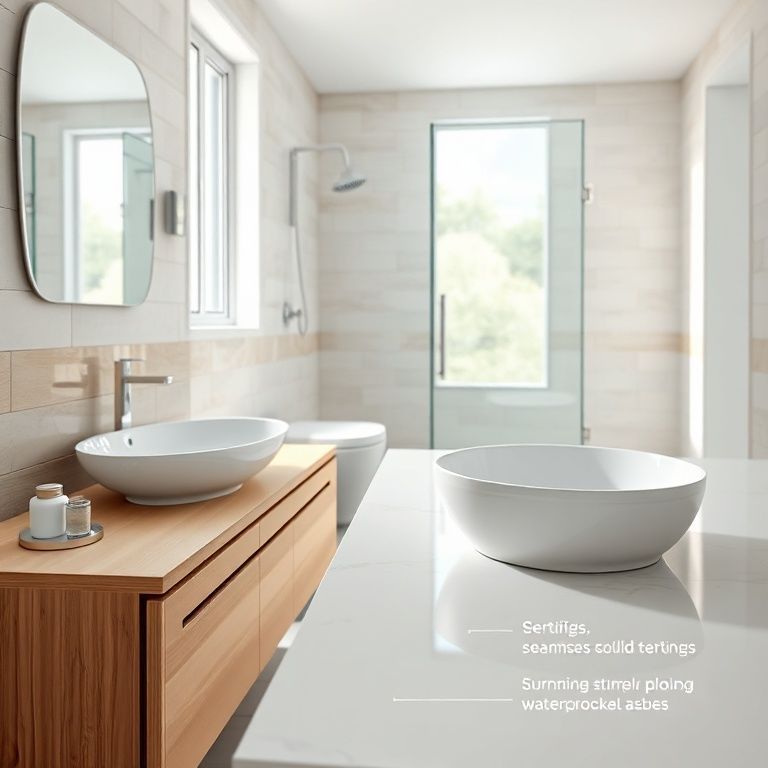
Aesthetic Appeal: Artificial stone can replicate the look of natural stone like marble, granite, and quartz, providing a luxurious appearance. Durability: While not as tough as natural stone, artificial stone is highly durable and resistant to scratches, stains, and chips. Affordability: Generally, artificial stone is more affordable than natural stone, making it an accessible option for many budgets. Maintenance: Artificial stone is easier to clean than natural stone, requiring simple wiping with a damp cloth and mild detergent.
In the next part, we will further explore the environmental impact of artificial stone, its sustainability, and how to maintain its longevity while ensuring a safe and healthy living environment.
Environmental Impact, Sustainability, and Long-Term Care of Artificial Stone Countertops
In the previous part, we discussed the composition and safety concerns surrounding artificial stone countertops. We also touched on the benefits of this material and how to choose safe options. In this final part, we will delve into the environmental impact and sustainability of artificial stone, its long-term care, and additional considerations to ensure that you make an informed decision about this popular countertop material.
Environmental Impact and Sustainability
One of the critical factors to consider when choosing a countertop is its environmental impact. Artificial stone, while a synthetic product, has its own set of environmental considerations.
Manufacturing Process:
Energy Consumption: The production of artificial stone requires significant energy, primarily due to the high-pressure and high-temperature processes involved. However, advancements in manufacturing technology are continually reducing energy consumption. Resource Use: Unlike natural stone, artificial stone does not require the extraction of natural resources, thus avoiding the environmental disruption associated with mining and quarrying.
Sustainability:
Recyclability: Artificial stone can be recycled at the end of its life cycle, although the process is not as straightforward as recycling metals or plastics. Recycling involves breaking down the material into its constituent parts, which can then be reused in new products. Emissions: While the manufacturing process can emit VOCs, modern production techniques and regulatory standards help to minimize these emissions. Choosing low-VOC or VOC-free options can further reduce environmental impact.
Long-Term Care and Maintenance
Proper maintenance of artificial stone countertops is essential to ensure their longevity and appearance. Here are some tips to keep your artificial stone looking great:
Regular Cleaning: Wipe the surface with a damp cloth and mild detergent. Avoid using abrasive cleaners or steel wool as they can scratch the surface. Immediate Spill Management: Clean up spills immediately to prevent stains. For tough stains, use a gentle stone cleaner specifically designed for artificial stone. Sealing: While artificial stone does not require sealing like natural stone, periodic resealing can help maintain its protective qualities against stains and scratches. Avoiding Heat Sources: Keep hot pots and pans away from the edge of the countertop to prevent warping and discoloration.
Additional Considerations
Cost vs. Long-Term Savings:
Initial Cost: Artificial stone is generally more affordable than natural stone, but the long-term savings in maintenance and repair can be significant. Natural stone often requires sealing and regular maintenance to prevent stains and scratches. Repairability: Artificial stone is easier to repair than natural stone. Minor scratches and chips can often be polished out or replaced without the need for extensive work.
Aesthetic Versatility:
Customization: Artificial stone offers a wide range of colors and designs, allowing for high customization. You can choose patterns that closely mimic natural stone or opt for unique, custom designs. Ease of Installation: The installation process for artificial stone is relatively straightforward, often requiring less complex work compared to natural stone, which may need specialized cutting and fitting.
Conclusion
In conclusion, artificial stone countertops offer a compelling blend of aesthetics, durability, and affordability. While there are concerns regarding the potential release of VOCs and other chemicals during manufacturing, choosing high-quality, certified products from reputable manufacturers can mitigate these risks. Additionally, the environmental impact of artificial stone is relatively lower compared to natural stone due to reduced resource extraction. Proper maintenance and care will ensure that your artificial stone countertop remains beautiful and functional for years to come.
By understanding the composition, safety, environmental impact, and maintenance of artificial stone, you can make an informed decision that aligns with both your aesthetic preferences and health considerations. Whether you’re renovating your kitchen or bathroom, artificial stone provides a practical and attractive option that balances performance and safety.