Marble Renovation: Comprehensive Guide to Marble Restoration and Maintenance
When it comes to luxurious and timeless interiors, marble stands out as an epitome of elegance. However, marble, while beautiful, requires diligent care and maintenance to retain its pristine look. If you’re planning a marble renovation project or simply want to maintain your existing marble surfaces, this guide will provide you with essential insights and tips to ensure that your marble remains in top condition.
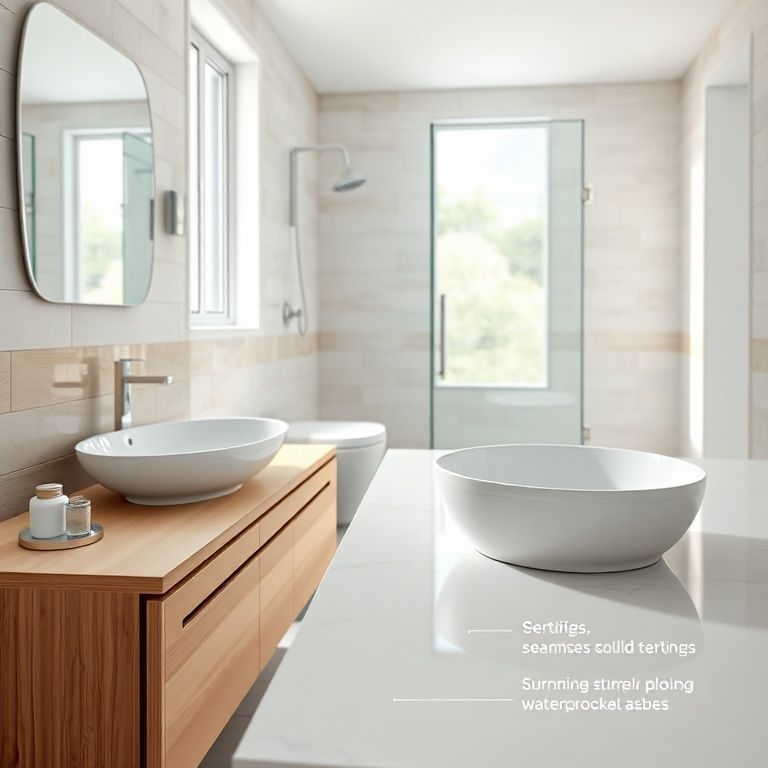
Understanding Marble
Marble is a metamorphic rock formed from limestone through a process of intense pressure and heat. Its beauty lies in its unique patterns and colors, which vary based on the mineral composition and geographical origin. Despite its natural beauty, marble is a relatively soft stone, which makes it susceptible to scratches, stains, and etching. This necessitates regular care and maintenance.
The Importance of Marble Renovation
Renovating and maintaining marble is crucial for several reasons:
Preservation of Aesthetics: Marble can develop stains and scratches over time due to everyday use and exposure to various chemicals. Proper renovation can restore its original luster and beauty. Preventing Damage: Regular maintenance can prevent minor issues from escalating into major problems, such as deep etching or permanent stains. Extending Lifespan: Proper care can significantly extend the lifespan of marble surfaces, ensuring they remain in pristine condition for many years.
Selecting the Right Cleaning Products
Choosing the right cleaning products is the first and most crucial step in marble renovation. Here are some tips to help you select the appropriate products:
Avoid Abrasive Cleaners: Marble is a soft stone, and using abrasive cleaners or scrubbing tools can cause scratches. Opt for non-abrasive cleaning products specifically designed for marble. pH-Neutral Cleaners: Use pH-neutral cleaners that are safe for marble. These cleaners do not contain harsh chemicals that can etch the surface. Commercial Marble Cleaners: Invest in commercial marble cleaners that are formulated to clean and polish marble effectively without causing damage.
Proper Cleaning Techniques
Cleaning marble requires a gentle approach to avoid any damage. Here are some best practices for cleaning marble:
Wipe Daily: Use a soft, damp cloth to wipe down marble surfaces daily to remove dust and minor spills. Spot Cleaning: For spills and stains, blot the area gently with a clean cloth and use a marble-specific cleaner. Avoid rubbing the surface, as this can scratch it. Avoid Harsh Chemicals: Never use bleach, ammonia, or vinegar on marble, as these can cause permanent damage. Stick to pH-neutral cleaners.
Restoring Faded Marble
Over time, marble can lose its shine and become dull due to exposure to sunlight and everyday wear and tear. Here are some methods to restore its original beauty:
Polishing: Professional polishing services can restore the shine and smoothness of marble. A marble polisher will use specialized tools to remove surface imperfections and restore the stone’s natural luster. Cauliflower Restoration: If marble has developed a “cauliflower” texture due to etching, professional restoration services can smooth out the surface and restore its original appearance. Surface Coating: Applying a marble sealant or protective coating can create a barrier that protects the surface from stains and scratches while maintaining the stone’s natural appearance.
Preventive Maintenance
Preventive maintenance is essential to keep marble in top condition. Here are some tips for maintaining marble surfaces:
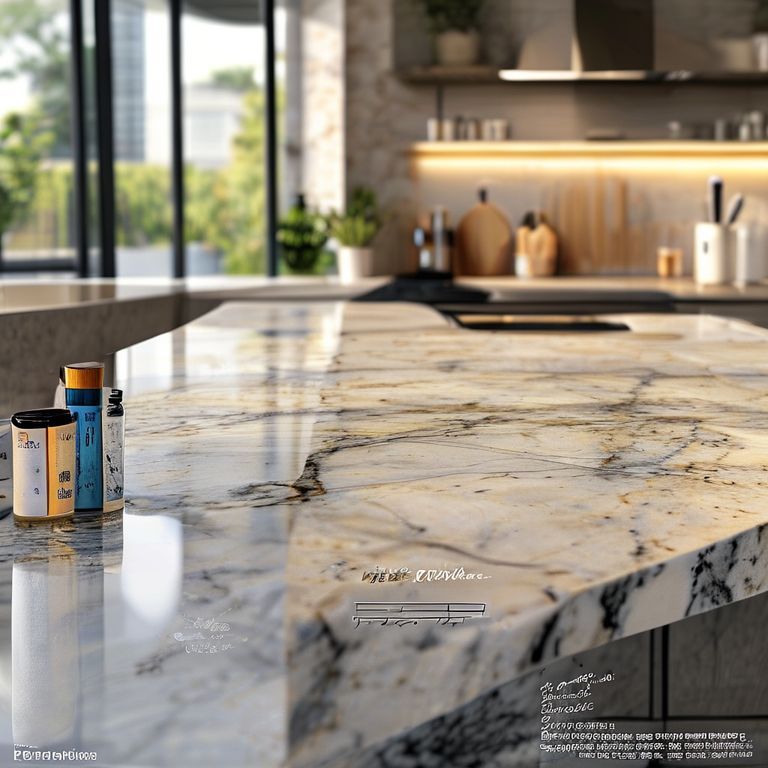
Use Coasters and Trivets: Place coasters, trivets, and placemats under items that generate heat to prevent staining and etching. Avoid Acidic Foods and Drinks: Acidic substances like lemon juice, vinegar, and tomato sauce can etch marble. Serve these foods and drinks in glassware rather than on marble surfaces. Regular Cleaning: Regularly clean marble surfaces with pH-neutral cleaners to prevent buildup and stains. Immediate Spill Management: Clean up spills immediately to prevent stains and etching. Use a marble-specific cleaner to treat any spills promptly.
Choosing the Right Marble for Renovation
When renovating a marble surface, it’s important to choose the right type of marble based on its intended use and location:
Durability: Consider the durability of the marble type. Some marbles, like Carrara and Bianco Statuario, are more durable and suitable for high-traffic areas. Color and Pattern: Choose a marble color and pattern that complements your interior design. Maintenance Requirements: Different types of marble have different maintenance requirements. Research the care instructions for the specific type of marble you plan to use.
Professional Help
While some marble maintenance tasks can be done at home, professional help is often necessary for major renovations and restorations. Here’s why professional services are invaluable:
Expertise: Professional marble restorers have the expertise and tools to perform complex restorations and renovations safely and effectively. Quality Results: Professional services ensure high-quality results that can significantly enhance the appearance and longevity of your marble surfaces. Safety: Professionals know how to handle marble safely, minimizing the risk of damage and ensuring that the restoration process does not harm the underlying structure.
Final Thoughts
Marble is a beautiful and elegant material that can add a touch of luxury to any space. However, its maintenance requires careful attention and proper techniques to ensure it remains in pristine condition. By following the guidelines outlined in this comprehensive guide, you can effectively renovate and maintain your marble surfaces, preserving their beauty and extending their lifespan for years to come.
Advanced Marble Renovation Techniques and Long-Term Care
Having covered the basics of marble renovation and maintenance, it’s time to delve into more advanced techniques and strategies for ensuring your marble stays in top condition. This part will focus on more intricate aspects of marble care, including advanced cleaning methods, detailed restoration techniques, and long-term care strategies.
Advanced Cleaning Methods
While daily and regular cleaning is essential, advanced cleaning methods can go deeper to maintain the marble’s pristine appearance:
Deep Cleaning: For heavily soiled marble surfaces, a deep cleaning process might be required. This involves using specialized cleaning solutions and techniques to remove deep-seated stains and grime. Ultrasonic Cleaning: Ultrasonic cleaners use high-frequency sound waves to remove contaminants from marble surfaces. This method is particularly effective for intricate and detailed marble features. Chemical Cleaning: In some cases, chemical cleaning agents may be necessary to remove stubborn stains or contaminants. However, it’s crucial to use these agents carefully and ensure they are safe for marble.
Advanced Restoration Techniques
Restoring damaged marble requires specialized skills and techniques to achieve the best results:
Micro-Polishing: Micro-polishing involves using fine abrasive particles to restore the surface of the marble. This method can effectively smooth out minor imperfections and restore the stone’s original texture. Laser Etching Removal: For areas where etching has occurred, laser technology can be used to remove the damaged surface layer, revealing the pristine marble underneath. Re-sanding and Re-finishing: In severe cases, re-sanding and re-finishing the marble surface can completely restore its original appearance. This process involves removing the top layer of the marble and polishing it to a new finish.
Long-Term Care Strategies
To ensure your marble remains in top condition over the long term, consider the following strategies:
Regular Inspections: Conduct regular inspections of your marble surfaces to identify any early signs of damage or wear. Early detection can prevent minor issues from becoming major problems. Professional Servicing: Schedule periodic professional servicing to clean, polish, and inspect your marble surfaces. This ensures that any potential issues are addressed before they escalate. Environmental Control: Control the environment where marble is used. Avoid placing marble in direct sunlight for extended periods, as this can cause fading. Also, maintain consistent humidity levels to prevent moisture-related damage. Use Protective Barriers: Where possible, use protective barriers like placemats, trivets, and coasters to prevent direct contact with heat and acidic substances.
Choosing the Right Marble Sealer
Sealants can provide an additional layer of protection for your marble surfaces, but choosing the right one is crucial:
Type of Sealer: There are various types of marble sealers available, including water-based, oil-based, and hybrid sealers. Choose a sealer that suits your specific needs and the type of marble you have. Application Method: Sealers can be applied using different methods, such as brushing, spraying, or rolling. The method chosen should be appropriate for the surface area and the type of sealer used. Maintenance Requirements: Some sealers require more frequent reapplication than others. Consider the maintenance requirements and choose a sealer that fits your lifestyle and maintenance capabilities.
Handling Specific Marble Issues
Different issues may arise with marble surfaces, and it’s important to handle them appropriately:
学习与教育:无论是学术研究、编程、语言学习还是其他技能培训,我都可以提供相关的建议和资源。
日常生活:包括烹饪食谱、健康与健身建议、家庭组织技巧等。
科技与创新:最新的科技新闻、设备评测、编程技巧等。