Marble Renovation: Essential Tools and Materials You Need
Marble, with its timeless beauty and luxury, is a popular choice for countertops, flooring, and decorative elements in homes and commercial spaces. However, maintaining and renovating marble can be a meticulous process. To ensure your marble renovation project is successful and lasts for years to come, it’s essential to have the right tools and materials at your disposal. In this first part, we’ll dive into the most crucial tools and basic materials needed for marble renovation.
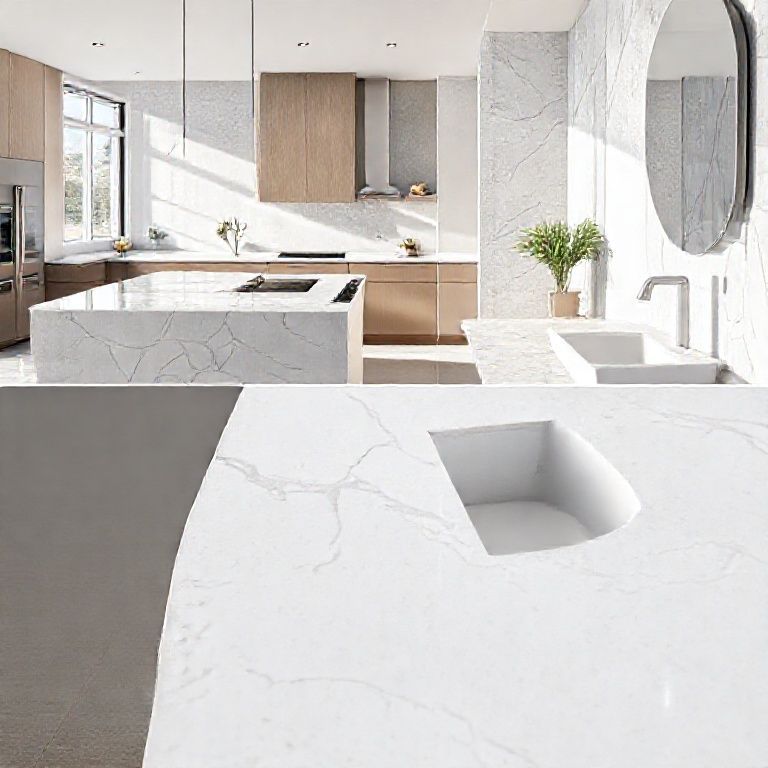
Essential Tools for Marble Renovation
1. Protective Gear
Before you start any renovation project, safety should be your top priority. For marble renovation, you’ll need:
Safety Glasses: To protect your eyes from dust and debris. Gloves: To protect your hands from harsh chemicals and abrasive materials. Dust Mask: To prevent inhaling dust particles that can be harmful to your respiratory system.
2. Cleaning Tools
Cleaning is often the first step in marble renovation. Here are some tools you’ll need:
Soft Cloths: For gentle wiping and polishing of marble surfaces. Microfiber Cloths: Ideal for detailed cleaning and polishing without scratching the surface. Scrubbing Brushes: For removing stubborn stains and grime.
3. Polishing Tools
After cleaning, polishing the marble to restore its shine is crucial:
Polishing Pads: Used with polishing compounds to achieve a high shine. Electric Polishers: For large surfaces, these can save time and effort. Hand Polishers: For smaller areas and intricate designs.
4. Repair Kits
In some cases, marble may require repairs such as filling cracks or resurfacing. Here are the tools you might need:
Epoxy Resin: For filling cracks and crevices. Marble Filler: To blend seamlessly with the existing marble. Colored Sealants: To match the marble’s original color for a flawless finish. Resurfacing Kits: To smooth out uneven surfaces.
5. Sealing Equipment
Sealing is a vital step to protect marble from stains and spills:
Sealant Applicators: For applying the sealant evenly across surfaces. Wringing Cloths: To work the sealant into the marble and remove excess.
Basic Materials for Marble Renovation
1. Cleaning Agents
Proper cleaning is essential to prevent damage and maintain marble’s natural beauty:
Marble Cleaner: A specialized cleaner formulated to clean without damaging the stone. pH Neutral Cleaners: To ensure that the cleaning solution is safe for marble. Mild Detergents: For general cleaning purposes.
2. Polishing Compounds
To restore the marble’s shine:
Marble Polishing Compounds: These compounds help to remove surface stains and restore shine. Wax Polishes: To provide a protective layer and enhance the shine.
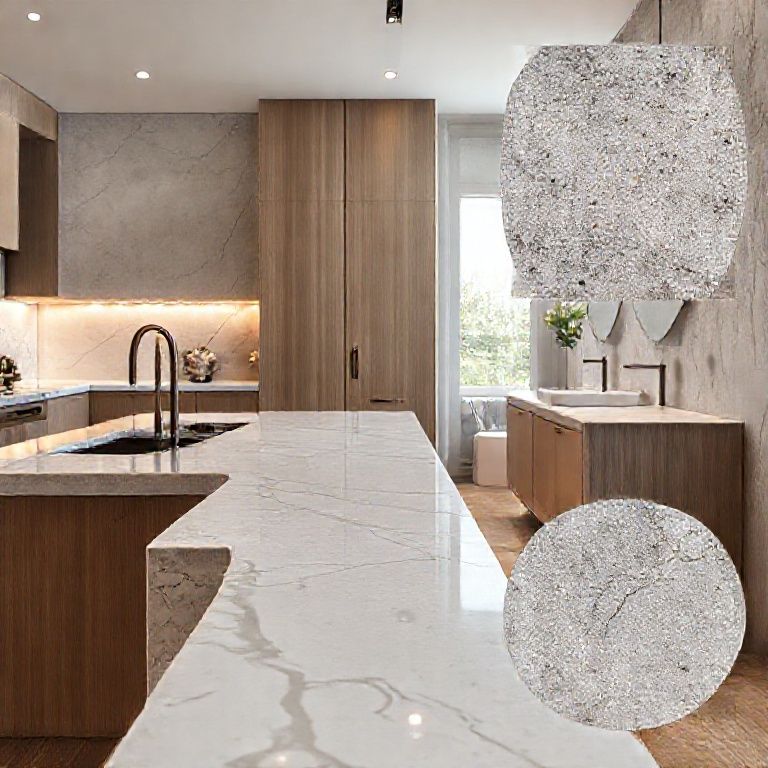
3. Repair Materials
To restore and maintain the integrity of the marble:
Epoxy Putty: For filling cracks and repairs. Marble Repair Kits: Often include fillers, dyes, and polishes. Resurfacing Kits: To smooth out uneven surfaces and restore the marble’s original luster.
4. Sealants
Sealants protect the marble from stains and spills:
Marble Sealants: Available in various types, including water-based and solvent-based. UV-resistant Sealants: To protect against fading and discoloration. High-build Sealants: For deeper protection and a more durable finish.
Conclusion
Renovating marble is a rewarding project that can significantly enhance the beauty and durability of your space. By gathering the right tools and materials, you can ensure a successful renovation that lasts for years to come. In the next part, we will delve deeper into advanced materials and techniques to take your marble renovation to the next level. Stay tuned for more detailed insights!
Advanced Materials and Techniques for Marble Renovation
In the previous part, we covered the essential tools and basic materials necessary for a successful marble renovation. Now, let’s explore advanced materials and techniques that can elevate your project to a professional standard. This part will focus on specialized products, innovative methods, and expert tips to ensure your marble renovation is flawless and long-lasting.
Specialized Materials for Marble Renovation
1. Advanced Cleaning Agents
For a deep clean that removes even the most stubborn stains:
Enzyme Cleaners: These natural cleaners break down organic stains and are safe for marble. Acid-based Cleaners: For tougher stains, these cleaners can effectively remove grime but should be used with caution. Hydrogen Peroxide: A safe option for whitening and disinfecting marble.
2. Advanced Polishing Compounds
To achieve an unparalleled shine:
Diamond Polishing Compounds: These compounds use diamond particles to polish marble to a brilliant finish. Triple-Action Polishing Compounds: For multi-step polishing that removes stains and restores shine. Carnauba Wax: Adds a high-gloss finish and provides a protective layer.
3. Innovative Repair Materials
To seamlessly restore and rejuvenate marble:
Micro-Fillers: Ultra-fine fillers that blend perfectly with the existing marble. Nano-Technology Sealants: Advanced sealants that penetrate deeply into the marble, providing superior protection. Laser Resurfacing Kits: For precise resurfacing and eliminating minor imperfections.
4. Cutting-Edge Sealants
To provide superior protection against stains and spills:
Hybrid Sealants: Combine the benefits of water-based and solvent-based sealants for maximum protection. Silicone-Based Sealants: Offer flexibility and resistance to UV rays. High-Build Sealants: Provide a thick, durable barrier that protects against heavy spills and stains.
Advanced Techniques for Marble Renovation
1. Laser Cleaning
Laser cleaning is a state-of-the-art method for removing stains and restoring marble’s original beauty:
Advantages: Laser cleaning is precise, removes stains without damaging the marble, and can be used on intricate designs. Application: Suitable for cleaning delicate areas like carvings and detailed patterns.
2. Ultrasonic Cleaning
Ultrasonic cleaning uses high-frequency sound waves to clean marble effectively:
Advantages: Ultrasonic cleaning removes deep-seated dirt and grime without abrasive damage. Application: Ideal for cleaning complex and detailed surfaces.
3. Chemical Resurfacing
Chemical resurfacing revitalizes the surface of marble by dissolving the top layer and revealing a fresh, polished look:
Procedure: A chemical solution is applied to the marble, which dissolves the top layer. The marble is then polished to a smooth finish. Benefits: Restores the original luster, removes stains, and smooths out minor imperfections.
4. Micro-Abrasive Blasting
Micro-abrasive blasting uses fine particles to clean and polish marble surfaces:
Procedure: A blasting agent is sprayed onto the marble, removing dirt and polishing the surface. Advantages: Effective for cleaning and polishing large areas, provides a high-gloss finish. Caution: Requires proper safety measures due to the use of abrasive particles.
Expert Tips for Successful Marble Renovation
1. Test Before You Apply
Always perform a test in an inconspicuous area before applying any cleaning, polishing, or sealing product:
Why: To ensure that the product does not damage the marble or change its color. How: Apply a small amount of the product, wait for the recommended time, and then evaluate the results.
2. Regular Maintenance
Regular maintenance keeps marble looking its best:
Weekly Cleaning: Use a pH-neutral cleaner to remove daily spills and grime. Monthly Polishing: Polish the marble to maintain its shine and remove surface stains. Annual Sealing: Reapply sealant to protect against stains and spills.
3. Proper Storage
Store marble tools and materials properly to ensure their longevity:
Clean Tools: Always clean and dry tools after use to prevent corrosion and damage. Sealants and Polishes: Store in a cool, dry place away from direct sunlight to maintain their effectiveness.
Conclusion
Marble renovation is a meticulous yet rewarding process that can transform the beauty and durability of your space. By using advanced materials and techniques, you can achieve a professional-grade finish that lasts for years. Remember, the key to successful marble renovation lies in proper preparation, the right tools and materials, and expert application techniques. With these insights, you are well on your way to a stunning marble renovation project. Keep exploring and experimenting to find the perfect combination that suits your needs and enhances the elegance of your space.
This comprehensive guide provides you with the knowledgePart 3:
Expert Tips and Best Practices for Marble Renovation
Now that we have covered the essential tools, basic and advanced materials, and innovative techniques for marble renovation, it’s time to delve into some expert tips and best practices that will ensure your project not only looks stunning but also stands the test of time. These final insights will help you navigate common challenges and avoid pitfalls, making your renovation a resounding success.
Expert Tips for Marble Maintenance
1. Use the Right Cleaning Products
Choosing the right cleaning products is crucial for maintaining marble’s beauty and integrity:
pH Neutral Cleaners: Always use pH-neutral cleaners to avoid damaging the marble’s surface. Avoid Harsh Chemicals: Bleach, ammonia, and other harsh chemicals can etch and discolor marble. Microfiber Cloths: Use microfiber cloths for cleaning and polishing to avoid scratches.
2. Regular Cleaning Routine
Implementing a regular cleaning routine can prevent the build-up of stains and grime:
Daily Cleaning: Wipe surfaces with a damp microfiber cloth to remove spills and dust. Weekly Deep Cleaning: Use a pH-neutral cleaner to clean the marble more thoroughly. Monthly Polishing: Polish the marble to maintain its shine and remove surface stains.
3. Proper Sealing Techniques
Sealing the marble is essential for protection, but it must be done correctly:
Test Sealants: Always test a sealant in an inconspicuous area to ensure it does not discolor or damage the marble. Application: Apply the sealant evenly using a sealant applicator. Allow it to penetrate the marble and then buff it to a shine. Reapplication: Reapply sealant every 6 to 12 months, depending on the level of exposure and traffic.
Best Practices for Marble Renovation
1. Proper Preparation
Proper preparation sets the foundation for a successful renovation:
Inspection: Inspect the marble for any signs of damage, such as cracks, stains, or etching. Cleaning: Thoroughly clean the marble before starting any renovation work to remove dirt and grime. Protective Measures: Use drop cloths and protective barriers to shield surrounding areas from dust and debris.
2. Careful Repair Techniques
When repairing marble, precision and care are key:
Matching Color: Use colored sealants or fillers that match the marble’s original color to avoid visible repairs. Blending Techniques: For large repairs, use micro-fillers and blending techniques to ensure seamless integration with the existing marble. Professional Help: For significant repairs, consider hiring a professional to ensure the best results.
3. Advanced Cleaning and Polishing Methods
Advanced methods can help maintain and restore marble’s beauty:
Ultrasonic Cleaning: Use ultrasonic cleaners for intricate designs and detailed areas to remove deep-seated dirt. Laser Cleaning: For tough stains, laser cleaning can effectively remove grime without damaging the marble. Chemical Resurfacing: For severely damaged marble, chemical resurfacing can revitalize the surface and remove stains.
Handling Common Challenges
1. Stains and Etching
Stains and etching can be challenging but manageable with the right approach:
Immediate Action: Address stains immediately to prevent them from setting in. Use pH-neutral cleaners and avoid abrasive materials. Professional Help: For stubborn stains or etching, consider professional cleaning services.
2. Cracks and Chips
Cracks and chips can detract from marble’s appearance but can often be repaired:
Minor Repairs: For small cracks and chips, use epoxy putty and colored sealants to blend seamlessly with the marble. Major Repairs: For larger cracks, consider micro-filling and resurfacing techniques to restore the marble’s integrity.
Conclusion
Marble renovation is a meticulous process that, when done correctly, can significantly enhance the beauty and longevity of your marble surfaces. By following expert tips and best practices, you can ensure that your marble remains pristine and stunning for years to come. Remember, the key to successful marble renovation lies in proper preparation, the right tools and materials, and expert application techniques. With these insights, you are well-equipped to tackle your marble renovation project with confidence and achieve remarkable results. Keep exploring and experimenting to find the perfect combination that suits your needs and enhances the elegance of your space.
This concludes our detailed guide on the essential tools, materials, and techniques for marble renovation. Whether you’re a seasoned renovator or a DIY enthusiast, these comprehensive insights will help you achieve a flawless and professional-grade marble renovation project. Happy renovating!