In today’s world, where elegance and timeless beauty reign supreme, marble remains one of the most coveted materials for both residential and commercial spaces. Known for its stunning beauty and versatility, marble is often the centerpiece of luxurious interiors. However, like any fine material, marble requires careful maintenance and occasional renovation to retain its pristine appearance.
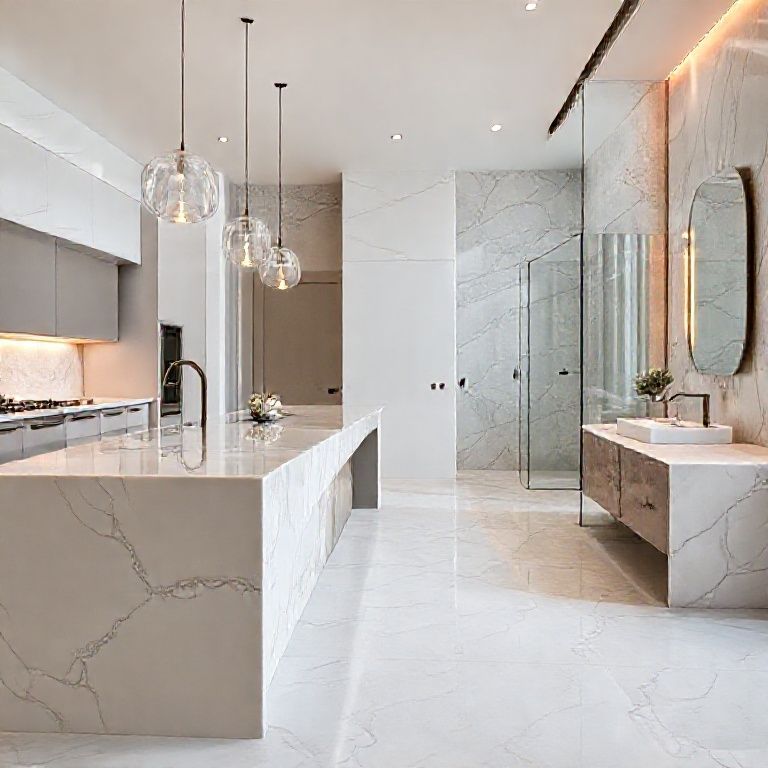
The Importance of Marble Renovation
Marble, though durable, is susceptible to various forms of damage, including scratches, stains, and etchings. Over time, marble surfaces can become dull, losing their original sheen and brilliance. Regular maintenance and occasional renovation can help extend the life of marble surfaces and restore their natural beauty. This is where professional marble renovation comes into play, ensuring that your marble remains a testament to elegance and sophistication.
Initial Assessment and Preparation
Before diving into the renovation process, a thorough assessment of the marble surface is crucial. This initial step involves identifying the extent of the damage and determining the best course of action. Professional marble restoration experts begin by closely inspecting the marble to identify any areas that require special attention. This may include deep etchings, discoloration, or minor chips and cracks.
Once the assessment is complete, preparation for the renovation process begins. This involves cleaning the marble surface to remove any dirt, grime, or previous coatings that may interfere with the restoration process. Special cleaning agents are used to ensure that the marble is thoroughly cleaned without causing any further damage. The preparation phase is critical, as it sets the foundation for a successful renovation.
Cleaning Techniques
One of the most essential steps in marble renovation is the cleaning process. Over time, marble can accumulate various types of stains, including water spots, oil stains, and even biological stains from bacteria and mold. To address these issues, professional cleaners use specialized cleaning solutions that are safe for marble surfaces. These solutions are carefully selected to effectively remove stains without harming the marble.
The cleaning process often involves a combination of techniques, including:
Manual Cleaning: Using soft cloths and brushes, manual cleaning helps to remove surface-level dirt and stains. This method is particularly effective for removing light stains and ensuring that the marble surface is free of any debris.
Ultrasonic Cleaning: This technique uses high-frequency sound waves to clean marble surfaces. Ultrasonic cleaners can reach areas that are difficult to access with manual cleaning methods, ensuring a thorough and deep clean.

Chemical Cleaning: For more stubborn stains, chemical cleaning agents are used. These agents are carefully formulated to break down and remove deep-seated stains without damaging the marble. It is crucial to use chemicals that are specifically designed for marble to avoid any adverse effects on the stone.
Restoration Techniques
Once the marble surface is clean, the actual restoration process begins. The goal is to restore the marble to its original beauty and luster while addressing any damage that has occurred over time. Here are some of the key techniques used in marble restoration:
Filling and Polishing: For minor scratches and chips, filling compounds are used to fill in the damaged areas. These compounds are matched to the color of the marble and are carefully applied to ensure a seamless finish. Once the filler has dried, the surface is polished to restore its smooth, glossy appearance.

Resurfacing: In cases where the marble surface has become dull and uneven, resurfacing may be necessary. This involves removing a thin layer of the marble surface and replacing it with a new layer of marble. The resurfacing process can restore the marble’s original shine and smoothness, giving it a brand-new look.
Sealing: After the restoration process, the marble surface is sealed to protect it from future damage. Sealants are applied to create a protective barrier that helps to prevent stains, etchings, and other forms of damage. Proper sealing is essential to maintaining the longevity and beauty of the marble.
The Role of Technology in Marble Renovation
Advancements in technology have significantly improved the efficiency and effectiveness of marble renovation processes. Modern tools and techniques allow for more precise and accurate restoration, ensuring that the marble surface is returned to its optimal condition.
Some of the technological advancements used in marble renovation include:
Laser Cleaning: Laser cleaning uses focused beams of light to remove contaminants from the marble surface. This technique is highly precise and can effectively remove stains without damaging the marble.
Automated Polishing Machines: These machines use advanced algorithms to polish marble surfaces with consistent pressure and speed. Automated polishing ensures a uniform finish and can significantly reduce the time and effort required for the restoration process.
Digital Imaging: Digital imaging technology allows for detailed mapping of the marble surface, identifying areas that require special attention. This helps to ensure that the restoration process is tailored to the specific needs of the marble, resulting in a more effective and precise renovation.
Conclusion
The process of marble renovation is a meticulous and detailed journey that requires expertise, precision, and the use of advanced techniques and tools. By understanding the importance of regular maintenance and the steps involved in the renovation process, homeowners and business owners can ensure that their marble surfaces remain beautiful and durable for years to come.
In the next part of our series, we will delve deeper into the advanced techniques and technologies used in marble renovation, as well as provide tips for maintaining your marble surfaces to prevent future damage. Stay tuned for an in-depth look at the complete journey of marble renovation.