Marble Renovation: What Materials to Use for a Pristine Finish
Marble, with its timeless elegance and luxurious feel, remains a favorite for flooring, countertops, and decorative elements in homes and commercial spaces. However, the beauty of marble can fade over time due to wear, staining, and environmental factors. To bring back the original luster and protect your marble surfaces, marble renovation is essential. This guide explores the best materials and techniques for marble renovation, ensuring a pristine and long-lasting finish.
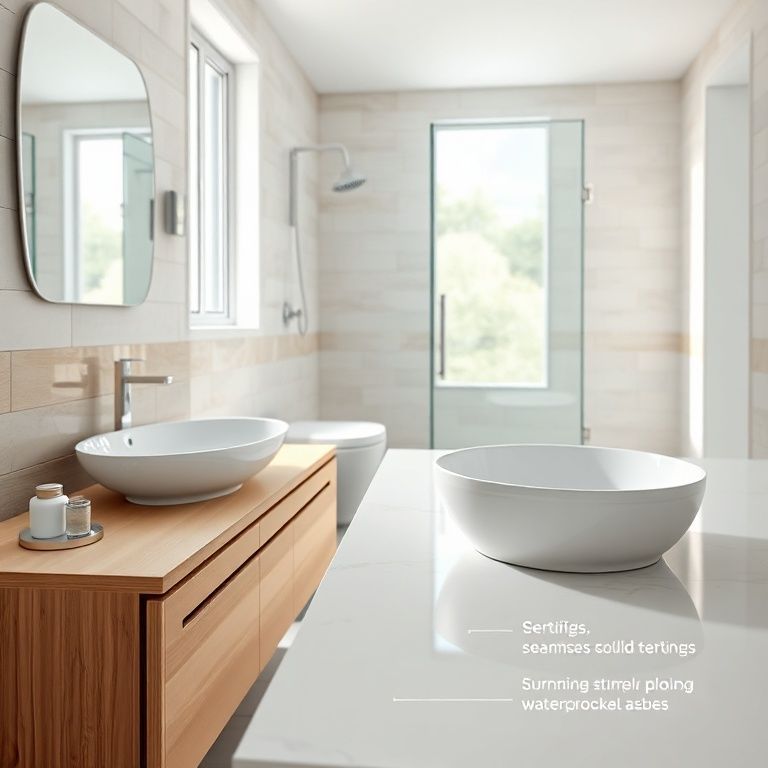
Understanding Marble Renovation
Marble renovation involves cleaning, repairing, and sometimes resurfacing the marble to restore its original beauty and functionality. This process is crucial for maintaining the aesthetic appeal and longevity of marble surfaces. There are several techniques and materials used in marble renovation, each tailored to address specific issues like stains, scratches, or surface degradation.
Essential Tools for Marble Renovation
Before diving into the materials, it’s important to gather the right tools to ensure a successful renovation process. Here are some essential tools you’ll need:
Diamond-Tipped Polishing Machines: These machines use diamond-embedded pads to polish the marble surface. They are essential for removing scratches and restoring the shine. Ultrasonic Cleaners: Ultrasonic cleaners use high-frequency sound waves to remove deep-seated stains and impurities from marble surfaces. Microfiber Cloths: These cloths are ideal for polishing marble without causing additional scratches. Safety Gear: Always wear gloves, safety goggles, and a mask to protect yourself from chemicals and dust during the renovation process.
Cleaning Materials for Marble Renovation
Cleaning is the first and often most critical step in marble renovation. The right cleaning materials ensure that the marble is thoroughly cleaned without causing damage.
pH-Neutral Cleaners: Regular household cleaners can be too acidic and damage marble. Opt for pH-neutral cleaners specifically formulated for marble to clean without harming the surface. Baking Soda Paste: A paste made from baking soda and water can be used to tackle stubborn stains. Apply the paste to the stain, let it sit for a few minutes, then scrub gently with a soft brush. Microfiber Cloths: These cloths are gentle on marble and effective at removing grime and dirt without scratching the surface.
Sealing Materials for Marble Renovation
Sealing is an essential step in marble renovation to protect the surface from future stains and wear. The right sealant can significantly extend the life of your marble.
Marble Sealers: Choose a high-quality, water-based marble sealer. These sealers penetrate the marble, forming a protective barrier without leaving a greasy film. Polishing Wax: For a glossy finish, polishing wax can be applied after sealing. It provides an extra layer of protection and enhances the marble’s natural shine. Application Brushes: Use a soft, natural-bristle brush to apply the sealer or wax for even coverage.
Polishing Materials for Marble Renovation
Polishing restores the marble’s shine and smoothes out minor imperfections. The right polishing materials ensure a flawless finish.
Diamond Polishing Pads: These pads are used with diamond-tipped machines to polish the marble surface, removing scratches and restoring shine. Microfiber Polishing Pads: For manual polishing, microfiber pads are gentle and effective, providing a smooth finish without scratching. Polishing Compounds: High-quality polishing compounds, often containing diamond particles, are used to achieve a mirror-like finish.
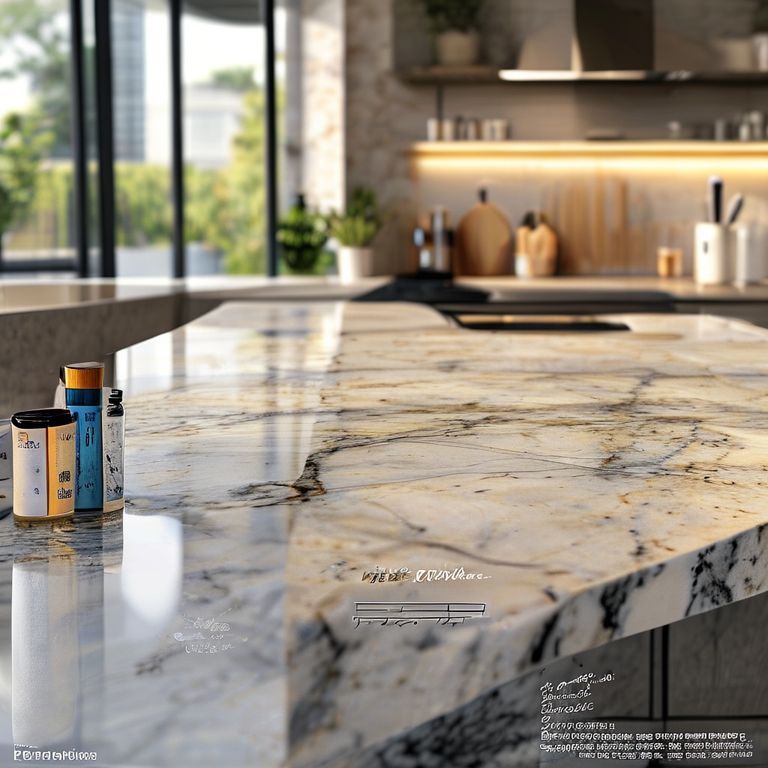
Repairing Materials for Marble Renovation
In cases where marble has significant damage, such as deep scratches or cracks, specialized repair materials may be needed.
Marble Repair Kits: These kits often include fillers and polishes designed to match the color and texture of the marble. They are used to fill in cracks and scratches, followed by polishing to blend the repaired areas seamlessly. Color Matching Fillers: For minor repairs, color-matched fillers can be used to blend into the marble surface, followed by polishing to achieve a uniform appearance.
Innovative Techniques for Marble Renovation
Modern techniques have revolutionized marble renovation, offering more precise and effective solutions.
Laser Cleaning: Laser technology can precisely remove stains without affecting the marble surface. It’s particularly effective for removing biological stains like mold and mildew. Epoxy Resin: For repairing significant cracks, epoxy resin can be used to fill and restore the structural integrity of the marble. Microblasting: This technique uses fine abrasive particles to clean and polish the marble surface, removing stains and restoring shine without damaging the marble.
Conclusion
Marble renovation is a meticulous process that requires the right materials and techniques to ensure a pristine and long-lasting finish. By understanding the essential tools, cleaning materials, sealing agents, polishing compounds, and repair methods, you can effectively restore the beauty and functionality of your marble surfaces. Investing in high-quality materials and using modern techniques will help you achieve a stunning marble transformation that lasts.
Marble Renovation: What Materials to Use for a Pristine Finish
Continuing from where we left off, this second part delves deeper into the advanced materials and specialized techniques used in marble renovation, ensuring that your marble surfaces not only look stunning but also remain protected and durable over time.
Advanced Cleaning Materials for Marble Renovation
While pH-neutral cleaners are essential, advanced cleaning materials offer more effective solutions for different types of stains and impurities.
Enzyme Cleaners: These cleaners use enzymes to break down organic stains like food and beverage spills. They are safe for marble and provide a thorough clean without damaging the surface. Hydrogen Peroxide: For tough stains, a diluted solution of hydrogen peroxide can be effective. It breaks down stains without the harshness of traditional bleach. Stain Removers: Commercial stain removers designed specifically for marble can tackle a variety of stains, from coffee to ink, ensuring a spotless finish.
Innovative Sealing Materials for Marble Renovation
Sealing is crucial for protecting marble from future stains and wear. Innovative sealing materials offer superior protection and longevity.
Nano-Sealers: These ultra-thin sealers use nanotechnology to penetrate deep into the marble, providing a robust protective barrier. They are water-repellent and can withstand high foot traffic. Silicone-Based Sealers: These sealers form a flexible, durable layer on the marble surface, offering excellent protection against spills and stains. Hybrid Sealers: Combining the benefits of both water-based and solvent-based sealers, hybrid sealers provide a balance of protection and easy application.
Premium Polishing Materials for Marble Renovation
Polishing materials play a crucial role in restoring the marble’s shine and smoothness. Premium options ensure a flawless finish.
Diamond Polishing Compounds: These compounds contain fine diamond particles that effectively polish the marble, removing scratches and restoring shine. Synthetic Abrasives: For a softer polish, synthetic abrasives can be used to gently smooth out minor imperfections without damaging the marble. Buffing Compounds: High-quality buffing compounds, often used with polishing pads, provide a high-gloss finish that enhances the marble’s natural beauty.
Specialized Repair Materials for Marble Renovation
When marble has significant damage, specialized repair materials are necessary to restore its appearance and integrity.
Color-Matched Epoxies: These epoxies are designed to match the exact color and texture of the marble, making repairs virtually invisible once polished. Microfillers: For minor repairs, microfillers can be used to fill in small cracks and imperfections, followed by polishing to blend seamlessly with the surrounding marble. Reinforcement Pastes: These pastes provide additional structural support to damaged areas, ensuring the integrity and longevity of the marble.
Cutting-Edge Techniques for Marble Renovation
Modern techniques offer more precise and effective solutions for marble renovation, ensuring a flawless finish.
Laser Cleaning: Utilizing laser technology, this method precisely removes stains and impurities without affecting the marble surface. It’s particularly effective for biological stains like mold and mildew. Microblasting: This technique uses fine abrasive particles to clean and polish the marble, removing stains and restoring shine without damaging the marble. It’s ideal for deep cleaning and resurfacing. Ultrasonic Cleaning: This method uses high-frequency sound waves to remove deep-seated stains and impurities, providing a thorough clean without manual effort.
Maintenance and Care for Renovated Marble
Proper maintenance and care are essential to keep your renovated marble looking pristine and extending its lifespan.
长期保养和维护
定期清洁: 频率:每周或每月进行一次轻度清洁,具体频率取决于使用频率和环境。 方法:使用软布和pH中性清洁剂,轻轻擦拭表面,避免用力擦拭以免造成划痕。 重复密封: 频率:每6至12个月重新密封,以保持防护层的完整性。 方法:选用高质量的密封剂,均匀涂抹,避免滴漏。
密封后用干布擦去多余的产品。 避免使用粗糙材料: 使用微纤维布或其他柔软的清洁工具,避免使用砂纸、钢丝球等可能造成划痕的材料。 使用合适的厨具和餐具: 使用木制或硅胶制品而非金属制品,以免擦拭时产生划痕。
常见问题及解决方法
污渍和油渍: 原因:食物残渣、油污、饮料溅洒。 解决方法:立即用湿布擦拭干净,避免污渍渗入。如果是油渍,可以用稀释的洗洁精和水的混合液进行清洁。 颜色褪色: 原因:长期暴露在阳光下或使用不当的清洁剂。 解决方法:不建议人工修复颜色褪色问题,最好的方法是避免阳光直射,并使用pH中性清洁剂。
划痕和凹痕: 原因:使用硬物擦拭或碰撞。 解决方法:轻微划痕可以使用高级抛光膏进行修复,而较深的划痕可能需要专业的修复服务。 霉斑和细菌: 原因:潮湿环境或不当清洁。 解决方法:使用酵素清洁剂进行清洁,确保保持干燥,定期通风。
专业服务
如果您遇到难以处理的问题,或者需要专业的大理石修复服务,请考虑联系专业的大理石维护公司。他们可以提供以下服务:
深度清洁:使用高科技设备和清洁剂进行全面清洁。 修复:专业技术人员可以修复深层划痕、凹痕,并进行颜色匹配修复。 再密封:确保大理石表面有持久的防护层。
大理石的美丽和耐用性在于其天然材质的魅力,但同时也需要细心的保养和维护。通过定期清洁、正确的使用方法以及适时的专业维护,您可以确保大理石表面保持其最佳状态,延长其使用寿命,并继续展现其优雅和高贵的外观。
如果您有任何具体的问题或需要进一步的建议,欢迎继续提问!