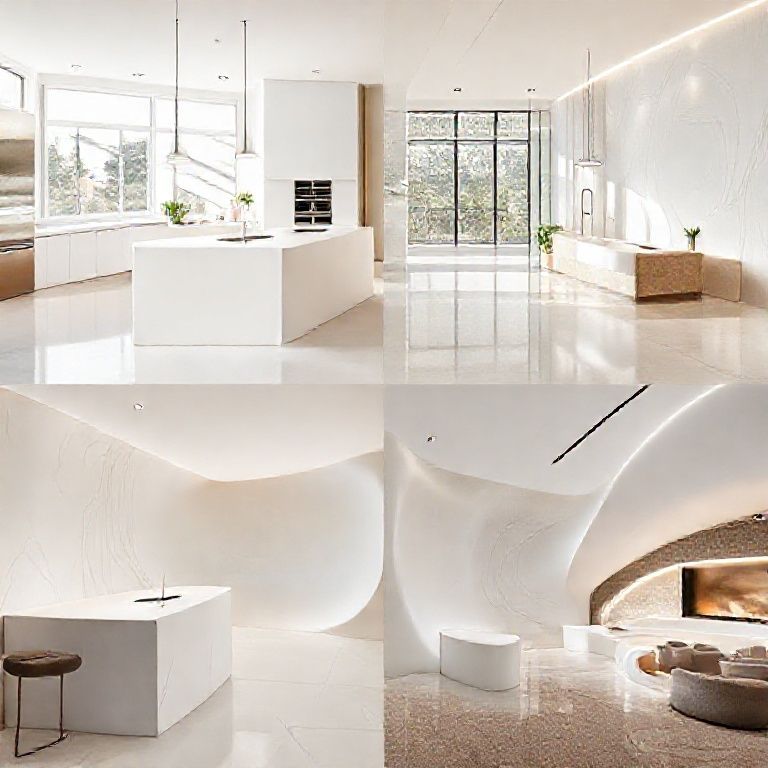
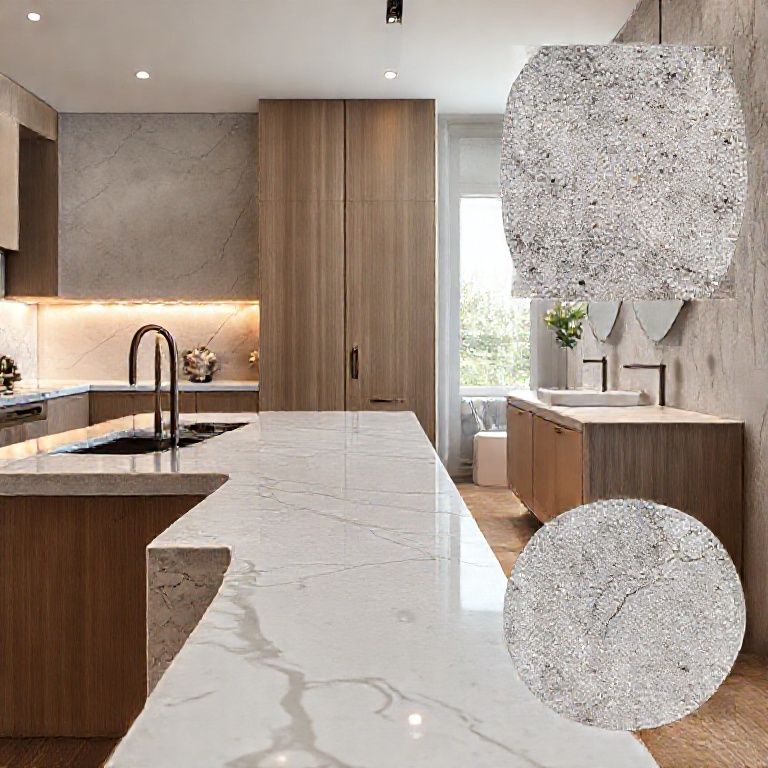
Introduction to Artificial Marble Countertop Restoration
Welcome to the ultimate guide on restoring your artificial marble countertops. Artificial marble, also known as engineered stone, is a popular choice for countertops due to its durability, aesthetic appeal, and relatively lower cost compared to natural stone. However, like any material, it can suffer from damage over time, such as scratches, chips, discoloration, and staining. Fear not, as this comprehensive guide will walk you through the entire process of restoring your artificial marble countertops with step-by-step visual instructions.
Understanding the Damage
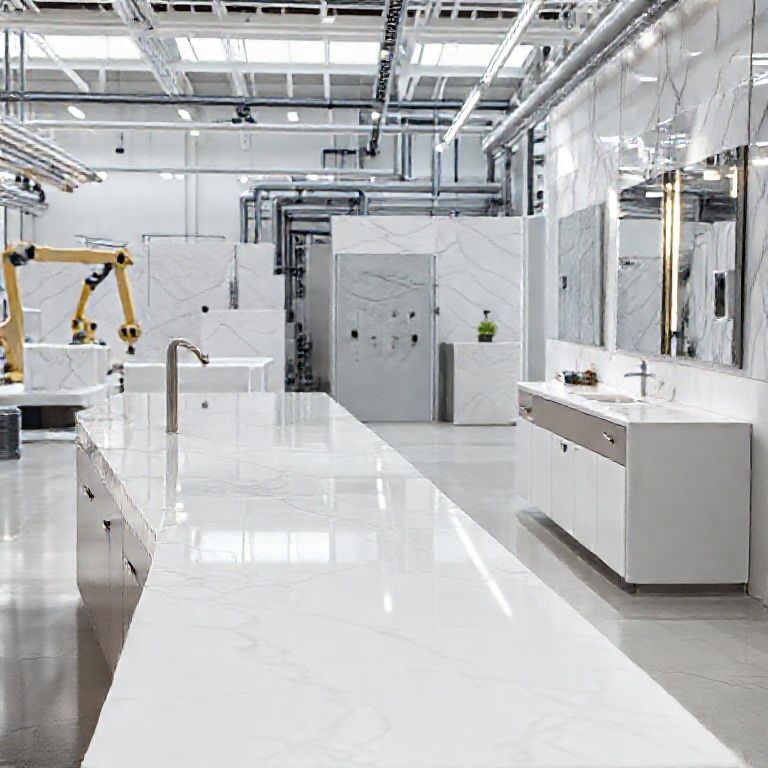
Before we dive into the restoration methods, it’s crucial to identify the type of damage your artificial marble countertop has sustained. Common issues include:
Scratches and Chips: Small scratches or chips can mar the surface of your countertop, making it look unsightly. Discoloration: Over time, artificial marble can develop discoloration due to exposure to heat, chemicals, or staining. Stains: Spills and stains can penetrate the surface, leading to permanent marks if not treated promptly.
Understanding the nature of the damage will help you choose the most effective restoration method.
Materials Needed for Restoration
To restore your artificial marble countertop, you will need the following materials:
Fine-grit sandpaper (220-400 grit) Polishing compounds and pads Microfiber cloths Damp cloth Cleaning solution suitable for artificial stone Fine steel wool (optional) Coating or sealant (optional)
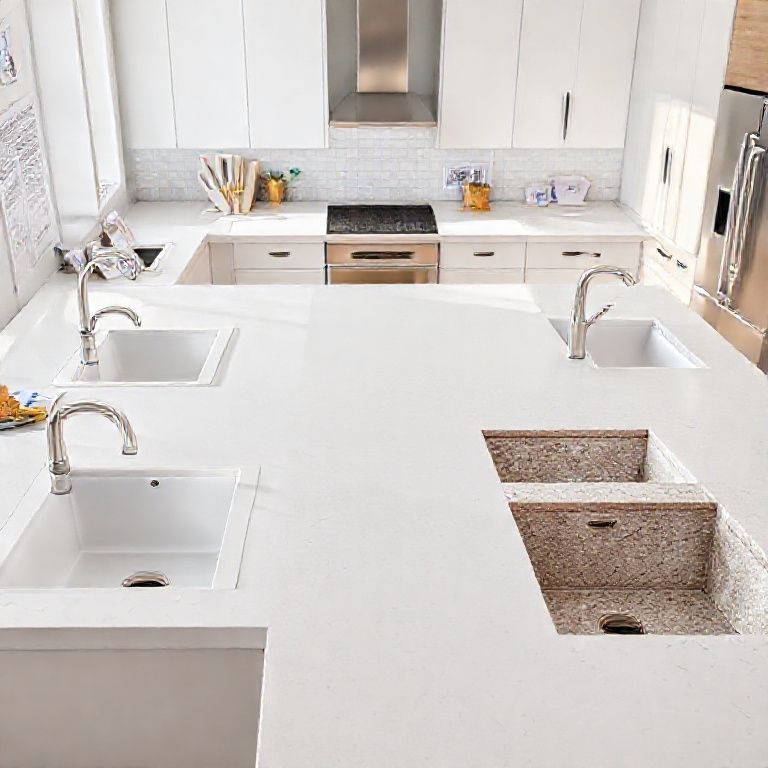
Restoration Methods
Scratches and Chips
To address minor scratches and chips, follow these steps:
Step 1: Clean the affected area thoroughly with a suitable cleaning solution and a microfiber cloth.
Step 2: Use fine-grit sandpaper (220 grit) to gently sand the scratched area. Ensure you sand in the direction of the grain for uniform results.
Step 3: Wipe away any dust with a damp cloth and dry the surface with a microfiber cloth.
Step 4: Apply a polishing compound using a microfiber cloth or pad, following the grain of the stone. Buff the area until it shines.
Step 5: For deeper scratches or chips, use fine steel wool to smooth the surface before applying the polishing compound.
Visual Aid: [Insert image showing each step clearly labeled]
Discoloration
For discoloration, use the following process:
Step 1: Clean the affected area with a suitable cleaning solution to remove any surface grime.
Step 2: Apply a specialized marble restoration paste or polish to the discolored area. Use a microfiber cloth to apply the product evenly.
Step 3: Buff the area with a soft cloth until the discoloration fades.
Step 4: For stubborn discoloration, repeat the process or consider using a chemical stripper designed for artificial stone.
Visual Aid: [Insert image showing the application of restoration paste]
Stains
To remove stains, follow these steps:
Step 1: Identify the type of stain and choose an appropriate cleaning solution. For oil-based stains, use a degreaser, while for water-based stains, a general-purpose cleaner will suffice.

Step 2: Apply the cleaning solution to a microfiber cloth and gently scrub the stained area.
Step 3: Rinse with a damp cloth and dry immediately to prevent water damage.
Step 4: If the stain persists, repeat the process or use a stain remover specifically designed for artificial marble.
Visual Aid: [Insert image showing stain removal process]
Preventive Measures
To maintain the longevity and appearance of your artificial marble countertops, follow these preventive measures:
Use Coasters and Placemats: Protect your countertop from heat and liquid spills. Apply Protective Coatings: Consider applying a protective sealant to shield against stains and scratches. Regular Cleaning: Clean your countertop regularly with suitable cleaning solutions to prevent buildup and damage.
Conclusion of Part 1
In this first part of our comprehensive guide on “Artificial Marble Countertop Restoration Methods with Pictures,” we have covered the identification of common damages, the materials required, and step-by-step restoration methods for scratches, chips, discoloration, and stains. By following these guidelines, you can restore your artificial marble countertops to their original beauty. Stay tuned for part two, where we will delve deeper into advanced restoration techniques and additional maintenance tips.
Advanced Restoration Techniques and Maintenance Tips for Artificial Marble Countertops
In the previous part of our guide, we covered the basics of restoring artificial marble countertops. Now, let’s dive into more advanced restoration techniques and additional maintenance tips to ensure your countertops remain in pristine condition.
Advanced Restoration Methods
Deep Scratches and Chips
For deeper scratches and chips, consider these advanced methods:
Step 1: Clean the affected area thoroughly with a suitable cleaning solution.
Step 2: Use progressively finer grit sandpaper (start with 320 grit, then move to 400 grit).
Step 3: Sand the area in the direction of the grain, applying light pressure to avoid further damage.
Step 4: Wipe away dust with a damp cloth and dry with a microfiber cloth.
Step 5: Apply a polishing compound using a microfiber cloth or pad. Buff the area until it is smooth and shiny.
Step 6: For particularly deep scratches, use fine steel wool to smooth the surface before applying the polishing compound.
Visual Aid: [Insert image showing the process of using finer grit sandpaper]
Crack Repair
For cracks, follow these steps:
Step 1: Clean the cracked area to remove any debris.
Step 2: Use a crack filler or epoxy specifically designed for artificial stone.
Step 3: Apply the filler carefully into the crack, ensuring it fills the entire gap.
Step 4: Smooth the filler with a damp cloth and let it dry as per the manufacturer’s instructions.
Step 5: Once dry, sand the filled area with fine-grit sandpaper and polish the surface to blend it with the rest of the countertop.
Visual Aid: [Insert image showing crack repair process]
Removing Stubborn Stains
For stubborn stains that don’t respond to regular cleaning, try these advanced techniques:
Step 1: Apply a commercial-grade stone cleaner or a chemical stripper designed for artificial stone.
Step 2: Follow the instructions on the product label for application and dwell time.
Step 3: Gently scrub the stained area with a soft-bristled brush.
Step 4: Rinse with a damp cloth and dry immediately.
Step 5: If the stain persists, repeat the process or consult a professional for further assistance.
Visual Aid: [Insert image showing the use of chemical strippers]
Maintenance Tips
Regular Cleaning Routine Use a pH-neutral cleaner suitable for artificial stone. Avoid acidic or alkaline cleaners that can damage the surface. Clean daily with a microfiber cloth to remove spills and grime. For heavy cleaning, use a solution of water and vinegar or a commercial cleaner designed for artificial stone. Protective Coatings Apply a protective sealant to shield the countertop from scratches, stains, and heat. Reapply the sealant every six months to maintain its protective properties. Proper Utensil Use Use wooden or silicone utensils instead of metal to prevent scratches. Avoid placing hot pots or pans directly on the surface. Avoiding Harsh Chemicals Refrain from using abrasive cleaners or scouring pads that can scratch the surface. Use gentle cleaning agents and avoid bleach, ammonia, or other harsh chemicals.
Restoring Edges and Corners
Artificial marble countertops often have edges and corners that can become chipped or stained. Here’s how to restore them:
Step 1: Clean the damaged area thoroughly.
Step 2: Use fine-grit sandpaper to smooth out any rough edges.
Step 3: Apply a polishing compound to blend the repaired area with the rest of the countertop.
Step 4: Buff the area until it is smooth and shiny.
Visual Aid: [Insert image showing restoration of edges and corners]
Professional Restoration Services
While you can perform many restoration tasks at home, some damages may require professional intervention. Consider the following scenarios:
Extensive Damage: If the countertop has extensive scratches,损坏或明显的色泽变化,请考虑寻求专业的修复服务。专业人员有更多的工具和技术来确保修复工作的质量。
定期检查和保养
定期清洁:使用适合的清洁剂定期清洁台面,以防止污渍和损坏的积累。 检查损坏:定期检查台面是否有损坏或磨损的迹象,及时处理小问题以避免更大的损害。 使用保护垫 厨房用具:在使用尖锐或重物时,在台面上放置保护垫,以防止划伤和刮擦。 热源:在使用热源如炉灶时,使用锅盖或保护垫来防止热量对台面的损害。
正确的维护 使用软布:在清洁台面时,使用软布或海绵,避免使用粗糙的清洁布。 避免化学品:尽量避免使用过多的化学清洁剂,选择温和的清洁剂。 教育家庭成员 培训:教育家庭成员正确使用台面,避免不当行为,如用刀切割硬物、放置重物等。 礼仪:让家庭成员知道台面的重要性,培养对物品的尊重和保护意识。
通过以上措施,可以有效延长人造大理石台面的使用寿命,保持其美观和功能性。如果遇到无法自行解决的问题,不妨寻求专业帮助,以确保台面得到最佳的维护和保护。