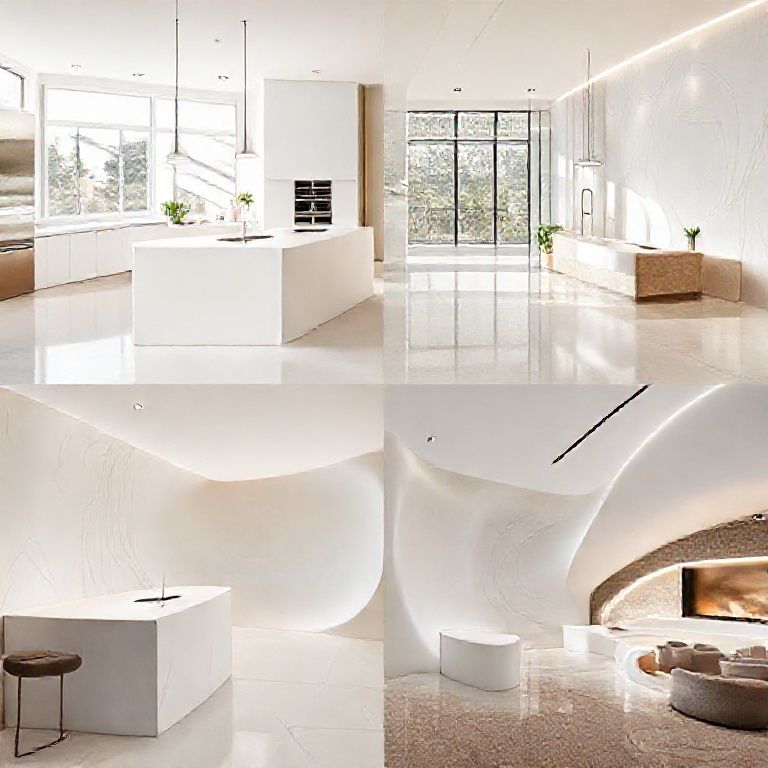
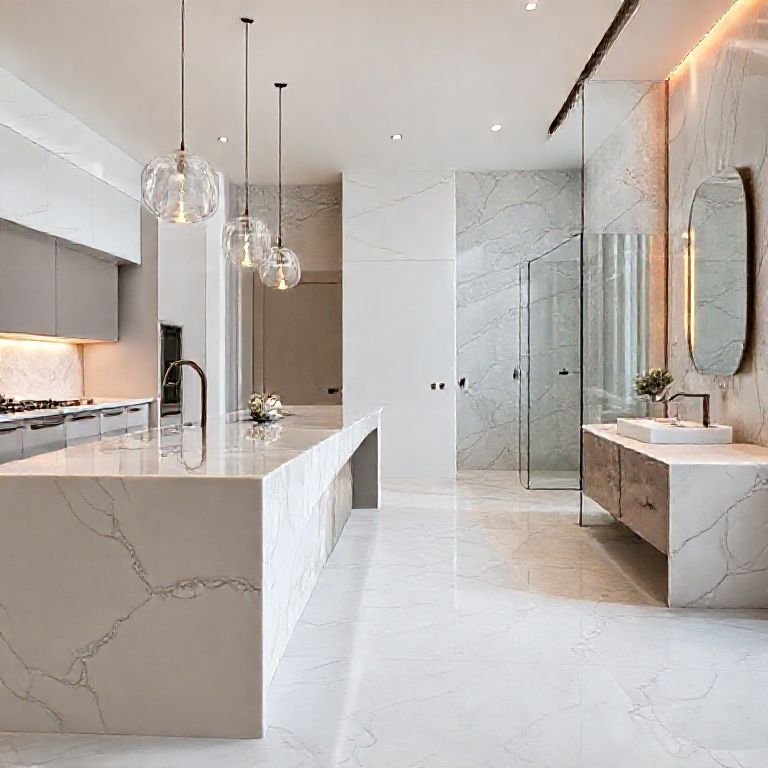
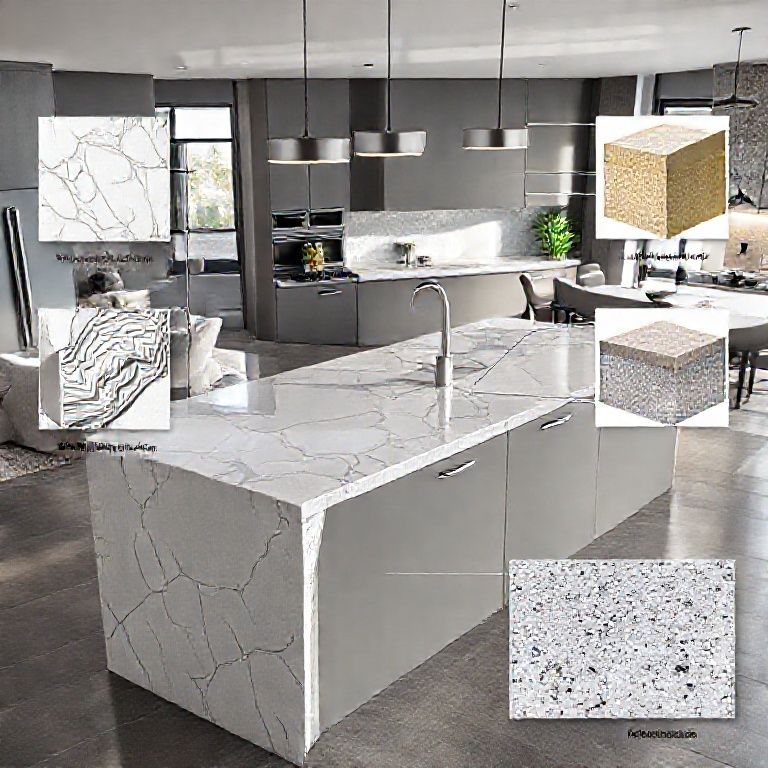
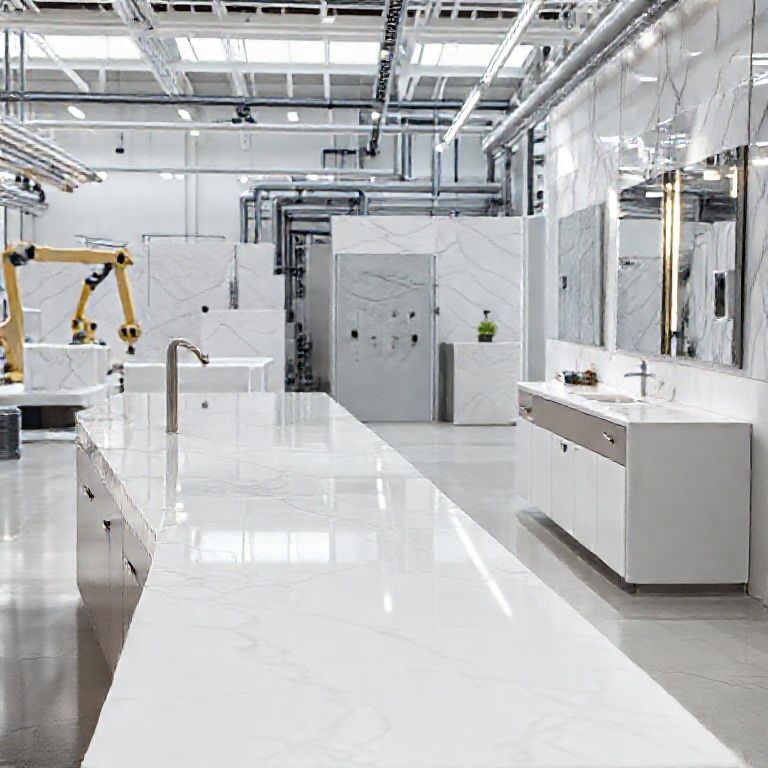
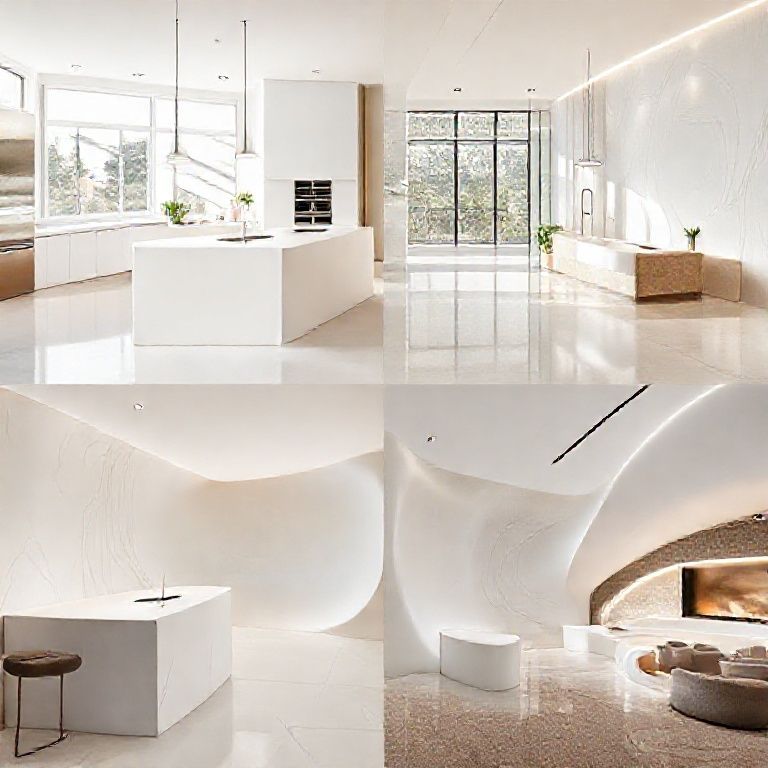
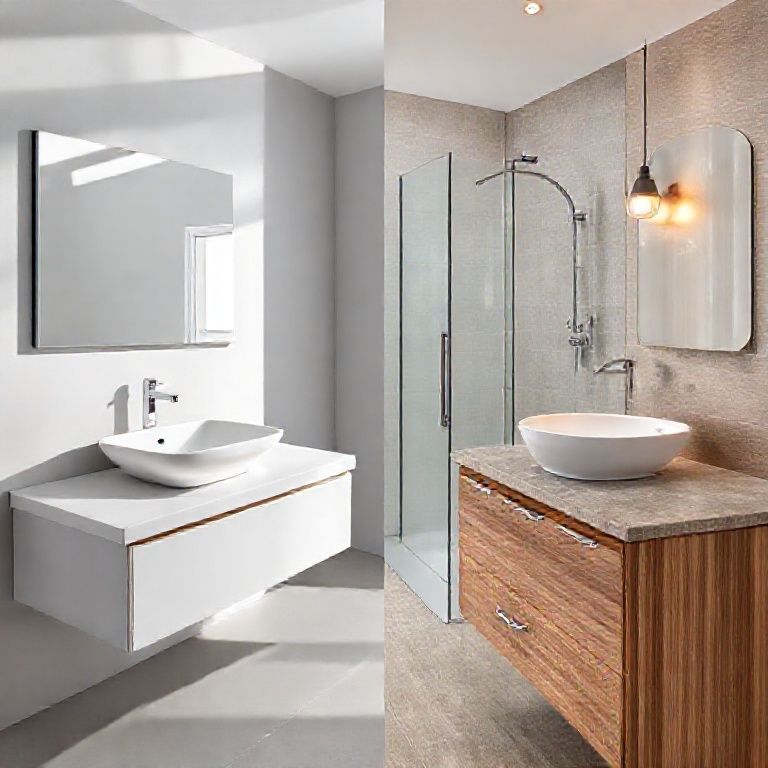
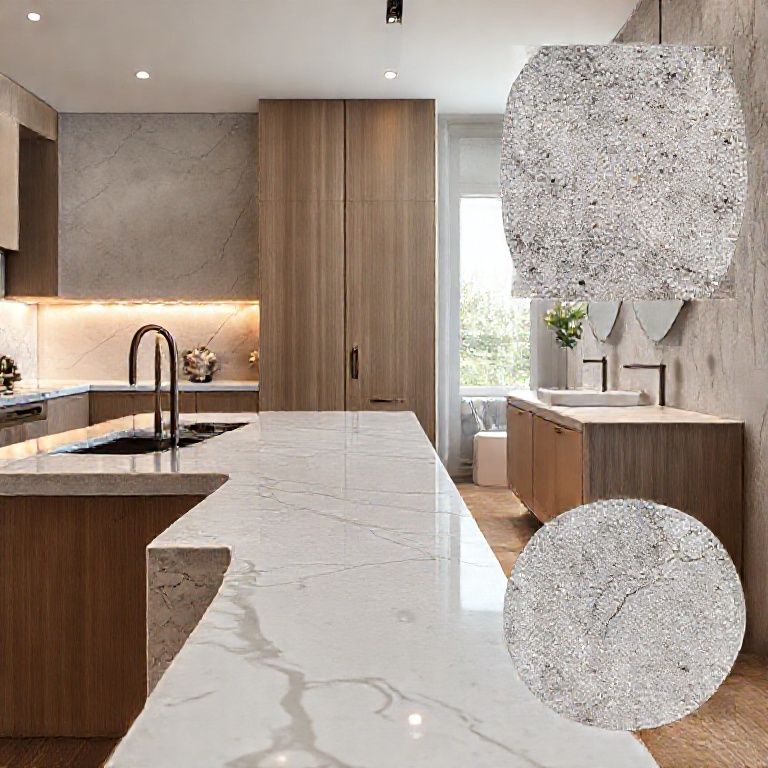
Welcome to the world of artificial marble repair! Whether you’re a homeowner, a professional, or simply someone who loves their marble surfaces, maintaining them properly is essential to keep them looking beautiful for years to come. In this first part, we will delve into the basics of artificial marble repair, focusing on cleaning, polishing, and basic restoration techniques. Let’s get started!
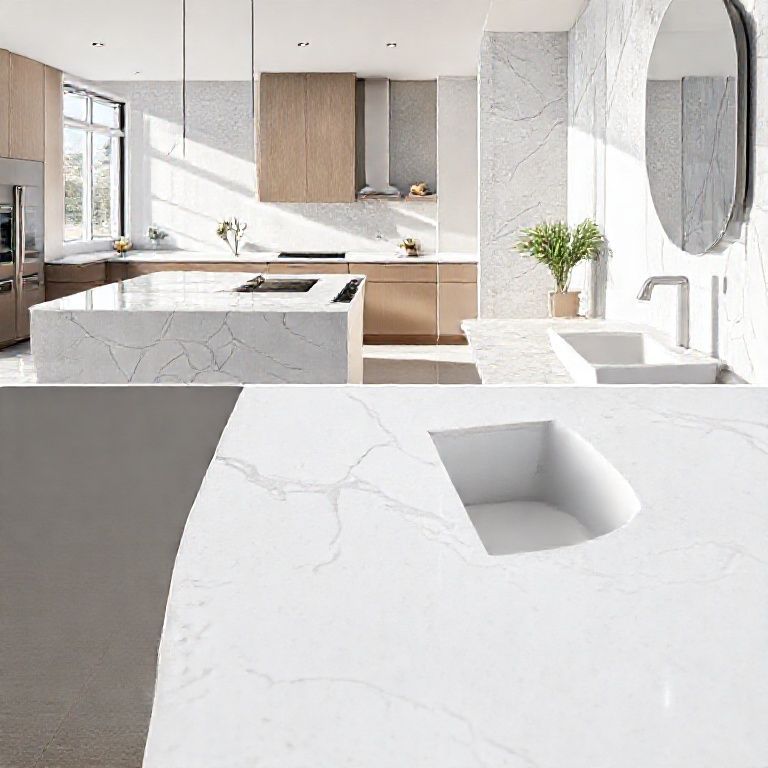
Understanding Artificial Marble
Artificial marble, often known as engineered stone, is a composite material that mimics the look of natural marble but is more durable and less prone to staining. Despite its durability, it still requires proper care to maintain its pristine appearance. Understanding the composition and properties of artificial marble is the first step towards effective maintenance.
Basic Cleaning Techniques
Cleaning your artificial marble surfaces should be a regular part of your household or commercial cleaning routine. Here are the fundamental steps to ensure you do it right:
Surface Preparation: Begin by wiping down the surface with a soft, dry cloth to remove any loose dirt or debris.
Mild Cleaner: Use a mild, non-abrasive cleaner specifically designed for artificial marble. Avoid harsh chemicals or cleaning agents that can damage the surface.
Application: Dampen a clean cloth with the mild cleaner and gently wipe the surface in a circular motion. Avoid using too much water to prevent it from seeping into the material.
Rinsing: If any cleaner residue remains, wipe it off with a damp cloth and then dry the surface thoroughly with a clean, dry cloth.
Dealing with Stains
Artificial marble is less prone to stains compared to natural marble, but minor discolorations can still occur. Here’s how to handle them:
Identify the Stain: Determine the type of stain. Common stains include coffee, tea, wine, and food spills.
Immediate Action: For fresh spills, blot the stain with a clean, dry cloth to absorb as much of the spill as possible. Avoid rubbing, as this can spread the stain.
Cleaning Solution: Use a gentle cleaner designed for artificial marble. Apply a small amount to a soft cloth and gently dab the stain.
Blotting: After applying the cleaner, blot the area with a dry cloth to remove excess cleaner and the stain.
Final Rinse: Wipe the area with a clean, damp cloth to remove any cleaner residue and dry with a soft, dry cloth.
Polishing Your Artificial Marble
Regular polishing helps to maintain the shine and texture of your artificial marble surfaces. Here’s how to polish effectively:
Choose the Right Polish: Use a polish specifically formulated for artificial marble. Avoid using products designed for natural stone, as they can be too abrasive.
Application: Apply a small amount of polish to a soft cloth. Spread it evenly over the marble surface in a circular motion.
Buffing: After allowing the polish to sit for the recommended time (usually a few minutes), buff the surface with a clean, dry cloth to achieve a high shine.
Preventive Measures
Preventative care is key to prolonging the life of your artificial marble. Here are some tips to help you keep it in top condition:
Use Coasters and Trivets: Always use coasters and trivets to protect your marble surfaces from heat and spills.
Avoid Abrasive Cleaners: Stick to mild, non-abrasive cleaners to avoid scratching the surface.
Regular Maintenance: Incorporate regular cleaning and polishing into your maintenance routine to keep the surface looking its best.
By following these foundational techniques, you’ll be well on your way to maintaining your artificial marble surfaces in pristine condition. In the next part, we’ll explore more advanced repair methods and restoration techniques to further enhance your marble care expertise. Stay tuned!
Welcome back to our comprehensive guide on mastering artificial marble repair! In the previous part, we covered the basics of cleaning, polishing, and maintaining your artificial marble surfaces. Now, let’s dive into more advanced techniques to tackle deeper issues like scratches, chips, and discoloration. Whether you’re a DIY enthusiast or a professional, these expert-guided video tutorials will equip you with the skills to restore your artificial marble to its former glory.
Advanced Cleaning Techniques
While basic cleaning is essential, advanced cleaning techniques are necessary for maintaining the intricate details of your artificial marble. Here’s how to clean surfaces with intricate designs:
Deep Cleaning: For heavily soiled areas, use a cleaner specifically designed for artificial marble and apply it with a soft cloth. Let it sit for a few minutes before gently scrubbing with a soft-bristled brush.
Microfiber Cloths: Use microfiber cloths for their ability to pick up dirt without scratching the surface. Always ensure the cloth is clean and dry.
Steam Cleaning: For a deeper clean, consider using a steam cleaner. Always test a small area first to ensure it doesn’t damage the material.
Repairing Scratches
Scratches can detract from the beauty of your artificial marble surfaces. Here’s how to repair minor scratches effectively:
Assess the Scratch: Determine the depth and severity of the scratch. Minor scratches can often be polished out, while deeper scratches may require filling.
Polishing: For light scratches, use a marble polish that’s designed to remove surface imperfections. Apply it with a soft cloth and buff the area until the scratch is no longer visible.
Filling Deep Scratches: For deeper scratches, use a marble filler or a specific repair product for artificial stone. Follow the manufacturer’s instructions for application and let it dry completely.
Sanding: If the scratch is still visible, lightly sand the area with fine-grit sandpaper. Wipe away any dust and then polish the surface.
Handling Chips and Cracks
Artificial marble is generally durable, but chips and cracks can still occur. Here’s how to repair them:
Assess the Damage: Determine the extent of the chip or crack. Small chips can often be repaired with filler, while larger cracks may require more extensive repairs.
Filler Application: For small chips, use a marble filler or a specific filler designed for artificial stone. Apply the filler with a small brush, following the product’s instructions for drying time.
Sanding and Polishing: After the filler has dried, lightly sand the area to blend it with the surrounding surface. Finally, polish the area to restore the finish.
Epoxy for Larger Cracks: For larger cracks, use a two-part epoxy designed for stone repairs. Mix the epoxy according to the manufacturer’s instructions and apply it to the crack using a syringe or a small brush. Let it cure completely before sanding and polishing.
Restoring Discoloration
Discoloration can occur due to various reasons, such as exposure to certain chemicals or prolonged sun exposure. Here’s how to restore your artificial marble to its original color:
Identify the Cause: Determine the cause of the discoloration to choose the appropriate cleaning or restoration method.
Use Specific Cleaners: For chemical stains, use a cleaner specifically formulated for artificial marble. Apply it to a soft cloth and gently rub the discolored area.
Professional Restoration: For severe discoloration, consider professional restoration services. Many companies offer specialized treatments to restore the color and texture of artificial marble.
Advanced Polishing Techniques
Regular polishing is crucial to maintaining the shine and texture of your artificial marble. Here’s how to polish effectively:
Use the Right Polish: Always use a polish designed for artificial marble. Avoid products meant for natural stone, as they can be too abrasive.
维护和保养技巧:深入探讨如何在日常生活中更好地维护和保养人造大理石,包括使用正确的清洁产品和工具。
常见问题与解决方法:讨论一些常见的人造大理石问题,例如如何处理水渍、油渍、或其他类型的污渍,并提供解决方法。
修复与重新处理:介绍一些高级修复技术,例如如何进行色彩修复、表面重新处理等,使得损坏的人造大理石恢复如新。
环保与可持续性:讨论人造大理石在环保和可持续性方面的优点,以及如何在选择和维护时考虑环境影响。
市场与选择:探讨市场上不同品牌和型号的人造大理石,以及如何根据预算和需求进行选择。
设计与搭配:如何在家庭装修或商业设计中有效地利用和搭配人造大理石。