台面断裂修复视频教程: Your Ultimate Guide to Kitchen Countertop Repair
Welcome to the first part of our comprehensive “台面断裂修复视频教程” series! Whether your kitchen countertop has developed a crack due to everyday wear and tear or a sudden mishap, you’re in the right place to learn how to repair it like a pro. Our video tutorials are designed to walk you through each step with clarity and precision, making the process straightforward even for those with minimal DIY experience.
Understanding Countertop Materials
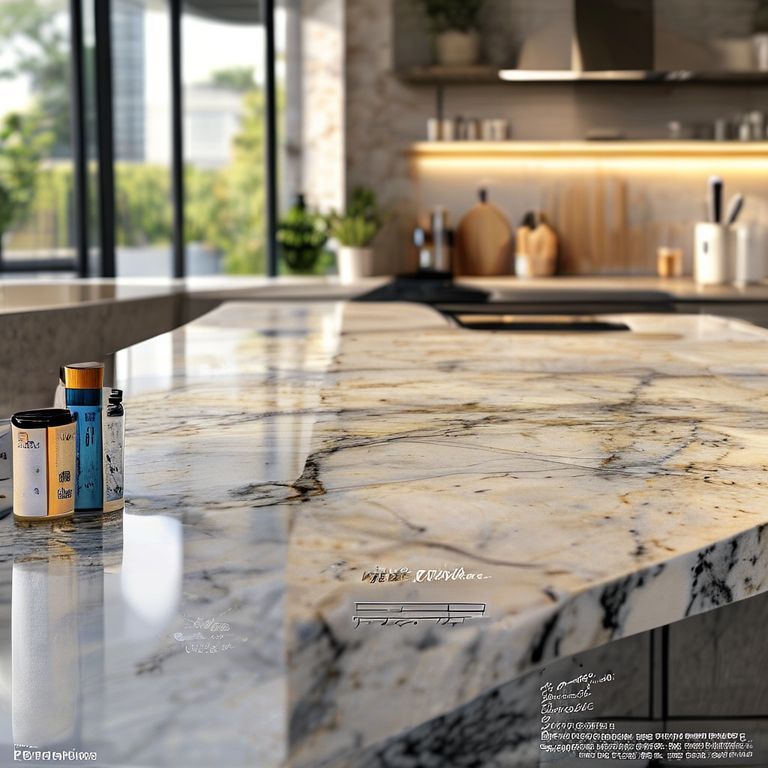
Before diving into the repair process, it’s crucial to understand the different types of countertops and their unique repair requirements. Here’s a brief overview of the most common materials you might encounter:
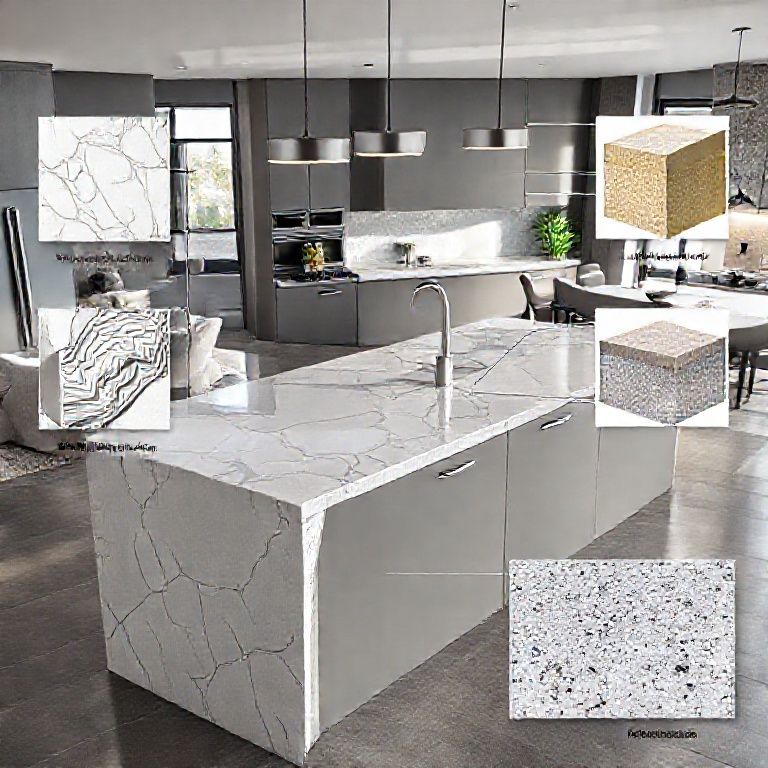
Granite: Known for its durability and natural beauty, granite countertops are usually repaired by filling cracks with epoxy resin or using a matching stone patch. Quartz: Quartz is a composite material that can be repaired using a specialized filler that matches the surface color. Marble: Marble requires a more delicate approach. Cracks can often be fixed using a marble filler or by employing a stone lapping technique to smooth out imperfections. Laminate: Laminate countertops are usually fixed by applying a patch or using a laminate repair kit to cover the crack. Wood: Wooden countertops may need to be treated with wood fillers and stain to match the original color before sealing.
Step-by-Step Repair Process
Step 1: Preparation
Tools and Materials Needed:
Safety goggles and gloves Fine-grit sandpaper Cleaning cloth and mild detergent Crack filler or epoxy resin Spatula or mixing tool Mixing container Paintbrush or applicator
Procedure:
Safety First: Always wear safety goggles and gloves to protect yourself from any harmful dust or chemicals. Clean the Area: Thoroughly clean the cracked area using a mild detergent and a soft cloth. Make sure to remove any dirt, grease, or debris that might interfere with the repair process. Sand the Crack: Use fine-grit sandpaper to smooth out the edges of the crack. This helps to create a clean surface for the filler to adhere to.
Step 2: Applying the Filler
Procedure:
Mix the Filler: If you’re using a crack filler or epoxy resin, carefully mix it according to the manufacturer’s instructions. This usually involves adding a hardener to the resin to activate the bonding process. Apply the Filler: Using a spatula or a mixing tool, apply the filler into the crack. Make sure to fill it completely and smooth out any air bubbles. For larger cracks, it may be necessary to apply the filler in multiple layers, allowing each layer to dry before applying the next. Shape the Surface: Once the filler is dry, use fine-grit sandpaper to shape the surface to match the surrounding countertop.
Step 3: Finishing Touches
Procedure:
Clean Up: After the filler is fully dried, clean the surface again to remove any dust or debris. Seal the Repair: Depending on the countertop material, apply a sealant to protect the repaired area. This step is especially important for natural stone countertops like granite and marble. Match the Color: For laminate or wood countertops, use a matching stain or colorant to ensure the repaired area blends seamlessly with the rest of the surface.
Tips for Success
Patience is Key: Allow ample drying time between each step to ensure a durable repair. Match the Color: Always use a filler or colorant that closely matches the original countertop color. Practice on Scrap Pieces: If you’re unsure about the process, practice on a small piece of the countertop or a scrap piece first.
Common Mistakes to Avoid
Using the Wrong Filler: Not all fillers are created equal. Using the wrong type for your countertop material can lead to ineffective repairs. Skipping the Sanding Step: Failing to properly sand the crack can result in an uneven surface and poor adhesion. Overfilling: Overfilling the crack can cause the filler to bulge out, which will require additional sanding and finishing.
By following these steps and tips, you’ll be well on your way to mastering kitchen countertop repair. In the next part of our “台面断裂修复视频教程” series, we’ll dive deeper into advanced techniques and explore special materials for different types of countertops. Stay tuned!
Advanced Techniques and Special Materials for Countertop Repair
Welcome to part two of our “台面断裂修复视频教程” series! Now that you’ve got the basics down, it’s time to explore some advanced techniques and special materials that will elevate your countertop repair skills. Whether you’re dealing with intricate designs or unique materials, our detailed video tutorials will guide you through each step to ensure a flawless finish.
Advanced Repair Techniques
1. Stone Patching
For granite and marble countertops, stone patching is an excellent method to repair cracks and chips. Here’s how to do it:
Tools and Materials Needed:
Stone patch kit (includes stone dust and bonding agent) Mixing container Spatula Fine-grit sandpaper Paintbrush
Procedure:
Prepare the Crack: Clean and sand the area around the crack to ensure a smooth surface. Mix the Patching Compound: Follow the instructions on your stone patch kit to mix the stone dust and bonding agent. Apply the Patch: Use a spatula to apply the patching compound into the crack. Shape it to match the surrounding surface. Smooth and Sand: Once the compound is set, use a paintbrush to smooth it out and then sand it to blend in seamlessly with the countertop.
2. Laminate Repair
Laminate countertops are often repaired using a laminate patch kit or by applying a laminate adhesive over the crack.
Tools and Materials Needed:
Laminate patch kit or laminate adhesive Fine-grit sandpaper Clean cloth Paintbrush
Procedure:
Prepare the Area: Clean and sand the crack to remove any debris. Apply the Patch or Adhesive: If using a patch, apply the adhesive to the patch and press it firmly onto the crack. For adhesive, spread it evenly over the crack. Smooth and Shape: Use a paintbrush to smooth out the patch or adhesive and shape it to match the surrounding surface. Allow to Dry: Let the repair dry completely according to the manufacturer’s instructions.
Special Materials for Different Countertops
1. Composite Materials (Quartz)
Quartz countertops are a blend of stone and resin, making them highly durable but requiring special repair techniques.
Tools and Materials Needed:
Quartz filler or composite repair kit Mixing container Spatula Fine-grit sandpaper Paintbrush
Procedure:
Clean and Sand: Thoroughly clean the cracked area and sand it to create a smooth surface. Mix the Filler: Mix the filler according to the instructions, ensuring a perfect match to the countertop color. Apply and Smooth: Use a spatula to apply the filler into the crack and smooth it out with a paintbrush. Allow to Dry and Sand: Let the filler dry completely, then sand it to match the surface texture.
2. Wood Countertops
Repairing wooden countertops involves matching the grain and color to ensure a seamless repair.
Tools and Materials Needed:
Wood filler or epoxy resin Fine-grit sandpaper Wood stain or dye Paintbrush Clear coat sealant
Procedure:
Prepare the Crack: Clean and sand the area around the crack. Apply the Filler: Use a spatula to fill the crack with wood filler or epoxy resin, then smooth it out. Sand and Stain: Once dry, sand the filled area and stain it to match the rest of the countertop. Seal the Repair: Apply a clear coat sealant to protect the repair.
Expert Tips for Flawless Repairs
Use the Right Tools: The right tools can make a big difference in the quality of your repair. Always use fine-grit sandpaper for a smooth finish. Color Matching: Achieving the perfect color match is crucial. Test the color on a small area first. Sealant Application: Always apply a sealant to protect the repaired area from future damage.
Addressing Common Challenges
Repairing Large Cracks: For larger cracks, it may be necessary to use multiple layers of filler在进一步讨论木质台面的修复时,我们可以深入探讨一些更复杂的情况和挑战,以及一些高级技巧,以确保修复工作的成功。
修复大面积损坏
对于大面积的损坏,传统的填充和抛光方法可能不够有效。这种情况下,您可能需要考虑以下几种方法:
木材补片修复: 步骤: 清除损坏区域的木材。 准备一个补片,大小适合损坏区域。 使用木胶将补片粘合在损坏区域。 用细砂纸打磨补片,使其与周围木材表面平整。 上色和清漆以匹配台面的其余部分。 木材复合修复: 步骤: 使用木材复合材料,如蜡板或塑料板,将其切割成合适的大小。
用木胶粘贴复合材料到损坏区域。 打磨和上色,以与周围的木材融为一体。
修复深度划痕
深度划痕可能需要更精细的处理方法:
填充与打磨: 使用木材填充剂填充划痕。 干燥后,用细砂纸打磨填充物,使其与表面平滑。 涂上与原色相匹配的木材染色剂,然后清漆。 表面重建: 在深度划痕处使用木材复合材料进行局部重建。 上色和清漆以使其与周围的表面一致。
恢复原始光泽
如果台面已经经历了多年的使用,表面可能会变得暗淡。以下方法可以帮助恢复其原始光泽:
打磨与抛光: 使用扩展砂纸或抛光机进行细致打磨,以去除旧漆和提升光泽。 使用抛光剂和抛光机进行最终的光泽处理。 使用专业恢复剂: 市面上有许多专业的木材恢复剂,可以帮助恢复台面的光泽和保护其表面。
预防与保护
为了延长木质台面的使用寿命,并减少未来的修复工作,以下预防措施是非常重要的:
避免使用尖锐物品: 避免在台面上放置尖锐物品,以防止划伤。 使用保护垫: 在放置餐具、杯子等物品时,使用木垫或硅胶垫,以防止划痕。 定期保养: 定期使用木材保护油或抛光剂进行保养,以保持台面的光泽和防止干裂。
结论
修复木质台面是一项需要耐心和技术的工作,但通过正确的方法和工具,您可以恢复台面的美观和功能。无论是简单的填充修复,还是复杂的损坏处理,都需要细致的打磨和上色技巧。通过定期保养和预防措施,您可以延长台面的使用寿命,避免未来的修复工作。