Discover the secrets to maintaining the pristine beauty of your artificial stone countertops with our comprehensive guide on using sandpaper for effective polishing and stain removal. From choosing the right grit to understanding the techniques, this article provides all the insights you need to keep your countertops gleaming.
artificial stone countertops, sandpaper, polishing, cleaning, stain removal, grit selection, maintenance, countertop restoration, kitchen countertops, home renovation
Choosing the Right Sandpaper and Understanding the Basics
Introduction
Artificial stone countertops have become a popular choice for kitchens and bathrooms due to their durability, low maintenance, and natural stone appearance. However, despite their resilience, these countertops still require proper care to maintain their beauty and functionality. One effective method to keep artificial stone surfaces looking their best is through sanding and polishing with the right type of sandpaper. This guide will walk you through the fundamentals of choosing the appropriate sandpaper and the basic techniques for cleaning and polishing your artificial stone countertops.
Why Sandpaper is Essential for Artificial Stone Countertops
Artificial stone, often made from a combination of natural stone powders and resins, requires a specific approach to cleaning and maintenance. Regular cleaning with soap and water is generally sufficient, but over time, stains and minor scratches may develop, necessitating a more thorough method. Sandpaper is a versatile tool that can effectively remove these imperfections while restoring the countertop’s luster.
Selecting the Right Grit
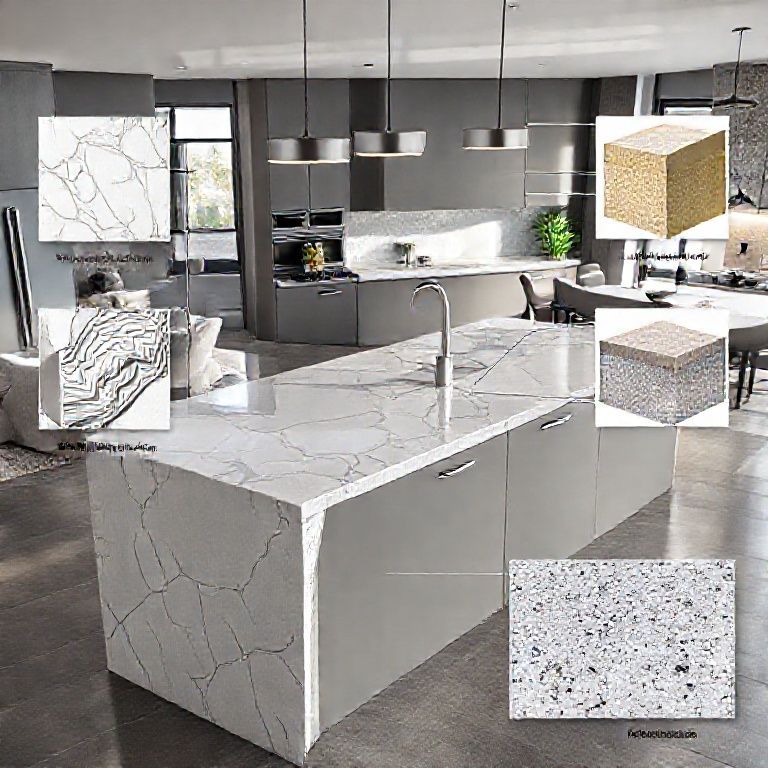
The grit of sandpaper refers to its coarseness, with lower numbers indicating a finer surface and higher numbers indicating a rougher surface. When it comes to artificial stone countertops, selecting the right sandpaper grit is crucial for achieving the desired results without damaging the surface.
Coarse Sandpaper (Low Grit): Grit Size: 80 to 120 Purpose: Ideal for removing heavy stains, deep scratches, and surface imperfections. It can also be used for initial sanding before polishing. Medium Sandpaper: Grit Size: 150 to 220 Purpose: Useful for smoothing out surfaces after using coarse sandpaper. It helps in reducing the scratches left by the coarser grit. Fine Sandpaper: Grit Size: 240 to 400 Purpose: Best for achieving a smooth, polished finish. It’s ideal for the final sanding stage before applying any protective coatings.
Safety First: Personal Protective Equipment
Before you begin sanding, it’s essential to prioritize safety. Here’s a list of protective equipment you should use:
Safety Glasses: Protect your eyes from flying debris. Dust Mask: Prevent inhalation of dust particles. Gloves: Protect your hands from the abrasive material and the sandpaper itself.
Step-by-Step Guide to Sanding Artificial Stone Countertops
Preparation: Clear the countertop of any objects. Use a vacuum cleaner to remove loose debris and dust. Ensure the area is well-ventilated. Initial Sanding: Start with coarse sandpaper (80-120 grit) and lightly sand the stained or scratched areas. Use a sanding block to maintain a consistent angle and smooth motion. Intermediate Sanding: Move to medium sandpaper (150-220 grit) to smooth out the surface created by the coarse sandpaper. Continue sanding in the direction of the artificial stone grain. Final Sanding: Finish with fine sandpaper (240-400 grit) to achieve a smooth, polished finish. Ensure thorough sanding to remove any remaining imperfections.
Conclusion
Choosing the right sandpaper and understanding the basics of sanding artificial stone countertops is the first step towards maintaining their pristine appearance. With the right grit and proper technique, you can effectively remove stains and minor scratches, restoring your countertops to their original glory. In the next part of this guide, we’ll delve deeper into advanced techniques and additional tips to ensure your artificial stone countertops remain flawless.
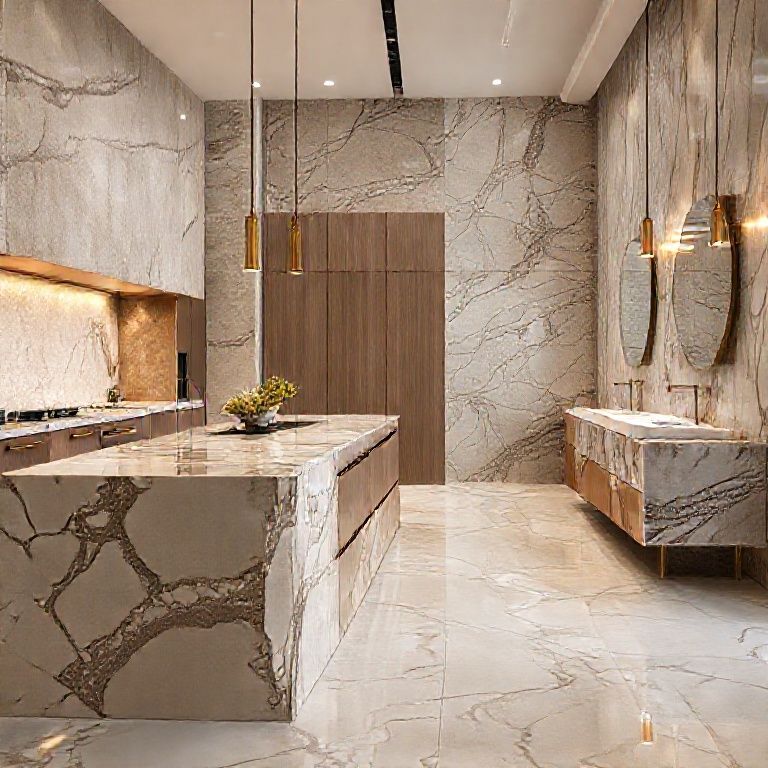
Advanced Techniques and Maintenance Tips for Artificial Stone Countertops
Introduction
Having covered the basics of selecting the right sandpaper and the fundamental steps for sanding artificial stone countertops, it’s time to explore advanced techniques and maintenance tips. This section will provide detailed instructions on how to polish artificial stone countertops to a high shine and maintain their beauty over time.
Advanced Sanding Techniques
While the basic sanding process involves using coarse, medium, and fine sandpaper, advanced techniques can help you achieve an even smoother and more polished finish.
Double-Sided Sanding Block: Using a double-sided sanding block can help maintain a consistent angle and smooth motion, ensuring an even finish. Attach coarse, medium, and fine sandpaper to the block and follow the previously mentioned sanding process. Rotary Sanding Tool: For larger surfaces or more intricate areas, a rotary sanding tool can provide more efficiency and control. Attach appropriate sandpaper pads to the tool and use it in a circular motion to sand the surface evenly. Sanding Sealer: After sanding, applying a sanding sealer can protect the surface from future scratches and stains while also enhancing the shine. Follow the manufacturer’s instructions for application and curing.
Polishing Artificial Stone Countertops
Once the surface is sanded and smooth, the next step is polishing to restore the natural shine of the artificial stone.
Polishing Compound: Use a polishing compound specifically designed for artificial stone surfaces. Apply a small amount to a soft cloth or polishing pad. Gently rub the compound over the sanded area in a circular motion. Buffing: After the polishing compound has been worked into the surface, use a clean, soft cloth to buff the area until it shines. Buffing removes any remaining compound and leaves a high-gloss finish. Final Inspection: Examine the countertop under good lighting to ensure there are no remaining imperfections. Repeat the polishing process if necessary to achieve the desired level of shine.
Maintenance Tips
To keep your artificial stone countertops looking their best, regular maintenance is key. Here are some tips to prolong the life and appearance of your countertops:
Daily Cleaning: Wipe down the surface daily with a damp cloth and mild soap or a specialized countertop cleaner. Avoid using abrasive cleaners or sponges that can scratch the surface. Regular Inspection: Regularly inspect the countertop for any signs of scratches, stains, or surface damage. Address minor issues promptly to prevent them from becoming more significant problems. Avoiding Harsh Chemicals: Use gentle, pH-neutral cleaners to avoid damaging the surface. Avoid using harsh chemicals or cleaners that contain bleach, vinegar, or acidic substances. Proper Utensil Use: Use non-metallic utensils to prevent scratches from knives or other sharp objects. Place trivets or pot holders under hot pots and pans to prevent thermal damage. Regular Polishing: Depending on the level of use, consider polishing the countertops every few months to maintain their shine and protect the surface.
Conclusion
Mastering the art of cleaning and polishing artificial stone countertops requires a combination of the right tools, techniques, and ongoing maintenance. By understanding how to use sandpaper effectively and employing advanced polishing methods, you can keep your countertops looking pristine and extending their lifespan. Regular care and attention will ensure that your artificial stone surfaces remain a beautiful and functional feature of your home. With these detailed guidelines, you’re well-equipped to maintain and restore the gleaming beauty of your artificial stone countertops.