Understanding the Unique Properties of Artificial Stone Countertops
When it comes to kitchen and bathroom renovations, one of the most popular choices for countertops is artificial stone. Known for their durability, low maintenance, and stunning aesthetic appeal, these countertops are a favorite among homeowners and professionals alike. However, despite their many benefits, artificial stone countertops can be susceptible to stains that seep in over time. Understanding how these stains develop and the unique properties of artificial stone is the first step in effectively tackling them.
The Composition of Artificial Stone
Artificial stone countertops are typically made from a combination of natural stone powders and a polymer binder. The most common types are quartz, composite stone, and cultured stone. Each type has its own unique set of properties that influence how it handles stains and cleaning.
Quartz: Composed of 93% natural quartz crystal, quartz countertops are known for their durability and resistance to stains. However, even quartz can be affected by acidic substances which can cause discoloration if not handled properly.
Composite Stone: Made from a mixture of natural stone powders and resin, composite stone is slightly more porous than quartz, making it important to be cautious with certain cleaning agents.
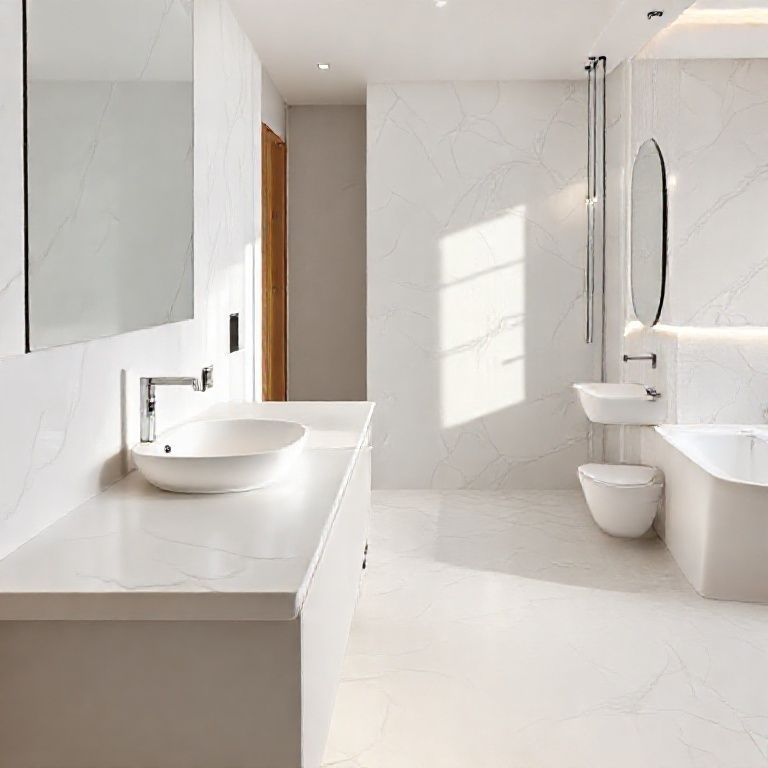
Cultured Stone: This type is made from a blend of marble dust and a resin binder, giving it a marble-like appearance. While beautiful, cultured stone can be more susceptible to stains due to its higher porosity.
Why Stains Occur
Stains can occur due to several reasons, including:
Acidic Foods and Beverages: Juices from fruits, coffee, wine, and even tomato-based sauces can penetrate the surface of artificial stone, leading to discoloration.
Cooking Oils: Oils and grease can seep into the stone, especially if spills are not cleaned promptly.

Daily Use: Regular spills and drops, especially from acidic substances, can gradually wear down the protective surface layer.
Immediate Action Steps
The sooner you address a stain, the easier it will be to remove. Here are some immediate actions to take when you notice a stain:
Blot Up Excess: Use a clean, dry cloth to blot up any excess liquid immediately.
Rinse with Water: Gently rinse the stained area with clean water to remove any loose particles.
Avoid Harsh Cleaners: Do not use abrasive cleaners or scouring pads, as they can scratch the surface.
Understanding the unique properties of your artificial stone countertop and the reasons behind stain formation sets the stage for effective cleaning and maintenance. In the next part, we will delve into specific cleaning solutions and maintenance tips to keep your artificial stone countertop looking pristine.
Effective Cleaning Solutions and Maintenance Tips for Artificial Stone Countertops
Now that we’ve covered the basics of what makes artificial stone countertops special and why stains occur, it’s time to dive into the practical steps you can take to clean and maintain these surfaces. From using the right cleaning solutions to routine maintenance, here’s a comprehensive guide to keeping your artificial stone countertops in top condition.
Cleaning Solutions for Artificial Stone
Choosing the right cleaning solution is crucial to maintaining the beauty and integrity of your artificial stone countertop. Here’s a breakdown of the best practices for cleaning different types of artificial stone:
General Cleaning:
Mild Dish Soap and Warm Water: For everyday cleaning, a simple mixture of mild dish soap and warm water is often sufficient. Use a soft cloth or sponge to clean the surface, avoiding any abrasive scrubbing.
Non-Abrasive Sponges: Always use non-abrasive sponges to avoid scratching the surface.
Tackling Tough Stains:
Baking Soda Paste: For stubborn stains, create a paste using baking soda and water. Apply the paste to the stain and let it sit for a few minutes before gently scrubbing with a soft cloth.
Vinegar and Baking Soda: For acidic stains, a mixture of equal parts vinegar and water can be effective. Apply the solution to the stain, let it sit for a few minutes, then rinse with water. Follow up with baking soda to neutralize any acidity.
Specialized Cleaners:
Manufacturer’s Recommendations: Always check the manufacturer’s guidelines for recommended cleaning products. Some artificial stone brands offer their own cleaning solutions designed specifically for their material.
Commercial Cleaners: There are commercial cleaners available that are formulated for stone surfaces. Be sure to test any new product on a small, inconspicuous area first to ensure it doesn’t damage the surface.
Maintenance Tips
Regular maintenance is key to preventing stains and prolonging the life of your artificial stone countertop. Here are some essential tips:
Immediate Cleanup: Always clean up spills immediately. The longer a stain sits, the harder it is to remove. Use a paper towel or cloth to blot up spills as soon as possible.
Protective Coatings: Consider applying a protective coating designed for artificial stone. These coatings create a barrier that helps repel stains and make cleaning easier.
Avoid Acidic Foods and Drinks Directly on the Surface: Use cutting boards, trivets, and coasters to protect your countertop from acidic substances.
Regular Wiping Down: Wipe down the countertop with a damp cloth regularly to remove any residue and prevent buildup.
Proper Utensils: Use non-metallic utensils when cutting or preparing food on the countertop to prevent scratches.
Advanced Stain Removal Techniques
For particularly stubborn stains that have seeped into the surface of your artificial stone countertop, more advanced techniques may be required:
Professional Cleaning Services: If home remedies don’t work, consider hiring a professional cleaning service that specializes in stone countertops. They have access to specialized equipment and cleaning solutions.
Ultrasonic Cleaning: In some cases, ultrasonic cleaning can be used. This method uses high-frequency sound waves to clean surfaces thoroughly. It’s effective but should be done by a professional.
Chemical Etching: In extreme cases, a chemical etching solution might be used to remove deep stains. This is a more aggressive method and should only be done by professionals to avoid damaging the stone.
By following these cleaning solutions and maintenance tips, you can ensure that your artificial stone countertops remain beautiful and functional for years to come. In the next part, we will explore some additional preventive measures and common mistakes to avoid when caring for artificial stone countertops.
Understanding and maintaining your artificial stone countertop effectively will not only enhance the aesthetics of your kitchen or bathroom but also ensure its longevity. Stay tuned for more detailed insights and preventive measures to keep your countertops looking pristine.