The Price Difference Between Synthetic Stone Countertops and Quartzite Countertops
When it comes to kitchen and bathroom remodeling, one of the most significant decisions is selecting the right countertop material. Among the many options available, synthetic stone and quartzite countertops are two popular choices. Both materials offer unique benefits and aesthetic possibilities, but they also come with distinct price differences. Understanding these differences is crucial for making an informed decision that fits your budget and design vision.

Material Composition and Cost Implications
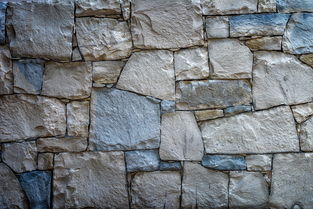
Synthetic stone countertops, also known as cultured stone, are made from a blend of natural stone powders, minerals, and resins. This mixture is molded and cured to create a material that closely mimics the appearance of natural stone. The primary ingredients—limestone, marble, and granite—are relatively inexpensive, contributing to the overall cost-effectiveness of synthetic stone.
On the other hand, quartzite is a type of natural stone that is 100% genuine quartz. It is formed through natural geological processes and consists of tightly interlocked quartz grains. The extraction and processing of quartzite are more labor-intensive and costly compared to the creation of synthetic stone. This difference in material composition directly influences the price of the countertops.
Craftsmanship and Quality Control
The craftsmanship and quality control processes also play a significant role in determining the price difference between synthetic stone and quartzite countertops. Synthetic stone countertops are typically manufactured in large batches, which allows manufacturers to achieve consistent quality and pricing. However, the manufacturing process can sometimes result in minor imperfections that may affect the overall appearance.
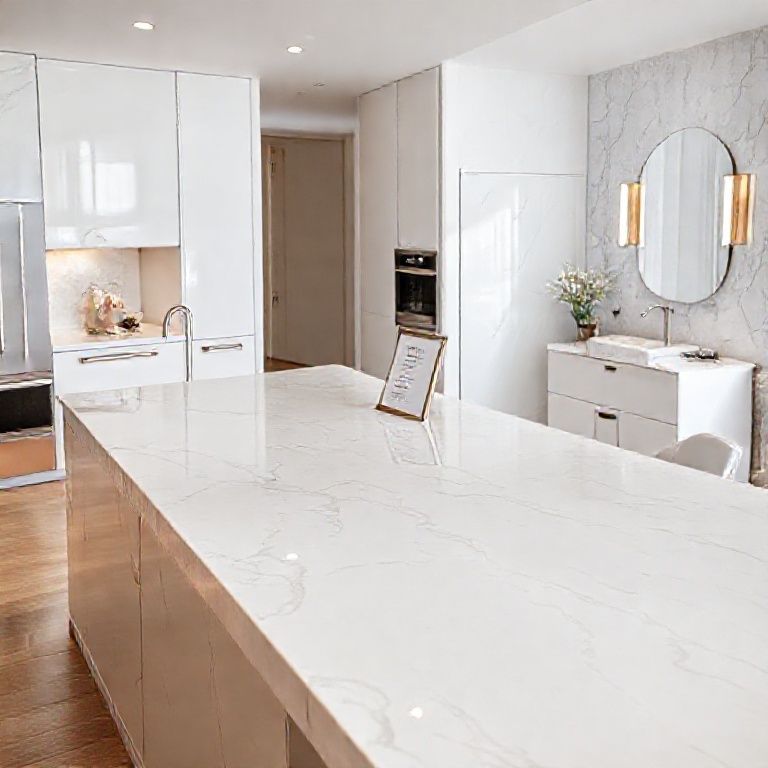
In contrast, quartzite countertops are cut and polished in a way that showcases the natural beauty and variability of the stone. Each piece is unique, and the craftsmanship involved in cutting and polishing natural quartzite adds to its overall cost. The attention to detail and the artisanal nature of working with natural stone ensure a higher level of quality and finish.
Installation and Maintenance Costs
Another aspect to consider is the installation and maintenance costs associated with each type of countertop. Synthetic stone countertops are generally easier and less expensive to install compared to quartzite. They can be cut and shaped on-site with relative ease, and they do not require specialized tools or techniques. This simplicity in installation often translates to lower labor costs.
Quartzite countertops, due to their harder nature, require more precise cutting and installation methods. The specialized tools and expertise needed for installing quartzite can lead to higher labor costs. Additionally, the maintenance of quartzite countertops is relatively low since they are highly durable and resistant to scratches, stains, and heat. However, any repairs or replacements might be more costly compared to synthetic stone due to the nature of the material.
Durability and Longevity
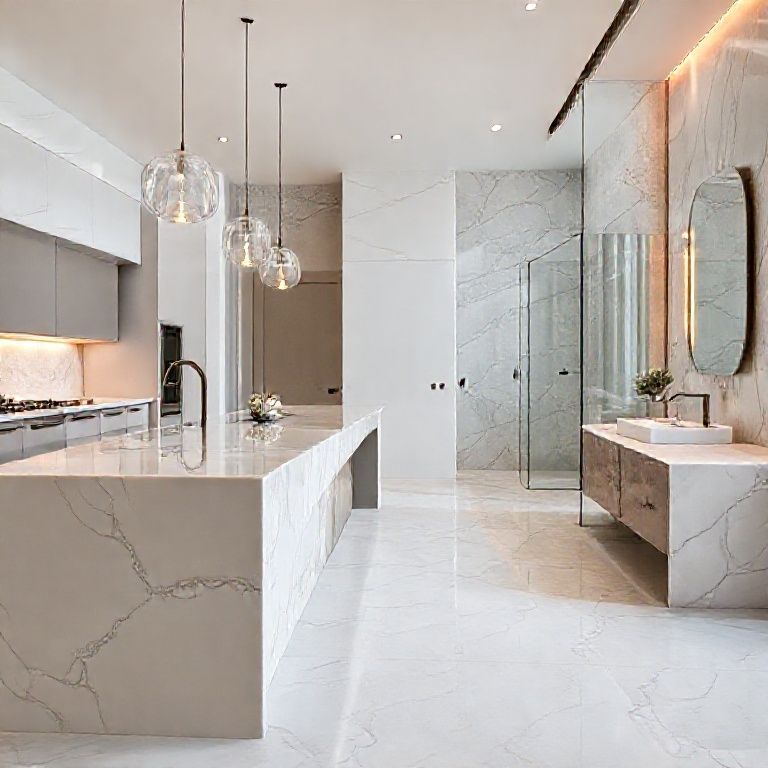
Durability is a critical factor when choosing between synthetic stone and quartzite countertops. Synthetic stone is known for its durability, but it can also be susceptible to scratches and staining, especially from acidic substances. While high-quality synthetic stone countertops can offer a long lifespan, they may require more frequent maintenance and occasional replacement to maintain their appearance.
Quartzite, on the other hand, is one of the hardest natural stones available, offering exceptional durability. Its resistance to scratches, stains, and heat makes it an ideal choice for high-traffic areas. Quartzite countertops are known for their long-lasting durability, often lasting for decades with proper care. This longevity can be a significant cost-saving factor over time, as fewer replacements are needed.
Aesthetic Appeal and Customization
The aesthetic appeal of synthetic stone and quartzite countertops is another area where they differ. Synthetic stone can be engineered to mimic the look of various natural stones, including marble, granite, and travertine, allowing for a high degree of customization. The color variations and finishes available in synthetic stone make it a versatile choice for designers and homeowners looking for unique and intricate designs.
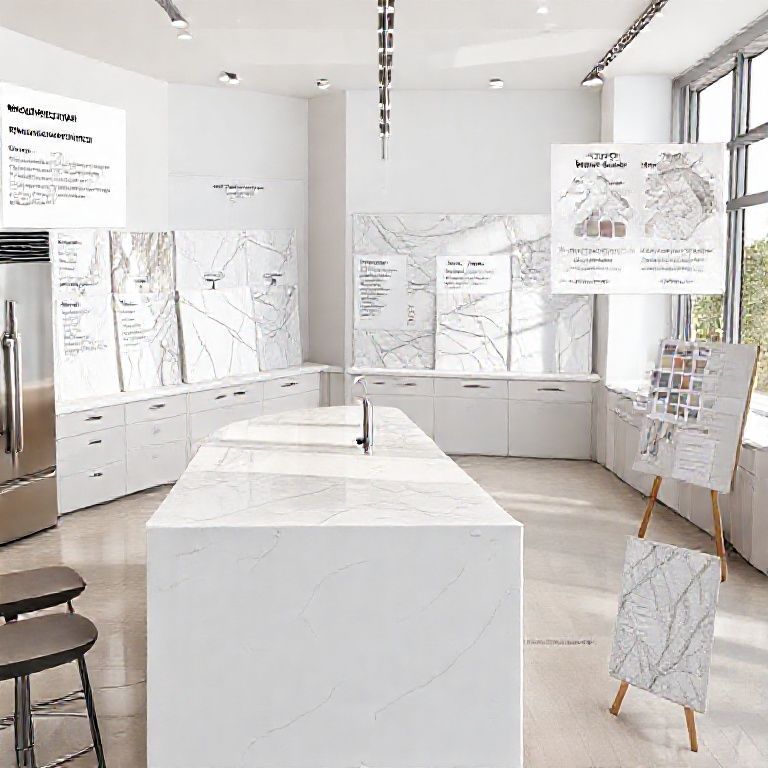
Quartzite countertops offer a natural, stone-like appearance that is both modern and timeless. The inherent beauty of quartzite lies in its unique veining and color patterns, which add character and elegance to any space. While quartzite does not offer the same level of customization as synthetic stone, its natural aesthetic is highly valued for its authenticity and luxury feel.
Environmental and Ethical Considerations
Environmental and ethical considerations are increasingly important factors in modern construction and design. Synthetic stone countertops are often made with eco-friendly resins and are recyclable, making them a more sustainable choice compared to natural stone. The production process for synthetic stone generates less waste and has a lower environmental impact.
Quartzite, as a natural stone, is extracted from quarries, which can have significant environmental impacts if not managed sustainably. Quarrying for natural stone can lead to habitat destruction and contribute to carbon emissions. However, responsible and ethical quarrying practices can mitigate some of these impacts, and many quartzite suppliers now emphasize sustainable sourcing and extraction methods.
Conclusion
In conclusion, the price difference between synthetic stone and quartzite countertops is influenced by several factors, including material composition, craftsmanship, installation, maintenance, durability, aesthetic appeal, and sustainability. Synthetic stone offers a cost-effective alternative with versatile customization options, while quartzite provides a luxurious, natural beauty that is highly durable and long-lasting.
When deciding between these two materials, it’s essential to consider your budget, design preferences, and long-term goals for your kitchen or bathroom remodeling project. Both synthetic stone and quartzite have their unique advantages and can transform your space into a beautiful and functional area.
Stay tuned for the second part of our article, where we will delve deeper into the specific pricing ranges, installation tips, and maintenance advice for synthetic stone and quartzite countertops to help you make the best choice for your home.
The Price Difference Between Synthetic Stone Countertops and Quartzite Countertops: Detailed Insights
In the previous section, we explored the various factors that contribute to the price difference between synthetic stone and quartzite countertops. Now, let’s dive deeper into specific pricing ranges, installation tips, and maintenance advice for each type of countertop to help you make an informed decision.
Detailed Pricing Ranges
Synthetic Stone Countertops
The cost of synthetic stone countertops can vary widely depending on the brand, design, and customization. On average, synthetic stone countertops can range from $25 to $60 per square foot. High-end synthetic stone with intricate designs and premium materials can cost even more, sometimes exceeding $80 per square foot.
Factors affecting the price include the type of resin used, the complexity of the design, and the inclusion of additional features such as veining and color variations. Custom-made synthetic stone pieces, which are designed and created to specific measurements and shapes, typically have higher price tags.
Quartzite Countertops
Quartzite countertops generally have a higher price point compared to synthetic stone. The average cost of quartzite countertops ranges from $60 to $100 per square foot. Premium quartzite, featuring unique and rare veining patterns, can cost upwards of $150 per square foot.
The price of quartzite is influenced by the quality of the stone, the complexity of the design, and the level of craftsmanship involved in cutting and polishing the material. Custom-made quartzite pieces, which are cut to specific dimensions and shapes, also tend to be more expensive due to the higher level of detail and precision required.
Installation Tips
Synthetic Stone Countertops
Installing synthetic stone countertops is relatively straightforward, which often results in lower installation costs. Here are some tips for a successful installation:
Surface Preparation: Ensure the surface is clean, flat, and dry before installing the countertop. Any imperfections or debris can affect the adhesion of the synthetic stone.
Adhesive Selection: Use a high-quality adhesive recommended by the manufacturer. Follow the manufacturer’s instructions for application and curing time.
Cutting: Synthetic stone can be cut with a standard tile saw or a utility knife. It’s important to score the surface before making a cut to ensure clean edges.
Sealing: After installation, seal the countertop to protect it from stains and moisture. Regular sealing can extend the lifespan of the countertop.
Quartzite Countertops
Installing quartzite countertops requires more precision due to the material’s hardness and the intricate patterns. Here are some tips for a successful installation:
Surface Preparation: Ensure the surface is clean, level, and dry. Use a level to check the surface for any unevenness before installation.
Adhesive Selection: Use a high-grade adhesive designed for natural stone. Follow the manufacturer’s instructions for application and curing time.
Cutting: Quartzite is harder than most other natural stones, so it requires specialized tools such as a diamond-tipped saw. Precise cutting is crucial to achieve clean edges and prevent chipping.
Sealing: Quartzite countertops should be sealed to protect against stains and moisture. Regular sealing helps maintain the countertop’s appearance and longevity.
Maintenance Advice
Synthetic Stone Countertops
While synthetic stone countertops are durable, they do require some maintenance to keep them looking their best:
Maintenance Advice
Synthetic Stone Countertops
While synthetic stone countertops are durable, they do require some maintenance to keep them looking their best:
Cleaning: Use a mild detergent or a specialized cleaner recommended by the manufacturer. Avoid using acidic or abrasive cleaners that can damage the surface.
Stain Removal: For minor stains, blot the area with a clean cloth and a mild cleaner. For tougher stains, a small amount of bleach mixed with water can be used, but always test in an inconspicuous area first.
Sealing: Regularly reseal the countertop to protect it from stains and moisture. The frequency of sealing depends on usage but is generally recommended every 6 to 12 months.
Avoiding Heat Damage: While synthetic stone can withstand some heat, prolonged exposure to very high temperatures can cause discoloration. Avoid placing hot pots or pans directly on the surface.
Quartzite Countertops
Quartzite countertops are highly durable and require minimal maintenance, but proper care can extend their lifespan and keep their beauty intact:
Cleaning: Use a mild dish soap and warm water to clean the surface. Avoid using acidic or abrasive cleaners that can etch the stone.
Stain Removal: For minor stains, blot with a clean cloth and mild cleaner. For tougher stains, a small amount of bleach mixed with water can be used, but always test in an inconspicuous area first.
Sealing: While quartzite is naturally resistant to stains, it is recommended to seal it at least once a year to maintain its protective qualities. Choose a high-quality quartzite-specific sealer.
Avoiding Scratches: Quartzite is hard but can still be scratched. Avoid placing sharp objects directly on the surface. Use cutting boards or pads when cutting food.
Heat Damage: Quartzite can withstand high temperatures, but prolonged exposure to very hot items can cause discoloration. Avoid placing hot pots or pans directly on the surface.
Conclusion
In summary, both synthetic stone and quartzite countertops offer unique advantages and cater to different needs and budgets. Synthetic stone provides a cost-effective and customizable option, making it ideal for those looking for a versatile and affordable choice. Quartzite, on the other hand, offers unparalleled durability and a natural, luxurious aesthetic that is perfect for those seeking a high-end, long-lasting countertop.
When deciding between synthetic stone and quartzite, consider your budget, design preferences, and maintenance capabilities. Both materials can transform your kitchen or bathroom into a stunning and functional space.
For more detailed information on specific products, pricing, and installation services, it’s always best to consult with a reputable countertop manufacturer or installer who can provide tailored advice and options to meet your unique needs.
Hopefully, this detailed comparison helps you make an informed decision for your next remodeling project. If you have any specific questions or need further assistance, feel free to reach out!