The Pros and Cons of Artificial Stone Countertops and Their Cleaning Methods
Artificial stone countertops have revolutionized the landscape of modern kitchen and bathroom design, offering a blend of durability, aesthetics, and functionality. Their growing popularity is due to the various benefits they provide, but like any material, they come with their own set of challenges. This part of our comprehensive guide will delve into the advantages and disadvantages of artificial stone, providing a clear understanding of what to expect when choosing this material for your next renovation project.

Advantages of Artificial Stone Countertops
1. Durability and Strength
One of the standout features of artificial stone countertops is their remarkable durability. Made from a mixture of natural stone powder, resin, and other additives, these countertops boast a high resistance to impact and scratches. This makes them ideal for high-traffic areas where wear and tear are inevitable. Unlike traditional granite or marble, artificial stone does not chip or crack easily, ensuring a longer lifespan and less need for repairs.
2. Aesthetic Versatility
Artificial stone countertops offer an unparalleled range of colors and finishes, allowing for a truly customized look that can match any style of décor. From classic marble-like textures to modern, sleek designs, artificial stone provides versatility that natural stone often cannot match. This flexibility makes it easier to design a space that perfectly suits your personal taste.
3. Maintenance-Friendly
Another significant advantage of artificial stone is its ease of maintenance. Unlike natural stone, which often requires sealing and regular maintenance to prevent staining, artificial stone countertops are generally low-maintenance. Most types of artificial stone are resistant to common household stains, including coffee, wine, and grease, making them ideal for busy households and commercial spaces.
4. Cost-Effectiveness
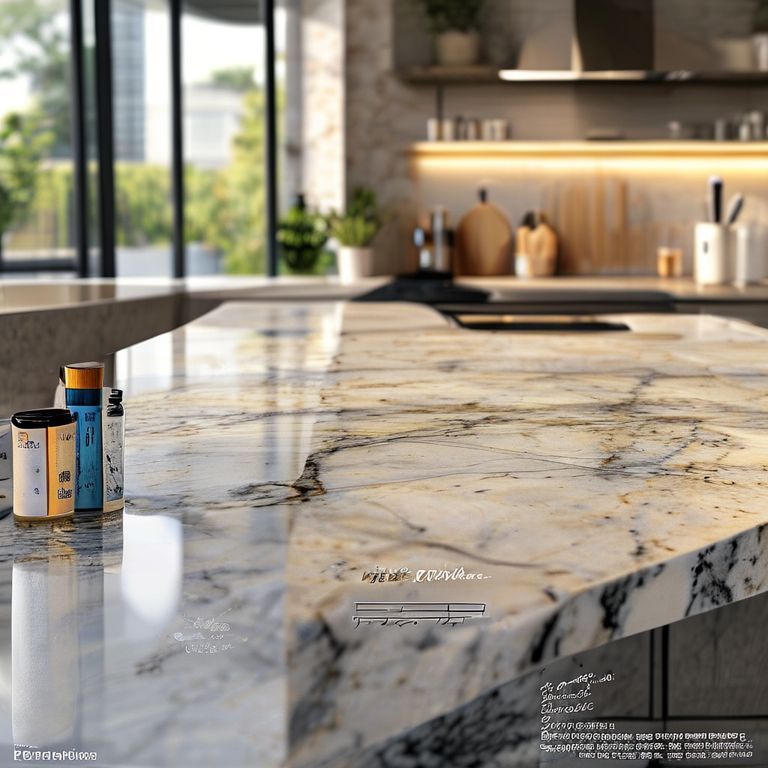
Artificial stone countertops are often more affordable than their natural stone counterparts. The production process is less labor-intensive, and the materials used are more economical. This lower cost translates to a more budget-friendly option without sacrificing quality or appearance.
5. Lightweight and Easy to Install
Artificial stone is significantly lighter than natural stone, which simplifies the installation process. This ease of handling and installation makes it easier for contractors to work with, reducing both time and labor costs. Additionally, because artificial stone can be cut into various shapes and sizes, it offers flexibility in design without the need for intricate stone cutting.
Disadvantages of Artificial Stone Countertops
1. Heat Sensitivity
While artificial stone is tough, it is not impervious to heat. Unlike granite or marble, which can withstand high temperatures without damage, artificial stone can be damaged by direct, prolonged exposure to heat. This means that hot pots and pans should be placed on trivets or hot pads to prevent discoloration or warping.
2. Chemical Resistance
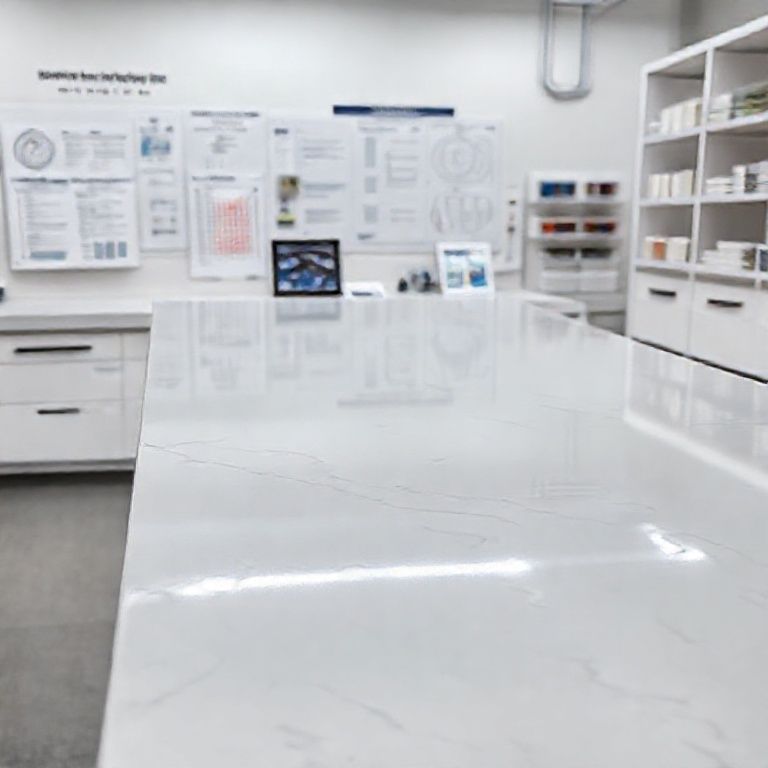
Although artificial stone is generally resistant to most household stains, it is not as resistant to certain chemicals as natural stone. For example, prolonged exposure to acidic substances such as lemon juice or vinegar can cause discoloration. It’s essential to clean up acidic spills immediately and avoid using harsh cleaning agents that could damage the surface.
3. Less Natural Appearance
For those seeking a truly authentic stone look, artificial stone may not provide the same natural aesthetic as real granite or marble. While it can mimic the appearance of natural stone to a certain extent, some might find that it lacks the unique and organic beauty of natural stone, which can be a dealbreaker for purists.
4. Environmental Concerns
The production process of artificial stone involves the use of resins and other synthetic materials, which raises concerns about environmental impact. While the stone itself is durable and long-lasting, the manufacturing process might not align with eco-friendly practices for those conscious about sustainability.
5. Limited Availability of Colors
Although artificial stone offers a wide range of colors, the selection may not be as extensive as the natural stone market. Some unique natural stone hues and patterns might be difficult to replicate in artificial stone, limiting the color options for those looking for a specific look.
Cleaning Methods for Artificial Stone Countertops
Now that we’ve explored the pros and cons of artificial stone countertops, let’s discuss how to maintain their beauty and functionality. Proper cleaning and maintenance are essential to ensure that your artificial stone countertops remain in top condition for years to come.
Daily Cleaning
For everyday cleaning, a simple solution of warm water and mild dish soap is usually sufficient. Here’s a step-by-step guide to keep your artificial stone countertop sparkling:
Wipe Down: Use a clean, damp cloth to wipe down the countertop surface daily. This helps to remove any spills, crumbs, or residue that could lead to staining.
Rinse: After wiping with the soapy cloth, rinse the countertop with a clean, damp cloth to remove any soap residue.
Dry: Dry the surface with a clean, dry cloth to prevent water spots and stains.
Regular Maintenance
To keep your artificial stone countertop looking its best, regular maintenance is key:
Immediate Spill Cleanup: For any acidic or hot spills, clean them up immediately to prevent damage. Use a soft cloth to dab the spill gently and rinse with water.
Avoiding Harsh Chemicals: Use mild cleaning agents and avoid bleach, vinegar, or other harsh chemicals that could potentially harm the surface.
Protective Pads for Heat: Always use trivets or hot pads when placing hot items on the countertop to prevent heat damage.
Deep Cleaning
For a deeper clean, consider the following steps:
Mild Cleaner: Mix a mild detergent with warm water. Avoid using abrasive sponges or pads that could scratch the surface.
Scrub Gently: Use a soft cloth or sponge to gently scrub the surface. For tougher spots, a soft-bristled brush can be used.
Rinse and Dry: Rinse the countertop with clean water and dry thoroughly with a soft cloth.
Addressing Stains
In the rare event that a stain does occur, here’s how to address it:
Blot: For fresh stains, blot the area with a clean, damp cloth to absorb as much of the stain as possible.
Clean: Use a mixture of baking soda and water to create a paste. Apply this to the stain and let it sit for a few minutes before gently scrubbing with a soft cloth.
Rinse and Dry: Rinse the area with water and dry thoroughly.
Professional Cleaning
For a thorough professional cleaning, consider hiring a professional cleaner who specializes in artificial stone. They will have the tools and expertise to clean and restore your countertops to their original luster without causing any damage.
Stay tuned for the second part of our comprehensive guide, where we will further explore advanced cleaning techniques and maintenance tips for maintaining your artificial stone countertops in pristine condition.