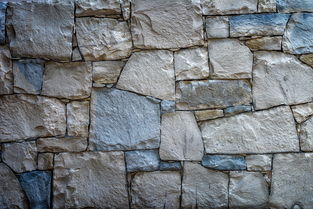
Artificial stone countertops have revolutionized the way we think about kitchen design and functionality. As a material that combines the aesthetic appeal of natural stone with the durability and versatility of modern composites, it’s no wonder they’ve become a popular choice for homeowners looking to upgrade their kitchen space. In this first part of our exploration, we will delve into the myriad advantages that artificial stone countertops bring to the table, setting the stage for a comprehensive understanding of their impact on home renovation projects.

1. Aesthetic Versatility
One of the most compelling advantages of artificial stone countertops is their unmatched aesthetic versatility. These countertops mimic the appearance of natural stone such as granite, marble, and quartz with remarkable fidelity. The result is a sleek, polished surface that can complement a wide range of interior styles, from rustic to modern. Designers and homeowners alike appreciate the ability to choose from an extensive palette of colors and patterns, allowing for truly personalized kitchen designs.
2. Durability and Strength
Artificial stone is known for its exceptional durability. It is crafted from a blend of natural stone powders and resins, which creates a material that is significantly harder than most other countertop options. This makes artificial stone incredibly resistant to scratches, dents, and impact damage, ensuring that your countertops will maintain their pristine appearance over the long term. This durability is particularly beneficial for households with children or pets, where accidental spills and drops are a common occurrence.
3. Low Maintenance
In the realm of countertop maintenance, artificial stone stands out for its low-maintenance requirements. Unlike natural stone, which requires regular sealing to protect against stains and water damage, artificial stone does not need this additional upkeep. Instead, it can be easily wiped clean with a damp cloth and mild dish soap, making it an ideal choice for busy households. This ease of care translates to less time spent on cleaning and more time enjoying your kitchen.
4. Water Resistance
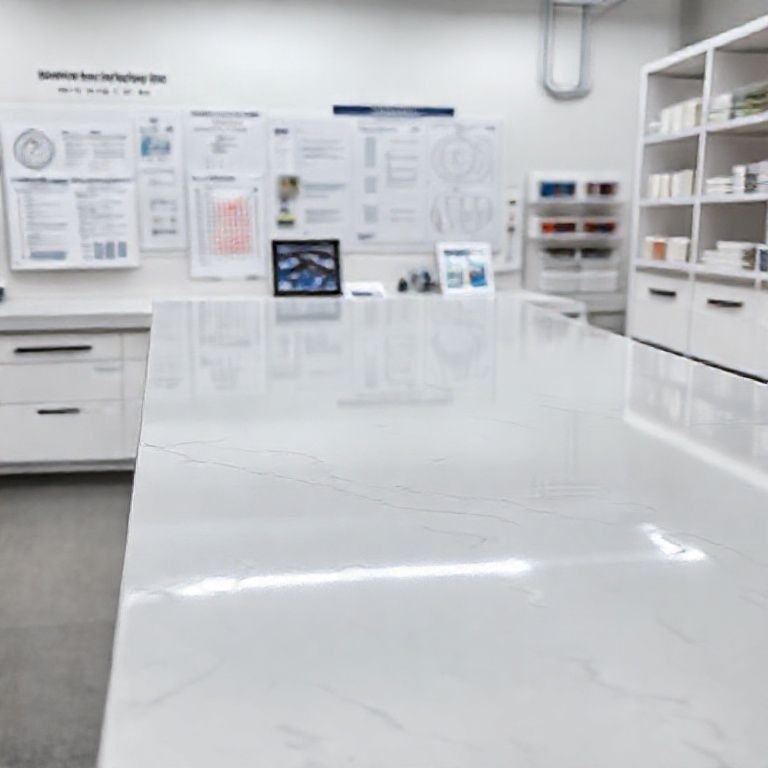
Artificial stone countertops are inherently water-resistant, meaning they do not absorb water or liquids like granite or marble might. This feature is particularly advantageous in kitchens where spills are frequent. The water resistance helps prevent stains and water rings, maintaining the countertop’s appearance and preventing potential damage to the underlying surfaces.
5. Cost-Effectiveness
While the initial cost of artificial stone countertops can be higher than some other materials, they often prove to be more cost-effective in the long run. The durability and low maintenance requirements mean that these countertops require fewer repairs and less frequent replacements. Additionally, the variety of styles and colors available often allows homeowners to find a design that closely matches their budget, making it a versatile option for a wide range of financial situations.
6. Environmental Benefits
Artificial stone is an environmentally friendly choice for several reasons. The manufacturing process often utilizes recycled materials, reducing the need for mining and the associated environmental impact. Additionally, the longevity of artificial stone countertops means that fewer resources are needed for replacements over time, contributing to a more sustainable approach to home renovation.
7. Easy Installation
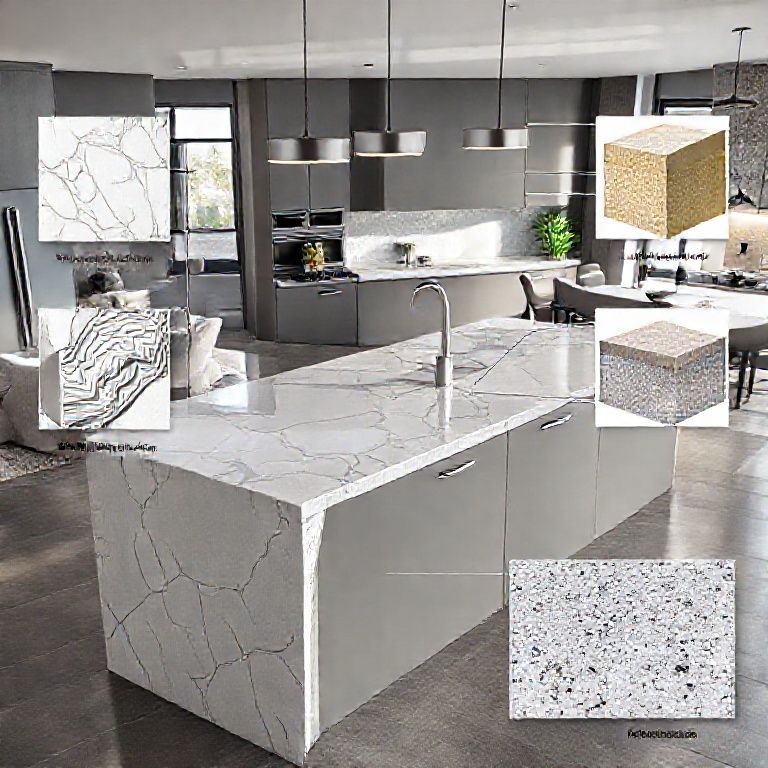
Another benefit of artificial stone countertops is their ease of installation. Unlike natural stone, which requires professional cutting and careful placement, artificial stone can often be installed by homeowners themselves. This not only saves on labor costs but also allows for a quicker renovation process. The pre-cut slabs and user-friendly installation guidelines make it accessible for DIY enthusiasts.
8. Customizable Solutions
Artificial stone offers a level of customization that is difficult to achieve with natural stone. Homeowners can choose from a variety of thicknesses, textures, and colors, allowing for a truly unique design. Custom shapes and sizes can also be created to fit specific kitchen layouts, providing a tailored look that enhances the overall aesthetic of the space.
9. Safety Features
The material composition of artificial stone often includes non-toxic ingredients, making it a safer option for households with children and pets. This is particularly important in kitchen areas where spills and accidents can occur frequently. The absence of harmful chemicals in the material reduces the risk of exposure to potentially dangerous substances.
10. Versatility in Applications
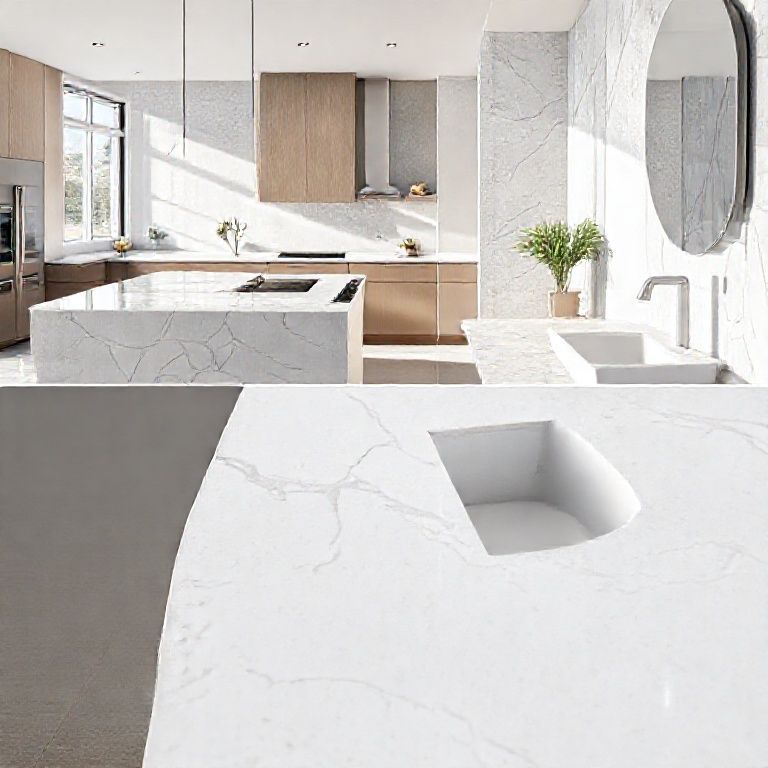
Artificial stone is not limited to kitchen countertops. Its versatility extends to other areas of home renovation, such as bathroom vanities, bar tops, and even outdoor furniture. The material’s durability and resistance to various elements make it suitable for a wide range of applications, providing a cohesive look across different areas of your home.
In the next part of our series, we will explore the potential drawbacks of artificial stone countertops, providing a balanced perspective on their overall impact on home renovation projects. This holistic view will help you make a well-informed decision based on both the strengths and limitations of this modern material.
Stay tuned for Part 2, where we will delve into the potential cons of artificial stone countertops to provide a balanced and comprehensive overview.