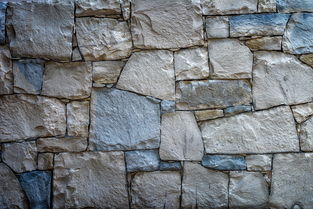
The Advantages of Artificial Stone Countertops
Artificial stone countertops, also known as cultured stone, have been revolutionizing kitchen and bathroom designs for several years. These surfaces offer a plethora of benefits that make them an attractive option for both homeowners and designers. In this part, we explore the key advantages of artificial stone countertops.

1. Unmatched Aesthetic Appeal
One of the primary reasons artificial stone countertops have gained popularity is their stunning aesthetic appeal. These countertops mimic the look of natural stone, such as marble or granite, but with greater versatility. The ability to create intricate designs, patterns, and colors allows for an unparalleled level of customization. Whether you prefer a sleek, modern look or a traditional, classic feel, artificial stone can be tailored to fit your unique style.
2. Durability and Strength
Artificial stone countertops are known for their impressive durability and strength. Unlike natural stone, which can be prone to chipping and scratching, artificial stone is engineered to withstand a multitude of impacts. It is also highly resistant to stains and scratches, making it a practical choice for high-traffic areas. This durability ensures that your countertop will maintain its appearance and functionality for years to come.
3. Water Resistance
Water resistance is a critical factor when it comes to kitchen and bathroom countertops. Artificial stone is naturally water-resistant, which means it can handle the constant exposure to water and steam without degrading over time. This characteristic makes it an ideal choice for these areas, where natural stone would typically require sealing and maintenance.
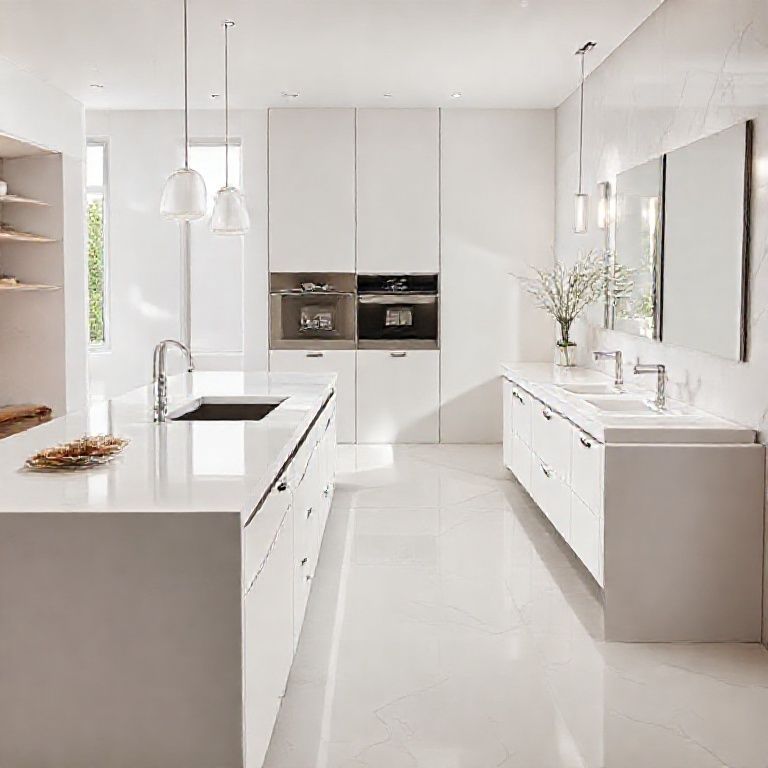
4. Environmentally Friendly
Another significant advantage of artificial stone countertops is their environmental impact. The production of artificial stone often involves fewer emissions and less waste compared to natural stone quarrying. Additionally, since artificial stone does not require the use of natural resources, it contributes to a more sustainable building process. This makes it an eco-friendly option for environmentally conscious homeowners and designers.
5. Cost-Effectiveness
Cost is always a crucial factor in any renovation project, and artificial stone countertops offer an excellent balance between quality and affordability. While the initial cost may be slightly higher than some synthetic options, such as laminate or Formica, it is often more economical than natural stone like granite or marble. Moreover, the longevity and low maintenance requirements of artificial stone can result in significant savings over time.
6. Easy Installation
Artificial stone countertops are relatively easy to install, even for those without professional experience. The material can be cut and shaped on-site, which allows for precise measurements and minimal waste. Additionally, the installation process is generally less invasive than that of natural stone, which often requires more extensive preparation and handling.
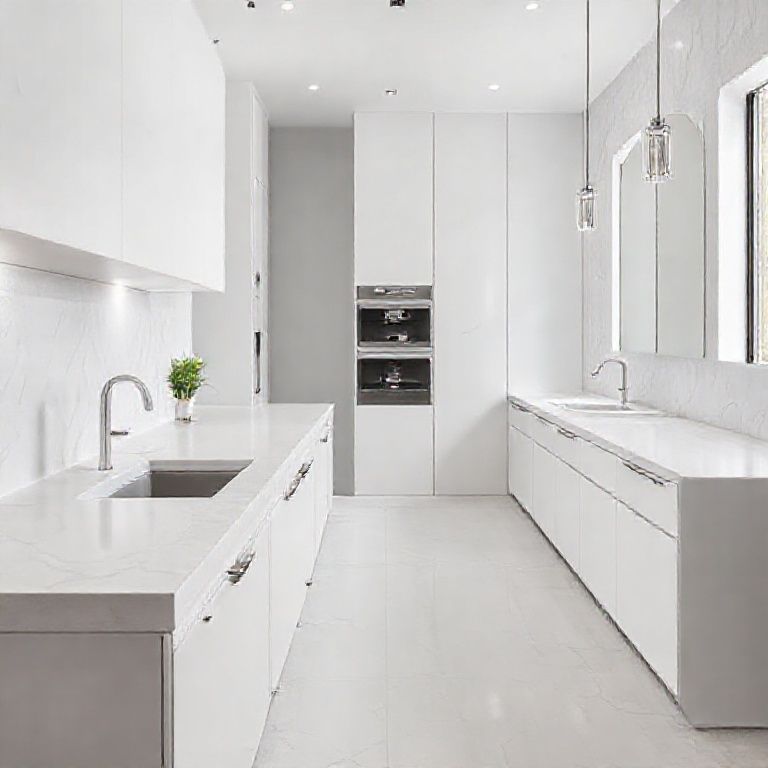
7. Customization Options
The customization options available with artificial stone are virtually limitless. It can be engineered to mimic a wide variety of natural stones and even incorporate unique designs that would be difficult to achieve with traditional materials. This flexibility allows designers and homeowners to create bespoke countertops that perfectly match their vision.
8. Health Benefits
Artificial stone countertops are free from the volatile organic compounds (VOCs) often found in other synthetic materials, making them a healthier choice for indoor environments. This aspect is particularly beneficial for individuals with allergies or respiratory issues, as it ensures a cleaner and more breathable atmosphere in your home.
Conclusion
The advantages of artificial stone countertops are compelling, encompassing aesthetic versatility, durability, water resistance, environmental sustainability, cost-effectiveness, ease of installation, and health benefits. These factors make artificial stone a strong contender for those looking to upgrade their kitchen or bathroom with a stylish yet practical countertop solution.
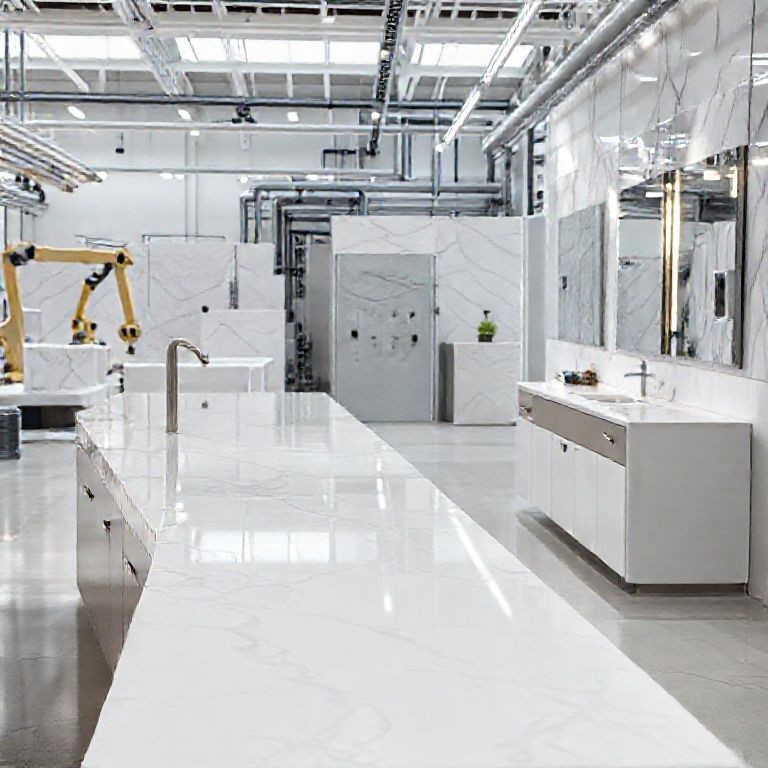
The Disadvantages of Artificial Stone Countertops
While artificial stone countertops offer numerous benefits, it is equally important to consider their disadvantages before making a decision. In this part, we delve into the potential drawbacks associated with artificial stone, providing a balanced view to help you make an informed choice.
1. Initial Cost
Despite being more cost-effective in the long run, the initial cost of artificial stone countertops can be higher than some other materials, such as laminate or even certain types of synthetic countertops. This higher price point can be a deterrent for some homeowners who are on a tight budget. However, it’s important to weigh this initial investment against the long-term durability and low maintenance costs.
2. Limited Heat Resistance
While artificial stone is highly durable in many ways, it does have limitations when it comes to heat resistance. Unlike natural stone, artificial stone can be affected by extremely hot pots, pans, or appliances that are placed directly on the surface. This means that you should avoid leaving hot items on the countertop for extended periods to prevent potential damage. However, this issue can be mitigated by using trivets or heat-resistant pads when necessary.
3. Maintenance Requirements
While artificial stone is generally low maintenance, it still requires some care to maintain its appearance and functionality. Over time, the surface can accumulate stains, scratches, and minor chips. Although these issues are usually less problematic than with natural stone, regular cleaning and maintenance are still necessary to keep the countertop looking its best. It’s important to use appropriate cleaning agents and techniques to avoid damaging the surface.
4. Weight and Handling
Artificial stone countertops are typically heavier than some other materials, such as laminate or certain types of engineered stone. This increased weight can make them more challenging to install, especially if you are undertaking a DIY project. Additionally, the weight can make moving or replacing the countertops more labor-intensive compared to lighter alternatives.
5. Limited Availability of Colors and Patterns
While artificial stone offers extensive customization options, there are still some limitations when it comes to color and pattern availability. Although it can mimic many natural stone designs, achieving an exact match to certain rare or unique natural stone looks can be challenging. This limitation might not be significant for most users, but it’s something to consider if you are seeking a very specific appearance.
6. Potential for Surface Damage
Although artificial stone is more durable than many other countertop materials, it is not completely immune to damage. While it is highly resistant to scratches and stains, it can still be affected by sharp objects or heavy impacts. To prevent potential damage, it’s important to use coasters, pot holders, and other protective items when placing hot items on the countertop.
7. Lack of Certification
Unlike natural stone, artificial stone does not have the same level of certification and standardization. This means that there may be more variability in quality between different brands and manufacturers. It’s crucial to do thorough research and choose a reputable supplier to ensure that you are getting a high-quality product. Reading reviews, checking warranties, and requesting samples can help you make an informed decision.
8. Environmental Concerns
While artificial stone is generally considered more environmentally friendly than natural stone, it still involves the use of synthetic materials and chemicals in its production. This aspect raises some environmental concerns, particularly regarding the release of VOCs and other potential pollutants during manufacturing. However, many modern manufacturers are working to minimize these impacts through improved production processes and sustainable practices.
Conclusion
While artificial stone countertops offer many compelling advantages, it is essential to consider the potential drawbacks as well. Factors such as initial cost, heat resistance limitations, maintenance requirements, weight, limited color availability, potential surface damage, lack of certification, and environmental concerns should all be taken into account when making a decision. By weighing both the pros and cons, you can determine whether artificial stone is the right choice for your kitchen or bathroom renovation.
By understanding the comprehensive advantages and disadvantages of artificial stone countertops, you can make a well-informed decision that aligns with your design preferences, budget, and lifestyle needs. Whether you are drawn to their aesthetic appeal, durability, or cost-effectiveness, artificial stone offers a versatile and practical solution for modern home design.