The Benefits of Artificial Stone Countertops
Introduction
In the realm of modern kitchen and bathroom design, artificial stone countertops have emerged as a popular choice among homeowners and designers alike. Known for their aesthetic versatility and durability, these surfaces offer a myriad of benefits that make them an attractive option for many. In this first part of our comprehensive guide, we will delve into the numerous advantages of artificial stone countertops, exploring why they have become a favorite in contemporary home renovations.

1. Aesthetic Versatility
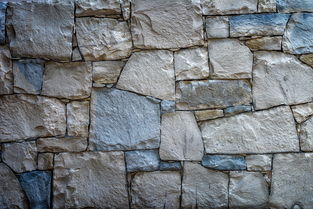
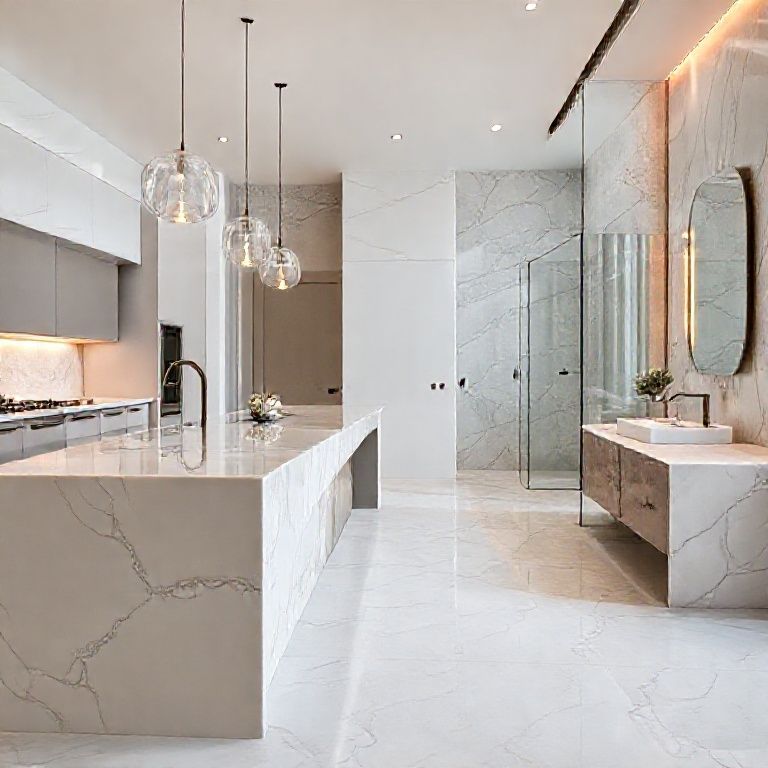
One of the most significant benefits of artificial stone countertops is their unparalleled aesthetic versatility. Available in a wide range of colors, textures, and patterns, these surfaces can mimic the appearance of natural stone, wood, metal, and even marble. This versatility allows homeowners to choose a design that perfectly complements their existing decor or to create a unique look that stands out. Whether you prefer the classic elegance of marble or the rugged charm of granite, artificial stone can be customized to fit your vision.
2. Durability and Longevity
Artificial stone countertops are renowned for their exceptional durability and longevity. Unlike natural stone, which can be prone to chipping, cracking, or staining, artificial stone is crafted from a composite material that is highly resistant to these issues. This means that your countertop will maintain its appearance and structural integrity over many years, reducing the need for frequent repairs or replacements. This longevity translates to significant cost savings in the long run, making artificial stone a highly economical choice.
3. Low Maintenance
Maintaining a kitchen or bathroom countertop is often a tedious task, but artificial stone makes this process much easier. Unlike natural stone or wood, which require regular sealing and upkeep, artificial stone does not absorb liquids or stains. This means that spills can be wiped away with minimal effort, and there is no need for special cleaning products or frequent maintenance routines. This low-maintenance nature of artificial stone makes it an ideal choice for busy households or those who prefer a hassle-free living environment.
4. Water Resistance
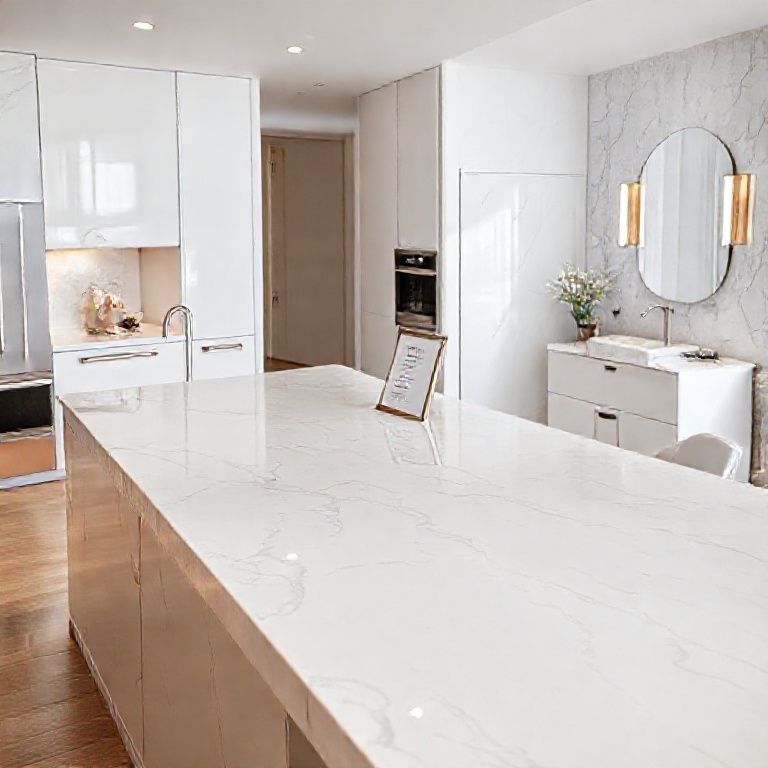
Water resistance is another key advantage of artificial stone countertops. The composite material used in their creation is inherently resistant to water and moisture, making them an excellent choice for areas where spills and splashes are common. This resistance helps to prevent water spots, stains, and the growth of mold or mildew, ensuring that your countertop remains clean and hygienic. In areas with high humidity, such as bathrooms, this water resistance is particularly beneficial.
5. Affordability
While the initial cost of artificial stone countertops may be higher than some other materials, the overall affordability of these surfaces becomes apparent when you consider their durability and low maintenance requirements. Over time, the reduced need for repairs, replacements, and cleaning products can lead to significant savings. Additionally, artificial stone is often more affordable than natural stone options, making it accessible to a broader range of homeowners.
6. Eco-Friendly Options
Artificial stone countertops offer an eco-friendly alternative to traditional materials. Many manufacturers produce these countertops using sustainable and environmentally friendly processes. This includes using recycled materials, reducing waste, and minimizing the use of harmful chemicals. By choosing artificial stone, you can contribute to a more sustainable future while enjoying the benefits of this modern material.
Conclusion
The benefits of artificial stone countertops are numerous and compelling. From their aesthetic versatility and durability to their low maintenance and water resistance, these surfaces offer a compelling case for their use in modern kitchen and bathroom designs. In the next part of this guide, we will explore the potential drawbacks of artificial stone countertops, providing a balanced view to help you make an informed decision for your next renovation.
The Drawbacks of Artificial Stone Countertops
Introduction
While artificial stone countertops offer a host of benefits, it is important to consider their potential drawbacks as well. Understanding the limitations of these surfaces can help you make a well-rounded decision about whether they are the right choice for your home. In this second part of our comprehensive guide, we will explore the various disadvantages of artificial stone countertops, providing a balanced perspective to guide your choice.
1. Initial Cost
One of the primary drawbacks of artificial stone countertops is their initial cost. While they may offer significant long-term savings due to their durability and low maintenance, the upfront expense can be a deterrent for some homeowners. Artificial stone countertops generally cost more than other materials such as laminate or composite materials, although they are often more affordable than natural stone options. It is important to consider your budget and weigh the long-term benefits against the initial investment.
2. Installation Challenges
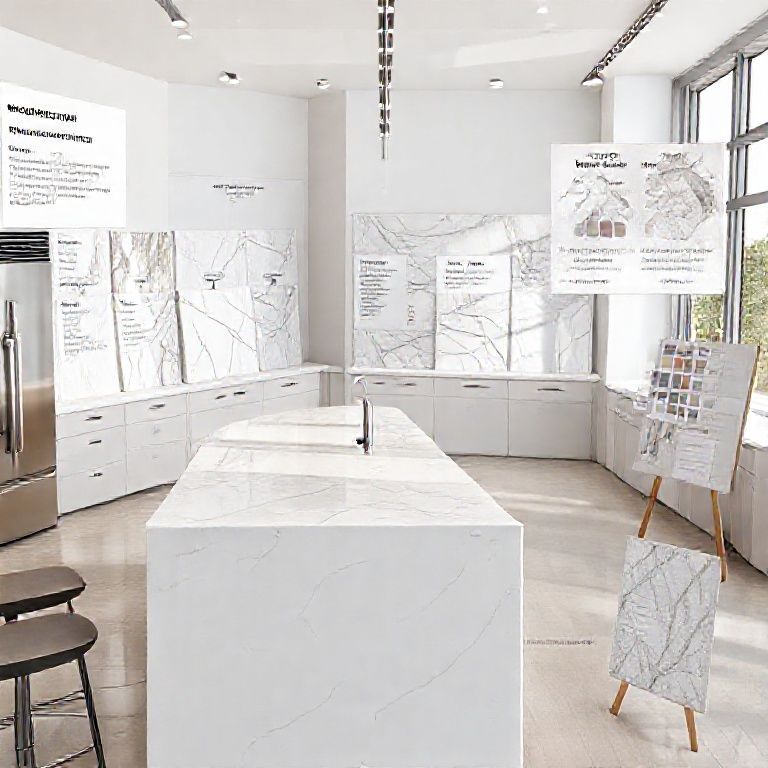
Another potential drawback of artificial stone countertops is the challenge of installation. Unlike natural stone or some other countertop materials, artificial stone requires specialized tools and techniques for cutting, installation, and repair. This can make the installation process more complex and may necessitate hiring professional installers to ensure a proper fit and finish. If you are planning to install the countertop yourself, you will need to invest in the necessary tools and expertise, which can add to the overall cost.
3. Limited Customization
While artificial stone offers a wide range of aesthetic options, the level of customization is generally more limited compared to natural stone. Once the countertop is installed, altering its appearance or making repairs can be difficult. This is because the composite material used in artificial stone is not as malleable as natural stone, which can be carved or shaped more easily. If you desire extensive customization or plan to make significant changes to your countertop design in the future, this may be a consideration.
4. Heat Resistance
Artificial stone countertops have a lower heat resistance compared to some other materials, which can be a concern for kitchens where high heat is common. While they are generally resistant to heat, prolonged exposure to very high temperatures can cause discoloration or damage to the surface. It is important to avoid placing hot pots, pans, or other heat sources directly on the countertop for extended periods. Using heat-resistant pads or trivets can help mitigate this issue.
5. Allergenic Concerns
Some individuals may be concerned about potential allergens associated with artificial stone countertops. While the risk is generally low, some types of artificial stone may contain chemicals or materials that could cause allergic reactions in sensitive individuals. It is important to choose high-quality, low-VOC (volatile organic compounds) products to minimize this risk. Reading product labels and consulting with manufacturers can help ensure that the countertop you choose is suitable for your needs.
6. Limited Scratch and Impact Resistance
Although artificial stone is more durable than many other materials, it is not entirely immune to scratches and impacts. While it is more resistant to these issues than natural stone, it can still be damaged by sharp objects or heavy impacts. This means that it may not be the best choice for households with young children or pets who could accidentally scratch or dent the surface. Taking precautions to protect the countertop from potential damage can help extend its lifespan.
Conclusion
While artificial stone countertops offer many advantages, it is essential to consider their potential drawbacks as well. From the initial cost and installation challenges to limited customization and heat resistance concerns, there are several factors to weigh when deciding if this material is right for you. By understanding both the benefits and limitations of artificial stone countertops, you can make an informed decision that aligns with your design preferences and practical needs. Whether you are planning a kitchen or bathroom renovation, this comprehensive guide provides the information you need to choose the perfect countertop for your space.