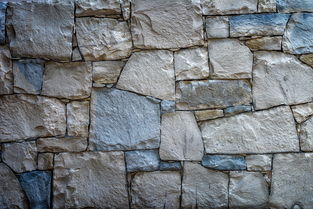
The Pros and Cons of Artificial Stone Countertops
Artificial stone countertops have surged in popularity over recent years, offering an appealing alternative to traditional materials like granite and marble. These synthetic surfaces are crafted from a mixture of natural stone, resin, and other elements, resulting in a material that boasts both beauty and functionality. Let’s dive deep into the myriad pros and cons of artificial stone countertops to help you decide if they’re the right choice for your home renovation project.

Durability and Strength
One of the most compelling advantages of artificial stone countertops is their impressive durability. These surfaces are designed to withstand high levels of wear and tear, making them perfect for high-traffic areas like kitchens and dining rooms. Unlike natural stone, artificial stone doesn’t suffer from natural fractures, chips, or cracks, which often plague traditional stone surfaces. This durability translates to a longer lifespan, reducing the need for frequent repairs or replacements.
Heat Resistance: Artificial stone countertops also excel in heat resistance. Unlike granite or marble, which can crack or stain when exposed to hot pots, pans, or even cooking liquids, artificial stone can handle high temperatures without any issue. This makes them an excellent choice for kitchens where cooking happens frequently.
Scratch Resistance: Another notable advantage is their resistance to scratches. Artificial stone surfaces are less likely to be marred by everyday kitchen tools like knives, utensils, and even food containers. This means your countertop can maintain a pristine appearance over time, even with regular use.
Aesthetics and Design Flexibility
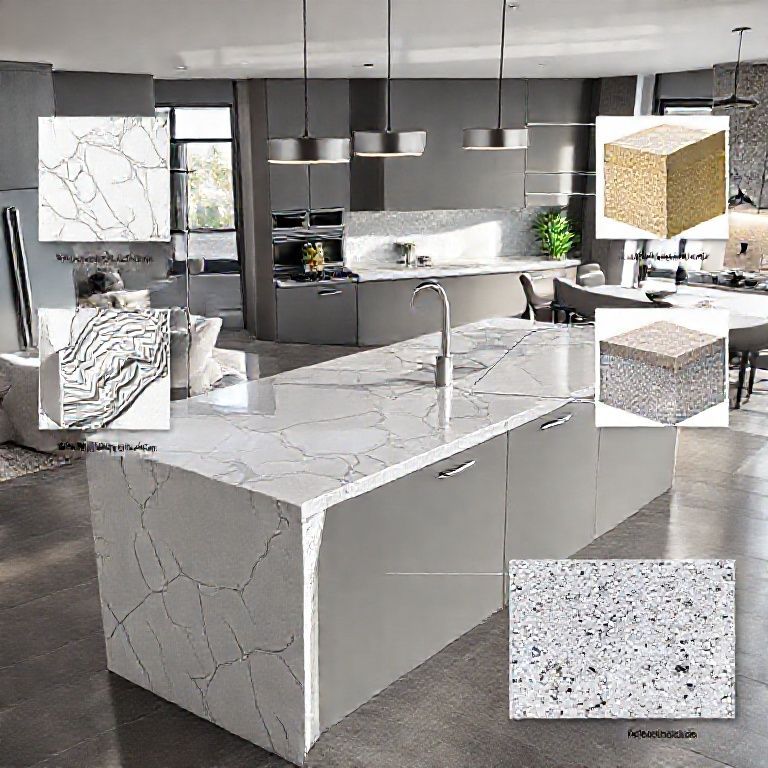
Artificial stone countertops offer an impressive array of design options. With a vast range of colors, patterns, and textures, these surfaces can mimic the look of natural stone, wood, or even metal. This versatility allows homeowners to choose a style that perfectly complements their existing decor or to completely reinvent their kitchen or bathroom aesthetic.
Customization: Beyond standard colors and patterns, artificial stone can be customized to match specific design requirements. Whether you want a unique, bespoke color or a specific veining pattern, it’s often possible to create a countertop that fits your exact vision. This flexibility in design makes artificial stone a powerful tool in any renovation project.
Low Maintenance: Another aesthetic benefit is the low maintenance required. Unlike natural stone surfaces, which often need sealing to prevent staining and maintenance that can become time-consuming, artificial stone countertops require minimal upkeep. This can save you both time and money in the long run.
Cost-Effectiveness
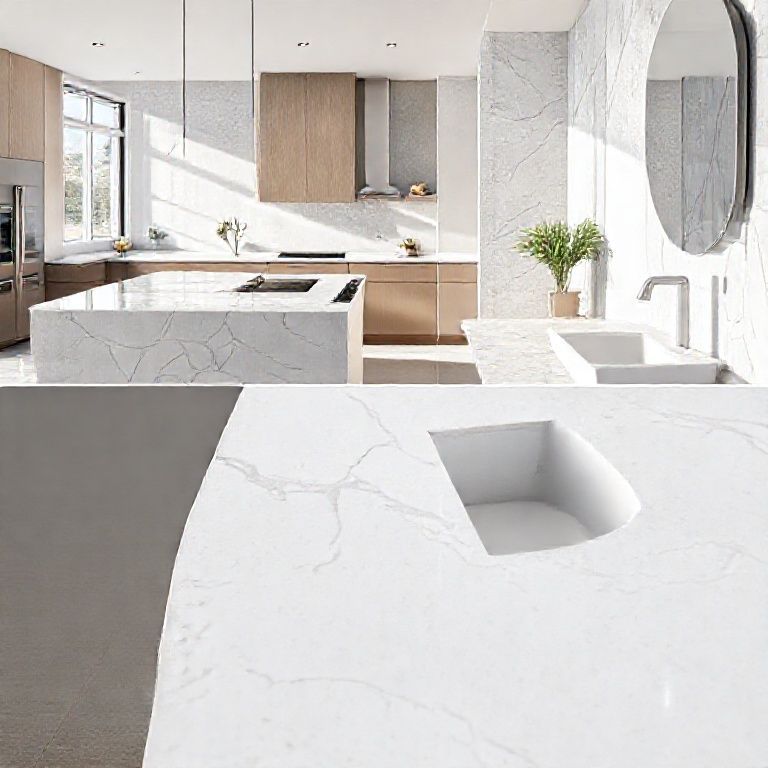
One of the most attractive features of artificial stone countertops is their cost-effectiveness. Generally, artificial stone is significantly cheaper than natural stone options like granite or marble. This lower cost can be particularly appealing to homeowners on a budget who still want a high-quality, durable countertop.
Economical Choices: Despite being more affordable, artificial stone countertops don’t compromise on quality. Many brands offer a variety of price points, allowing you to choose a countertop that fits your budget while still providing excellent durability and aesthetic appeal.
Installation and Versatility
Installation of artificial stone countertops is straightforward and doesn’t require the specialized skills needed for natural stone. This means that you can often have the job completed by general contractors or even DIY enthusiasts with some basic tools and a bit of know-how.
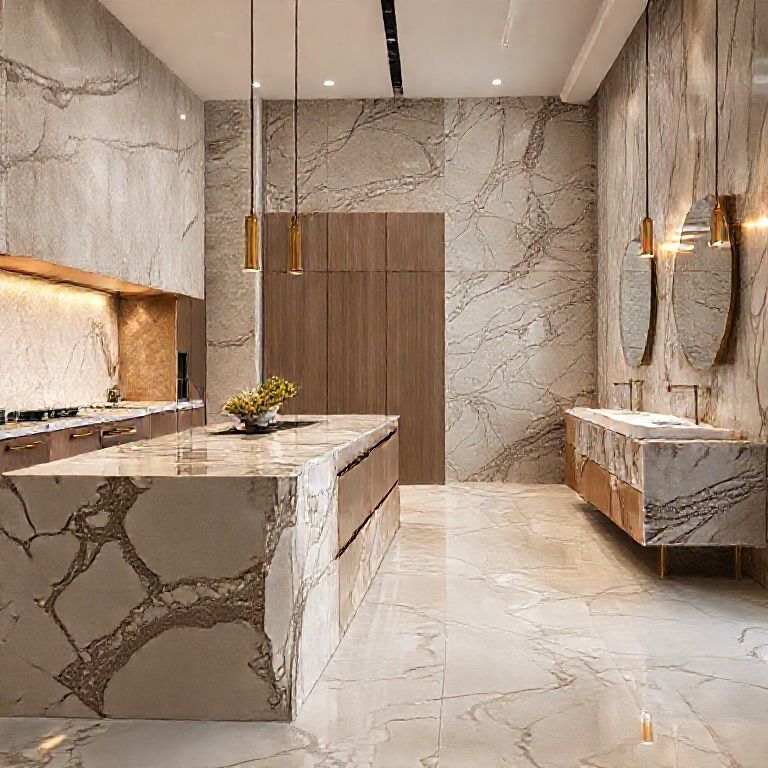
Versatility: In addition to countertops, artificial stone can be used for a variety of other surfaces, including backsplashes, sinks, and even bathtubs. This versatility makes it a practical choice for any renovation project where you need a durable, stylish surface.
The Pros and Cons of Artificial Stone Countertops
Environmental Impact and Sustainability
While artificial stone countertops offer many practical benefits, it’s important to consider their environmental impact. Unlike natural stone, which is sourced from quarries and can involve significant environmental disruption, artificial stone is manufactured in a controlled environment. This means that the production process for artificial stone typically has a lower environmental footprint.
Recyclability: Another positive aspect is the potential for recycling. Since artificial stone is composed of various synthetic materials, it can often be recycled or repurposed at the end of its life cycle. This makes it a more environmentally friendly option compared to natural stone, which is non-renewable.
Drawbacks of Artificial Stone Countertops
Despite their many advantages, artificial stone countertops do have some drawbacks. Understanding these can help you make a more informed decision.
Chemical Resistance: While artificial stone is resistant to heat and scratches, it’s not as resistant to certain chemicals as natural stone. For instance, prolonged exposure to acidic substances like vinegar or citrus can potentially degrade the surface. While this is less of an issue for typical household use, it’s something to keep in mind for specific applications.
Aesthetic Limitations: Although artificial stone can mimic natural stone patterns very closely, it may not perfectly replicate the unique beauty of natural stone. The uniformity of artificial stone can sometimes lack the subtle imperfections that add character to natural stone surfaces.
Weight: One often overlooked con is the weight of artificial stone countertops. Because they are made from a mixture of resin and natural stone, they tend to be heavier than traditional quartz or laminate countertops. This weight can affect installation, especially in smaller homes where space is at a premium.
Installation Complexity: While the installation process is generally simpler than natural stone, it can still be complex. Some types of artificial stone may require specialized adhesives or installation techniques, which could necessitate hiring a professional to ensure a proper fit.
Long-Term Durability and Warranty
When considering long-term durability, it’s essential to understand the warranty provided by the manufacturer. While artificial stone is designed to be durable, the longevity of the material can vary depending on the brand and quality of the product. A robust warranty can offer peace of mind, ensuring that you’re protected against manufacturing defects and other issues.
Quality Assurance: To ensure long-term durability, it’s important to choose a reputable manufacturer known for producing high-quality artificial stone. Reading reviews and comparing different brands can help you make a more informed choice.
Maintenance and Cleaning
Maintenance of artificial stone countertops is relatively straightforward, but there are some considerations to keep in mind. While these surfaces are low-maintenance compared to natural stone, proper cleaning and care are still necessary to maintain their appearance and longevity.
Cleaning Products: It’s important to use appropriate cleaning products when maintaining artificial stone. Many household cleaners can contain harsh chemicals that may damage the surface over time. Opt for mild soaps and water or specialized stone cleaners to ensure that your countertop remains in top condition.
Avoiding Acidic Foods: As mentioned earlier, prolonged exposure to acidic foods or cleaning agents can degrade the surface of artificial stone. It’s a good idea to avoid placing acidic foods directly on the countertop and to wipe up spills promptly.
Sealing: While artificial stone doesn’t typically require sealing like natural stone, some manufacturers recommend periodic re-sealing to maintain its durability and resistance to stains. Checking the manufacturer’s guidelines for your specific product is crucial.
Conclusion
Artificial stone countertops offer a compelling mix of durability, design flexibility, and cost-effectiveness, making them a popular choice for many home renovation projects. While they do have some drawbacks, such as chemical resistance and installation complexity, these can often be managed with proper care and selection of high-quality products.
By understanding both the pros and cons, you can make a well-informed decision that aligns with your aesthetic preferences, budget, and maintenance capabilities. Whether you’re looking to revamp your kitchen or bathroom, artificial stone countertops present a practical and stylish option that can enhance the beauty and functionality of your space.