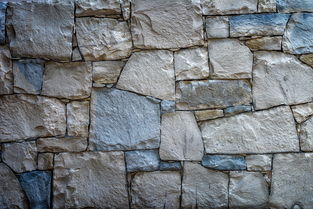
In this comprehensive guide, we explore the world of synthetic stone countertops. From their unmatched durability to their maintenance-free nature, we’ll break down everything you need to know about synthetic stone countertops. In this first part, we’ll delve into the advantages, examining their longevity, design flexibility, cost-effectiveness, and environmental benefits. Stay tuned for part two, where we’ll address potential drawbacks and considerations.

synthetic stone countertops, pros of synthetic stone, durability, design flexibility, cost-effective, maintenance-free, environmental benefits, kitchen countertops, bathroom countertops
The Unmatched Durability of Synthetic Stone Countertops
One of the standout features of synthetic stone countertops is their unmatched durability. Crafted from a mixture of natural stone powders, resins, and pigments, these countertops boast an impressive resistance to scratches, chips, and stains. Unlike traditional granite or marble, which can be easily marred by everyday use, synthetic stone remains pristine and vibrant over time. This makes them an excellent choice for high-traffic areas such as kitchens and dining rooms where spills and heavy use are common.
Infinite Design Flexibility
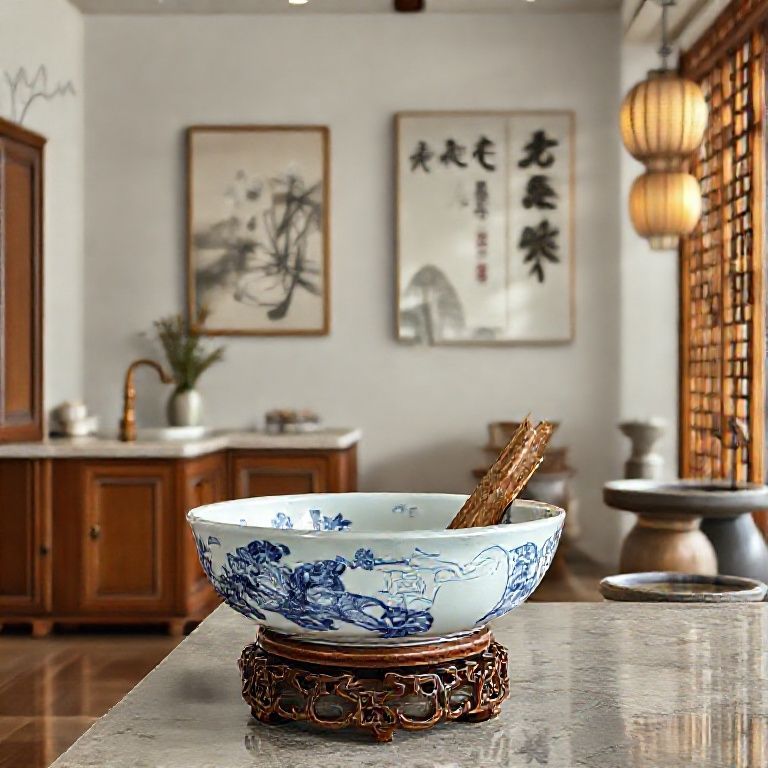
Synthetic stone countertops offer unparalleled design flexibility. Manufacturers can mold and shape these countertops into any form imaginable, allowing for an almost limitless range of design possibilities. Whether you prefer sleek, modern lines or intricate, ornate patterns, synthetic stone can be customized to match your unique vision. This flexibility extends to color and texture as well. From deep, rich hues to subtle, natural tones, synthetic stone provides a vast palette of options, ensuring that every countertop can be tailored to fit seamlessly into any decor.
Cost-Effectiveness Without Compromise
When it comes to cost-effectiveness, synthetic stone countertops often outperform their natural stone counterparts. While natural stone like granite or marble can come with a hefty price tag, synthetic stone provides a high-quality alternative at a fraction of the cost. This is particularly advantageous for homeowners who are looking to upgrade their kitchen or bathroom without breaking the bank. Despite the lower price point, synthetic stone does not compromise on quality or durability, offering a reliable and resilient surface that can last for decades.
Maintenance-Free Living
One of the biggest advantages of synthetic stone countertops is their maintenance-free nature. Unlike wood or natural stone surfaces, which require regular sealing, waxing, or polishing, synthetic stone simply needs a quick wipe-down with a damp cloth to keep it looking pristine. This drastically reduces the time and effort required for maintenance, making synthetic stone an ideal choice for busy households or those who prefer a hassle-free kitchen or bathroom experience. This low-maintenance aspect also means fewer interruptions and less disruption to daily routines.
Environmental Benefits
In an era where sustainability is more important than ever, synthetic stone countertops offer notable environmental benefits. Traditional stone extraction processes can be resource-intensive and often lead to significant environmental degradation. In contrast, synthetic stone is manufactured using recycled materials, reducing the need for new stone extraction. Additionally, the manufacturing process for synthetic stone typically generates less waste compared to natural stone quarrying. This makes synthetic stone an eco-friendly choice for environmentally conscious consumers who still want the aesthetic appeal and durability of natural stone.
Potential Drawbacks and Considerations of Synthetic Stone Countertops
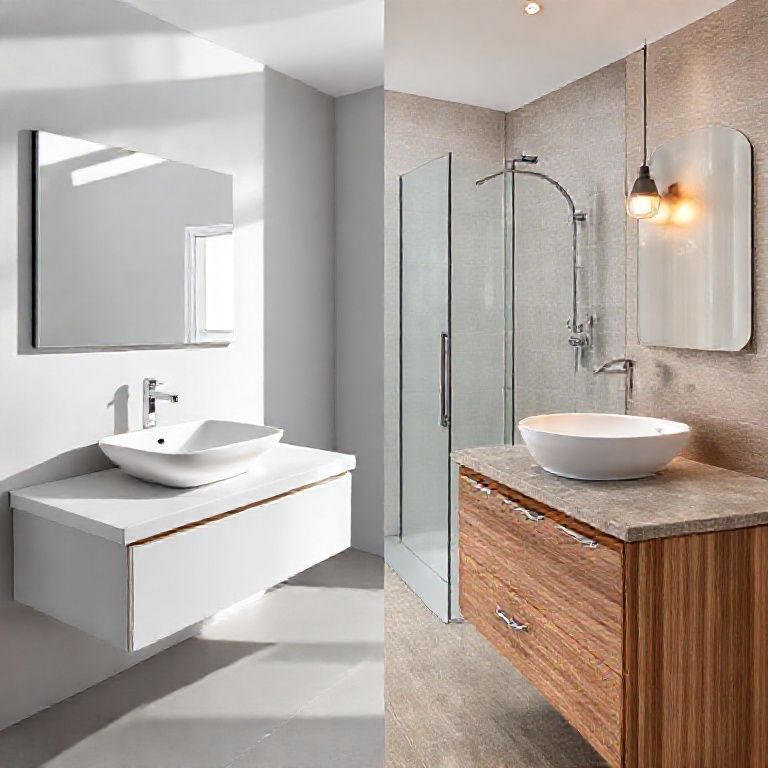
While synthetic stone countertops offer numerous benefits, it’s essential to consider their potential drawbacks before making a final decision. In this second part, we’ll explore the limitations and considerations associated with synthetic stone, including their heat resistance, thermal shock concerns, aesthetic limitations, and long-term durability.
Heat Resistance and Thermal Shock
Although synthetic stone is highly resistant to scratches, chips, and stains, its heat resistance is not as robust as natural stone. Synthetic stone can still be affected by extremely high temperatures, which can cause discoloration or warping over time. This means that synthetic stone countertops should not be used for items that generate significant heat, such as hot pots or pans directly placed on the surface. To mitigate this, it’s advisable to use trivets or heat-resistant pads when dealing with hot items to protect the countertop from potential damage.
Thermal Shock Concerns
Thermal shock refers to the damage that occurs when a material is subjected to rapid changes in temperature. While synthetic stone is generally more resistant to thermal shock compared to natural stone, it is not completely immune. Placing a very hot item on a cold synthetic stone countertop can lead to cracking or shattering. This is because the sudden temperature change can cause stress on the material. To avoid such issues, it’s best to allow hot items to cool down slightly before placing them on the countertop or using coasters to prevent direct contact.
Aesthetic Limitations
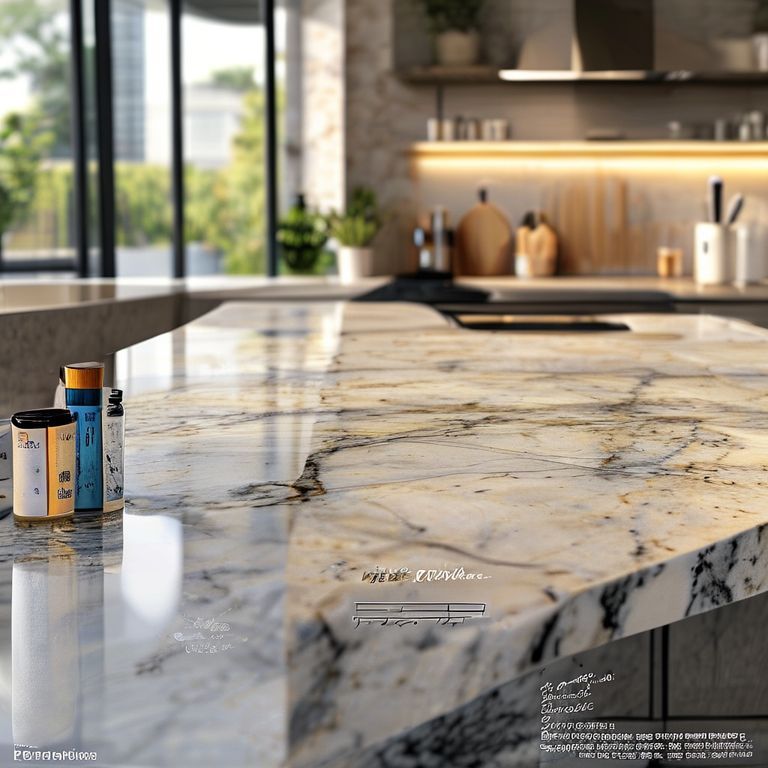
While synthetic stone offers vast design flexibility, it does come with some aesthetic limitations. Although manufacturers can create a wide variety of colors and textures, they may not perfectly replicate the unique veining and patterns found in natural stone. For those who prefer the one-of-a-kind beauty of natural stone, synthetic stone may not fully meet their expectations. However, advancements in synthetic stone technology continue to close this gap, offering increasingly realistic and visually appealing options.
Long-Term Durability and Warranty Considerations
Although synthetic stone countertops are designed to be long-lasting, their durability can still vary depending on the specific product and manufacturer. It’s crucial to research and choose a high-quality synthetic stone countertop that comes with a solid warranty. A good warranty typically covers scratches, chips, and other surface defects, providing peace of mind that your investment will be protected against typical wear and tear. When selecting a synthetic stone countertop, take the time to review the manufacturer’s warranty and ensure it aligns with your expectations for durability and longevity.
Installation and Maintenance
While synthetic stone countertops are low-maintenance, they still require some care to maintain their appearance and longevity. Regular cleaning with mild soap and water is recommended to prevent buildup and stains. For deeper cleaning, commercial cleaners designed for synthetic stone can be used occasionally. It’s also important to avoid abrasive cleaners and tools that could scratch the surface. Additionally, during installation, it’s essential to follow the manufacturer’s guidelines to ensure proper sealing and integration with surrounding cabinetry and plumbing.
Conclusion
Synthetic stone countertops are a versatile and practical choice for modern kitchens and bathrooms. They offer unmatched durability, design flexibility, cost-effectiveness, and low maintenance, making them ideal for a variety of settings and lifestyles. While there are some considerations regarding heat resistance, thermal shock, aesthetic limitations, and long-term durability, these can often be managed with proper care and informed choices. By weighing the pros and cons, you can make a well-informed decision that best suits your needs and preferences, ensuring a beautiful and functional countertop for years to come.