${part1}
In the world of modern kitchen and bathroom design, countertops play a pivotal role in defining the aesthetic and functionality of these essential spaces. Among the myriad of options available, quartz countertops have emerged as a popular choice for homeowners and designers alike. Known for their sleek, contemporary look and impressive durability, quartz has garnered a reputation for being both beautiful and practical. However, like any material, it has its own set of advantages and disadvantages. This article delves into the pros and cons of quartz countertops to help you make an informed decision.

Unmatched Aesthetic Appeal
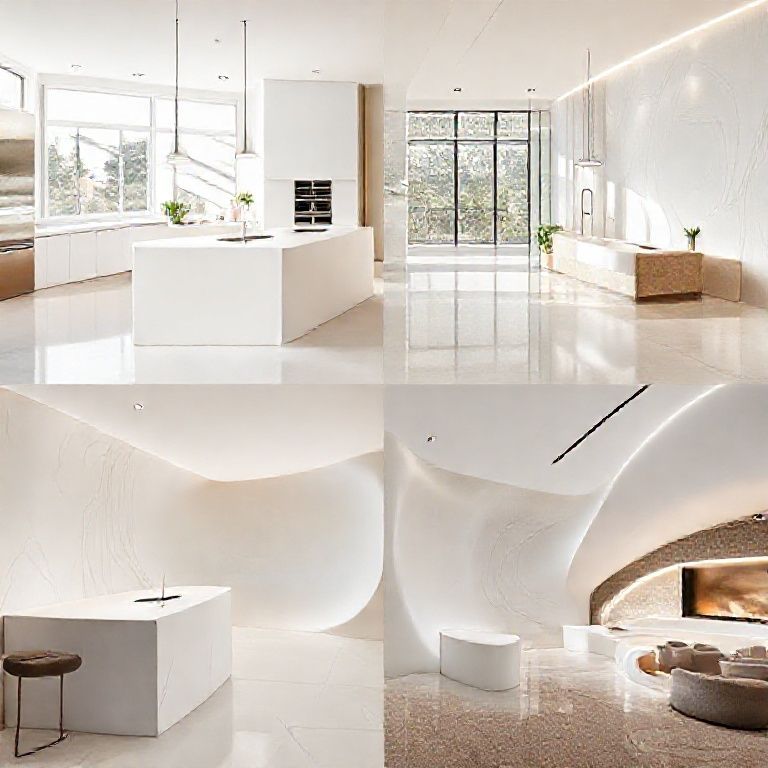
One of the foremost advantages of quartz countertops is their unmatched aesthetic appeal. Quartz is available in a vast array of colors, patterns, and finishes, offering limitless design possibilities. Manufacturers like StoneWare and Nature’s Stone provide a diverse palette that can complement virtually any style, from minimalist modern to rustic chic. The seamless look of quartz, with its uniform surface, adds to its modern appeal, providing a sleek and contemporary appearance that can enhance the overall design of your kitchen or bathroom.
Exceptional Durability and Strength
Quartz countertops are renowned for their durability and strength. Composed of 93% pure quartz by weight, these countertops are incredibly resistant to scratches, dents, and impact. Unlike other materials such as granite, which can be prone to these issues, quartz maintains its pristine appearance over time. Its high hardness (a Mohs rating of 7) makes it exceptionally resistant to scratches from everyday use, meaning your countertops will look as good as new for years to come.
Low Maintenance Requirements
Quartz countertops are designed to be low-maintenance, which is a significant advantage for many homeowners. Unlike marble or granite, which require sealing to prevent staining, quartz does not need to be sealed or resealed over time. This means less effort and fewer products are needed to keep your quartz countertops looking their best. Regular cleaning with mild soap and water is usually sufficient to maintain their pristine look.
Chemical Resistance
Another notable advantage of quartz countertops is their superior chemical resistance. Quartz can withstand a variety of chemicals, including those found in cleaning agents, cooking oils, and acidic foods like tomatoes and citrus fruits. This makes it an ideal choice for kitchens where food preparation is a daily activity. The material’s resistance to these chemicals means that spills and stains are less likely to leave permanent marks, ensuring that your countertops remain clean and attractive.
Cost-Effectiveness
While quartz countertops may have a higher upfront cost compared to some alternatives like laminate or composite, they offer excellent value for money in the long run. The durability and low maintenance requirements mean that you won’t need to replace or extensively maintain them as often as you might with other materials. Additionally, quartz’s availability in a wide range of styles and finishes allows you to find a countertop that fits within various budgets, from high-end luxury to more affordable options.
Environmental Benefits
Quartz countertops also offer environmental benefits. The material is manufactured using a process that significantly reduces waste compared to natural stone. Additionally, quartz does not contain any harmful substances, making it a more environmentally friendly option compared to some other countertop materials. It’s also recyclable, which adds to its appeal for environmentally conscious consumers.
Versatility in Design
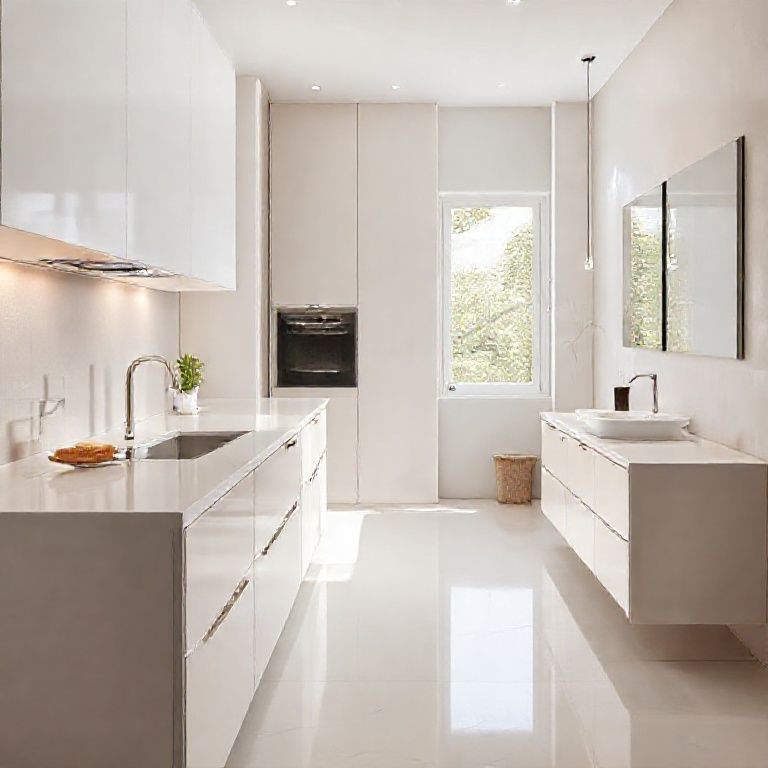
Quartz countertops are incredibly versatile, making them suitable for a wide range of design applications. Whether you’re looking to create a sleek and modern kitchen island, a contemporary bathroom vanity, or even a unique dining table, quartz can be customized to fit your vision. Its ability to mimic natural stone while providing the benefits of a man-made material means that you can achieve a wide range of looks, from rustic to ultra-modern.
In conclusion, the advantages of quartz countertops are numerous and compelling. From their aesthetic appeal and durability to their low maintenance requirements and cost-effectiveness, quartz offers a compelling case for being one of the best choices for modern kitchen and bathroom design. In the next part of this article, we will explore the potential drawbacks of quartz countertops to provide a balanced view of this popular material.
${part2}
While quartz countertops come with a host of benefits, it’s important to consider their potential drawbacks to get a well-rounded perspective. By understanding the limitations, you can make a more informed decision about whether quartz is the right choice for your home.
High Initial Cost
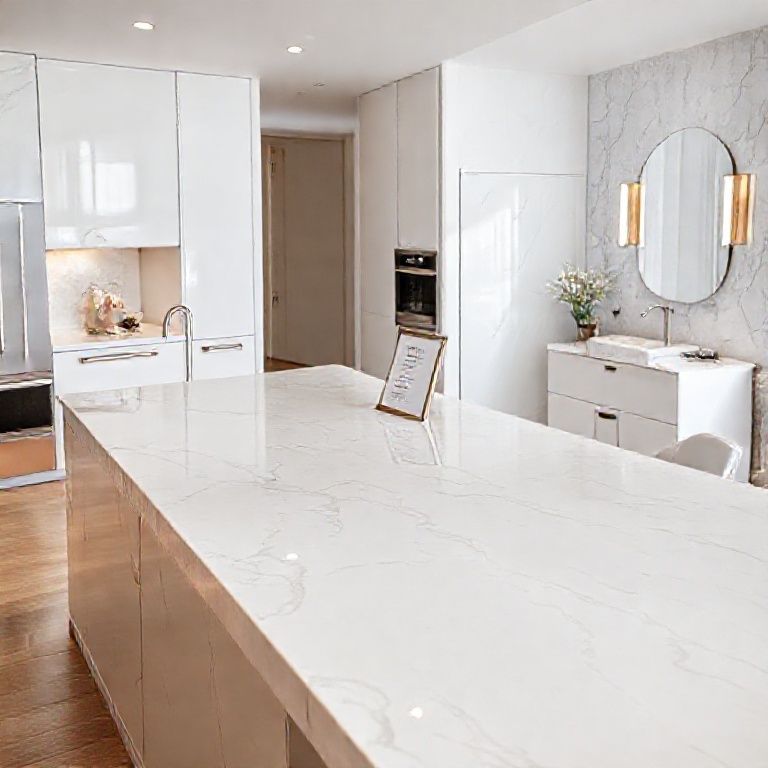
One of the most significant drawbacks of quartz countertops is their relatively high initial cost. While quartz offers excellent value over time due to its durability and low maintenance, the upfront expense can be considerable. High-quality quartz countertops can cost significantly more than other materials such as laminate, composite, or even some types of stone. This higher price point may not be feasible for everyone, particularly those on a tight budget.
Installation Challenges
Quartz countertops can present some installation challenges. Unlike some other materials that can be more easily cut and shaped on-site, quartz requires professional installation to ensure it is properly set and secured. This means that the process can be more complex and time-consuming. Additionally, because of its hardness, cutting and shaping quartz can be more difficult and may require specialized tools and expertise.
Limited Customization Options
Although quartz offers a wide range of colors and patterns, its customization options are somewhat limited compared to some other materials. While it’s possible to create custom patterns and designs with quartz, the process is more intricate and can be more costly. Unlike natural stone, which can be cut and shaped in virtually any way, quartz requires more precise manufacturing to achieve certain effects. This means that achieving a highly unique design might not be as straightforward as with other materials.
Potential for Thermal Damage
Quartz countertops are highly resistant to scratches and stains, but they are not completely immune to all forms of damage. One area of concern is thermal damage. Although quartz is durable, it is not heat-resistant in the same way that some other materials are. Extremely hot pots, pans, or other items can cause thermal shock, leading to cracks or chips in the countertop. To prevent this, it’s important to use trivets or pot holders when placing hot items on the surface.
Environmental Concerns
Although quartz is generally considered an environmentally friendly option due to its manufacturing process and recyclability, there are still some environmental concerns to consider. The extraction and processing of quartz for manufacturing can have environmental impacts, including land use and potential water usage. Additionally, while quartz is recyclable, the recycling process can still be energy-intensive.
Aesthetic Limitations
While quartz offers a wide range of colors and patterns, some may find the aesthetic options somewhat limited compared to other materials like marble or certain types of stone. While quartz can mimic the look of natural stone, it does not offer the same natural, organic textures and imperfections that can add character to a space. For those who prefer the unique and organic look of natural stone, quartz might not fully meet their aesthetic needs.
Maintenance of Natural Stone Look
For those who desire the appearance of natural stone but with the benefits of a man-made material, there’s a potential downside in terms of maintenance. Although quartz does not require sealing like some natural stones, it can still show wear and tear over time. High-traffic areas might develop scuffs or scratches, especially if not properly protected. While these issues can often be addressed through polishing and resurfacing, it’s something to keep in mind for those who prefer a more natural, rugged look.
Limited Warranty
Another potential drawback is the limited warranty offered by some manufacturers. While high-quality quartz countertops typically come with warranties that cover scratches, stains, and other damage, the extent and duration of these warranties can vary. Some manufacturers offer warranties that last for only a few years, which might not provide the long-term assurance that some homeowners seek. It’s important to review the warranty details carefully when choosing a quartz countertop.
In conclusion, while quartz countertops offer numerous benefits, it’s essential to consider their potential drawbacks to make an informed decision. From the high initial cost and installation challenges to limited customization options and potential for thermal damage, there are several factors to weigh. However, for many, the advantages of quartz – including its durability, low maintenance, and aesthetic appeal – outweigh these considerations. By understanding both the pros and cons, you can determine whether quartz countertops are the right choice for your home.
By exploring both the advantages and disadvantages of quartz countertops, this article has provided a comprehensive analysis to help you make an informed decision. Whether you’re looking to enhance the beauty and functionality of your kitchen or bathroom, quartz countertops offer a compelling option that balances style, durability, and ease of maintenance.