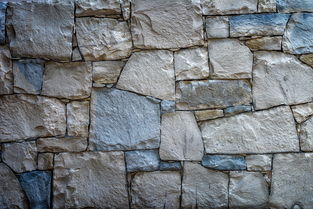
Discover the truth about using quartz countertops for your kitchen cabinets. In this two-part article, we delve into the safety, toxicity, and overall benefits of quartz, offering you all the information you need to make an informed decision for your home. Whether you’re a homeowner or a professional designer, learn how to choose the best materials for a safe and beautiful kitchen.

quartz countertops, kitchen cabinet surfaces, countertop safety, toxicity of quartz, kitchen design, non-toxic materials, quartz countertop benefits, kitchen countertop options, healthy home materials
Understanding Quartz Countertops and Their Safety
Introduction to Quartz Countertops
In recent years, quartz countertops have become a popular choice for kitchen cabinets and other high-traffic areas due to their durability, aesthetic appeal, and low maintenance. Composed of 93% natural quartz and enhanced with resins and pigments, these surfaces are not only visually stunning but also incredibly resilient. However, as homeowners and designers, it’s crucial to understand the safety and toxicity of quartz countertops to ensure a healthy living environment.
What is Quartz?
Quartz is a naturally occurring mineral composed primarily of silicon dioxide (SiO2). This mineral is abundant in the Earth’s crust and has been used for centuries in various applications. When it comes to countertops, quartz is fused with resins and pigments to form a solid, monolithic surface. This process results in a material that is not only durable but also impervious to stains, scratches, and bacterial growth.
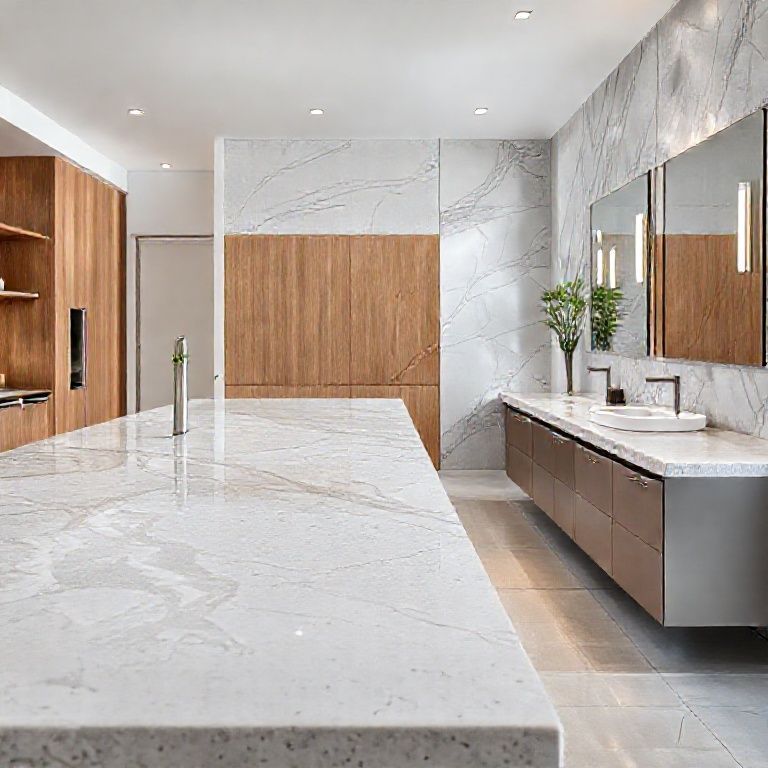
Safety and Toxicity of Quartz
One of the most significant concerns with any countertop material is its safety and potential toxicity. Here, quartz countertops stand out as a remarkably safe option. Unlike some other materials, quartz does not contain any volatile organic compounds (VOCs) or hazardous chemicals. Here’s a closer look at why quartz is a safe choice:
Non-Toxic Composition: Quartz countertops are made from 93% natural quartz and the remaining percentage comprises resins and pigments. These materials are not harmful when used in the way intended. Unlike composite stone made from cement, which can release harmful chemicals, quartz is a purely natural material with no added toxins.
Regulatory Approvals: Quartz countertops have been extensively tested and have received approval from various regulatory bodies. The material meets stringent safety standards for indoor use, ensuring that it poses no risk to the health of the occupants.
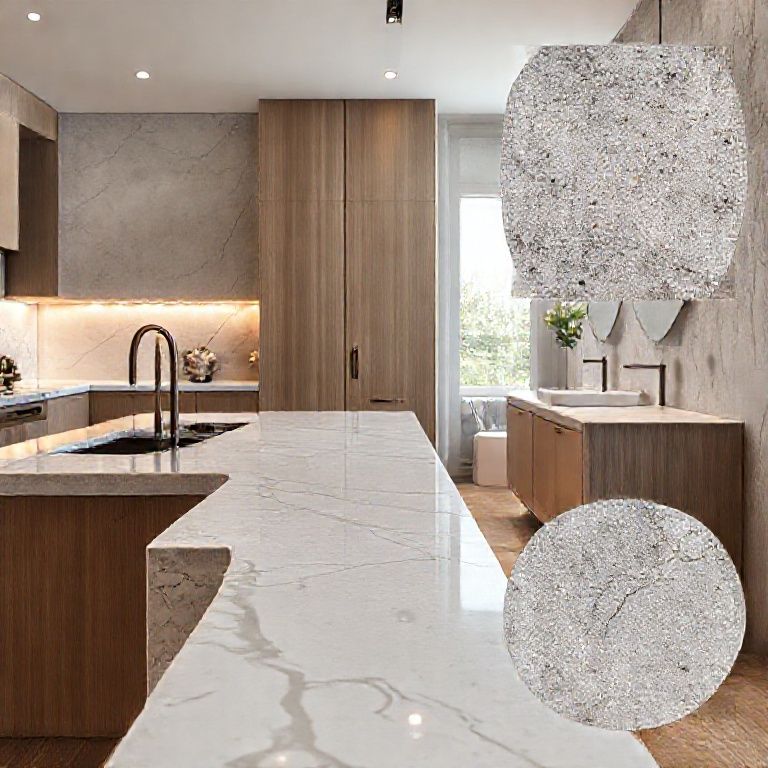
Low Maintenance: Another reason quartz is safe is its low maintenance. It does not require sealing or the application of harsh chemicals that could potentially release harmful fumes. This simplifies cleaning and reduces the risk of exposure to toxic substances during regular maintenance.
Durability: Quartz’s durability means it will last for years without significant wear and tear, reducing the need for frequent replacements that could involve the use of toxic materials or processes.
Benefits of Using Quartz for Kitchen Cabinets
Beyond safety, quartz offers several other benefits that make it an excellent choice for kitchen cabinets:
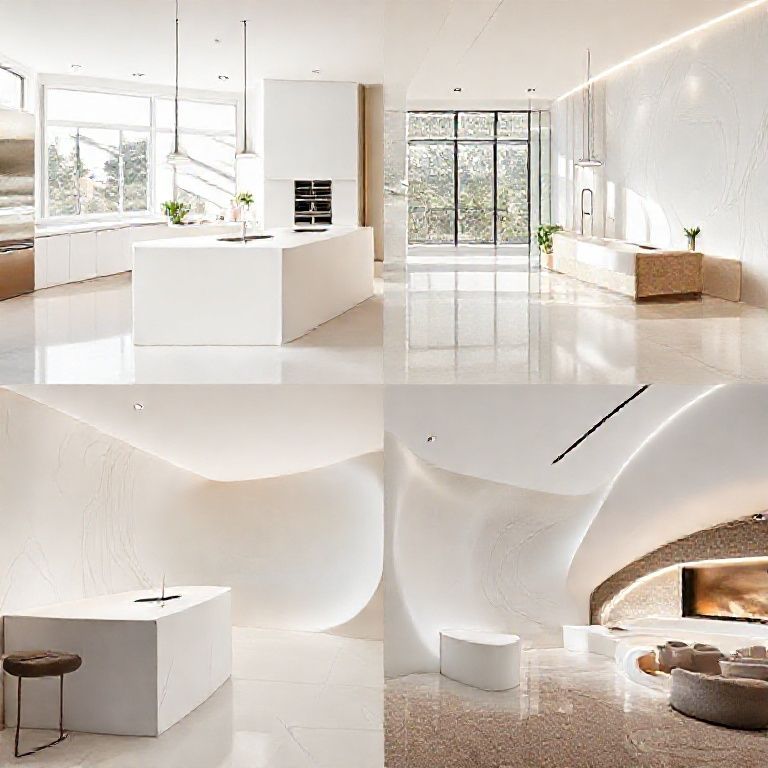
Aesthetic Appeal: Quartz comes in a wide range of colors and patterns, allowing for endless design possibilities. Whether you prefer a sleek, modern look or a rustic, natural feel, there’s a quartz countertop to match your style.
Durability and Toughness: Unlike wood or stone, quartz does not splinter, chip, or crack. It is highly resistant to scratches, stains, and heat, making it ideal for the demanding environment of a kitchen.
Easy to Clean: With a smooth, non-porous surface, quartz countertops are a breeze to clean. Simply wipe them down with a mild soap and water solution, and they’re good as new.
Versatility: Quartz can be used not just for countertops but also for backsplashes, sinks, and even bathroom vanities, providing a cohesive look throughout your home.
Addressing Common Concerns
While quartz countertops are generally safe, some people still have concerns about potential issues like dust or emissions during installation. Here’s how these concerns can be addressed:
Dust Control: During installation, some dust may be generated from cutting and shaping the quartz. However, professional installers take precautions to minimize dust and ensure it does not pose a health risk. Additionally, quartz countertops are usually cut and shaped in controlled environments to reduce dust exposure.
Emissions: Because quartz does not contain any volatile organic compounds, there are no harmful emissions to worry about. The resins and pigments used are also non-toxic and do not off-gas harmful substances.
Conclusion
Quartz countertops for kitchen cabinets are not only a beautiful and durable choice but also a safe one. Free from toxins and VOCs, quartz provides a healthy and hygienic surface for your kitchen. With its impressive durability, easy maintenance, and versatile design options, it’s clear why quartz has become a top choice for homeowners and designers alike. In the next part of this article, we will explore more in-depth comparisons with other countertop materials, further elucidating why quartz stands out as a superior option.
Comparing Quartz Countertops with Other Kitchen Cabinet Materials
Introduction to Countertop Material Comparisons
When it comes to choosing materials for kitchen cabinets, one of the most critical decisions is selecting the right countertop material. Various options are available, each with its unique set of advantages and disadvantages. In this part, we will compare quartz countertops with other popular materials like granite, marble, and solid wood, focusing on their safety, durability, maintenance, and overall cost-effectiveness.
Quartz vs. Granite
Granite is another popular choice for kitchen countertops, known for its natural beauty and durability. However, when comparing quartz and granite, several factors come into play:
Safety: Quartz: As mentioned earlier, quartz is composed of natural quartz fused with resins and pigments, making it a non-toxic option. There are no harmful emissions during installation or use. Granite: Granite is a natural stone that does contain trace amounts of naturally occurring radioactive materials (NORM), which can emit low levels of radiation. However, the radiation levels from granite countertops are extremely low and are not considered harmful. Nevertheless, some people might prefer the absolute safety of quartz over granite. Durability: Quartz: Quartz is highly durable and resistant to scratches, stains, and heat. It does not require sealing, which means it will maintain its appearance over time without the need for additional maintenance. Granite: Granite is also very durable but requires periodic sealing to maintain its non-porous surface and prevent stains. Over time, unsealed granite can become porous and absorb liquids, leading to stains. Maintenance: Quartz: Quartz countertops are incredibly easy to maintain. A simple wipe-down with a mild soap and water solution is usually sufficient. There is no need for sealing or special cleaning products. Granite: Granite needs regular sealing to keep it in top condition. This process can be time-consuming and may require professional help. Cost: Quartz: Quartz countertops are generally more affordable than granite, especially high-end granite varieties. Granite: Granite tends to be more expensive due to its natural stone composition and the need for periodic sealing.
Quartz vs. Marble
Marble is another popular natural stone used for countertops. However, when comparing marble to quartz, there are notable differences:
Safety: Quartz: As previously discussed, quartz is non-toxic and free from harmful emissions. Marble: Like granite, marble is a natural stone that contains trace amounts of NORM. However, the radiation levels are very low and not a significant concern. Marble can also release mica dust during cutting and installation, which might cause respiratory issues for some people. Durability: Quartz: Quartz is extremely durable and resistant to scratches, stains, and heat. Marble: Marble is softer than quartz and can be prone to scratches and staining. It also requires regular sealing to maintain its appearance and prevent water spots and stains. Maintenance: Quartz: Quartz requires minimal maintenance. Just a simple wipe-down keeps it looking pristine. Marble: Marble needs frequent sealing and careful cleaning to avoid stains and water spots. It’s also susceptible to etching from acidic foods and beverages. Cost: Quartz: Quartz is generally more affordable than marble, especially high-end varieties. Marble: Marble can be quite expensive, especially if you opt for a high-quality, imported marble.
Quartz vs. Solid Wood
Solid wood countertops offer a traditional and warm aesthetic but come with their own set of challenges:
综合材料(也称为复合材料)是由两种或更多种材料组合而成,以得到比单一材料更优异的性能。这些材料可以包括金属、非金属、纤维和其他多种成分。
综合材料的分类
按基体材料分类 玻璃纤维增强复合材料(GFRP):玻璃纤维作为增强材,通常以树脂作为基体。 碳纤维增强复合材料(CFRP):碳纤维作为增强材,通常以树脂作为基体。 陶瓷纤维增强复合材料(CFRP):陶瓷纤维作为增强材,通常以树脂或金属作为基体。
按增强材分类 短纤维增强复合材料:纤维长度较短,通常用于成型成型复杂的部件。 长纤维增强复合材料:纤维长度较长,通常用于需要高强度的应用。 无纺布增强复合材料:利用无纺布作为增强材,通常用于需要大面积覆盖的复合材料。
综合材料的优点
高强度和高刚性:纤维材料通常具有极高的强度和刚性,增强材可以显著提升基体材料的机械性能。 轻量化:相比于单一材料,复合材料的密度通常更低,有助于减轻整体重量。 耐腐蚀性:许多综合材料具有优异的耐腐蚀性,特别是在特定的环境中表现出色。 耐高温和低温性能:某些复合材料,尤其是含有陶瓷纤维或特定金属基体的复合材料,可以在极端温度下保持稳定的性能。
综合材料的应用
航空航天:复合材料广泛应用于飞机、航天器的制造,如机翼、机身、发动机等,这些部件需要在轻量化和高强度的前提下具有耐腐蚀性。 汽车工业:现代汽车越来越多地使用复合材料来减轻车重,提高燃油效率,如车身结构、车门、座椅等部件。 建筑和基础设施:在建筑领域,复合材料用于制造高强度的建筑构件、桥梁、管道等,这些材料在耐久性和强度方面表现优异。
体育用品:许多体育器材如自行车、冲浪板、网球拍等都使用复合材料,以获得轻量化和高性能。
综合材料的挑战
制造复杂性:复合材料的制造过程通常比较复杂,需要精密的控制和技术。 成本问题:高性能复合材料的成本通常较高,这限制了其在某些应用中的普及。 回收和再利用:复合材料的回收和再利用是一个挑战,需要特殊的处理工艺来分离和回收其成分。
未来发展趋势
智能化复合材料:未来,复合材料将逐渐向智能化方向发展,能够在特定条件下改变其性能,如自修复材料、自适应材料等。 环境友好材料:随着环保意识的提高,研究和开发环境友好的复合材料将成为一个重要方向,如可降解复合材料、低碳排放复合材料等。 高性能复合材料的推广:随着制造技术的进步,高性能复合材料的制造成本将逐渐降低,从而推动其在更多领域的应用。