Understanding the Causes and Implications of Countertop Cracking
In any home, countertops are one of the most frequently used surfaces. Whether it’s a kitchen island, a bathroom sink, or a dining table, these surfaces endure countless daily tasks, from cooking and cleaning to eating and grooming. However, one issue that often goes unnoticed until it’s too late is the silent crisis of countertop cracking. This seemingly minor problem can have significant implications if left unaddressed.

The Causes of Countertop Cracking
Countertops are designed to be durable, but they are not invulnerable. Several factors can lead to cracks in countertops, including:
Material Flaws: The type of countertop material plays a crucial role in its durability. Some materials are more prone to cracking than others. For instance, natural stone countertops like granite and marble can crack due to internal flaws, impurities, or natural weaknesses.
Impact Damage: Everyday activities can lead to impact damage. Dropping heavy objects, such as pots and pans, or even a sudden impact from a falling item, can cause cracks. Even minor impacts, like spilling hot liquids or chemicals, can weaken the surface over time.
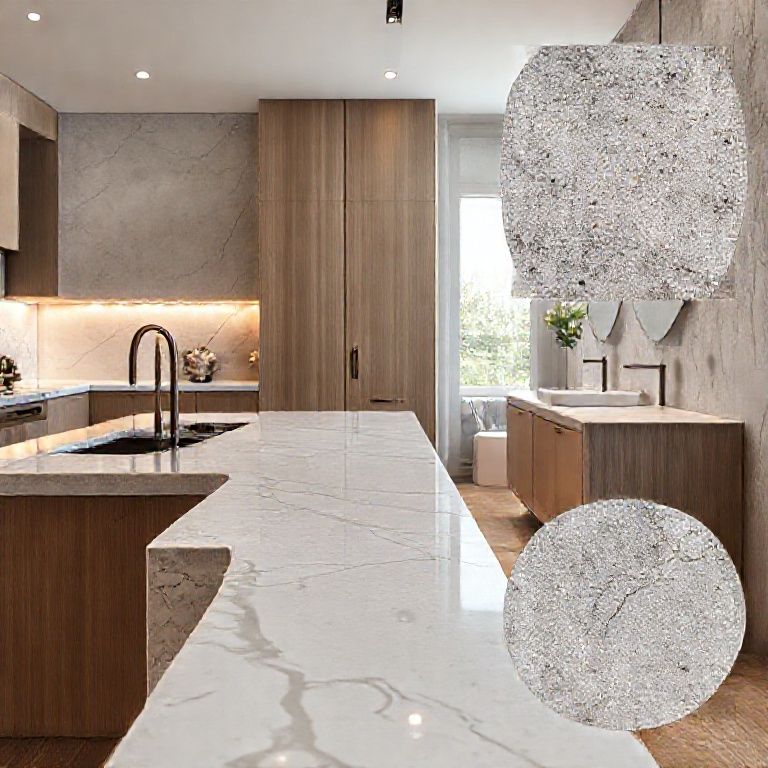
Thermal Stress: Temperature changes can lead to thermal stress, especially in materials like granite and quartz. When a hot item is placed on a cold countertop, or vice versa, the sudden temperature change can cause the material to expand and contract unevenly, leading to cracks.
Inadequate Installation: Poor installation practices can leave countertops susceptible to cracking. If the countertop is not securely attached to the cabinet or if there is a lack of proper support, it can lead to stress points that result in cracks.
The Implications of Cracking
Cracks in countertops may seem like a minor cosmetic issue, but they can lead to significant problems if not addressed promptly:
Aesthetic Degradation: Cracks can mar the appearance of your countertops, making them look unsightly and lowering the overall aesthetic appeal of your home. This is particularly noticeable in kitchens and bathrooms, where countertops are often the focal point.
Structural Weakening: Cracks can compromise the structural integrity of the countertop. Over time, small cracks can widen and spread, leading to larger sections of the countertop becoming unusable. This not only affects the look but also the function of the surface.
Safety Hazards: Cracks can create sharp edges, posing a safety risk. Even small cracks can become deep cuts, leading to injuries during everyday use. This is particularly concerning in areas like kitchens where sharp edges from cracked countertops can cause cuts and lacerations.
Increased Maintenance Costs: Addressing cracks early can prevent more extensive damage and reduce repair costs. However, if left unaddressed, the damage can become severe, leading to the need for costly replacements or extensive repairs.
Recognizing the Early Signs
Early detection of countertop cracks is crucial for timely intervention. Here are some signs to watch out for:
Minor Cracks: Small, hairline cracks can often be ignored, but they are the first sign that something is wrong. These cracks may appear as tiny lines on the surface.
Surface Imperfections: Look for uneven surfaces or small pits that could indicate internal damage.
Sound of Impact: When tapping the surface with a light object, a hollow or unusual sound can indicate internal stress and potential cracks.
Visible Stress Points: Pay attention to areas where the countertop might be lifting or where there are visible stress points.
Preventive Measures
Preventing countertop cracking involves a combination of proper care, maintenance, and smart design choices:
Use Cutting Boards: Always use cutting boards or mats to protect the surface from impact damage. Avoid cutting directly on the countertop.
Avoid Abrasive Cleaners: Use non-abrasive cleaners and soft cloths to clean your countertops. Avoid using harsh chemicals that can damage the surface.
Heat Management: Avoid placing hot pots, pans, or other items directly on cold countertops. Use trivets or heat-resistant pads to protect the surface.
Proper Installation: Ensure that countertops are properly installed and securely attached to cabinets and supports. Follow manufacturer guidelines for installation to avoid stress points.
Regular Maintenance: Regularly inspect your countertops for any signs of damage. Early detection can prevent minor issues from becoming major problems.
In the next part, we will explore advanced techniques for repairing countertop cracks and preventive measures to maintain the longevity and beauty of your surfaces.
Advanced Repair Techniques and Preventive Measures for Countertop Cracking
As we delve deeper into the issue of countertop cracking, it’s essential to understand not just the causes and implications, but also the advanced repair techniques and preventive measures that can help maintain the integrity and beauty of your surfaces. This comprehensive guide will provide you with practical advice to address and prevent countertop cracks effectively.
Advanced Repair Techniques
When it comes to repairing cracked countertops, there are several advanced techniques available that can restore your surfaces to their original condition:
Epoxy Injections: For minor cracks, epoxy injections are a highly effective repair method. This technique involves injecting a specially formulated epoxy resin into the cracks under pressure. The epoxy hardens and fills the crack, restoring the structural integrity of the countertop. This method is particularly effective for small, isolated cracks in materials like granite and quartz.
Crack Sealant: Crack sealants are another advanced repair technique that can be used to fill and seal small cracks. These sealants are designed to bond tightly with the countertop material, providing a strong and durable repair. They are particularly useful for cosmetic repairs and can enhance the appearance of the surface.
Resurfacing: For more extensive damage, resurfacing the countertop can be an effective solution. This involves sanding down the surface and applying a new layer of material to restore its original appearance. Resurfacing can be done using various techniques, including sanding, polishing, and applying a new top coat. This method is suitable for both natural stone and synthetic countertops.
Replacement: In cases where the damage is too extensive for repair, replacing the countertop may be the best option. Modern countertop materials like quartz and composite stone offer durability and aesthetic appeal, making them ideal replacements for damaged surfaces. Professional installation ensures that the new countertop is securely attached and functions optimally.
Preventive Measures for Long-Term Maintenance
Preventive measures are crucial for maintaining the longevity and beauty of your countertops. Here are some practical tips to help you protect your surfaces from cracking:
Use Protective Pads: Place protective pads or mats under heavy items and appliances to prevent direct contact with the countertop surface. This reduces the risk of impact damage.
Clean Properly: Use mild, non-abrasive cleaners and soft cloths to clean your countertops. Avoid using harsh chemicals that can weaken the surface. Regularly wipe down the surface to remove spills and prevent them from penetrating the material.
Manage Heat: Avoid placing hot items directly on cold countertops. Use trivets or heat-resistant pads to protect the surface from thermal stress. Gradually increase the temperature of items when placing them on the countertop.
Avoid Sharp Objects: Use cutting boards or mats when cutting food on the countertop. Avoid using sharp objects that can scratch or crack the surface. Store knives and other sharp tools in a safe place away from the countertop.
Regular Inspections: Regularly inspect your countertops for any signs of damage. Early detection can prevent minor issues from becoming major problems. Look for small cracks, pits, or uneven surfaces that may indicate internal damage.
Proper Installation: Ensure that countertops are properly installed and securely attached to cabinets and supports. Follow manufacturer guidelines for installation to avoid stress points and ensure longevity.
Choose Durable Materials: When selecting countertops, consider the durability and maintenance requirements of the material. Materials like quartz and composite stone are known for their durability and low maintenance.
Expert Advice and Professional Help
While many countertop repairs can be done at home, there are times when professional help is necessary. Here are some situations where it’s best to seek expert advice:
Extensive Damage: If the cracks are extensive or the damage is severe, professional repair services can provide the best results. Experienced technicians have the tools and expertise to handle complex repairs.
Material Compatibility: When considering repairs, it’s essential to ensure that the repair method is compatible with the countertop material. Professionals can advise on the best techniques for当然,我们可以继续深入探讨如何保护和修复台面,以及一些额外的实用建议。
选择合适的材料
花岗岩(Granite):花岗岩非常耐用且耐热,但它是天然石材,可能存在天然裂缝和污染。正确的保养和防护措施能够延长其使用寿命。
石英石(Quartz):石英石是一种人造石材,由90%以上的纯石英制成。它具有极高的耐用性和耐热性,不易开裂,但对于酸性物质需要特别防护。
人造石(Composite Stone):这种材料由多种天然矿物和树脂混合制成。它耐用且耐热,但某些低品质的人造石可能不如石英石耐用。
大理石(Marble):大理石美观但非常脆弱,容易开裂和吸收污渍。需要特别保护和定期保养。
日常保养和维护
无论选择了哪种材料,日常保养和维护都是延长台面寿命的重要手段。
使用适当的清洁工具:使用柔软的抹布和温和的清洁剂,避免使用钢丝球或其他刮擦工具,这些会划伤台面。
避免酸性和碱性物质:这些物质会对台面表面造成腐蚀。使用专门的防护垫或容器来存放酸性或碱性物质。
及时清理溢出物:溢出的液体,特别是酸性或碱性液体,可能会在短时间内对台面造成严重损害。及时擦干溢出物。
定期保养:不同材料需要不同的保养方法。例如,花岗岩需要定期涂抹保护油,而石英石需要使用专用的清洁剂和抛光剂。
如何处理已开裂的台面
如果台面已经出现裂缝,及时采取行动可以防止问题恶化。
小裂缝修复:对于小裂缝,可以使用专门的修复胶或填充剂进行修复。这些产品可以填补裂缝并恢复台面的平整度。
专业修复:对于较大的裂缝或多处裂缝,建议寻求专业维修服务。专业人员有经验和工具来进行复杂的修复工作,确保台面恢复其原有的美观和功能。
设计和布局
在设计和布局台面时,也可以采取一些预防措施。
避免重压:确保台面下方有足够的支撑,避免重压造成的应力集中。
适当的间隙:在设计台面时,预留一些间隙可以减少热胀冷缩造成的应力。
防护边缘:在台面的边缘加装防护条,可以有效减少因碰撞造成的裂缝。
结论
台面开裂是一个常见但却能有效预防和处理的问题。通过选择合适的材料、采取正确的保养和维护措施、以及在设计和布局时考虑预防因素,我们可以大大延长台面的使用寿命。当问题发生时,及时采取正确的修复措施也可以恢复台面的美观和功能。希望这些建议能够帮助您更好地保护和维护家中的台面。