The Silent Crisis: Understanding and Preventing Countertop Cracking
In today’s fast-paced world, kitchens are not just about cooking; they are the heart of social interactions and family bonding. The countertop, a flat surface that spans the kitchen island, is where we chop vegetables, mix ingredients, and often entertain. Given its central role, it’s imperative to maintain its integrity. However, many homeowners are unaware of the silent threat lurking in their kitchens: countertop cracking. This phenomenon can be more than just a cosmetic issue; it can compromise the functionality and safety of the kitchen.

What Causes Countertop Cracking?
Countertop cracking can occur for a multitude of reasons, often due to a combination of factors that, over time, lead to a fragile surface. Understanding these causes is the first step toward prevention and repair.
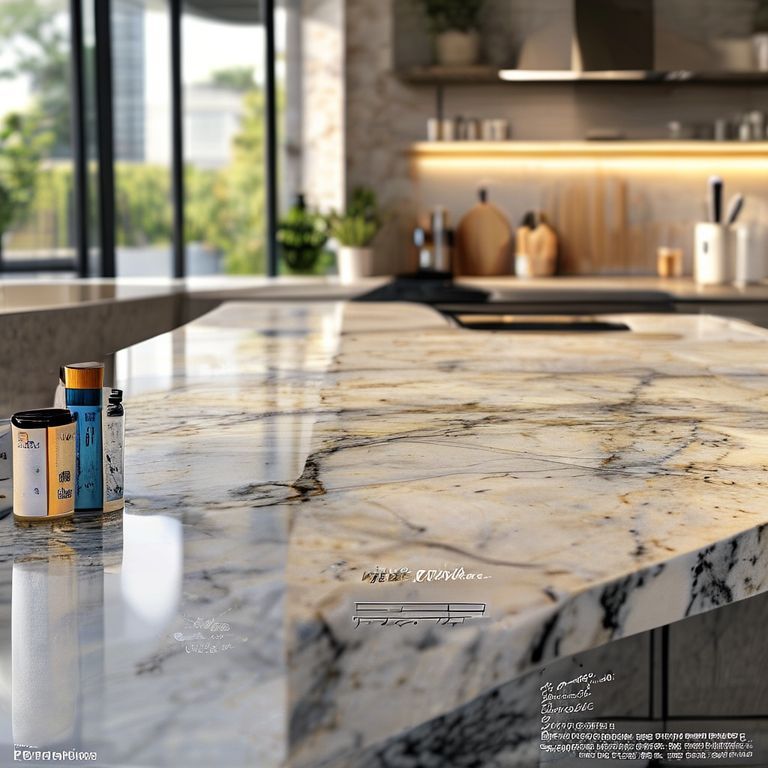
Material Weaknesses: The type of material used for the countertop plays a crucial role in its durability. Some materials, like certain composite materials or even some types of stone, are more prone to cracking under stress. For instance, if a countertop is made from a less durable composite, it might crack more easily compared to a high-quality quartz or granite.
Thermal Expansion: Heat is a double-edged sword in the kitchen. While it’s essential for cooking, sudden temperature changes can cause cracks. For example, placing a hot pot or pan directly on a cooler surface can lead to thermal shock, causing the countertop to crack.
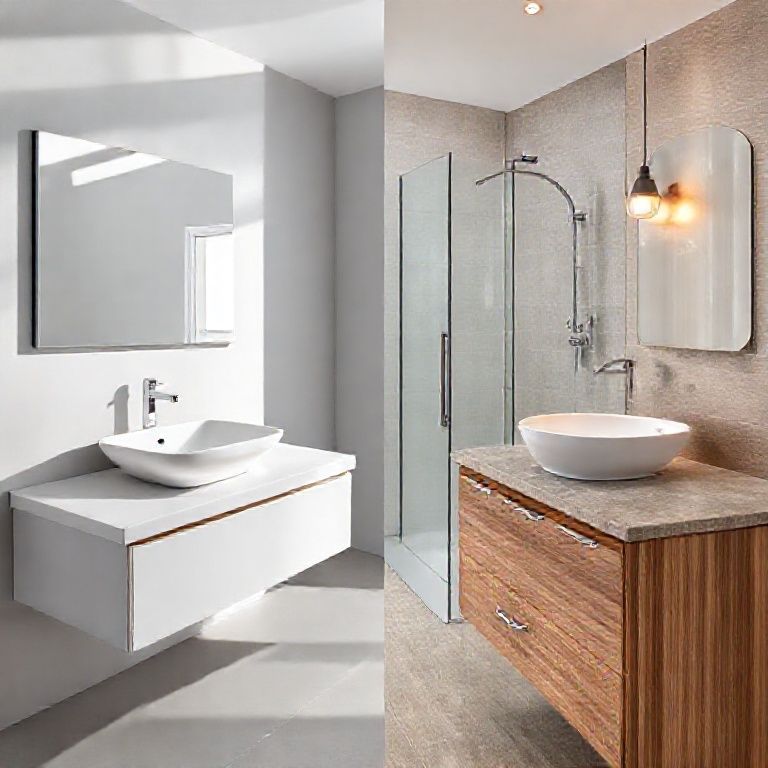
Physical Damage: Everyday use involves placing heavy items on the countertop, which can lead to cracks if the material is not strong enough. This is especially true for kitchen islands where the countertop bears the weight of various kitchen tools and cooking utensils.
Improper Installation: The installation process is critical for the longevity of countertops. If not done correctly, gaps and misalignments can occur, leading to stress points that might result in cracking. Professional installation ensures that the countertop is securely attached, reducing the risk of such issues.
Environmental Factors: Environmental factors such as humidity and exposure to chemicals can also weaken the material of the countertop, making it more susceptible to cracking. For example, excessive moisture can cause composite materials to warp, while harsh chemicals can deteriorate the surface over time.
Preventing Countertop Cracking: Practical Tips
Preventing countertop cracking is easier than you might think, and it starts with understanding the right materials and maintenance practices. Here are some practical tips to help you keep your kitchen countertop in top shape.
Choose the Right Material: When selecting a countertop, consider materials known for their durability and resistance to cracking. High-quality granite, quartz, and solid stainless steel are excellent choices. These materials offer excellent resistance to thermal shock and physical damage.
Heat Management: To prevent thermal shock, avoid placing hot pots or pans directly on the countertop. Use heat-resistant trivets or place a damp cloth between the pot and the surface. Additionally, be cautious when using cooking appliances that generate heat, ensuring they are placed away from the countertop edge to prevent direct heat exposure.
Proper Weight Distribution: When placing heavy items on the countertop, ensure they are centered to avoid stress on one area. Avoid stacking items haphazardly as this can lead to uneven weight distribution and potential cracks.
Regular Maintenance: Regular cleaning and maintenance are key to prolonging the life of your countertop. Use mild, non-abrasive cleaners and avoid harsh chemicals that can damage the surface. Regular sealing of porous materials like granite can also help prevent moisture-induced damage.
Professional Installation: If you’re installing a countertop yourself, take the time to ensure it’s done properly. If unsure, consider hiring a professional. Proper installation reduces the risk of gaps and misalignments that can lead to stress points and cracks.
Conclusion
Countertop cracking may seem like a minor issue, but it can lead to significant problems if left unaddressed. By understanding the causes and implementing preventive measures, you can ensure your kitchen remains a safe and functional space. In the next part of this series, we will delve deeper into the signs of countertop damage, repair techniques, and how to choose the right restoration methods to maintain your kitchen’s integrity.
Countertop Cracking: Signs, Repairs, and Restoration
Understanding the signs of countertop cracking and knowing how to repair and restore them is crucial for maintaining the aesthetic and functional integrity of your kitchen. In this part, we will explore the various signs that indicate damage, discuss repair techniques, and provide insights into restoration methods to ensure your countertop remains in pristine condition.
Recognizing the Signs of Countertop Cracking
Early detection is key to preventing extensive damage. Here are some common signs that your countertop might be cracking:
Visible Cracks: The most obvious sign is the appearance of visible cracks on the surface. These can vary in size from tiny fissures to larger splits. Cracks often start small and can spread over time, so it’s important to address them promptly.
Chipping and Spalling: Material chipping or spalling, where small pieces of the countertop start to break off, is another sign of damage. This usually occurs in areas where the surface has been subjected to repeated impacts or stress.
Delamination: Delamination involves the layers of the countertop material separating from each other. This can occur in composite materials and is characterized by a flaky or uneven surface.
Discoloration: Changes in color or discoloration can indicate underlying damage. This might be caused by heat, chemical exposure, or moisture, which can weaken the material and lead to cracking.
Uneven Surface: An uneven or bumpy surface can be a sign of structural damage beneath the surface. This might result from internal cracks or delamination, affecting the countertop’s stability.
Repair Techniques for Countertop Cracking
Once you’ve identified damage, it’s important to know the appropriate repair techniques to restore your countertop. Here are some methods for different types of material:
Epoxy Resin Repair: For small cracks in materials like granite or quartz, an epoxy resin can be used to fill the cracks. This method involves cleaning the area, applying the epoxy, and then polishing the surface to restore its appearance.
Soldering: For metal countertops, soldering is an effective repair technique. It involves heating a metal filler to a molten state and applying it to the crack, then cooling and polishing to blend with the surface.
Re-Sealing: For porous materials like granite, re-sealing can help prevent further damage. This involves applying a sealer to the surface to protect it from moisture and chemicals, reducing the risk of cracks spreading.
Replacing Damaged Sections: In some cases, particularly with extensive damage, it might be more practical to replace the damaged section of the countertop. This involves cutting out the damaged area and installing a new piece that matches the existing countertop.
Restoration Methods for Severe Damage
When countertop cracking is severe, restoration might be necessary to bring the surface back to its original condition. Here are some restoration techniques:
Re-Profileing: Re-profiling involves grinding down the surface of the countertop to remove damaged areas and create a smooth, even surface. This method is often used for composite countertops.
Re-Surfaceing: Re-surfacing is a process that involves applying a new surface layer over the existing countertop. This can be done using materials like quartz or stone, providing a fresh, undamaged look.
Countertop Replacement: In cases of extensive damage where restoration is not feasible, replacing the entire countertop might be the best option. This ensures a clean slate and a new, undamaged surface.
Choosing the Right Restoration Method
Choosing the right restoration method depends on the extent of the damage and the type of material your countertop is made from. Here are some factors to consider:
Material Compatibility: Ensure the restoration method is compatible with the material of your countertop. Different materials require different techniques and materials for repair and restoration.
Aesthetic Considerations: Consider how the restoration will look in your kitchen. Some methods might provide a more seamless look than others, especially if there’s a risk of visible repairs.
Budget: Restoration can vary significantly in cost. Smaller repairs might be more affordable, while extensive restoration or replacement can be more costly. Consider your budget when making a decision.
Professional Expertise: Restoration projects can be complex. Hiring a professional with experience in countertop repair and restoration can ensure that the job is done correctly and lasts longer.
Conclusion
继续探讨预防措施和恢复方法
定期检查与维护: 定期检查台面是否有微小的裂缝或损伤,及时进行修复。定期清洁台面,确保没有食物残渣或其他物质积累在台面表面,这些可能会导致材料进一步受损。
使用防滑垫和热垫: 在台面上使用防滑垫和热垫,这样可以减少热传导,避免局部过热,从而减少因热胀冷缩导致的破裂。
避免过度压力: 避免在台面上放置过重的物品,尤其是在台面较薄的情况下。使用搁板或其他托架来存放重物,以分散压力。
合理使用厨房工具: 使用合适的工具,避免用钢制或其他硬质材料的工具在台面上刮擦或划伤,这些行为可能会导致微小裂缝的产生。
避免化学侵蚀: 使用中性清洁剂清洁台面,避免使用强酸强碱的清洁剂,这些化学物质可能会腐蚀台面材料,导致表面开裂。
高级恢复和修复技术
裂缝填充技术: 使用专门的填充材料来修复小裂缝。这些材料可以根据台面的颜色进行调配,填充后再进行打磨和抛光,使其看起来如同未受损的表面。
热处理修复: 对于一些特定材料,如大理石,可以使用热处理技术来修复裂缝。这种方法通过加热使台面材料重新胶结,从而修复裂缝。
高压注浆: 对于更严重的损坏,可以使用高压注浆技术。这种技术通过将特殊的填充材料高压注入到裂缝中,从而将其封闭并恢复台面的完整性。
表面重建: 对于损坏严重的台面,可以采用表面重建技术。这种技术通常包括抛光、打磨和重新涂层,使台面恢复到接近原始的光洁度和强度。
专业帮助与选择
寻找专业人员: 当损坏较为严重时,最好寻找专业的台面修复公司或工匠进行修复。他们具备专业工具和技术,可以提供最有效的修复方案。
选择合适的材料: 如果决定更换台面,选择高质量且耐用的材料。例如,石英石台面、不锈钢台面、和高级人造石台面都是耐用且易于维护的选择。
定制与升级: 考虑定制台面,以确保其与厨房整体设计相匹配,同时选择具有更高耐用性和抗损能力的材料,从而延长台面的使用寿命。
总结
台面破裂是一个需要及时关注和处理的问题,但通过正确的预防措施和专业的修复技术,可以有效减少其发生,并在必要时进行有效修复。定期检查、正确维护和选择高质量材料是预防台面破裂的关键。如果问题已经发生,及时采取行动并寻求专业帮助可以确保台面恢复到最佳状态。