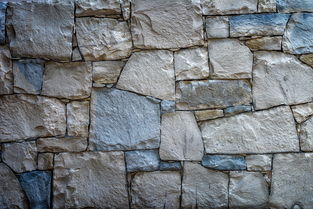
In the world of interior design, the age-old debate of “Is quartz cheaper than marble?” continues to captivate homeowners and professionals alike. This comprehensive article delves into the nuances of quartz and marble, comparing their aesthetics, durability, cost, maintenance, and environmental impact. Part one of this detailed exploration will cover the initial considerations, while part two will dive deeper into the practicalities and long-term implications of choosing between these two timeless materials.

quartz, marble, affordable luxury, interior design, durability, maintenance, cost comparison, environmental impact, countertop, flooring, home renovation
Initial Considerations in Choosing Quartz vs. Marble
Introduction: The Allure of Natural Stone
When it comes to selecting materials for home renovation or new construction, quartz and marble are often at the top of the list due to their natural beauty and versatility. Both materials have been used for centuries, each offering unique qualities that cater to different tastes and budgets.
The Aesthetics: Timeless Elegance
Both quartz and marble possess a certain timeless elegance that has made them popular choices for countertops, flooring, and even bathroom fixtures.
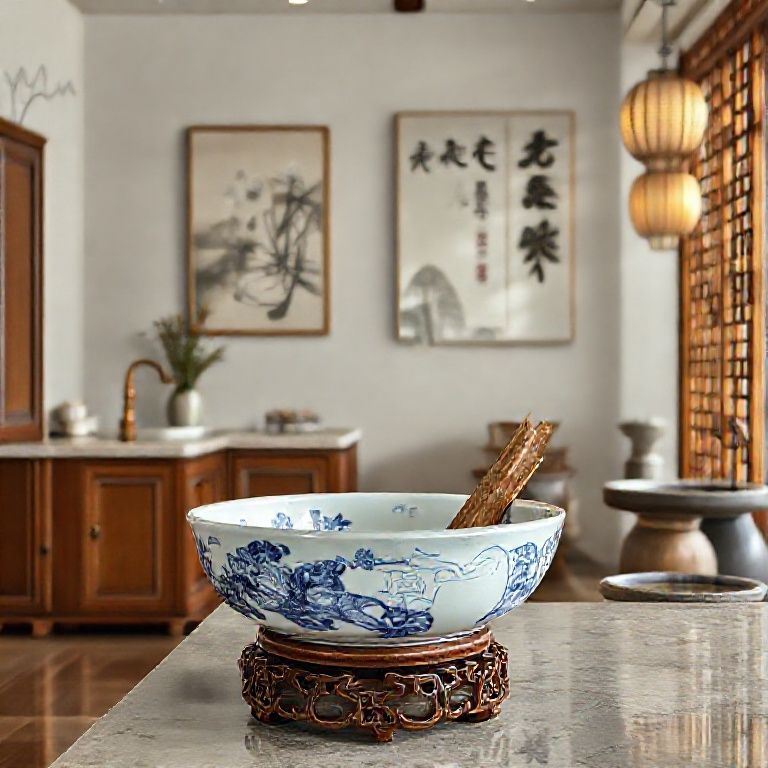
Quartz: Quartz, a man-made stone, is known for its stunning, realistic look. Made from 93% quartz, it is crafted to mimic the appearance of natural stone. Quartz comes in an array of colors and patterns, allowing designers to achieve a wide variety of looks, from the classic to the contemporary. It’s a versatile material that can be used in kitchens, bathrooms, and even living spaces.
Marble: Marble, on the other hand, is a natural stone that offers a unique veining and color that can only be found in nature. Its beauty lies in its organic patterns and rich, warm tones. Marble has been used in architecture and interior design for centuries, adding a touch of luxury and sophistication. It is often used for flooring, countertops, and decorative elements.
Durability: The Long-Lasting Choice
When it comes to durability, both quartz and marble stand out, but they have different qualities that make them suitable for various applications.
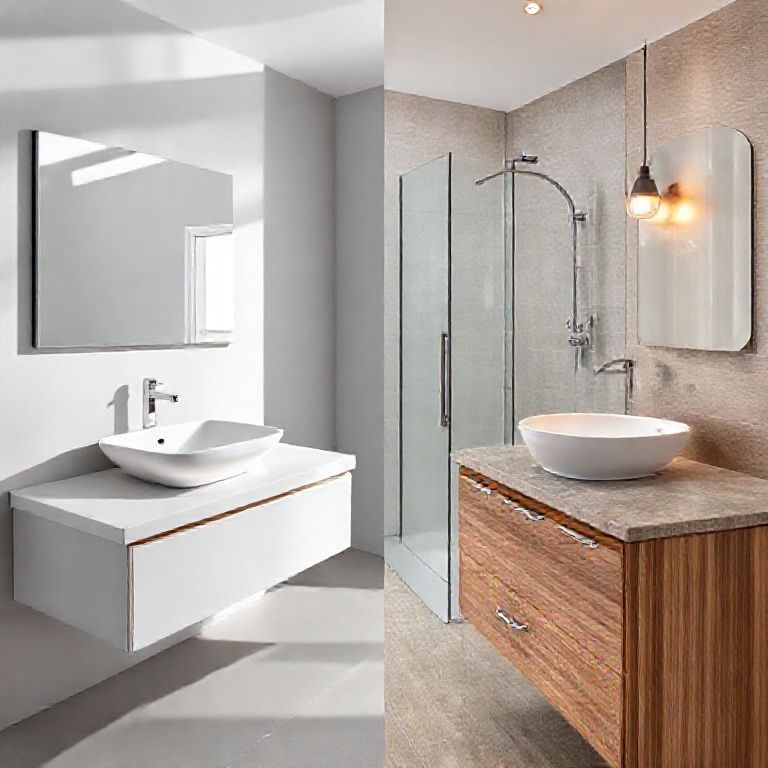
Quartz: Quartz is known for its strength and durability. It is resistant to stains, scratches, and heat, making it an excellent choice for high-traffic areas like kitchens and bathrooms. Its surface is seamless, which prevents the trapping of bacteria, making it easy to clean and maintain.
Marble: While marble is incredibly beautiful, it is not as durable as quartz. It is susceptible to stains and scratches, and its natural porosity means that acidic substances, like wine or lemon juice, can permanently stain the surface. However, when properly cared for, marble can last for many years and retain its beauty.
Cost: The Budget-Friendly Alternative
One of the primary considerations when choosing between quartz and marble is cost. Let’s break down the initial investment and ongoing expenses for both materials.
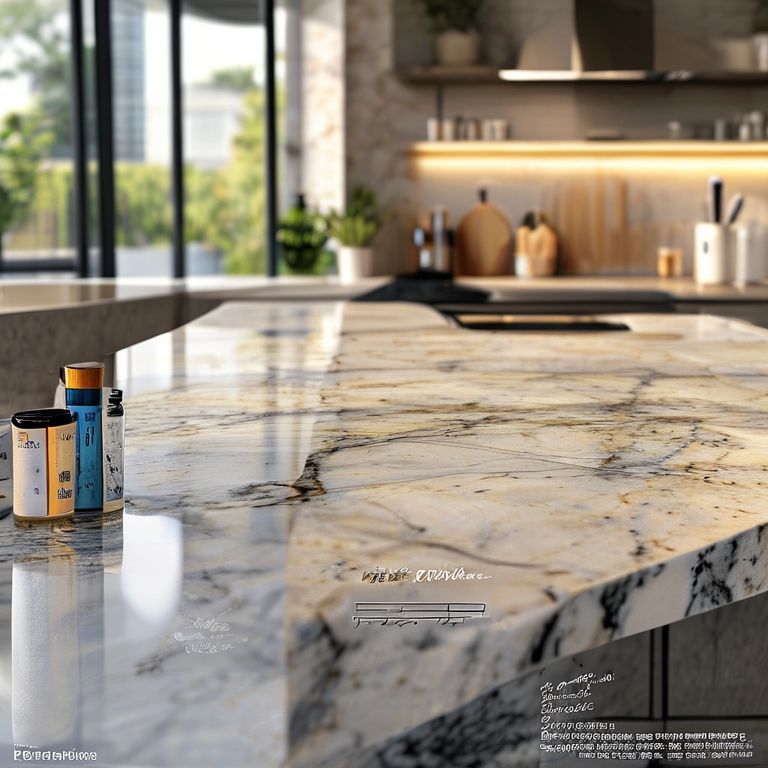
Quartz: Quartz is generally more affordable than marble. Its production process involves mixing quartz with resin and pigment, which keeps the costs down. This makes it a popular choice for those looking for a high-quality, natural-looking material without the premium price tag of marble.
Marble: Marble is a natural stone, and its cost reflects that. The price of marble can vary widely based on the type, color, and quality of the stone. High-end marbles like Carrara or Travertine come with a significant price tag, making them less accessible for some homeowners. However, the aesthetic appeal and historical significance of marble often justify the cost for those who value its unique beauty.
Maintenance: Effortless Care vs. Upkeep
Maintenance is a crucial factor in choosing between quartz and marble, as it impacts the longevity and usability of the material.
Quartz: One of the biggest advantages of quartz is its low maintenance. It is highly resistant to stains, scratches, and heat, meaning it requires minimal upkeep. Cleaning quartz surfaces is as simple as wiping them with a damp cloth and a mild soap. Its seamless surface ensures that any spills are easily wiped away without causing damage.
Marble: Marble, while beautiful, requires more careful maintenance. To prevent staining, it’s important to use a marble-safe sealant and avoid acidic substances. Cleaning marble surfaces should be done with a soft cloth and a mild soap, as harsh chemicals can damage the stone. Regular sealing is essential to maintain its shine and prevent stains from setting in.
Environmental Impact: Sustainability Considerations
In today’s world, the environmental impact of materials is an important consideration for many consumers.
Quartz: Quartz is a manufactured product, which means it doesn’t require the extensive quarrying and transportation associated with natural stone. Its production process is relatively sustainable, and it doesn’t rely on the extraction of natural resources. Additionally, since quartz countertops can be recycled, they offer a more eco-friendly option for those concerned about waste.
Marble: Marble is a natural stone, and its extraction can have significant environmental impacts. Quarrying marble requires considerable energy and can lead to habitat destruction and pollution. Additionally, transporting marble from its source to the construction site contributes to its carbon footprint. However, marble is a natural, non-toxic material that doesn’t require additional processing to be used.
Conclusion
The decision between quartz and marble ultimately comes down to personal preference, budget, and the specific needs of the space. Quartz offers a cost-effective, durable, and low-maintenance alternative that mimics the beauty of marble without the higher price tag. Marble, with its natural beauty and timeless elegance, remains a luxurious choice for those willing to invest in its upkeep and cost. In the next part of this exploration, we will delve deeper into the practicalities and long-term implications of choosing between these two exquisite materials.
Practicalities and Long-Term Implications of Quartz vs. Marble
Introduction: Beyond Aesthetics
While the initial considerations of aesthetics, durability, cost, maintenance, and environmental impact are crucial, the practicalities and long-term implications of choosing between quartz and marble play a significant role in making an informed decision.
Installation: Ease of Use and Professional Expertise
The ease of installation is another important factor to consider.
Quartz: Quartz is relatively easy to install, thanks to its seamless surface and ability to be cut to any size. It can be installed by professionals with standard tools, making it accessible for DIY enthusiasts as well. Its lightweight nature simplifies the installation process, and it can often be laid quickly and with minimal disruption.
Marble: Marble, being a natural stone, requires more expertise during installation. It needs to be cut carefully to fit the space, and its weight can make installation more challenging. Professional installers often use specialized tools to cut and place marble tiles or slabs. The process can be time-consuming and may require more extensive preparation and handling.
Long-Term Durability: The Test of Time
When considering the long-term durability of quartz vs. marble, it’s important to think about how each material will hold up over the years.
Quartz: Quartz is highly resistant to scratches, stains, and heat, which means it maintains its appearance and functionality over time. It doesn’t degrade or change color, making it an excellent choice for high-traffic areas like kitchens and bathrooms. With proper care, quartz can last for decades without significant maintenance.
Marble: Marble, while beautiful, is more susceptible to damage over time. Its natural porosity means it can absorb stains, and its softer composition can lead to scratches. While marble can be re-sealed and polished to restore its shine, these processes require professional intervention and can be costly. Over time, marble can lose its luster and develop visible stains and scratches, which can detract from its beauty.
Cost Over Time: Breaking Down Expenses
When evaluating the long-term cost of quartz vs. marble, it’s important to consider both the initial investment and the ongoing expenses.
Quartz: The cost advantage of quartz becomes even more pronounced over time. While the initial price may be lower than high-end marble, the ongoing maintenance costs are minimal. The durability of quartz means that it requires less frequent replacement or repair, saving money in the long run.
Marble: The initial cost of marble can be high, especially for premium varieties. Over time, the need for regular sealing, repairs, and potential replacement can add up. While marble can provide a stunning aesthetic for many years, its maintenance and potential damage can lead to significant expenses.
Design Flexibility: Versatility in Application
Both quartz and marble offer versatility in design applications, but they cater to different design preferences.
Quartz: Quartz’s flexibility in color, pattern, and size makes it suitable for a wide range of design applications. It can mimic the appearance of many natural stones, including granite and marble, allowing designers to create custom looks tailored to their clients’ needs. Quartz is commonly used for countertops, backsplashes, and kitchen islands, but it can also be used in bathroom vanities, wall cladding, and even outdoor projects.
Marble: Marble’s unique veining and color make it a favorite for traditional and classical designs. It is often used in high-end residential and commercial projects where a touch of luxury is desired. Marble is ideal for flooring, countertops, and decorative elements like fireplaces and columns. Its natural beauty is often highlighted in classic architectural designs and can add a timeless elegance to any space.
# Environmental Impact: Sustainability and Ethical Considerations
When making a decision between quartz and marble, it’s essential to consider the broader environmental and ethical implications of each material.
Quartz: Quartz is a manufactured product made from a blend of 93% quartz, resin, and pigments. Its production process is relatively sustainable as it doesn’t require extensive quarrying or natural resource extraction. Additionally, since quartz countertops can be recycled, they offer a more eco-friendly option for those concerned about waste. The manufacturing process can also be optimized to minimize energy use and emissions.
Marble: Marble is a natural stone that has significant environmental implications. Quarrying marble requires considerable energy and can lead to habitat destruction, pollution, and significant carbon emissions. The transportation of marble from its source to the construction site also contributes to its carbon footprint. Furthermore, the extraction process can have detrimental effects on local ecosystems and communities.
Health and Safety: Non-Toxic and Hypoallergenic
Both quartz and marble are non-toxic materials, but their properties differ in terms of safety and health benefits.
Quartz: Quartz is a non-toxic material that doesn’t emit harmful chemicals or VOCs (volatile organic compounds). Its seamless surface prevents the trapping of bacteria, making it a hygienic choice for kitchens and bathrooms. Additionally, quartz is hypoallergenic, which makes it an excellent option for people with allergies or respiratory issues.
Marble: Marble is also non-toxic, but it can be a source of melamine, a chemical used in its production. While modern manufacturing processes have minimized this risk, it’s something to consider. Marble’s porous nature can sometimes lead to the absorption of bacteria and mold, which may not be ideal for areas requiring high levels of hygiene.
Customization: Tailoring to Your Design Vision
Customization is another area where quartz and marble differ, influencing their suitability for specific design visions.
Quartz: Quartz offers unparalleled customization. Its manufacturers can create virtually any color, pattern, and texture to match specific design requirements. This makes it an excellent choice for designers looking to push creative boundaries. Quartz can be cut into custom shapes and sizes, allowing for intricate designs and unique layouts.
Marble: Marble’s natural veining and color make it less customizable than quartz. While it’s possible to find marble slabs with specific patterns, the variability in natural stone means that each piece is unique. This can be both a pro and a con, depending on the desired aesthetic. Marble is often chosen for its one-of-a-kind beauty but may not offer the same level of design flexibility as quartz.
Aesthetic Versatility: Timeless vs. Traditional
The aesthetic versatility of quartz and marble caters to different design philosophies.
Quartz: Quartz’s versatility allows it to fit into both modern and traditional designs. Its ability to mimic the appearance of various natural stones makes it suitable for a wide range of design styles. Whether you’re looking for a contemporary, minimalist look or a more traditional, ornate design, quartz can be customized to fit your vision.
Marble: Marble’s unique, organic beauty lends itself to traditional and classical designs. Its timeless elegance makes it a favorite for architects and designers looking to create a luxurious, sophisticated space. Marble’s natural veining and color variations add depth and character to any design, making it ideal for high-end residential and commercial projects.
Conclusion: Making an Informed Choice
Choosing between quartz and marble is a significant decision that impacts both the aesthetics and functionality of your space. Quartz offers a cost-effective, durable, and low-maintenance alternative that mimics the beauty of marble without the higher price tag. It’s versatile, customizable, and environmentally friendly, making it a practical choice for many homeowners and designers.
Marble, on the other hand, offers a luxurious, timeless elegance that can add sophistication and luxury to any space. Its natural beauty and unique veining make it ideal for traditional and classical designs. However, the higher cost, maintenance requirements, and environmental impact make it a less practical choice for some.
Ultimately, the decision between quartz and marble comes down to personal preference, budget, and the specific needs of the space. By considering factors such as aesthetics, durability, cost, maintenance, environmental impact, installation, and design flexibility, you can make an informed choice that best suits your vision and lifestyle.
In this detailed exploration, we’ve covered the initial considerations, practicalities, long-term implications, environmental impact, health and safety, customization, and aesthetic versatility of quartz and marble. By weighing these factors, you can make a well-informed decision that enhances your space and reflects your personal style.