When it comes to modern kitchen and bathroom designs, artificial stone countertops have emerged as a popular choice due to their durability, aesthetic versatility, and maintenance ease. However, the success of your artificial stone countertop installation hinges significantly on the adhesive used to secure it to your surfaces. In this first part of our comprehensive guide, we will delve into the various types of adhesives best suited for artificial stone countertops, their benefits, and essential tips for ensuring precision and longevity in your installation process.

Understanding the Basics of Artificial Stone Countertops
Before diving into the specifics of adhesives, it’s essential to understand what artificial stone countertops are and why they are preferred over natural stone in many contemporary applications. Artificial stone, often made from a combination of mineral powders, resins, and pigments, mimics the appearance of natural stone while offering superior durability and resistance to scratches, stains, and moisture.
Types of Adhesives for Artificial Stone Countertops
Choosing the right adhesive is critical for ensuring that your artificial stone countertop remains securely attached over time. Here are some of the most popular adhesives used in professional installations:
Epoxy Adhesives
Benefits: Epoxy adhesives are known for their exceptional strength and durability. They provide excellent bonding to both the artificial stone and various base surfaces such as granite, concrete, and ceramic tiles. Epoxies are also highly resistant to moisture and chemicals, making them ideal for high-traffic areas.
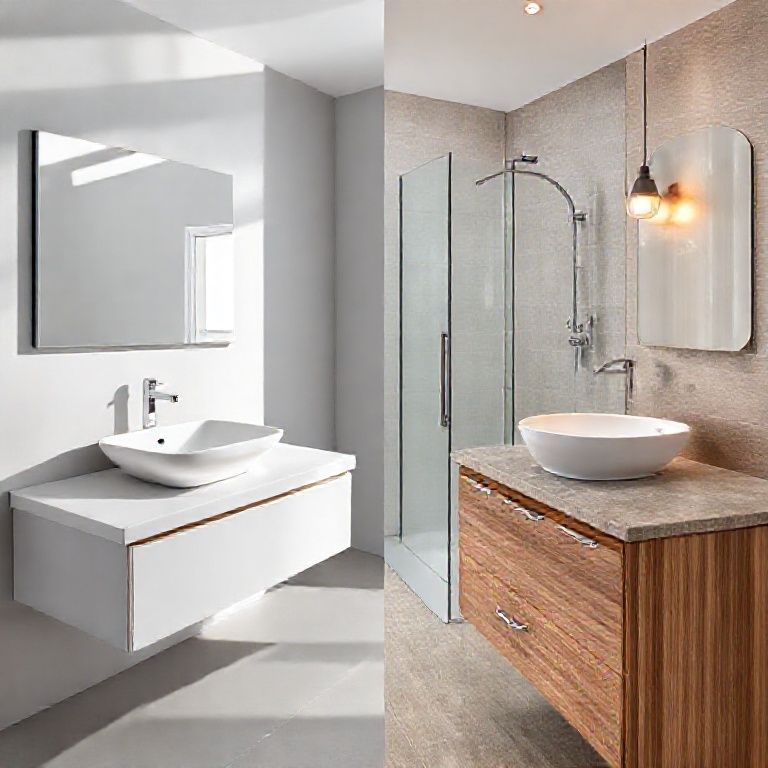
Application: Epoxy adhesives are versatile and can be used for both wet and dry applications. They are particularly favored in commercial settings due to their robust performance.
Polyurethane Adhesives
Benefits: Polyurethane adhesives offer high strength, flexibility, and resistance to wear and tear. They are suitable for both indoor and outdoor applications, making them a versatile choice for different environments.
Application: Polyurethane adhesives are often used in areas where movement or slight shifting of the countertop might occur. They are excellent for both tile and stone installations.
Cementitious Adhesives
Benefits: Cement-based adhesives are strong and versatile, suitable for various substrates. They are known for their ease of use and excellent bonding strength, making them a popular choice for DIY and professional installations alike.
Application: Ideal for environments where a strong, stable bond is essential. Cementitious adhesives are commonly used for securing artificial stone countertops to concrete and other hard surfaces.
Silicone Adhesives
Benefits: Silicone adhesives are excellent for wet areas due to their water-resistant properties. They provide a strong bond, flexibility, and are easy to clean, making them perfect for kitchen and bathroom installations.
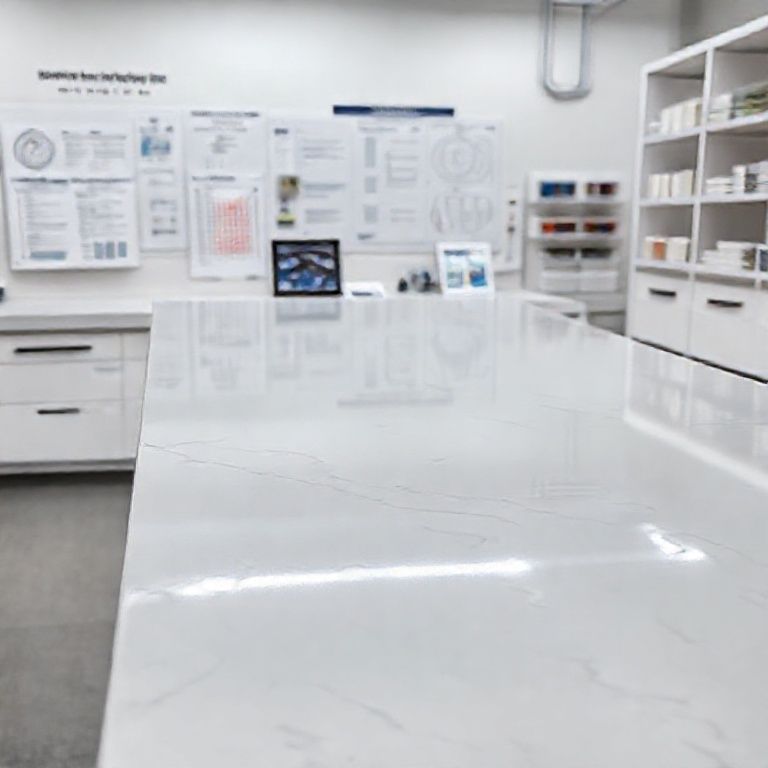
Application: Silicone adhesives are often used in areas where there is a high likelihood of water exposure, such as around sinks and under countertops.
Installation Tips for Optimal Adhesion
To ensure the longevity and aesthetic appeal of your artificial stone countertop, adhering to best practices during installation is crucial. Here are some tips to help you achieve the best results:
Surface Preparation
Cleanliness: Ensure that the base surface is clean, dry, and free of any grease, dust, or debris. Use appropriate cleaning agents to thoroughly clean the surface before applying the adhesive.
Surface Texture: For optimal adhesion, lightly sand the surface where the countertop will be installed to improve the texture and bonding capabilities.
Adhesive Application
Consistent Layer: Apply the adhesive in a consistent, even layer using a notched trowel to ensure full coverage and avoid bubbles or gaps.
Curing Time: Allow the adhesive to cure according to the manufacturer’s instructions before placing the countertop. This ensures that the adhesive has fully set and is ready to support the weight of the stone.
Placing the Countertop
Alignment: Carefully align the countertop with the base surface, applying even pressure to ensure a proper bond. Use a level to check for any unevenness during placement.
Pressing: Once in place, use weights or additional supports to press the countertop against the adhesive until it fully cures.
Finishing Touches
Sealing: After the adhesive has cured, consider sealing the edges of the countertop to prevent water ingress and enhance the overall durability.
Cleaning: Clean the surface with appropriate cleaning agents to remove any adhesive residue and maintain the beauty of the countertop.
Conclusion
Choosing the right adhesive for your artificial stone countertop is a critical step in ensuring a durable, long-lasting, and aesthetically pleasing installation. By understanding the various types of adhesives available and following best practices for application and placement, you can achieve a professional-quality finish that stands the test of time. In the next part of this guide, we will explore advanced tips and tricks for maintaining your artificial stone countertop to keep it looking pristine and functioning optimally.
Continuing from our detailed discussion on adhesives for artificial stone countertops, this second part focuses on maintaining the longevity and aesthetic appeal of your artificial stone countertop. Proper care and maintenance are essential to ensure that your investment remains beautiful, functional, and resistant to everyday wear and tear. Here, we will explore advanced tips and tricks for maintaining your artificial stone countertop, addressing common issues, and extending its lifespan.
Understanding the Nature of Artificial Stone
Before diving into maintenance tips, it’s important to understand the nature of artificial stone. Unlike natural stone, which can vary in composition and properties, artificial stone is consistent and designed for durability. However, it still requires careful handling to maintain its appearance and structural integrity.
Maintenance Tips for Artificial Stone Countertops
Regular Cleaning
Routine Cleaning: Use a mild, non-abrasive cleaner and a soft cloth to clean your artificial stone countertop regularly. Avoid using harsh chemicals or abrasive scrubbers, which can scratch the surface.
Daily Wipe-Down: A daily wipe-down with a damp cloth can help remove spills and stains before they set in, keeping your countertop looking fresh and clean.
Stain Prevention
Immediate Action: For any spills, especially those from acidic or caustic substances, clean immediately to prevent stains. Use a mild cleaner and water to gently wipe away the spill.
Protective Coatings: Consider applying a protective coating or sealant to the surface to create a barrier against stains and spills.
Handling Spills and Stains
Neutral Cleaners: Use neutral cleaners that do not contain bleach, ammonia, or other harsh chemicals. Vinegar and baking soda are good natural alternatives for cleaning.
Avoiding Scratches: When cleaning, avoid using steel wool or other abrasive materials that can scratch the surface. Use soft cloths and gentle cleaning methods.
Deep Cleaning
Deep Clean Schedule: For a deep clean, you can use a stone countertop cleaner specifically formulated for artificial stone. Follow the product instructions for application and cleaning.
Steam Cleaning: Occasionally, a steam clean can help remove deeper stains and leave your countertop looking like new.
Troubleshooting Common Issues
Even with the best care, issues can arise. Here’s how to troubleshoot and address common problems with artificial stone countertops:
Discoloration
Cause: Discoloration can occur due to spills, cleaning products, or prolonged exposure to sunlight.
Solution: Use a gentle cleaner to address discoloration. If it persists, consider a professional cleaning service.
Crevice Stains
Cause: Stains in crevices can occur if spills are not cleaned promptly.
Solution: Use a soft brush or cloth to clean crevices thoroughly. For stubborn stains, a stone countertop cleaner may be necessary.
Abrasive Damage
Cause: Abrasive damage can result from using harsh cleaning tools or chemicals.
避免热损伤
小火慢煮:避免在台面上直接加热,特别是在高温情况下。使用耐热容器,并在炉灶上使用中小火,以防止台面受热损伤。
使用隔热垫:在需要加热食物的时候,可以使用隔热垫或者烤盘,将热锅具放置在上面,以减少热量直接传导到台面上。
定期检查和保养
定期检查:定期检查台面是否有裂缝或其他损伤。一旦发现,及时修复,以避免问题扩大。
专业维护:定期请专业人员进行维护和清洁,以确保台面保持最佳状态。
选择合适的清洁用品
专用清洁剂:尽量选择专门为人造石设计的清洁剂,以避免使用过于强烈的化学物质,这可能会对台面造成损害。
适当的清洁方法:使用软布或海绵进行清洁,避免使用硬质工具或刷子,以防止表面划伤。
使用护理产品
护理油或蜡:一些人造石品牌提供专门的护理油或蜡,可以定期涂抹在台面上,以增加光泽和保护表面。
避免过度护理:不要过度护理,以免产品积聚,影响台面的美观。
安全使用
避免重物摆放:不要在台面上随意摆放重物,以免造成压痕或者裂缝。
小心操作:在台面上进行烹饪或其他活动时,要小心操作,避免摔落物品或突然的碰撞。
通过以上这些维护和保养技巧,可以有效延长人造石台面的使用寿命,保持其美观和功能性。定期的保养和小心的日常使用,是确保人造石台面长久美观和耐用的关键。如果有任何特殊的问题或需要专业意见,建议及时咨询专业人员或生产厂家。