The Ultimate Guide to Artificial Quartz Countertops: Are They Worth It?
Introduction to Artificial Quartz Countertops
In recent years, artificial quartz countertops have surged in popularity for both residential and commercial spaces. These modern marvels are lauded for their durability, aesthetic appeal, and maintenance-free nature. But what makes artificial quartz countertops so compelling? Are they worth the investment? Let’s delve into the nuances of this modern material to uncover its true value.

What Are Artificial Quartz Countertops?
Artificial quartz is a composite material made from 93% quartz and 7% resin binder. It’s manufactured through a process that combines quartz aggregates with a polymer binder under high heat and pressure. This results in a solid surface material that is incredibly hard, scratch-resistant, and impervious to stains, making it an excellent choice for countertops in kitchens and bathrooms.
Benefits of Artificial Quartz Countertops
1. Durability and Strength
Artificial quartz countertops are among the hardest materials available, ranking a 9 on the Mohs scale of mineral hardness. This exceptional durability means they can withstand heavy usage and resist scratches, chips, and dents. Unlike other materials such as granite or marble, quartz does not require sealing to prevent staining.
2. Stain and Water Resistance
One of the most significant advantages of quartz is its resistance to stains and water. This makes it an ideal choice for high-traffic areas such as kitchens and bathrooms where spills are common. The non-porous nature of quartz ensures that liquids do not penetrate the surface, reducing the need for frequent cleaning and maintenance.
3. Aesthetic Versatility
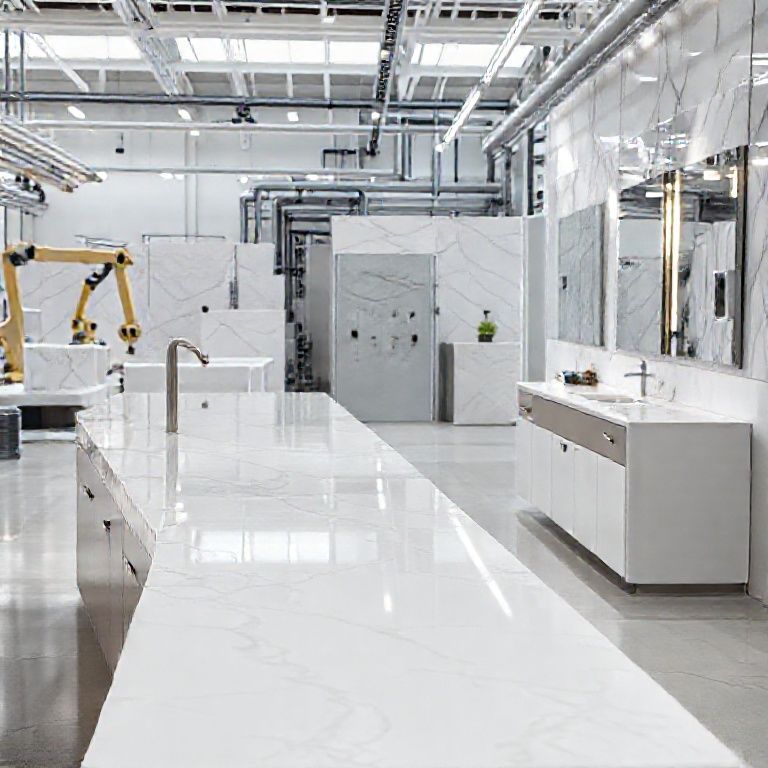
Quartz countertops come in an extensive range of colors, patterns, and textures, allowing for a high degree of customization to match any design aesthetic. Whether you prefer a classic look or a modern, bold design, quartz offers a versatile solution to suit your style.
4. Ease of Installation
Installation of quartz countertops is straightforward, and professional installers can complete the job relatively quickly. Unlike natural stone, quartz does not require sealing, which simplifies the installation process and reduces the overall cost.
5. Low Maintenance
Unlike natural stone countertops, quartz does not need sealing or regular maintenance to maintain its appearance. This means less time spent on cleaning and fewer costs associated with maintenance, making it an attractive option for busy households.
Cost Considerations
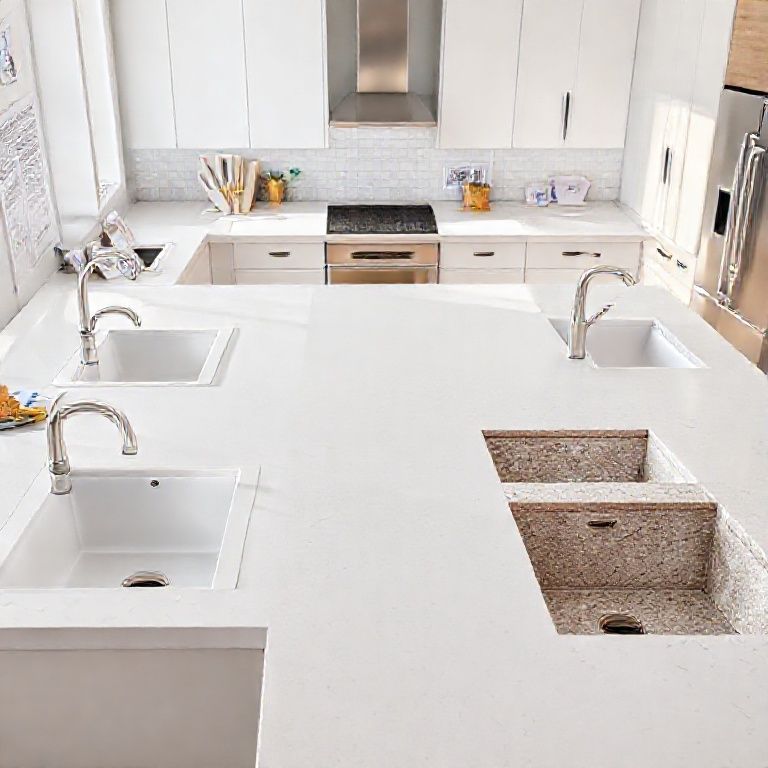
While the initial investment in quartz countertops may be higher compared to some alternatives, the long-term benefits often justify the cost. The durability and low maintenance requirements mean that quartz countertops have a longer lifespan, which can offset the higher upfront cost.
Conclusion
Artificial quartz countertops are undeniably a strong contender in the world of modern kitchen and bathroom design. Their durability, stain resistance, aesthetic versatility, ease of installation, and low maintenance make them an excellent choice for those looking for a high-quality, long-lasting surface. In the next part, we’ll explore some specific scenarios where quartz countertops truly shine and whether they are a worthwhile investment for your home.
The Ultimate Guide to Artificial Quartz Countertops: Are They Worth It?
Real-World Applications of Quartz Countertops
To truly understand the value of artificial quartz countertops, it’s essential to consider their applications in real-world scenarios. From commercial kitchens to residential homes, quartz countertops have proven their worth in various settings.
1. Commercial Kitchens
In commercial kitchens, where heavy usage and frequent spills are the norm, quartz countertops shine. Their durability and resistance to stains and water make them an ideal choice for these demanding environments. Additionally, their ease of cleaning and low maintenance requirements help keep commercial kitchens running smoothly and hygienically.
2. Residential Homes
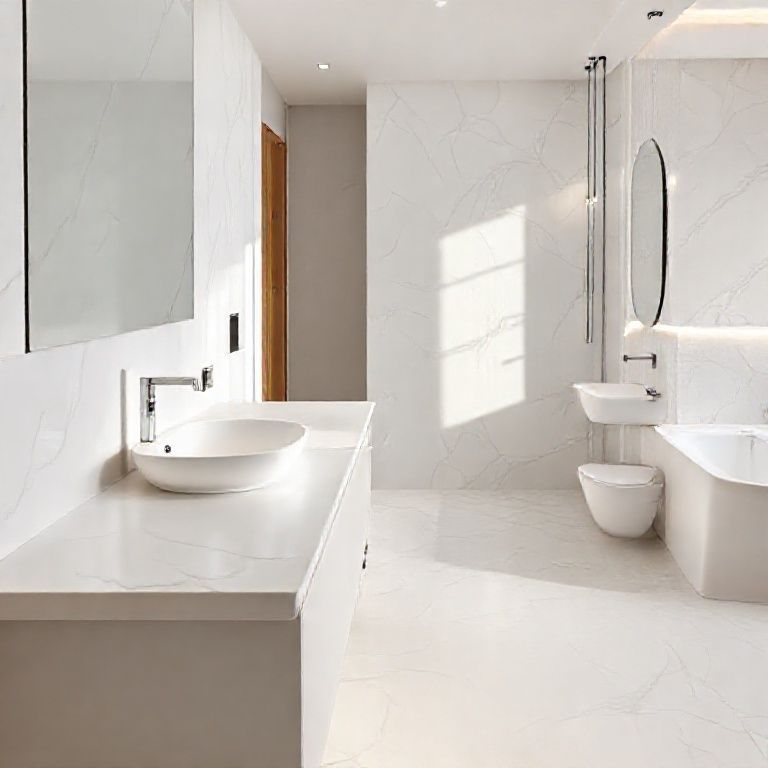
For homeowners, quartz countertops offer a blend of style and practicality. They are perfect for both casual dining and professional cooking. Their ability to withstand high traffic and resist staining makes them a durable choice for busy kitchens and bathrooms. Moreover, the wide range of colors and patterns available allows homeowners to choose a design that complements their overall aesthetic.
3. Hospitality Industry
The hospitality industry, including hotels, restaurants, and cafes, benefits greatly from quartz countertops. Their high durability and resistance to bacteria make them ideal for public spaces where cleanliness and hygiene are paramount. The low maintenance requirements also translate to cost savings and less downtime, allowing businesses to focus on providing excellent service.
Long-Term Value and Investment
When considering whether artificial quartz countertops are worth the investment, it’s essential to look at the long-term benefits. While the initial cost may be higher, the following factors contribute to their value over time:
1. Increased Property Value
Quartz countertops are highly regarded in the real estate market. Homes equipped with quartz countertops often see an increase in property value, making them a wise investment for homeowners looking to sell in the future.
2. Low Maintenance and Cleaning Costs
The low maintenance and cleaning requirements of quartz countertops translate to significant savings over time. This reduces the need for frequent professional cleaning services, which can be costly.
3. Longevity
Quartz countertops are known for their long lifespan. Their durability ensures that they will remain a stylish and functional choice for many years, providing a high return on investment.
Comparison with Other Countertop Materials
To fully appreciate the value of quartz countertops, it’s useful to compare them with other popular countertop materials such as granite, marble, and laminate.
1. Granite vs. Quartz
Granite is a popular choice for its natural beauty and durability. However, it requires sealing to prevent staining and regular maintenance to maintain its appearance. In contrast, quartz does not need sealing and has a longer lifespan due to its non-porous nature.
2. Marble vs. Quartz
Marble is prized for its elegance and natural veining. However, it is highly porous and prone to staining, requiring regular maintenance. Quartz, on the other hand, is non-porous and stain-resistant, offering a more practical and low-maintenance option.
3. Laminate vs. Quartz
Laminate countertops are often chosen for their affordability and variety of designs. However, they are not as durable as quartz and can chip and scratch easily. Quartz offers superior durability and a more polished, professional appearance.
Conclusion
Artificial quartz countertops are undeniably a remarkable choice for both residential and commercial spaces. Their durability, stain resistance, aesthetic versatility, ease of installation, and low maintenance make them a practical and stylish option. The long-term benefits, including increased property value, reduced maintenance costs, and longevity, further underscore their value as a worthwhile investment.
In conclusion, whether you’re renovating your kitchen or bathroom, or setting up a commercial kitchen, quartz countertops offer a compelling combination of beauty and practicality. They are a smart choice for those looking for a high-quality, low-maintenance surface that will stand the test of time.