The Ultimate Guide to Artificial Quartz vs Resin Countertops
In today’s dynamic world of interior design, choosing the perfect countertop for your kitchen or bathroom is more crucial than ever. With a plethora of options available, two materials have emerged as favorites among homeowners and designers alike: artificial quartz and resin countertops. Both offer a stunning aesthetic and practical advantages, but which one is the best fit for your needs? Let’s delve into the nuances of these two materials to help you make an informed decision.
Understanding Artificial Quartz Countertops
Artificial quartz, also known as quartzite, is a composite material made from 93% crushed quartz and 7% resin binder. This combination creates a product that is not only visually striking but also incredibly durable. One of the standout features of artificial quartz is its uniformity. Every piece is crafted to have a consistent look, free from the natural variations seen in stone or wood.
Advantages of Artificial Quartz
Durability: The high quartz content means that artificial quartz countertops are extremely hard, ranking a 7 on the Mohs scale of mineral hardness. This makes them highly resistant to scratches, stains, and impact.
Low Maintenance: Unlike natural stone, quartz does not require sealing to prevent staining. It’s also impervious to acids, making it perfect for kitchens where food and cleaning agents are regularly used.
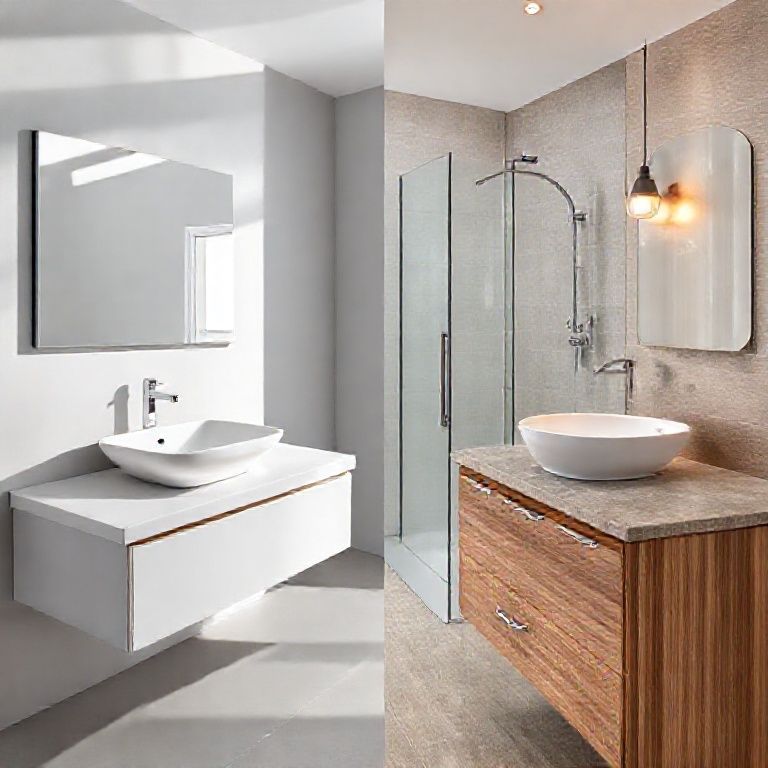
Aesthetic Versatility: With a wide range of colors and patterns available, artificial quartz can mimic almost any natural stone, wood, or even metal. This versatility allows for endless design possibilities, from rustic to ultra-modern.
Affordability: While quartz countertops can be a bit pricier than some alternatives, they often provide better value for their durability and low maintenance.
Designing with Artificial Quartz
Artificial quartz countertops are an excellent choice for those looking to create a sleek, contemporary space. The material’s ability to replicate the look of natural stone without the maintenance makes it ideal for high-traffic areas like kitchens and dining rooms. Moreover, its durability ensures that the countertop will look pristine for years to come, making it a wise investment.
Resin Countertops: A Closer Look
Resin countertops, on the other hand, are made from a mixture of resin, colorants, and various aggregates. These can include sand, granite chips, or other materials, which are bonded together to form a solid surface.
Advantages of Resin Countertops
Customizability: Resin countertops offer unparalleled customizability. Homeowners and designers can choose from a vast array of colors and textures, allowing for a truly unique and personalized look.
Cost-Effectiveness: Generally, resin countertops are more affordable than quartz. This makes them an excellent choice for those who want a high-quality surface without a significant budget.
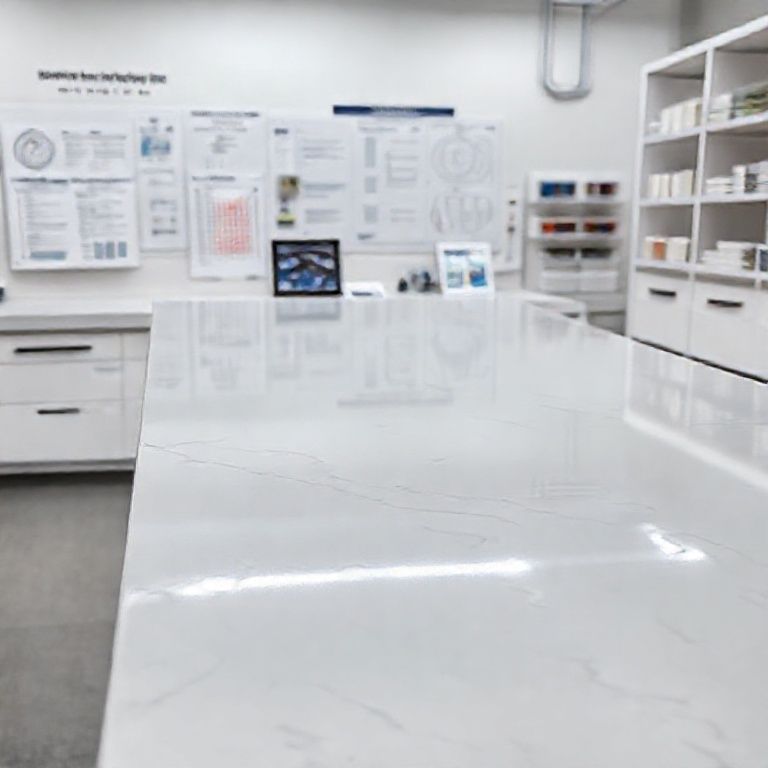
Variety of Finishes: Resin can be molded into various shapes and finishes, offering a wide range of design options. This flexibility makes resin an excellent choice for both modern and traditional designs.
Lightweight: Resin countertops are lighter than natural stone, making them easier to install and less labor-intensive.
Designing with Resin Countertops
Resin countertops shine in environments where a bespoke design is a priority. Their ability to be molded into intricate patterns and shapes makes them perfect for creating unique, eye-catching designs. Whether you’re looking for a dramatic statement piece or a subtle accent, resin can deliver. Additionally, the lightweight nature of resin makes it easier to incorporate into various designs without stressing the underlying structure.
Comparative Analysis: Durability and Maintenance
When comparing the durability and maintenance of artificial quartz and resin countertops, several factors come into play.
Durability
Artificial Quartz: As mentioned, the high quartz content gives artificial quartz its superior durability. Its hardness makes it resistant to scratches, stains, and impact. The resin binder ensures that these properties are maintained over time.
Resin Countertops: While resin is durable, it is not as hard as artificial quartz. Resin countertops can scratch more easily than quartz, but they offer excellent resilience against chips and dents. The choice of aggregates can influence the overall durability.
Maintenance
Artificial Quartz: The low maintenance nature of quartz is one of its biggest selling points. Since quartz does not require sealing, it is easier to keep clean and stain-free. This makes it ideal for busy kitchens and high-traffic areas.
Resin Countertops: Resin countertops require some maintenance to keep them looking their best. They need to be sealed periodically to protect against stains and scratches, which can affect their appearance over time.
Aesthetic Appeal: Matching Your Style
Both artificial quartz and resin countertops offer stunning aesthetic appeal, but they cater to different design preferences.
Artificial Quartz
The uniform look of artificial quartz allows it to seamlessly blend into a variety of design styles. Its ability to mimic natural stone makes it perfect for traditional and rustic settings. The color palette ranges from earthy tones to vibrant hues, allowing for endless design possibilities.
Resin Countertops
Resin countertops excel in their ability to be customized to match any aesthetic. Whether you prefer modern minimalism or a bold, eclectic design, resin offers the flexibility to achieve your vision. Its lightweight and moldable nature allow for intricate designs and unique finishes that can complement a wide range of styles.
Conclusion
When deciding between artificial quartz and resin countertops, consider your design goals, budget, and maintenance preferences. Artificial quartz offers unmatched durability and low maintenance, making it an excellent choice for those seeking a long-lasting, easy-to-care-for surface. Resin countertops provide unparalleled customizability and cost-effectiveness, making them ideal for personalized, creative designs.
In the next part of our guide, we will further explore specific use cases, installation considerations, and the future trends in countertop materials. Stay tuned for more insights to help you make the best choice for your home renovation project.
The Ultimate Guide to Artificial Quartz vs Resin Countertops (Continued)
Continuing our deep dive into the world of artificial quartz and resin countertops, we will now explore specific use cases, installation considerations, and future trends in countertop materials. By the end of this guide, you’ll have a comprehensive understanding of how to choose the perfect countertop for your needs.
Specific Use Cases: Where to Apply Each Material
Artificial Quartz in Kitchens
Artificial quartz countertops are a favorite in modern kitchens due to their durability and low maintenance. The ability to replicate the look of natural stone without the upkeep makes quartz an excellent choice for high-traffic areas where food spills and splatters are common. Quartz’s resistance to stains and scratches ensures that your kitchen will look pristine, regardless of how often it’s used.
Artificial Quartz in Bathrooms
While quartz is most commonly associated with kitchens, it is also a fantastic option for bathrooms. The material’s resistance to moisture and stains makes it ideal for wet areas where other materials might degrade over time. Quartz bathroom countertops provide a sleek, modern look that complements both traditional and contemporary bathroom designs.
Resin Countertops in Kitchens
Resin countertops offer a unique, customizable design that can add character to a kitchen. Their lightweight nature makes them easier to work with, allowing for intricate designs and patterns that can make a kitchen stand out. Resin’s versatility means it can blend into various design styles, from rustic to modern, giving you the freedom to express your creative vision.
Resin Countertops in Bathrooms
Resin countertops are perfect for bathrooms where a bespoke design is desired. Their ability to be molded into various shapes and finishes allows for creative, personalized designs. Resin’s resistance to moisture makes it an excellent choice for bathroom countertops, ensuring they will remain looking great even in humid environments.
Installation Considerations
Artificial Quartz
Installing artificial quartz countertops is generally straightforward. The material’s uniformity means that it can be cut and shaped to fit any space without the need for extensive modification. Quartz countertops are typically installed over a backsplash or directly on a countertop base, and the installation process is similar to that of other solid surfaces.
Resin Countertops
Resin countertops, due to their moldable nature, require a slightly different installation process. They are often poured into a mold and then trimmed to fit. The installation process can be more labor-intensive than that of artificial quartz, but the end result is a custom-fit surface that perfectly matches your design vision. Resin countertops are typically installed over a backsplash or directly on a countertop base, similar to other solid surfaces.
Future Trends in Countertop Materials
As we look to the future, several trends are shaping the countertop industry, particularly for artificial quartz and resin countertops.
Sustainability
Both artificial quartz and resin are becoming increasingly sustainable options. Manufacturers are focusing on reducing the environmental impact of their production processes, including using recycled materials and reducing waste. This trend towards sustainability is likely to grow, making these materials even more appealing for eco-conscious consumers.
Innovations in Design
创新技术
人造石英石
新型配方:人造石英石的未来可能会看到更先进的配方,这些配方将进一步提升其耐久性和美观性。新配方可能会包括更多的高强度材料和先进的涂层技术,使其更加抗污、抗菌。
智能台面:随着智能家居的发展,未来的人造石英石台面可能会集成更多的智能功能。例如,可以通过传感器检测溢出液体并自动报警,或者集成小型照明系统,为厨房和浴室提供更加便捷和舒适的体验。
树脂台面
增强耐久性:树脂台面的未来可能在于增强其耐久性。通过改进树脂材料和添加高强度填充物,可以进一步提高其抗冲击和抗污性能,使其在更多的环境下都能保持出色的表现。
智能功能:树脂台面也可能会进一步融合智能技术。例如,可以在表面嵌入微型传感器,用于检测和报告台面上的异常情况,如温度变化、液体溢出等。还可以通过增加微型LED灯,提供定制化的照明效果。
智能家居与未来设计
人造石英石
在智能家居的背景下,人造石英石台面可以与家庭自动化系统无缝集成。例如,通过智能传感器,可以检测到台面上的污渍并自动通知清洁机器人进行清洁。通过集成照明系统,人造石英石台面可以根据不同时间段和场景自动调节光线,提供更加舒适的使用体验。
树脂台面
树脂台面在智能家居中的应用也将更加广泛。例如,可以通过内置的传感器监测台面的温度和湿度,并自动调整环境控制系统以确保台面的最佳状态。树脂台面的多样化设计能力使其可以很好地融入智能家居的个性化需求,提供定制化的照明和装饰效果。
选择和使用建议
人造石英石
耐用性:由于人造石英石的高耐用性,它适合于需要高频次使用和高抗污性能的区域,如厨房和浴室。
易于清洁:人造石英石不需要频繁的密封处理,这使得其在清洁和维护上更加方便,非常适合现代快节奏的生活方式。
设计多样性:尽管人造石英石的颜色和纹理可以模仿多种自然材料,但其高耐用性使其更适合现代、简约的设计风格。
树脂台面
定制化设计:树脂台面的最大优势之一是其高度的可定制性。如果您的设计风格偏向个性化和多样化,树脂台面将是一个很好的选择。
轻量化:由于树脂材料的轻量化特性,树脂台面在安装和运输上更加便捷,适合对空间和重量有严格要求的环境。
创新功能:如果您对智能家居和创新功能感兴趣,树脂台面的设计空间更大,可以根据需求进行功能性的定制。
总结而言,人造石英石和树脂台面各有其独特的优势和适用场景。未来的发展趋势将进一步推动这两种材料在耐用性、智能化和设计多样性方面的进步。无论您选择哪一种材料,都可以通过了解其特性和未来趋势,做出更符合个人需求和未来发展的选择。