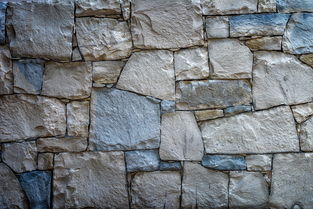
Discover the intricate differences between artificial quartz and resin countertops in this comprehensive guide. From material composition to durability and maintenance, we explore everything you need to know to make an informed decision for your kitchen or bathroom. Whether you’re a homeowner or a designer, this detailed comparison will help you choose the perfect countertop for your space.
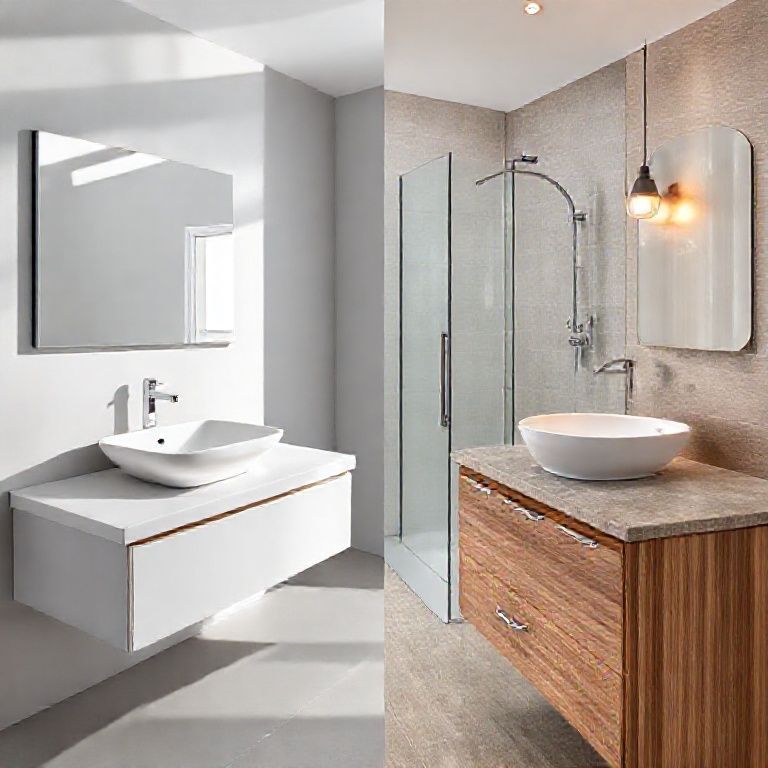
artificial quartz countertops, resin countertops, quartz vs. resin, countertop materials, durable countertops, kitchen countertops, bathroom countertops, countertop maintenance, modern kitchen design, home improvement
The Ultimate Guide to Artificial Quartz vs. Resin Countertops: Unveiling the Best Choice for Your Home
When it comes to selecting countertops for your home, the choices are vast, ranging from natural stone to synthetic materials. Among the most popular options are artificial quartz and resin countertops. Both materials have carved out significant niches in modern home design, each offering unique advantages and distinct characteristics. This guide will delve into the intricacies of artificial quartz vs. resin countertops to help you understand what makes them special and how they compare in terms of material composition, durability, aesthetic appeal, and maintenance.
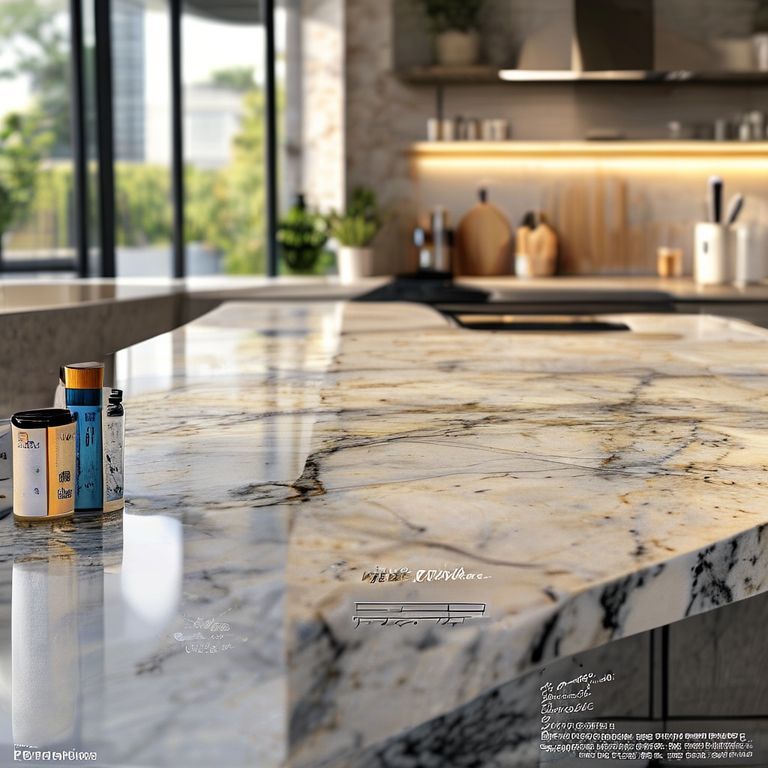
Understanding Artificial Quartz Countertops
Artificial quartz countertops are engineered from 93% pure quartz, a naturally occurring mineral, and 7% resin, which binds the quartz particles together. This combination results in a material that is remarkably durable, aesthetically versatile, and low-maintenance. Quartz is known for its impressive strength and resistance to scratches, stains, and heat, making it a top choice for high-traffic areas like kitchens and dining rooms.
Material Composition and Benefits
The primary component of artificial quartz is quartz, a mineral that is renowned for its durability and resistance to various forms of damage. The resin used in the manufacturing process acts as a binder, enhancing the material’s strength and making it less prone to chipping and cracking. This combination not only provides a robust surface but also allows for a wide range of colors and finishes, catering to diverse design preferences.
Durability and Performance
One of the standout features of artificial quartz is its superior durability. Quartz countertops are virtually indestructible when it comes to scratches and stains. They resist most household cleaning products and are highly resistant to heat, which makes them ideal for cooking surfaces where high temperatures are common. Additionally, their hardness makes them less likely to suffer from dents and chips, ensuring a longer lifespan and consistent appearance.
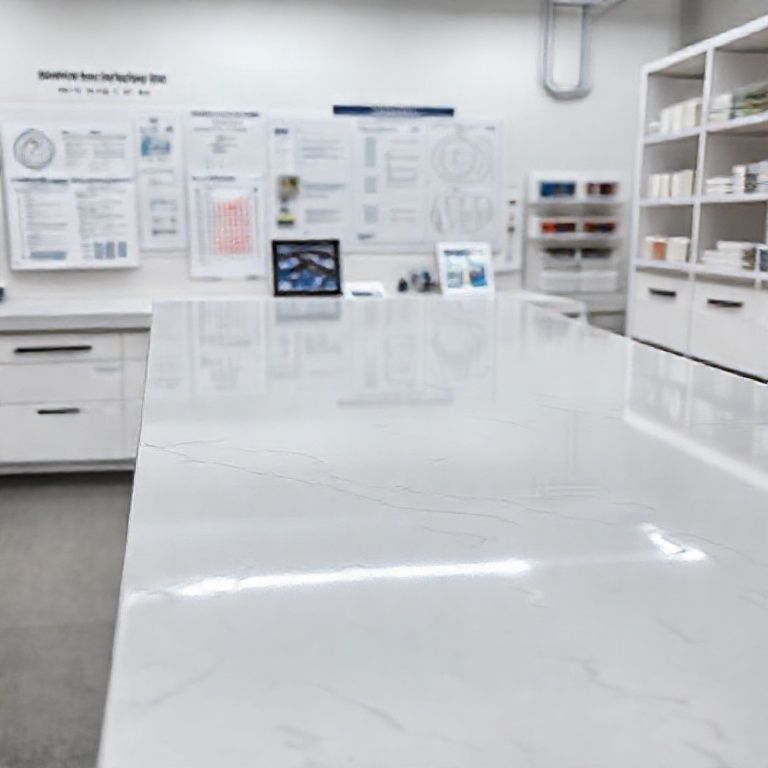
Aesthetic Versatility
Artificial quartz offers unparalleled versatility in terms of design. Available in a wide array of colors and patterns, quartz countertops can mimic the look of natural stone, marble, and even wood. This flexibility allows homeowners and designers to create unique and personalized designs that cater to specific aesthetic goals, all while maintaining the practicality of a durable surface.
Understanding Resin Countertops
Resin countertops, on the other hand, are primarily composed of a blend of resins and other materials, such as marble dust, quartz, or other fine aggregates. This composite material is then polished to achieve a sleek, smooth surface. Resin countertops are known for their beauty, texture, and ease of maintenance, although they may not match the durability of quartz in certain aspects.
Material Composition and Benefits
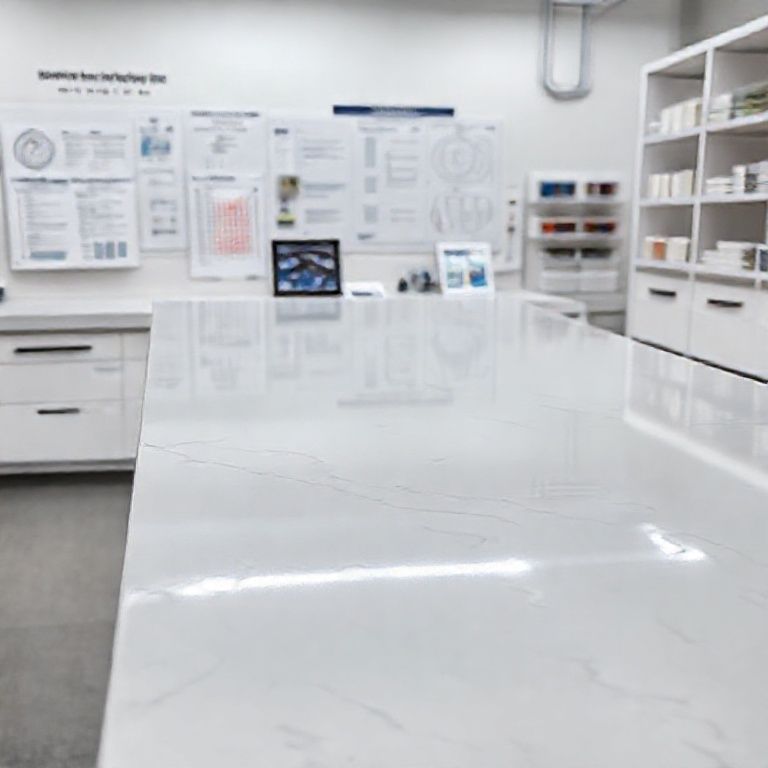
Resin countertops are crafted from a mixture of fine aggregates, such as marble dust or quartz, and a polymer resin. This combination creates a surface that is smooth, polished, and visually appealing. The resin acts as a binder, holding the aggregates together and providing a solid, monolithic surface. While the aesthetic appeal is a major benefit, resin countertops may not offer the same level of scratch and stain resistance as their quartz counterparts.
Durability and Performance
Resin countertops are generally more susceptible to scratches and minor impacts compared to artificial quartz. However, they excel in terms of their polished, glossy finish, which adds to their visual appeal. While they are not as heat-resistant as quartz, resin countertops are still a durable choice for most everyday uses in kitchens and bathrooms.
Aesthetic Versatility
Resin countertops are celebrated for their beautiful, polished surfaces and intricate designs. The ability to mix different aggregates and resins allows for a wide range of textures and colors. From sleek, monochromatic finishes to intricate patterns that mimic natural stone, resin countertops offer a high degree of design flexibility. The polished surface also provides a glossy, modern look that complements contemporary interior designs.
Comparison: Artificial Quartz vs. Resin Countertops
When comparing artificial quartz and resin countertops, several factors come into play, including material composition, durability, aesthetic appeal, and maintenance requirements.
Material Composition
Artificial Quartz: Composed of 93% pure quartz and 7% resin, artificial quartz combines the strength of natural quartz with the binding properties of resin to create a durable, high-performance material. Resin: Primarily made from a blend of resins and fine aggregates like marble dust, resin countertops rely on the resin to hold the aggregates together, resulting in a smooth, polished surface.
Durability
Artificial Quartz: Exceptional durability against scratches, stains, and heat makes artificial quartz an ideal choice for high-traffic areas. Its hardness ensures a long-lasting, scratch-resistant surface. Resin: While resin countertops are durable, they are generally more susceptible to scratches and minor impacts compared to quartz. Their polished surface adds to their aesthetic appeal but may require more careful handling.
Aesthetic Appeal
Artificial Quartz: Offers a wide range of colors and patterns, allowing for designs that closely mimic natural stone, marble, and wood. Its versatility makes it suitable for various design styles. Resin: Known for its polished, glossy finish, resin countertops provide a sleek, modern look. The ability to create intricate designs and textures enhances their visual appeal.
Maintenance Requirements
Artificial Quartz: Requires minimal maintenance. Occasional cleaning with a mild soap and water solution is usually sufficient to keep the surface looking pristine. Resin: Also low-maintenance, resin countertops benefit from regular cleaning with a mild soap and water solution. However, it’s important to avoid using abrasive cleaners that could scratch the surface.
The Ultimate Guide to Artificial Quartz vs. Resin Countertops: Unveiling the Best Choice for Your Home
Continuing our comprehensive comparison of artificial quartz and resin countertops, we delve deeper into the practical aspects of each material, including installation, cost considerations, and long-term value. Understanding these factors will help you make an informed decision based on your specific needs and preferences.
Installation and Ease of Use
Both artificial quartz and resin countertops are designed for ease of installation, though they may differ slightly in terms of the process.
Artificial Quartz
Artificial quartz countertops are typically installed using standard adhesive methods. The process is straightforward, and these countertops can be cut to fit various shapes and sizes. Because they are solid surfaces, they do not require sealing like some other materials, which simplifies the installation process further. Their pre-cut sheets can be easily aligned and secured to the cabinetry, making them a convenient choice for both professional installers and DIY enthusiasts.
Resin
Resin countertops often require more intricate cutting and shaping due to their composite nature. The installation process can be more complex compared to artificial quartz, as the polished surface needs to be protected during installation. However, advancements in manufacturing have made resin countertops more manageable, and they are typically installed using similar adhesive methods to quartz. The polished surface does require careful handling to avoid scratches, but the result is a beautifully finished countertop.
Cost Considerations
When it comes to cost, artificial quartz and resin countertops offer different value propositions.
Artificial Quartz
Artificial quartz countertops are generally on the higher end of the price spectrum. The use of high-quality materials and the manufacturing process contribute to their premium cost. However, the durability and low maintenance of quartz make it a worthwhile investment for many homeowners. The longevity of quartz countertops often offsets the initial cost, providing a long-term value that stands up to everyday use.
Resin
Resin countertops typically fall on the lower to mid-range of the cost spectrum. The materials and manufacturing processes for resin are generally less expensive than those for quartz, making resin a more accessible option for many budgets. While resin countertops may require more frequent replacements due to scratches and minor impacts, their lower initial cost can be a significant advantage for those looking for an affordable yet stylish option.
Long-Term Value and Sustainability
Both artificial quartz and resin countertops offer long-term value, but the nature of that value differs.
Artificial Quartz
The durability and resilience of artificial quartz provide significant long-term value. Quartz countertops are designed to withstand the rigors of daily use, from spills to high temperatures, ensuring a consistent appearance and functionality over many years. The low maintenance required for quartz means that the cost savings over time are substantial, further enhancing its value proposition. Additionally, the use of natural quartz in the manufacturing process gives quartz countertops a degree of sustainability, as quartz is a naturally abundant mineral.
Resin
While resin countertops offer excellent aesthetics and a smooth, polished surface, their durability can be a point of concern over the long term. Minor scratches and impacts can mar the appearance of resin countertops, leading to more frequent replacements. However, the lower initial cost and the ease of maintenance can still provide a good value proposition for those who prioritize style over durability. Resin countertops are also manufactured using sustainable processes, though their overall lifespan may not match that of quartz.
Conclusion
In the world of countertop materials, the choice between artificial quartz and resin countertops ultimately comes down to your specific needs, preferences, and priorities. Artificial quartz offers unparalleled durability, low maintenance,长期价值和广泛的设计选择,使其成为追求高耐用性和现代美学的消费者的首选。
特别是在厨房和餐厅等高频使用区域,人们更倾向于选择这种能够抵御污渍、热损伤和机械损坏的材料。
而树脂台面则因其低成本、丰富的设计和易于维护的特点,吸引了那些更注重外观和预算的消费者。虽然树脂台面在耐用性上可能不如人造石英,但其在视觉效果和多样化设计方面的优势使其在浴室和其他较低使用频率的区域中依然是一个受欢迎的选择。
无论选择哪种材料,最终的决策都应该基于个人的使用习惯、预算以及对外观的要求。在做出最终选择前,建议详细了解每种材料的安装、维护和潜在的长期成本。咨询专业的装修设计师或台面供应商,可以帮助你更好地理解这些材料的特点和适用性,从而做出最适合你家居环境的选择。
无论你选择人造石英石台面还是树脂台面,都能为你的家居环境带来独特的美感和功能性,只是在具体选择上需要综合考虑多方面的因素。